





— Blogs —
—Products—
 Consumer hotline +8618073152920
 WhatsApp:+8615367865107
Address:Room 102, District D, Houhu Industrial Park, Yuelu District, Changsha City, Hunan Province, China
Product knowledge
Time:2025-12-13 11:27:36 Popularity:775
In modern Internet of Things (IoT) applications, especially in precision agriculture and environmental research, data acquisition density, synchronization, and accuracy are critical. Traditional single-parameter sensors are complex to deploy, costly, and difficult to ensure data consistency.
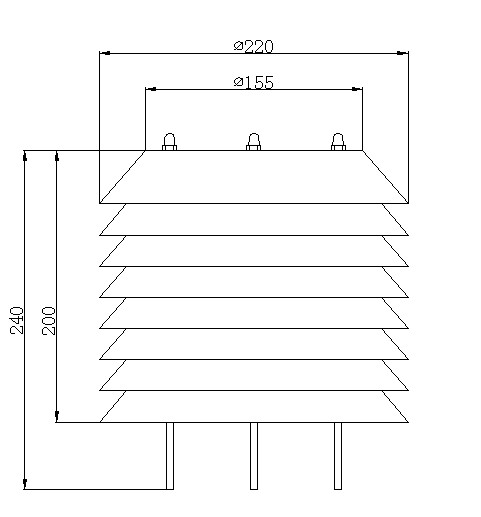
The emergence of louver box multi-in-one sensors (such as NiuBoL NBL-W-THPLC) marks a new stage in monitoring technology shifting from “dispersed measurement” to “highly integrated synchronous perception.” It not only simplifies installation but, more importantly, provides a hardware foundation for obtaining comprehensive environmental data with high temporal and spatial consistency. Integrated sensors often adopt louver box or radiation shield structures.
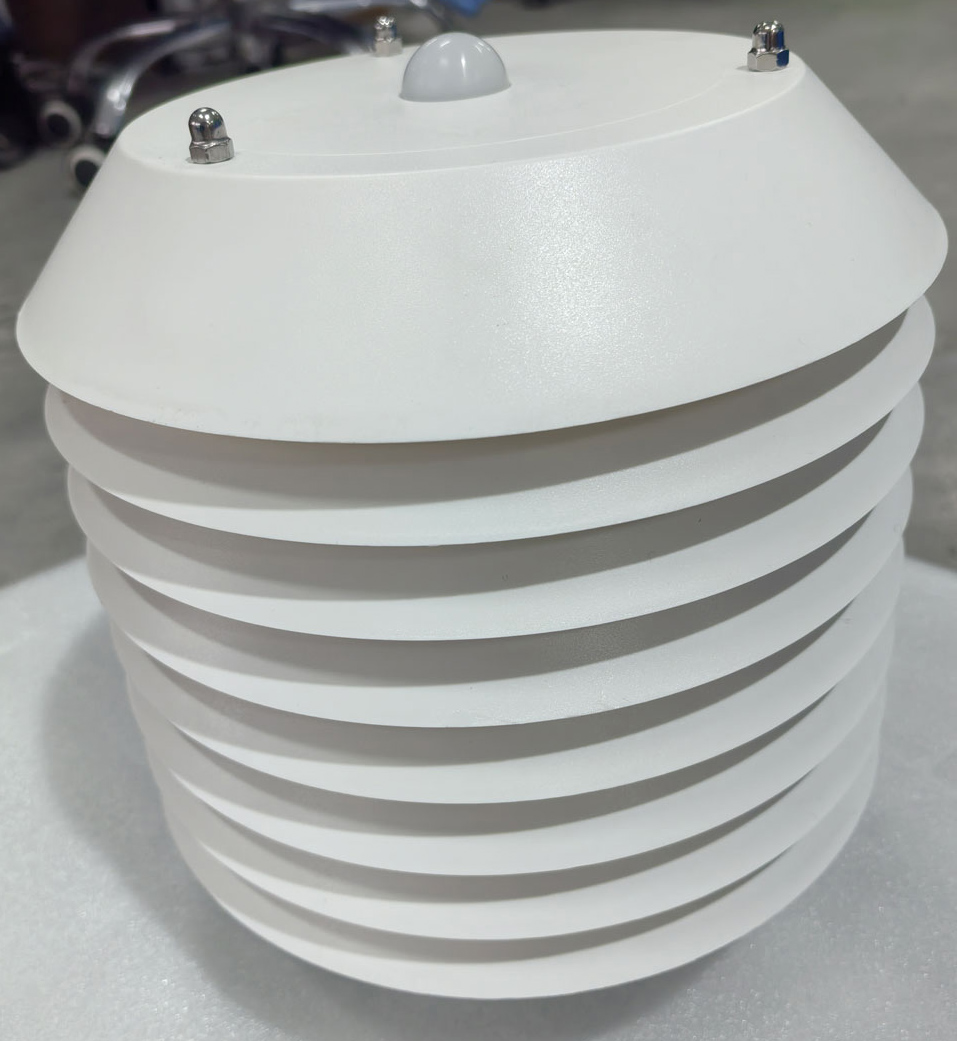
Radiation Protection: The primary enemy of sensors is solar radiation. The radiation shield uses multi-layer white reflective plates to form air channels, effectively blocking direct sunlight and ground-reflected heat radiation while allowing free air circulation. This ensures that the temperature sensor measures true atmospheric temperature rather than the heated probe temperature, guaranteeing data accuracy.
This integrated design brings advantages unmatched by traditional single sensors:
Multi-parameter monitoring: (e.g., NBL-W-THPLC) Simultaneously and in real time monitors five key environmental parameters: atmospheric temperature, humidity, pressure, CO₂ concentration, and illuminance — comprehensive data.
High integration: Combines multiple sensors in one device, greatly saving installation space and cost, simplifying on-site wiring and maintenance workload.
High accuracy & consistency: Uses advanced sensing technology; all sensors synchronously collect data on the same device, achieving extremely high consistency and effectively reducing measurement errors.
Intelligent management: Data transmitted rapidly via RS485 and other interfaces to cloud platforms, facilitating remote viewing, analysis, and intelligent environmental management and control.
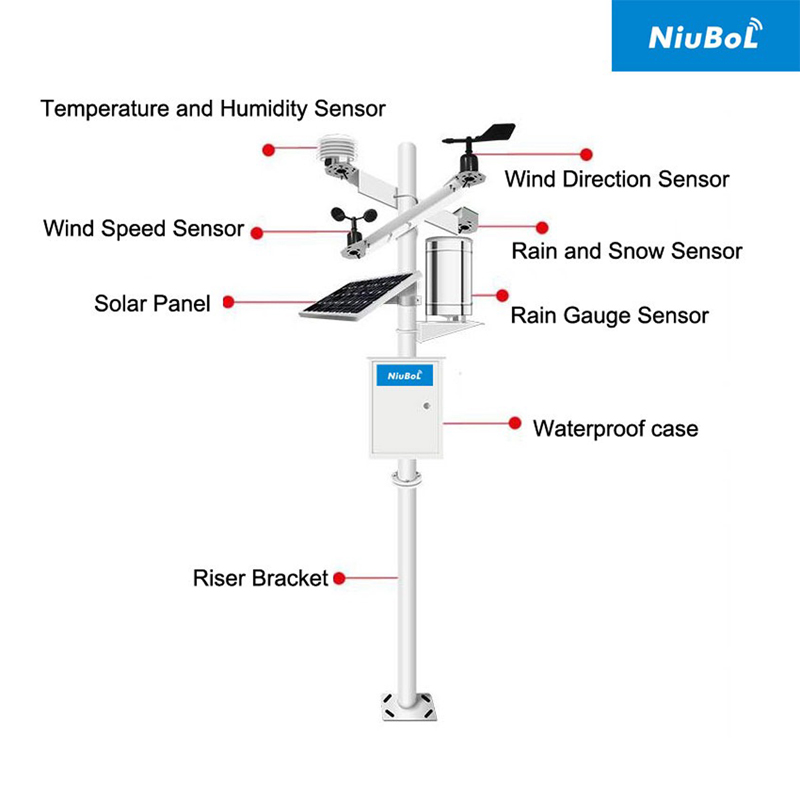
The intelligence of the louver box 5-in-1 sensor stems from its complex internal sensor technology and efficient signal processing flow.
Sensor Acquisition: Built-in multiple sensors continuously sense and collect raw analog signals of environmental parameters.
Signal Processing: Raw signals undergo filtering, amplification, analog-to-digital conversion (digitization), etc., to improve data accuracy and anti-interference capability.
Data Transmission: Digitized data transmitted via RS485 or other communication interfaces according to standard protocols (e.g., MODBUS) to data loggers or cloud platforms.
Cloud Analysis & Control: Cloud analyzes data, extracts valuable information, and intelligently manages and controls application scenarios (e.g., greenhouses) based on results.
NBL-W-THPLC is an integrated body of five key environmental parameters: atmospheric temperature, humidity, pressure, illuminance, and CO₂ concentration.
| Parameter | Measurement Range | Accuracy | Core Technology |
| Temperature | -50~100°C | ±0.5°C | High-precision digital sensor |
| Humidity | 0~100% RH | ±5% RH | Capacitive sensor |
| Pressure | 10~1100 hPa | +0.3 hPa | High-precision MEMS pressure sensor |
| Illuminance | 0~200000 Lux | ±7% | Silicon blue photovoltaic detector |
| CO₂ | 0~2000 ppm | ±(40 ppm + 2% F.S) | NDIR Non-Dispersive Infrared technology |
Communication & Power Supply:
Power supply: DC 12 V or DC 24 V
Output types: RS485 or 4–20 mA (multiple options for easy integration)
Accurate CO₂ concentration measurement is key for greenhouse control and air quality assessment. NiuBoL adopts NDIR (Non-Dispersive Infrared) technology, the recognized high-precision CO₂ measurement standard.
NDIR technology is based on the absorption characteristics of gas molecules to specific wavelength infrared light:
CO₂ molecules have highly selective absorption at 4.26 μm wavelength.
The sensor emits specific wavelength infrared light that passes through a gas chamber filled with air to be measured.
The receiver measures transmitted light intensity.
According to Lambert-Beer Law, light attenuation is proportional to CO₂ gas concentration.
NDIR Advantages: Compared to electrochemical sensors, NDIR has longer lifespan, higher stability, and is less susceptible to cross-interference from other background gases (e.g., alcohol, methane), making it more suitable for long-term, precise outdoor and greenhouse monitoring.
Integration Advantage: NBL-W-THPLC uses its high-precision pressure sensor to real-time correct CO₂ measurements via built-in algorithms, outputting concentrations closer to standard conditions, ensuring altitude adaptability and measurement accuracy.
The multi-in-one sensor greatly enhances data usability and scenario coverage by synchronously providing interrelated parameters.
| Core Application Scenario | Main Monitoring Purpose | Multi-Parameter Synergy Value |
| Smart Greenhouse/Facility Agriculture | Improve crop yield and quality | Temp/Humidity/CO₂ synergy: CO₂ is key for photosynthesis, but elevated CO₂ requires suitable temperature and humidity for efficient utilization. Illuminance data guides supplemental lighting and CO₂ application strategies. |
| Urban Micro-Environment Monitoring | Assess air quality and comfort | Temp/Humidity/Pressure synergy: Used in urban parks, scenic areas, construction sites, etc., for real-time comprehensive meteorological recording; pressure data for high-rise building monitoring. |
| Environmental Research & Meteorology | Study atmospheric boundary layer and energy balance | Time consistency: All data synchronously collected at nanosecond scale, ensuring high reliability in scientific analysis (e.g., atmospheric turbulence, energy flux calculation). |
| Building Automation & HVAC | Optimize energy consumption, ensure indoor air quality | Monitor indoor (or fresh air intake) environment, link with fresh air systems to balance CO₂ and temperature comfort with energy management. |
Key to maintaining integrated sensors is keeping sensing element surfaces clean and communication stable.
| Fault Phenomenon | Possible Cause | In-Depth Troubleshooting & Solution Recommendations |
| CO₂ reading persistently high/low | 1. NDIR light source or receiver contaminated 2. Zero drift from long-term use 3. Pressure compensation algorithm error | 1. Clean internal optical path (professional operation required) 2. Perform automatic baseline calibration in outdoor ventilated environment or forced zero calibration 3. Confirm pressure sensor functioning normally |
| Severe temperature/humidity distortion | 1. Louver box vents blocked or improper installation (not shaded) 2. Humidity sensor condensation | 1. Check louver box installation for verticality, ventilation, avoid direct sunlight and ground reflection 2. Power off sensor for a period, then repower and observe if reading recovers |
| RS485 communication intermittent | 1. Poor shielding layer grounding (interference) 2. MODBUS address conflict or baud rate mismatch | 1. Ensure single-end good grounding of shielding layer, use industrial shielded twisted pair 2. Verify communication address and parameter settings of connected devices (e.g., RTU, sensor) |
| Illuminance reading always 0 | 1. Illuminance sensor photosensitive surface blocked by opaque material 2. Internal photodiode failure | 1. Carefully clean top transparent cover 2. Check sensor output status; if still 0 after clearing blockage, return to factory for repair |
Q: Does the NDIR CO₂ sensor require frequent calibration?
A: Excellent products (such as NiuBoL) typically have built-in automatic baseline calibration to automatically correct zero drift during use; users do not need frequent manual calibration.
Q: How does the multi-in-one sensor achieve high temporal consistency in data?
A: Internal microcontroller uses synchronous acquisition mechanism to continuously read all sensor chips in an extremely short time window (usually millisecond level), ensuring all parameter values correspond to the same time point.
Q: Besides correcting CO₂, what other applications does pressure data have?
A: Yes. Pressure is one of the four major meteorological elements, used for weather forecasting, altitude correction, and preliminary atmospheric stability assessment.
Q: What is the maximum transmission distance supported by the sensor?
A: Using RS485 interface, theoretical transmission distance exceeds 1000 m with good cabling and no strong electromagnetic interference. Recommend shielded twisted pair with terminal resistors and repeaters for long distances.
Q: Can it be used in extremely high humidity environments?
A: NBL-W-THPLC supports full 0–100% RH range. However, near 100% RH, pay attention to condensation risk on sensor surface. Louver box structure effectively reduces direct condensation, but extreme saturation environments still require caution.
Q: How long is the lifespan of core components (e.g., NDIR module)?
A: NDIR CO₂ sensor internal light source (usually LED or micro-lamp) has a design lifespan of 5–10 years, far exceeding electrochemical sensors, reducing long-term operating costs.
Q: What is the difference between illuminance (Lux) and PAR (Photosynthetically Active Radiation)?
A: Illuminance measures intensity visible to human eyes; PAR measures energy in specific wavelengths (400–700 nm) usable for crop photosynthesis. In agriculture, PAR data is usually more guiding than Lux, but Lux sensors are lower cost and suitable for general environmental assessment.
Q: What are the advantages and disadvantages of 4–20 mA output signal?
A: 4–20 mA is an industrial standard current signal. Advantages: strong anti-interference, long transmission distance. Disadvantages: one current signal corresponds to one parameter only, so NBL-W-THPLC requires multiple current cables for five parameters, increasing integration complexity compared to RS485.
Q: If only temperature and humidity are needed now, is it still worth buying this five-in-one sensor?
A: The value lies in reserving data interfaces for the future. Even if only temperature/humidity is needed now, CO₂, pressure, and illuminance data can be immediately utilized when upgrading the system (e.g., greenhouse intelligence upgrade), avoiding secondary installation and wiring.
Q: What communication protocols does the sensor support?
A: NiuBoL NBL-W-THPLC primarily supports standard Modbus/RTU protocol — the most commonly used industrial protocol with strong compatibility for connection with PLC, RTU, or data loggers.
Q11: What certifications does NiuBoL have?
A11: CE, ISO9001, RoHS, and nationally recognized meteorological calibration certificates.
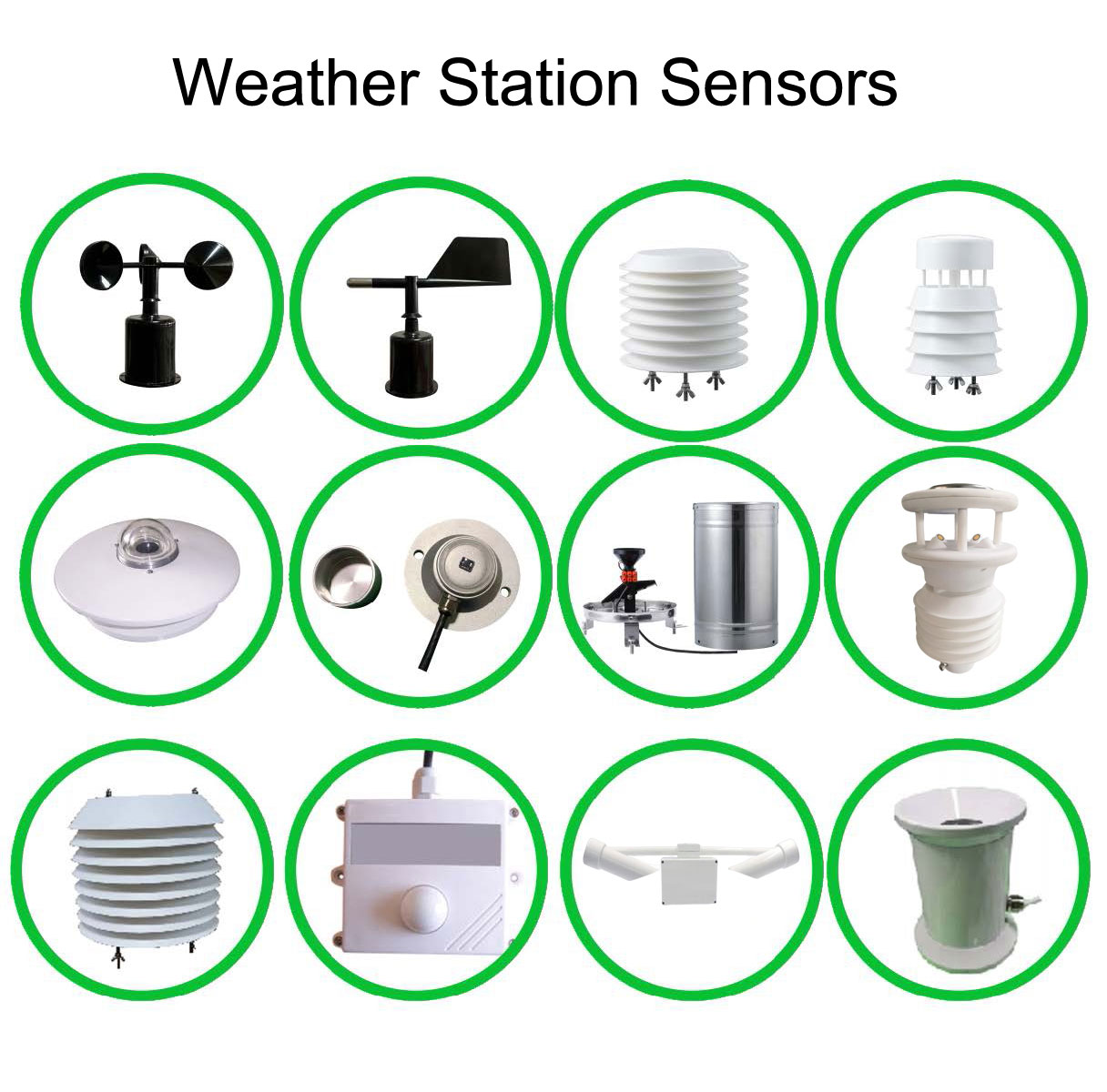
The NiuBoL NBL-W-THPLC temperature humidity pressure illuminance CO₂ integrated sensor achieves high-precision, high-synchronization, and high-reliability holistic environmental perception through five key parameter integration, NDIR technology, and pressure compensation mechanism. This sensor is a key driver for achieving digitalization, refinement management, and decision-making in smart agriculture, meteorological monitoring, and environmental safety fields.
 NBL-W-THPLC-5in1-Temperature-Humidity-Pressure-Illumination-CO2-Sensor-data-sheet.pdf
Prev:Water Safety Guardian: NiuBoL Ammonia Nitrogen Sensor Working Principle, Price & Selection Guide
Next:Ultrasonic Anemometer: Principle, Application & High-Precision Selection Guide
Related recommendations
Sensors & Weather Stations Catalog
Agriculture Sensors and Weather Stations Catalog-NiuBoL.pdf
Weather Stations Catalog-NiuBoL.pdf
Agriculture Sensors Catalog-NiuBoL.pdf
Water Quality Sensor Catalog-NiuBoL.pdf
Related products
 Combined air temperature and relative humidity sensor
 TDR Soil Moisture & Temperature Sensor for irrigation| RS485 |4-20mA| NBL-S-THR
 Soil pH sensor RS485 soil Testing instrument soil ph meter for agriculture |NBL-S-PH
 Wind Speed sensor Output Modbus/RS485/Analog/0-5V/4-20mA
 Tipping bucket rain gauge for weather monitoring auto rainfall sensor RS485/Outdoor/stainless steel
 Pyranometer Solar Radiation Sensor 4-20mA/RS485

Screenshot, WhatsApp to identify the QR code
WhatsApp number:+8615367865107
(Click on WhatsApp to copy and add friends)

