





— Blogs —
—Products—
 Consumer hotline +8618073152920
 WhatsApp:+8615367865107
Address:Room 102, District D, Houhu Industrial Park, Yuelu District, Changsha City, Hunan Province, China
Product knowledge
Time:2025-12-12 16:05:48 Popularity:848

Ammonia nitrogen (NH3-N) refers to nitrogen compounds in water existing as free ammonia (NH3) and ammonium ions (NH4+). It is an important pollutant indicator in water bodies and a key parameter for assessing water quality health.
Drinking Water: Excessive ammonia nitrogen causes taste discomfort and forms harmful chloramines in the presence of free chlorine.
Groundwater: Exceeding standards (≤0.2 mg/L) severely impacts human health and increases cancer risk.
Marine Ecology: Ammonia nitrogen's lipophilicity makes it highly toxic to fish and marine organisms, threatening ecological balance.
The ammonia nitrogen sensor is a professional instrument for real-time, precise measurement of ammonia nitrogen concentration in water bodies, indispensable for environmental protection, water conservancy, and municipal fields.
The NBL-NHN-206 integrated water ammonia nitrogen sensor is widely used in places with strict ammonia nitrogen requirements:
Sewage Treatment Plants: Monitors influent/effluent quality, optimizes biochemical processes (nitrification, denitrification).
Industrial Wastewater Treatment: Continuous monitoring of ammonia nitrogen at production discharge points to ensure compliance.
Environmental Monitoring: Monitors rivers, lakes, groundwater, and oceans for quality assessment and pollution warnings.
Clean-in-Place (CIP): Water quality control in specific industrial cleaning processes.
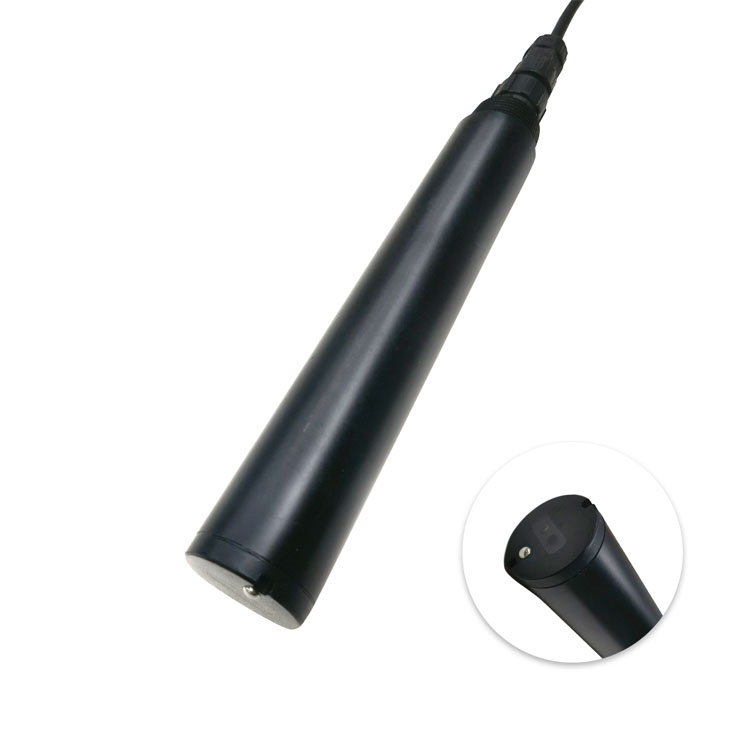
The NiuBoL NBL-NHN-206 ammonia nitrogen sensor uses the ion selective electrode method (ISE), an efficient, fast, and economical online monitoring technology.
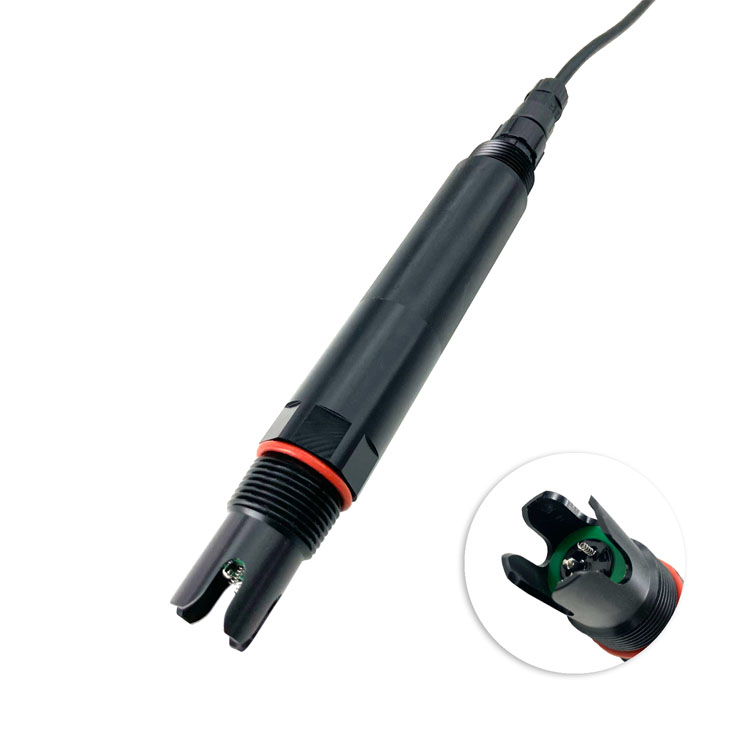
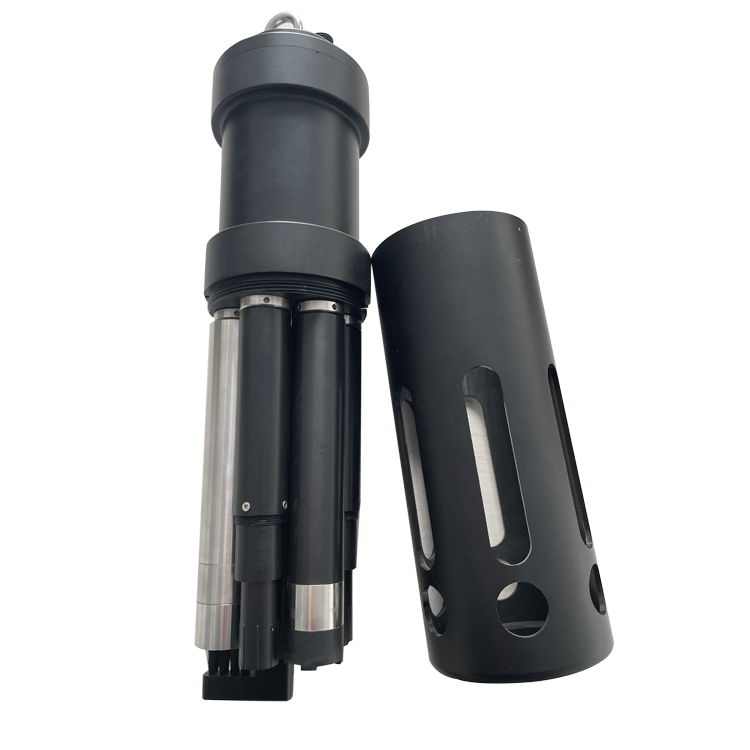
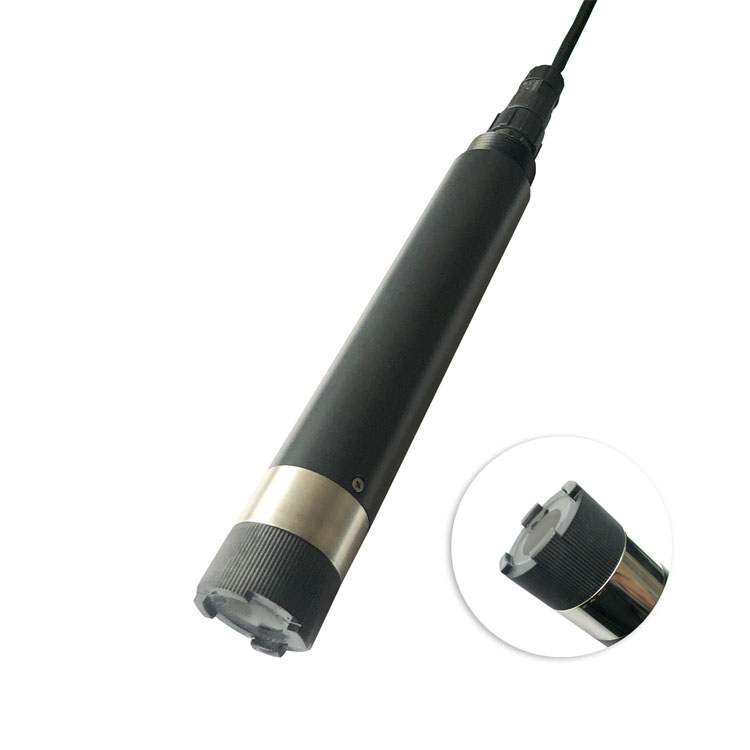
Electrode Structure: Integrates ammonium ion selective electrode (NH4+) based on PVC membrane, pH electrode (for reference and correction), and temperature electrode (Pt1000).
Potential Difference Measurement: When immersed in water, the electrode membrane exchanges ions with ammonium ions, generating a potential difference proportional to concentration.
Reference & Correction: pH electrode provides stable reference potential. Since ammonia nitrogen (NH3-N) is the sum of NH4+ and NH3, affected by pH and temperature, the sensor uses integrated pH and temperature electrodes for automatic correction and compensation to obtain precise total ammonia nitrogen concentration.
Integrated Design: All-in-one, no external modules needed — simple installation and operation.
Temperature Compensation: Built-in Pt1000 automatic compensation eliminates temperature effects on electrode activity.
Patented Reference System: Patented ammonium electrode with extremely slow reference liquid seepage under pressure for ultra-stable reference.
Anti-Interference (Optional Potassium Compensation): Potassium ions (K+) interfere with ammonium electrodes. In high-potassium water, integrated potassium electrode provides automatic compensation for higher accuracy.
| Parameter | Specification | Notes |
|---|---|---|
| Measurement Principle | Ion Selective Electrode (ISE) | Efficient, fast, economical online measurement |
| Range | 0–10.00 mg/L / 0–100.00 mg/L / 0–1000.0 mg/L | Multiple ranges for different concentrations |
| Resolution | 0.01 mg/L | Captures subtle changes in low-concentration water |
| Accuracy | ±10% of reading or ±1 mg/L (whichever greater, low range) | Ensures data reliability |
| Response Time (T90) | <60 s | Fast for real-time warnings and process control |
| Output | RS-485 (Modbus/RTU), 4–20 mA (optional) | Industry standard for PLC/DCS integration |
| Protection Rating | IP68 | Excellent waterproof/dustproof, long-term submersion |
| Installation | Submersible, 3/4 NPT thread | Suitable for pipes and tanks |
Activation: Remove protective cap before testing; soak in clean water for >2 hours to activate electrode.
Cleaning: Rinse PVC membrane/sensing element with distilled/deionized water if deposits form. Wipe terminals with anhydrous alcohol and dry.
Storage: For >2 weeks unused, store dry with protective cap on sensing element.
Avoid Contact: Do not soak long-term in distilled water or protein solutions; avoid silicone oils.
Prices vary by brand, technology, range, integration, and features:
Reference: Market prices for ammonia nitrogen sensors (probes, detectors, meters) typically fluctuate between 200–500 USD.
Integration: All-in-one (NH4+, pH, temperature) costs slightly more than modular.
Potassium Compensation: High-end models with this feature are pricier but more accurate.
Protection & Materials: IP68 rating and corrosion-resistant PVC/POM housing enhance durability and price.
When selecting, focus on:
Technical Reliability: Uses mature ISE with automatic temperature compensation and stable reference systems?
Product Integration: NiuBoL offers all-in-one NBL-NHN-206 with multi-parameter measurement and RS-485 output for easy installation/maintenance.
Industry Experience: Specialized in smart environmental monitoring with real sewage/water projects?
Protection Rating: IP68 for long-term outdoor/submersible use?
Top Manufacturers: Based on reliability, integration, and market reputation: NiuBoL, BOQU Instrument, Desun Uniwill, Endress+Hauser, Hach, and Daruifuno. NiuBoL stands out for cost-effective, integrated ISE solutions with strong after-sales support.
1. Why does the sensor need a pH electrode for correction?
A: Ammonia nitrogen exists as NH3 and NH4+; their ratio depends on pH. ISE measures NH4+ only, so pH electrode calculates/corrects NH3 for total ammonia nitrogen.
2. Why potassium ion compensation?
A: K+ chemically resembles NH4+, causing positive interference. In high-K+ water, compensation eliminates errors for higher accuracy.
3. What does T90 <60 s mean?
A: Time to reach 90% of final stable value after immersion — indicates fast response for real-time monitoring.
4. How to store long-term?
A: Dry storage with protective cap on sensing element; avoid prolonged soaking in deionized/distilled water, which damages the membrane.
5. IP68 depth for NBL-NHN-206?
A: Withstands <0.1 MPa (~10 m depth) — meets most submersible needs.
6. Advantages of RS-485?
A: Strong anti-interference, long-distance, multi-point networking — ideal for industrial online monitoring.
7. How to detect electrode failure?
A: If normal maintenance (cleaning/calibration) fails to enable calibration/measurement, the PVC membrane has degraded — replace electrode.
8. Can it measure free ammonia (NH3)?
A: Indirectly — ISE measures NH4+; pH/temperature electrodes calculate NH3 via equilibrium, yielding total.
9. Why two-point calibration?
A: Zero (low standard) sets baseline; span (high standard) ensures linearity across full range for high accuracy.
10. Health threshold for ammonia nitrogen in drinking water?
A: No WHO health limit, but >1.5 mg/L NH3 causes taste issues at alkaline pH; NH4+ taste threshold ~35 mg/L.
11. What certifications does NiuBoL have?
CE, ISO9001, RoHS, and nationally recognized meteorological calibration certificates.
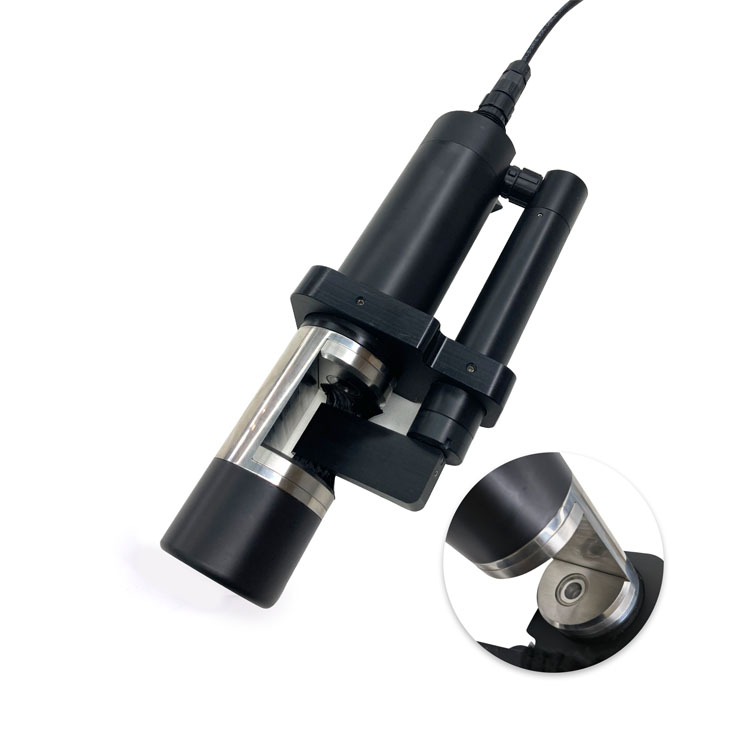
The NiuBoL NBL-NHN-206 integrated ammonia nitrogen sensor uses advanced ISE technology, integrating NH4+, pH, and temperature electrodes with intelligent compensation for high-precision, stable online monitoring. Its IP68 protection and RS-485 output make it ideal for environmental, sewage treatment, and industrial wastewater applications. When purchasing, prioritize stability, potassium compensation, and brand expertise over low price alone.
What range are you focusing on — low (0–10 mg/L) or high (0–1000 mg/L)? I can provide tailored selection and specific quotes.
 NBL-NHN-206 Online Water Quality Ammonia Nitrogen Sensor.pdf
Prev:Water Turbidity Sensor: Working Principle, Role & NiuBoL Technical Analysis
Next:Integrated Temperature Humidity Pressure Illuminance CO2 Sensor Features & Working Principle
Related recommendations
Sensors & Weather Stations Catalog
Agriculture Sensors and Weather Stations Catalog-NiuBoL.pdf
Weather Stations Catalog-NiuBoL.pdf
Agriculture Sensors Catalog-NiuBoL.pdf
Water Quality Sensor Catalog-NiuBoL.pdf
Related products
 Combined air temperature and relative humidity sensor
 TDR Soil Moisture & Temperature Sensor for irrigation| RS485 |4-20mA| NBL-S-THR
 Soil pH sensor RS485 soil Testing instrument soil ph meter for agriculture |NBL-S-PH
 Wind Speed sensor Output Modbus/RS485/Analog/0-5V/4-20mA
 Tipping bucket rain gauge for weather monitoring auto rainfall sensor RS485/Outdoor/stainless steel
 Pyranometer Solar Radiation Sensor 4-20mA/RS485

Screenshot, WhatsApp to identify the QR code
WhatsApp number:+8615367865107
(Click on WhatsApp to copy and add friends)

