





— Blogs —
—Products—
 Consumer hotline +8618073152920
 WhatsApp:+8615367865107
Address:Room 102, District D, Houhu Industrial Park, Yuelu District, Changsha City, Hunan Province, China
Product knowledge
Time:2025-12-12 16:01:52 Popularity:901
With global environmental issues becoming increasingly prominent, efficient and accurate real-time monitoring of water resources has become a core task in environmental protection and water management. As an important device in water quality monitoring, the water turbidity sensor plays an irreplaceable role.
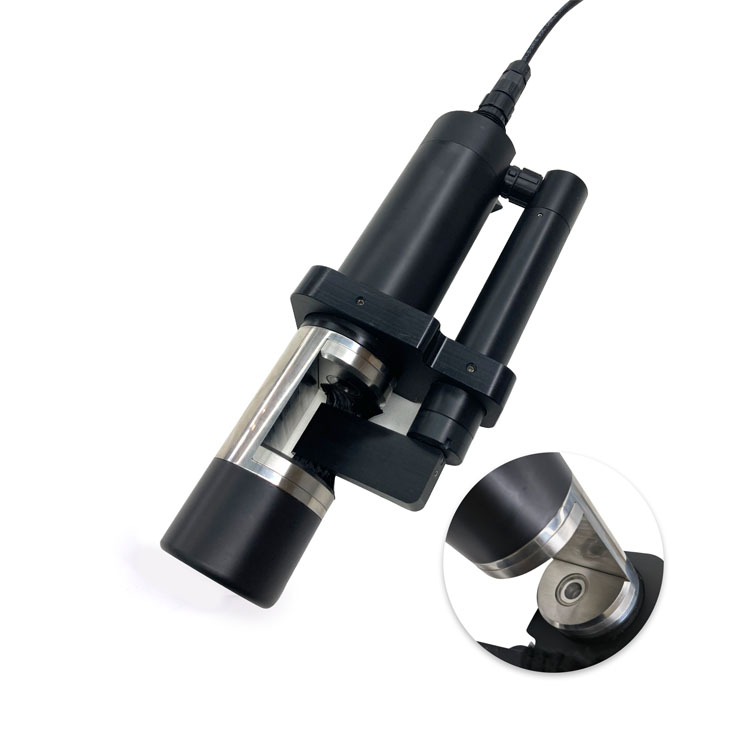
A water turbidity sensor is an instrument used to measure the concentration of suspended particles and the transparency of water bodies.
Turbidity: Reflects the degree to which suspended substances (such as sediment, clay, organic matter, microorganisms, etc.) in water scatter or absorb light. Higher turbidity values indicate cloudier water. Internationally, NTU (Nephelometric Turbidity Unit) is commonly used as the unit of turbidity.
The water turbidity sensor serves as the “eyes” of water quality management, providing critical suspended solids data in the following fields:
| Field | Core Role Description |
|---|---|
| Environmental Monitoring | Real-time monitoring of particle concentration in rivers, lakes, oceans, assessing water quality and environmental changes |
| Water Treatment Engineering | Monitors raw water pretreatment (coagulation, sedimentation) and effluent stages, guiding and optimizing treatment processes to ensure drinking water safety |
| Water Pollution Monitoring | Promptly detects abnormal turbidity changes caused by industrial wastewater or domestic sewage discharge, warning of pollution incidents |
| Aquaculture | Monitors water cleanliness, preventing high turbidity from affecting fish gill respiration or blocking light |
| Waterworks | Monitors filter backwash effluent to ensure transparency and safety meet standards |
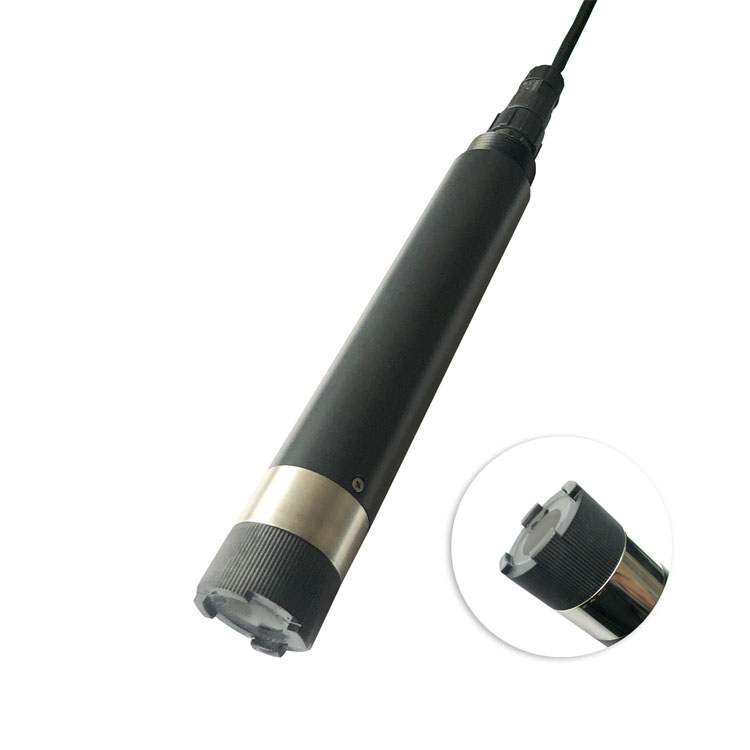
When a beam of light enters the water, suspended particles cause scattering and partial absorption. The more particles, the stronger the scattered light intensity. The sensor calculates turbidity by capturing and measuring this scattered light.
NiuBoL sensors (e.g., NBL-ZS-206) adopt the internationally standard 90° scattering method, complying with EN27027 and ISO7027 standards.
Light Source: 860 nm infrared LED — eliminates interference from water color
Measurement: Detects scattered light intensity at 90° to the incident beam — excellent linear relationship with particle concentration
Signal Conversion: Photodiode receives 90° scattered light → converts to electrical signal → amplification, processing, and linearization → outputs NTU value
Built-in temperature compensation (Pt1000) eliminates temperature effects
Stable infrared LED light source with long lifespan
Fiber optic structure strongly suppresses stray light interference
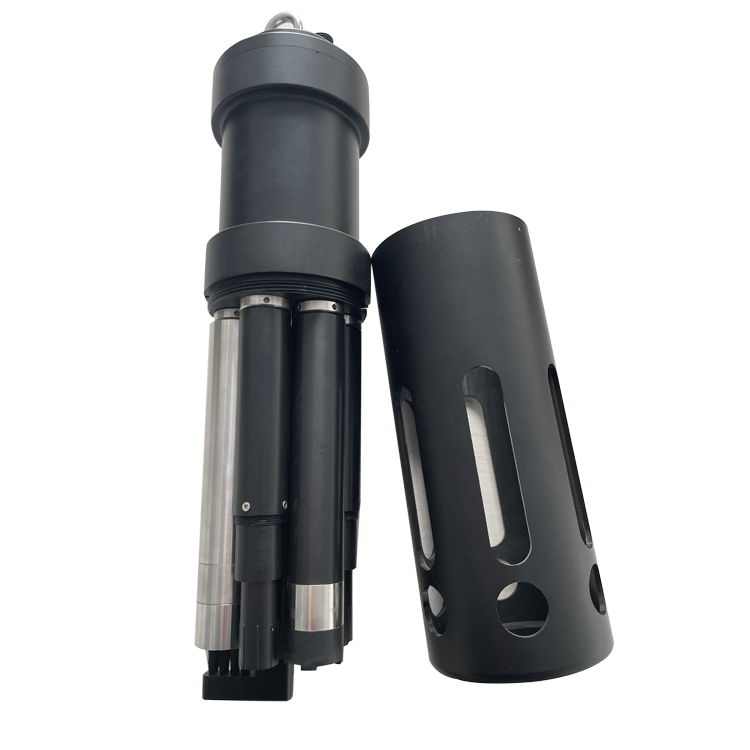
| Parameter | Specification | Notes |
|---|---|---|
| Measurement Principle | 90° Scattering (infrared) | ISO7027 compliant |
| Range / Resolution | 0–20.00 NTU / 0.01 NTU | Multiple ranges available |
| Accuracy | ±3% or ±1.5 NTU | High reliability |
| Temperature Compensation | Automatic (Pt1000) | Eliminates temperature effects |
| Output | RS-485 (Modbus/RTU) | Industry standard |
| Protection Rating | IP68 | Submersible to 20 m |
Cleaning: Rinse with tap water; use soft cloth + neutral detergent for stubborn dirt
Zero Calibration: Immerse in zero-turbidity water (ultra-pure) for 3–5 min → calibrate
Span Calibration: Immerse in known standard solution → adjust to match standard value
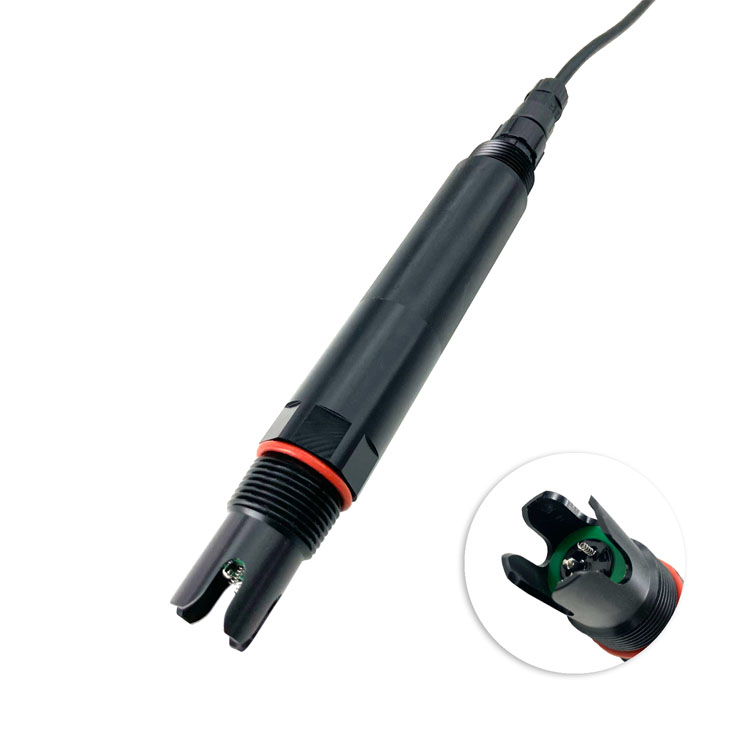
1. Why use infrared light?
A: ISO7027 specifies 860 nm infrared to eliminate interference from water color.
2. What does NTU mean?
A: Nephelometric Turbidity Unit — measures 90° scattered light intensity.
3. Can it identify particle types?
A: No — only total concentration. Additional instruments needed for particle analysis.
4. What does IP68 mean?
A: Fully dustproof and submersible (tested to 20 m depth).
5. Why temperature compensation?
A: Temperature affects light refraction and particle behavior — compensation ensures accuracy.

6. Advantages of RS-485 & Modbus/RTU?
A: Long-distance, multi-device networking, easy integration with PLCs and loggers.
7. When to clean/calibrate?
A: Clean when biofilm/dirt visible; calibrate when readings drift from lab standards.
8. Accuracy at 20 m depth?
A: Pressure within design limits does not affect optical measurement.
9. Zero vs. span calibration?
A: Zero sets baseline in pure water; span ensures linearity across full range.
10. Custom cable length?
A: Yes — NiuBoL offers customization (standard 5 m).
11. What certifications does NiuBoL have?
A: CE, ISO9001, RoHS, and nationally recognized meteorological calibration certificates.
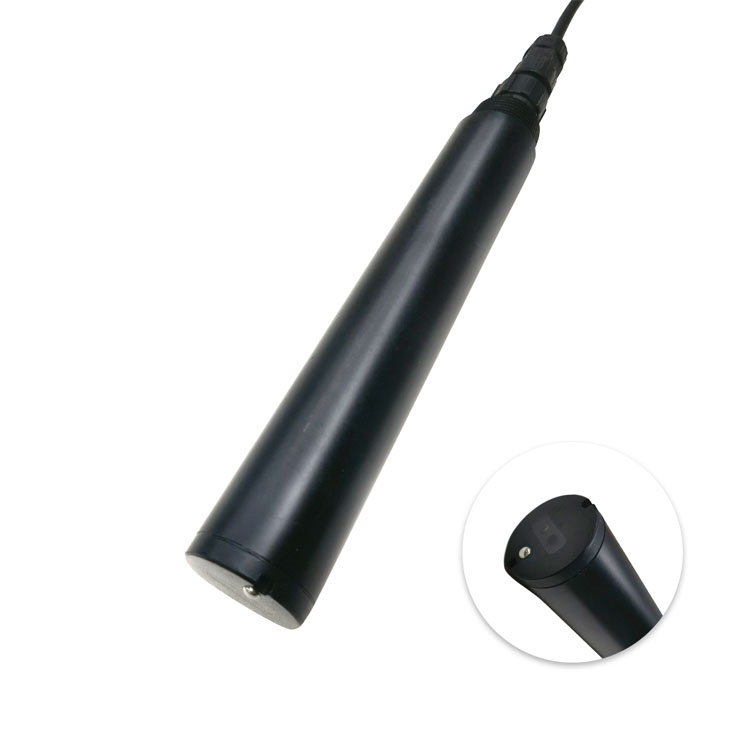
The water turbidity sensor is the cornerstone of modern environmental monitoring and water treatment. Represented by the NiuBoL NBL-ZS-206, with its ISO7027-compliant 90° scattering method, infrared light source, and IP68 protection, it delivers high reliability, stability, easy integration, and low power consumption.
As requirements for water quality safety and environmental regulation continue to rise, turbidity sensors are evolving toward greater intelligence and maintenance-free operation — serving not only as tools for monitoring water health but also as critical technical support for ensuring drinking water safety and ecological stability.
Are you currently looking for a solution for a specific water quality monitoring project? I can provide detailed product selection and quotation based on your range and application environment.
Prev:Leaf Wetness Sensor Principle, Function & Usage | NiuBoL NBL-W-LM
Next:Water Safety Guardian: NiuBoL Ammonia Nitrogen Sensor Working Principle, Price & Selection Guide
Related recommendations
Sensors & Weather Stations Catalog
 Agriculture Sensors and Weather Stations Catalog-NiuBoL.pdf
Weather Stations Catalog-NiuBoL.pdf
Agriculture Sensors Catalog-NiuBoL.pdf
Water Quality Sensor Catalog-NiuBoL.pdf
Related products
 Combined air temperature and relative humidity sensor
 TDR Soil Moisture & Temperature Sensor for irrigation| RS485 |4-20mA| NBL-S-THR
 Soil pH sensor RS485 soil Testing instrument soil ph meter for agriculture |NBL-S-PH
 Wind Speed sensor Output Modbus/RS485/Analog/0-5V/4-20mA
 Tipping bucket rain gauge for weather monitoring auto rainfall sensor RS485/Outdoor/stainless steel
 Pyranometer Solar Radiation Sensor 4-20mA/RS485

Screenshot, WhatsApp to identify the QR code
WhatsApp number:+8615367865107
(Click on WhatsApp to copy and add friends)

