





— Blogs —
—Products—
 Consumer hotline +8618073152920
 WhatsApp:+8615367865107
Address:Room 102, District D, Houhu Industrial Park, Yuelu District, Changsha City, Hunan Province, China
Product knowledge
Time:2026-05-27 13:19:31 Popularity:370
System integrators and engineering contractors regard ammonia nitrogen (NH3-N) as one of the key water quality control parameters when building smart water affairs, wastewater treatment, and industrial wastewater treatment projects. Ammonia nitrogen mainly exists in the form of free ammonia (NH3) and ammonium ion (NH4+). Excessive discharge will lead to water eutrophication, dissolved oxygen consumption, fish death, and can be converted into nitrite under certain conditions, further forming nitrosamine carcinogens, posing a direct threat to the ecological environment and human health.
National standards have clear limit requirements for non-ionic ammonia nitrogen concentration in Class III surface water bodies. Ammonia nitrogen compliance discharge from wastewater treatment plant effluent is a core indicator for environmental protection acceptance. NiuBoL NBL-WQ-NHN integrated online ammonia nitrogen sensor adopts PVC membrane ammonium ion selective electrode technology, equipped with automatic temperature compensation, and supports RS485 Modbus RTU protocol output. It is suitable for engineering scenarios requiring continuous and stable monitoring of ammonia nitrogen concentration. This product can be directly connected to PLC, DCS or IoT platforms, helping system integrators achieve real-time ammonia nitrogen data acquisition, process linkage control and remote supervision.
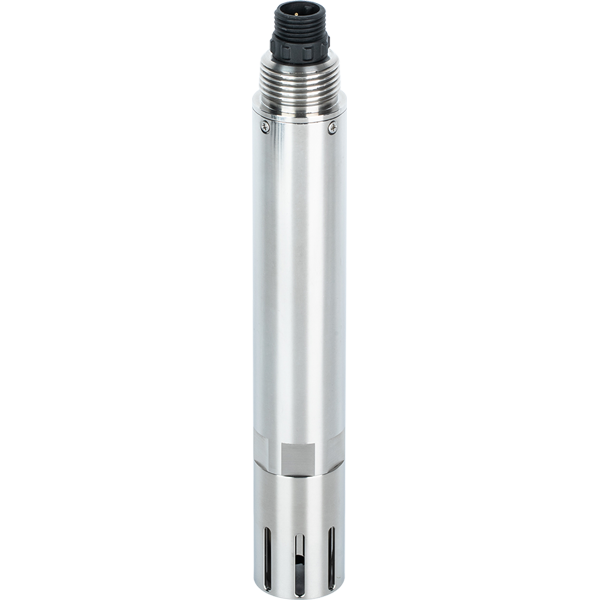
NBL-WQ-NHN online ammonia nitrogen sensor serves as the field layer ammonia nitrogen detection unit in water quality monitoring and control systems. It is installed in wastewater treatment aeration tanks, outlets, regulating tanks, industrial wastewater discharge outlets or surface water monitoring sections. It uploads ammonia nitrogen concentration data to the control layer via Modbus RTU bus, forming closed-loop control with aeration fans, carbon source dosing devices or alarm systems. It can form a multi-parameter monitoring array with other NiuBoL water quality sensors (pH, conductivity, dissolved oxygen, total nitrogen, etc.), reducing the number of integration interfaces and improving the reliability and scalability of the entire system.
NBL-WQ-NHN comes standard with RS-485 interface and adopts standard Modbus RTU communication protocol, supporting flexible slave address configuration and common baud rates. This protocol has high maturity in industrial sites and can directly interface with mainstream PLCs such as Siemens, Schneider, Rockwell, ABB, as well as DCS, SCADA systems and various industrial IoT gateways.
The RS485 bus supports a maximum transmission distance of 1200 meters and allows multiple sensors to be networked in parallel, significantly reducing wiring costs and construction complexity. The product features electrical isolation design to enhance anti-interference capability, ensuring data transmission stability in strong electromagnetic environments and meeting system integrators' needs for long-term reliable communication and remote operation and maintenance.
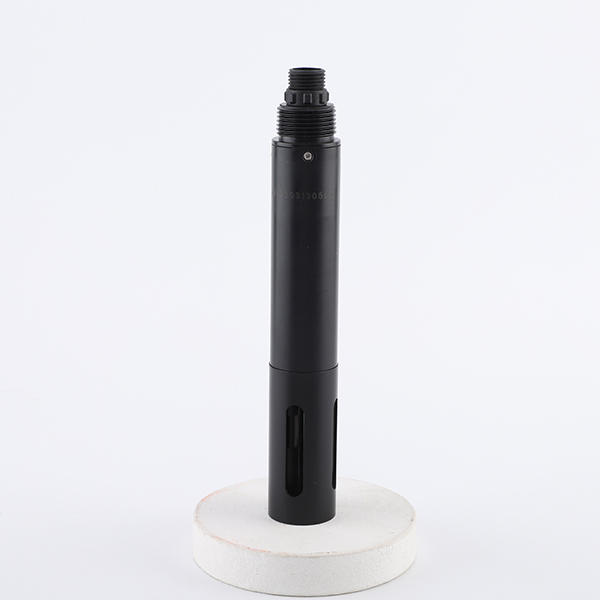
| Parameter | Specification |
|---|---|
| Model | NBL-WQ-NHN |
| Measurement Principle | Ion Selective Electrode Method (PVC Membrane Ammonium Ion Electrode) |
| Range | 0~10.00 mg/L 0~100.00 mg/L 0~1000.0 mg/L |
| Resolution | 0.01 mg/L (0-10/100), 0.1 mg/L (0-1000) |
| Accuracy | 0-10 mg/L: Reading ±10% or ±1 mg/L (whichever is greater) 0-100/1000 mg/L: Reading ±10% |
| Temperature Compensation | Automatic Temperature Compensation (Pt1000) |
| Response Time (T90) | <60s |
| Minimum Detection Limit | 0.09 mg/L (0-10/100 range) 0.9 mg/L (0-1000 range) |
| Calibration Method | Two-point Calibration |
| Output Method | RS-485 (Modbus RTU Protocol), 4-20mA (optional) |
| Power Supply Voltage | 12~24V DC |
| Power Consumption | 0.2W @12V |
| Operating Temperature | 0~40℃ |
| Storage Temperature | -5~65℃ |
| Working Pressure | <0.1 MPa |
| Working pH Range | 4~10 |
| Protection Rating | IP68 |
| Installation Method | Submersible Installation, 3/4 NPT Pipe Thread |
| Cable Length | Standard 5 meters (customization supported) |
| Shell Material | ABS, PVC, POM |
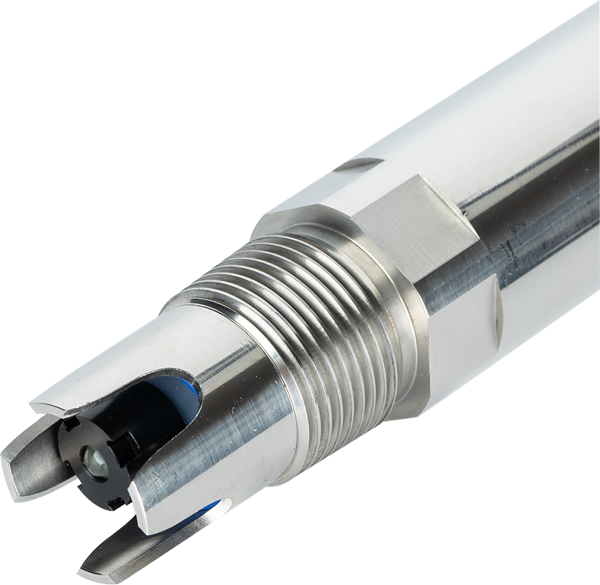
1. Municipal Wastewater Treatment Plant Ammonia Nitrogen Denitrification Control
[Site Environment Challenges] Influent ammonia nitrogen concentration fluctuates greatly. The biological treatment process in aeration tanks is easily affected by temperature, pH and organic load, resulting in unstable effluent ammonia nitrogen and high environmental regulatory pressure.
[System Integration Scheme] Install the sensor submersibly in aeration tanks and effluent channels, connect to PLC via RS485 Modbus RTU, realize PID linkage control with aeration volume and carbon source dosing, and upload data to SCADA platform in real time.
[User Value Achieved] Optimize denitrification process parameters, reduce energy consumption and chemical usage, ensure stable effluent ammonia nitrogen compliance, and reduce environmental penalty risks.
2. Industrial Wastewater Discharge Online Monitoring
[Site Environment Challenges] Wastewater from chemical, coking, fertilizer and other industries has high ammonia nitrogen concentration and complex composition. Conventional instruments are easily interfered with and must meet the first-level limit (15 mg/L) of the "Comprehensive Wastewater Discharge Standard".
[System Integration Scheme] Use IP68 protection rating installation at discharge outlet pipelines, connect to enterprise environmental monitoring system via Modbus RTU protocol, and support automatic over-standard alarm and remote data transmission.
[User Value Achieved] Achieve continuous automatic monitoring and recording, assist process adjustment, ensure compliance discharge, and simplify environmental acceptance process.
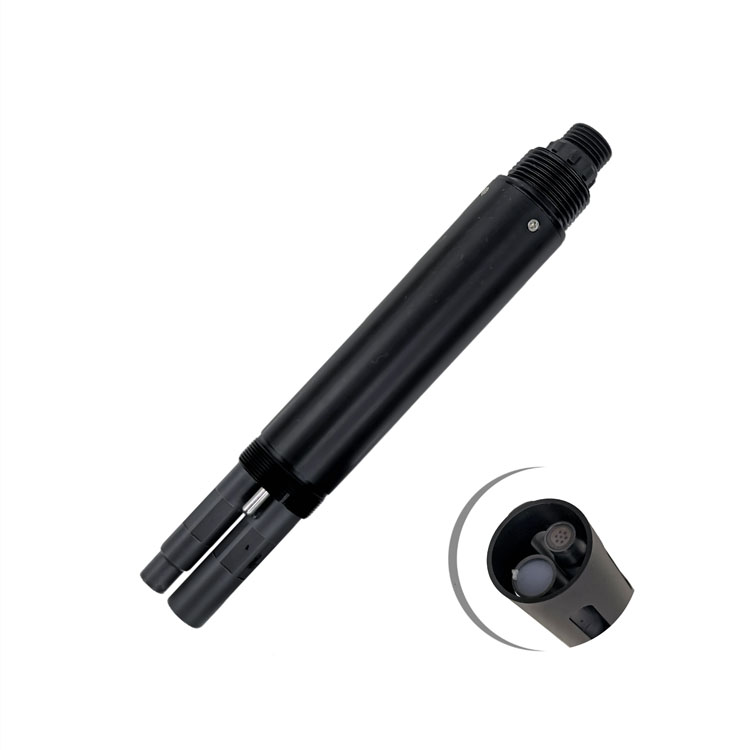
3. Surface Water and Drinking Water Source Protection Monitoring
[Site Environment Challenges] Agricultural runoff and domestic sewage cause seasonal increases in surface water ammonia nitrogen, threatening water ecological balance and drinking water safety, requiring 24-hour continuous monitoring.
[System Integration Scheme] Deploy in rivers, reservoirs or water intakes. Sensor data is connected to automatic water quality monitoring stations via RS485 bus and networked with higher-level environmental protection platforms.
[User Value Achieved] Timely grasp water eutrophication risks, provide data support for water resource management, and provide early warning of pollution events.
4. Livestock and Poultry Breeding Wastewater Treatment
[Site Environment Challenges] Breeding wastewater has high ammonia nitrogen content, which easily causes odor and water pollution. Treatment facilities need to dynamically adjust according to influent concentration.
[System Integration Scheme] Install in anaerobic/aerobic treatment units, link with control system via Modbus RTU, and optimize aeration and reflux strategies.
[User Value Achieved] Improve wastewater treatment efficiency, reduce ammonia nitrogen discharge pollution to the surrounding environment, and meet environmental protection requirements of the breeding industry.
5. Chemical and Synthetic Ammonia Production Process Control
[Site Environment Challenges] Ammonia nitrogen concentration changes dramatically during production, requiring precise monitoring to optimize recovery and treatment links.
[System Integration Scheme] Submersible installation in process tanks, multi-point arrangement of sensor networking connected to DCS system.
[User Value Achieved] Improve raw material utilization, reduce end-treatment costs, and achieve clean production goals.
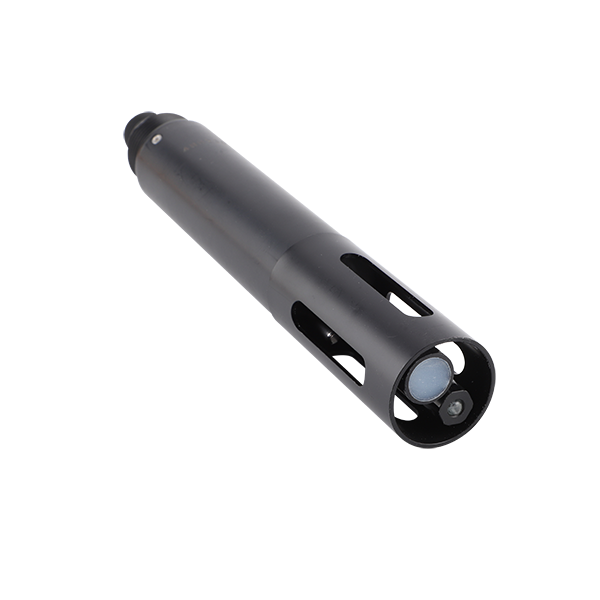
Accuracy Selection: 0-10 mg/L low range is suitable for surface water and drinking water source monitoring; 0-100 mg/L is suitable for municipal wastewater treatment; 0-1000 mg/L is suitable for high-concentration industrial wastewater. Accuracy is mainly ±10%, meeting most engineering control requirements.
Communication Method Selection: Prioritize RS485 Modbus RTU version for easy digital networking and system integration. If traditional analog signals are needed, 4-20mA output is optional.
Installation Environment Selection: 3/4 NPT submersible design is suitable for tank, pipeline and vessel installation. Working conditions are limited to 0-40℃, pH 4-10, pressure <0.1 MPa. Installation position should ensure electrode immersion and avoid strong disturbance areas.
Power Supply Method Selection: 12-24V DC wide voltage range, suitable for industrial site power supplies. It is recommended to use stable DC power supply and proper grounding to reduce noise interference.
1. The sensor must be activated and two-point calibrated with supporting standard solutions before installation according to the instructions.
2. RS485 bus wiring should use shielded twisted pair cables, and it is recommended to connect matching resistors at the end of the bus.
3. Regularly check the electrode surface cleanliness and perform calibration every 1-3 months according to working conditions.
4. Avoid using in environments exceeding the specified pH and temperature ranges to extend electrode life.
5. Place wiring terminals in dry positions to prevent condensate from affecting communication.
6. During project commissioning, compare and verify consistency with laboratory analysis data.
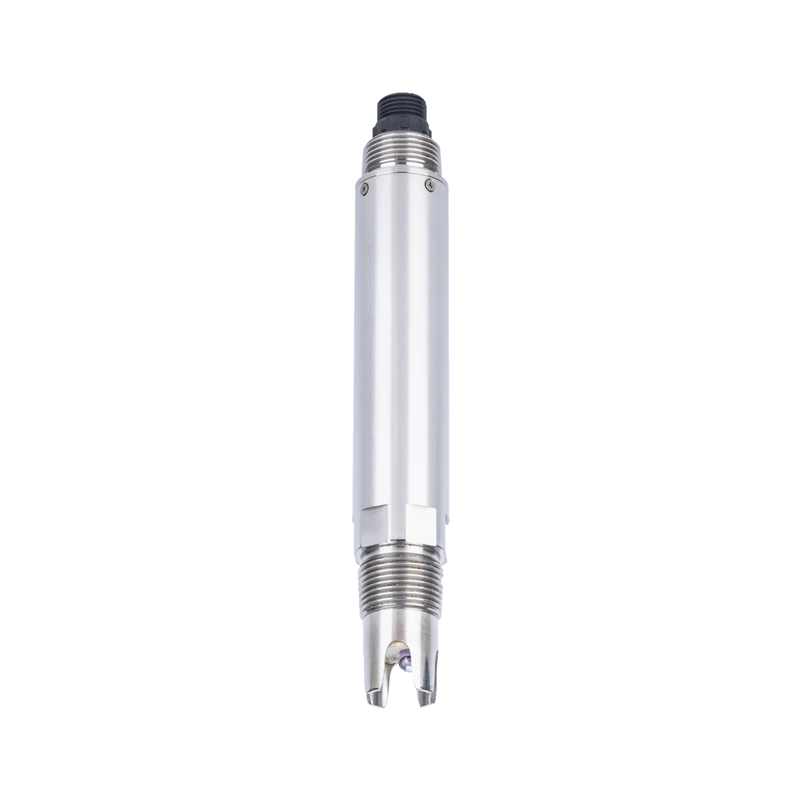
Q1: How does NBL-WQ-NHN temperature compensation work?
A: Built-in Pt1000 sensor automatically compensates the ammonium ion electrode output according to medium temperature to ensure accurate measurement results at different temperatures.
Q2: What is the service life of the electrode in high concentration ammonia nitrogen environments?
A: Adopting patented reference solution design, the internal reference solution slowly seeps out, significantly extending the stable working time of the electrode. Specific life depends on actual working conditions.
Q3: Can the minimum detection limit meet surface water Class I standard monitoring?
A: The minimum detection limit of 0.09 mg/L can meet the low concentration ammonia nitrogen monitoring requirements for surface water.
Q1: How to choose the appropriate range?
A: Select the corresponding range according to the on-site ammonia nitrogen concentration range. 0-100 mg/L is commonly used in wastewater treatment, and 0-1000 mg/L is used for high-concentration industrial wastewater.
Q2: Does it support Modbus RTU multi-device networking?
A: Yes, multiple sensors can be connected in parallel on the same bus through different slave addresses.
Q3: Can output signals and cable length be customized?
A: Supports optional 4-20mA output and cable length customization.
Q1: Does the product provide communication protocol and integration materials?
A: Provides detailed Modbus register address mapping table, wiring diagrams and communication examples to facilitate system integration.
Q2: What technical support is available for batch projects?
A: Includes selection guidance, on-site installation and commissioning training, and after-sales calibration services.
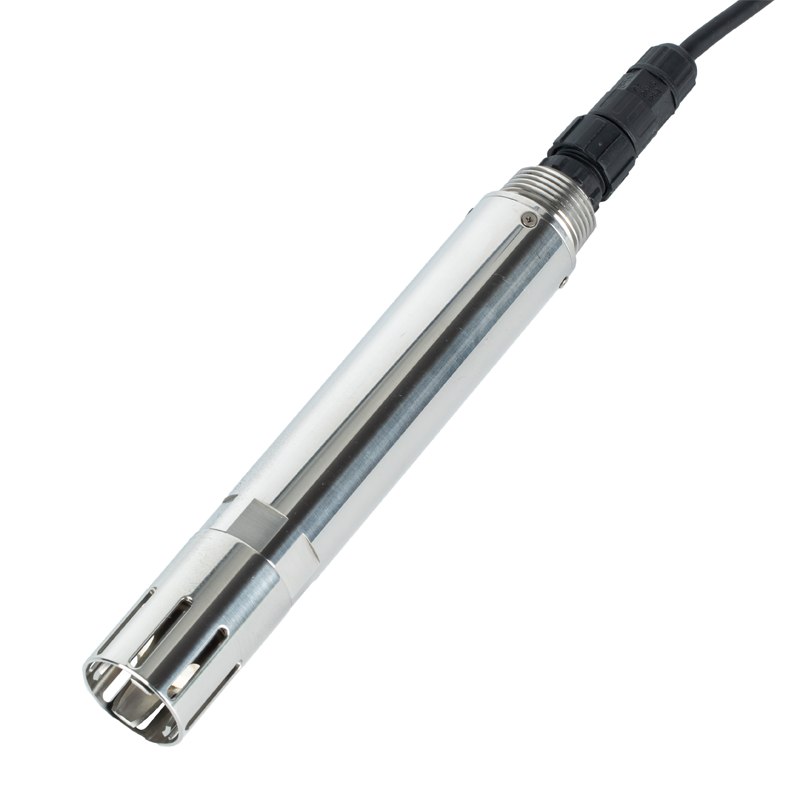
NiuBoL NBL-WQ-NHN online ammonia nitrogen sensor provides system integrators and engineering contractors with online ammonia nitrogen detection solutions suitable for scenarios such as wastewater treatment, industrial wastewater, and surface water monitoring, with ion selective electrode technology, stable RS485 Modbus RTU communication and IP68 protection performance. The product has good performance in compatibility, stability and scalability, which can effectively reduce integration difficulty and operation and maintenance costs.
When planning water environment governance or industrial wastewater treatment projects, selecting the appropriate online ammonia nitrogen sensor is the key to achieving precise control and compliance discharge. It is recommended to conduct on-site testing based on specific water quality conditions and control requirements to obtain the best engineering application effect.
 NBL-WQ-NHN-4S Online Ammonia Nitrogen Sensor.pdf
Related recommendations
Sensors & Weather Stations Catalog
Agriculture Sensors and Weather Stations Catalog-NiuBoL.pdf
Weather Stations Catalog-NiuBoL.pdf
Agriculture Sensors Catalog-NiuBoL.pdf
Water Quality Sensor Catalog-NiuBoL.pdf
Related products
 Combined air temperature and relative humidity sensor
 TDR Soil Moisture & Temperature Sensor for irrigation| RS485 |4-20mA| NBL-S-THR
 Soil pH sensor RS485 soil Testing instrument soil ph meter for agriculture |NBL-S-PH
 Wind Speed sensor Output Modbus/RS485/Analog/0-5V/4-20mA
 Tipping bucket rain gauge for weather monitoring auto rainfall sensor RS485/Outdoor/stainless steel
 Pyranometer Solar Radiation Sensor 4-20mA/RS485

Screenshot, WhatsApp to identify the QR code
WhatsApp number:+8615367865107
(Click on WhatsApp to copy and add friends)

