





— Blogs —
—Products—
 Consumer hotline +8618073152920
 WhatsApp:+8615367865107
Address:Room 102, District D, Houhu Industrial Park, Yuelu District, Changsha City, Hunan Province, China
Product knowledge
Time:2026-05-27 12:06:07 Popularity:305
System integrators, IoT solution providers, and engineering contractors regard pH value as one of the core process parameters when implementing water treatment, process automation, and environmental protection projects. pH directly affects chemical reaction rates, equipment corrosion control, microbial activity, emission compliance, and product quality stability. Especially in fields such as wastewater treatment, boiler makeup water, pharmaceutical fermentation, food and beverage, and chemical production, the lack of reliable online pH monitoring often leads to process fluctuations, equipment damage, or compliance risks.
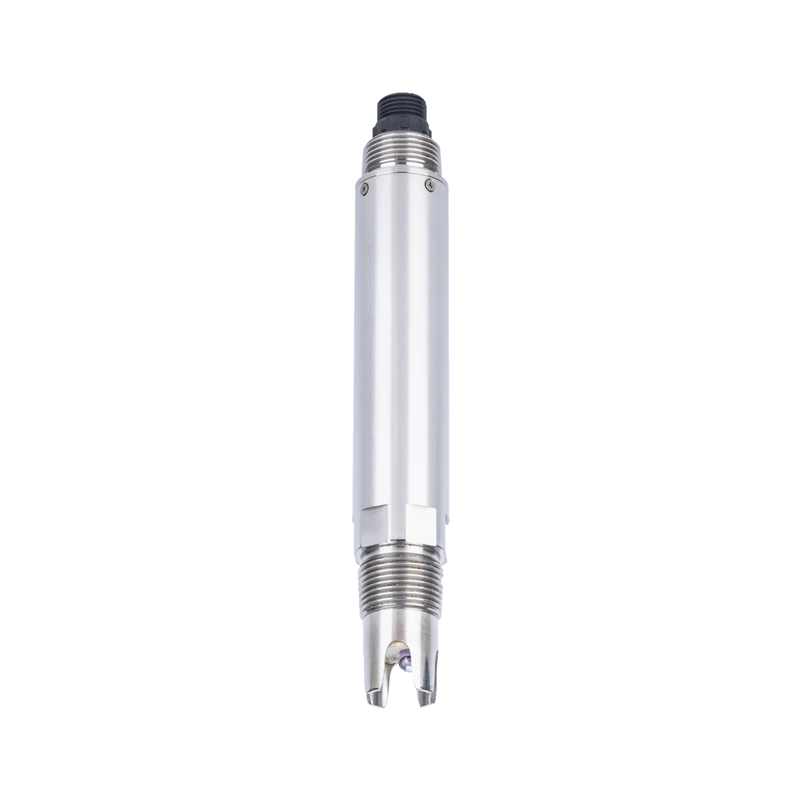
NiuBoL NBL-WQ-PH industrial online pH meter is specially designed for engineering integration. It adopts the glass electrode method measurement principle, integrates automatic temperature compensation, and supports RS485 Modbus RTU digital output. It can be directly connected to PLC, DCS, SCADA or industrial IoT platforms to achieve continuous pH monitoring, data recording, and automatic control linkage. This product focuses on solving long-term stability, anti-interference capability, and low maintenance cost issues in industrial sites, making it suitable for engineering projects that need to build distributed water quality monitoring networks or upgrade existing control systems.
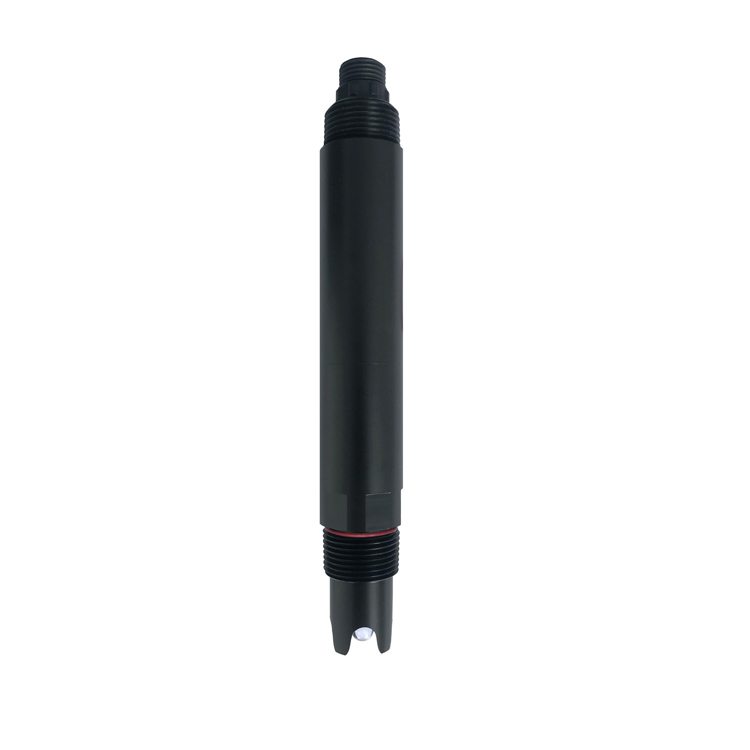
In a complete industrial control system, NBL-WQ-PH serves as a key detection unit at the field layer, installed at critical nodes such as reaction tanks, regulating tanks, pipelines, storage tanks, or process flows. It converts pH signals into standard Modbus RTU data and uploads it to the control layer via bus, forming closed-loop feedback control with actuators such as dosing pumps, agitators, and valves. It can also form a multi-parameter water quality monitoring array with other NiuBoL series sensors (conductivity, dissolved oxygen, turbidity, ORP, etc.), reducing repeated wiring and system integration complexity, and improving the reliability and scalability of the overall solution.
NBL-WQ-PH comes standard with RS485 interface and adopts the international standard Modbus RTU communication protocol, supporting common baud rates such as 9600 and 19200, as well as multi-slave address settings. This protocol has high maturity in industrial environments and can seamlessly interface with mainstream PLCs such as Siemens S7 series, Schneider Modicon, Rockwell ControlLogix, ABB, Omron, as well as various DCS, configuration software, and IoT edge gateways.
The RS485 bus characteristics support a maximum transmission distance of 1200 meters (without repeaters) and allow up to 32 devices (or more) to be networked in parallel, significantly reducing on-site wiring costs and construction difficulty. The product features built-in electrical isolation design to enhance anti-electromagnetic interference capability, ensuring data transmission stability in strong interference industrial sites and meeting the core requirements of system integrators for long-term reliable communication.
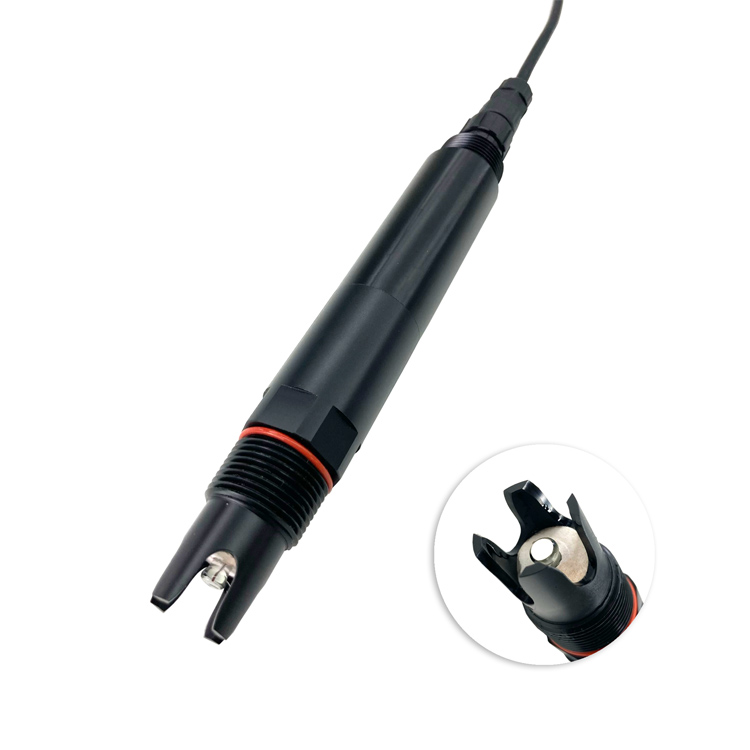
| Parameter | Specification |
|---|---|
| Model | NBL-WQ-PH |
| Measurement Principle | Glass Composite Electrode Method |
| Range | 0~14 pH |
| Resolution | 0.01 pH |
| Accuracy | ±0.1 pH (typical), ±0.3℃ (temperature) |
| Response Time (T90) | <30s |
| Temperature Compensation | Automatic Temperature Compensation (Pt1000) |
| Output Method | RS-485 (Modbus RTU Protocol) |
| Power Supply Voltage | 12~24V DC |
| Power Consumption | 0.2W @12V |
| Operating Temperature | 0~50℃ |
| Storage Temperature | -5~65℃ |
| Working Pressure | ≤0.6 MPa |
| Protection Rating | IP68 |
| Installation Method | Submersible Installation, 3/4 NPT Pipe Thread |
| Cable Length | Standard 5 meters (supports 10 meters, 20 meters customization) |
| Shell Material | ABS/PC Alloy |
| Electrode Interface | BNC or Quick Connector (optional) |
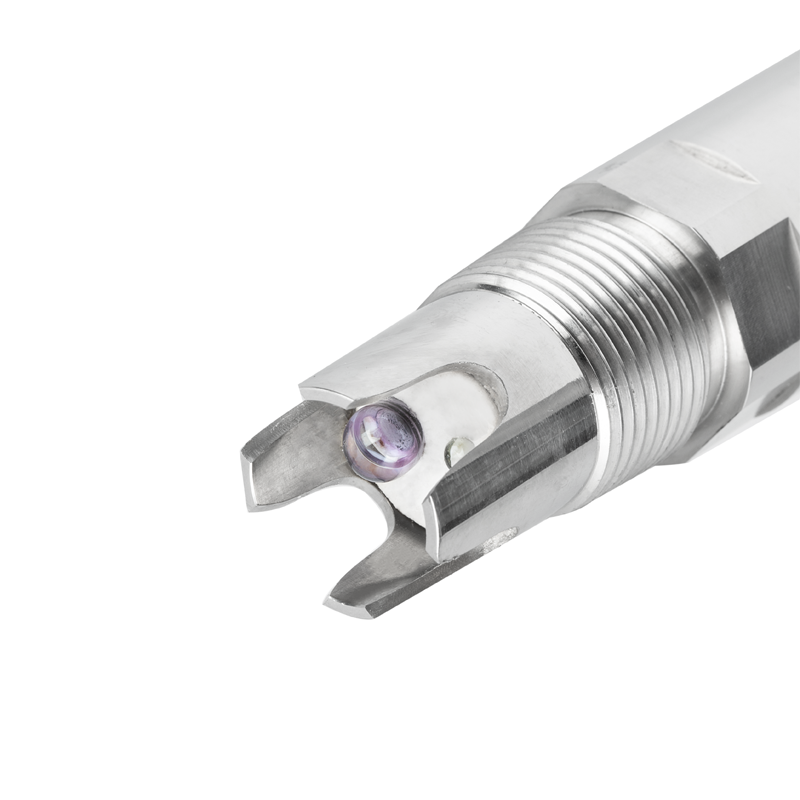
1. Wastewater Treatment Plant pH Neutralization Control
[Site Environment Challenges] Influent water quality is complex and variable, containing large amounts of suspended solids, organic matter, and corrosive substances. pH fluctuates dramatically. Outdoor or semi-outdoor installations are susceptible to temperature changes, humidity, and biofilm contamination, causing conventional instruments to drift frequently and require maintenance.
[System Integration Scheme] Use IP68 protection rating submersible 3/4 NPT installation in neutralization or regulating tanks, connect to PLC control cabinet via RS485 Modbus RTU protocol, realize PID linkage control with acid-base dosing pumps, and upload data to central SCADA system.
[User Value Achieved] Accurately control effluent pH stably within 6-9 range, reduce chemical consumption by 15%-30%, significantly reduce manual inspection frequency, accelerate environmental acceptance progress, and ensure long-term stable compliance discharge.
2. Industrial Boiler Makeup Water and Circulating Water Treatment
[Site Environment Challenges] Boiler systems have strict requirements on feedwater pH (usually 8.5-9.5). Low pH easily causes acid corrosion, while high pH may cause alkaline scaling. Electrodes age easily under high temperature and high pressure environments.
[System Integration Scheme] Install NBL-WQ-PH at deaerator or soft water tank outlet, combine with Pt1000 automatic temperature compensation, communicate with DCS system via Modbus RTU, and realize pH overrun automatic alarm and interlock protection.
[User Value Achieved] Effectively prevent boiler pipeline corrosion and scaling failures, extend equipment service life, reduce unplanned downtime caused by water quality issues, and improve overall boiler operation efficiency and safety.
3. Pharmaceutical and Biological Fermentation Process Control
[Site Environment Challenges] Pharmaceutical and fermentation processes have extremely high requirements for pH accuracy and data traceability, needing to comply with GMP and FDA related specifications. High environmental cleanliness is required and cross-contamination must be avoided.
[System Integration Scheme] Submersible installation in fermentation tanks or reaction kettles, access paperless recorders or MES systems via RS485, support two-point calibration recording and historical data export.
[User Value Achieved] Accurately maintain the optimal pH range of the process, improve strain activity and product yield, ensure batch-to-batch quality consistency, meet regulatory audit requirements, and reduce product quality risks.
4. Food and Beverage Production Process Water Quality Monitoring
[Site Environment Challenges] Production water and cleaning water pH directly affect product flavor, safety, and shelf life. CIP cleaning loops require rapid response to pH changes.
[System Integration Scheme] Install in water distribution tanks and cleaning return pipelines. Data directly participates in PLC recipe control and cleaning verification logic, combined with other parameters (such as conductivity) for judgment.
[User Value Achieved] Reduce product batch scrap due to water quality fluctuations, improve production process repeatability, optimize CIP cleaning efficiency, and ensure effective operation of food safety management systems.
5. Chemical Reaction Kettle Process Monitoring
[Site Environment Challenges] Acid-base neutralization or pH adjustment in chemical reactions is intense, with highly corrosive media and large temperature changes, requiring high instrument response speed and anti-interference capability.
[System Integration Scheme] Multi-point arrangement of submersible pH sensors, networked access to control system via Modbus RTU, realizing linkage optimization with stirring speed and feeding rate.
[User Value Achieved] Improve reaction conversion rate and selectivity, reduce by-product generation, optimize process parameters, and reduce safety hazards and production costs.
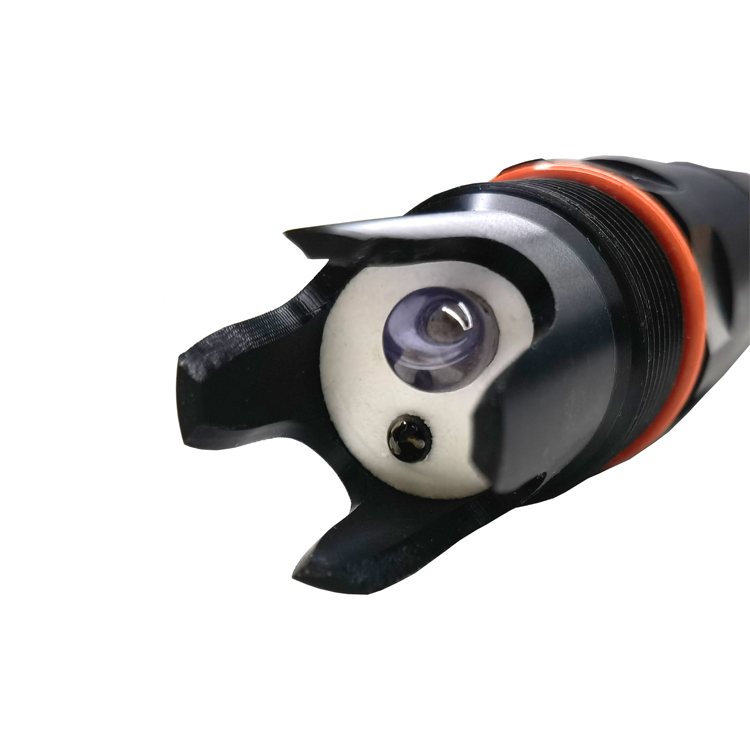
Accuracy Selection: General water treatment and wastewater treatment projects can use ±0.1 pH accuracy to meet control requirements; pharmaceutical, precision chemical, and high value-added processes are recommended to focus on 0.01 resolution and higher stability configurations.
Communication Method Selection: Prioritize RS485 Modbus RTU version for easy digital integration and remote diagnosis. If the site already has many 4-20mA loops, consider analog + digital hybrid output models.
Installation Environment Selection: Suitable for submersible, pipe insertion, or flange installation. Installation position should ensure the electrode is fully immersed, avoid dead corners and strong flow impact areas, and stay away from strong interference sources such as frequency converters and high-power motors.
Power Supply Method Selection: 12-24V DC wide voltage input, suitable for most industrial power systems. It is recommended to use isolated power modules and perform proper signal cable shielding and grounding.
1. New electrodes must be activated and calibrated with distilled water and standard buffer solutions (pH4.00, pH6.86, pH9.18) before installation.
2. RS485 bus wiring must strictly use shielded twisted pair cables, and it is recommended to connect 120Ω terminating resistors at the end of each bus segment.
3. Develop maintenance plans according to the degree of medium pollution. Calibration is recommended every 1-3 months, with shorter cycles in highly polluted environments.
4. Regularly check the electrode glass membrane surface and avoid cleaning with strong acids, strong alkalis, or abrasives.
5. Install the instrument body in the electrical cabinet and apply moisture-proof treatment to wiring terminals.
6. It is recommended to conduct multi-point comparison tests during project commissioning to ensure consistency with laboratory data.
Q1: How does NBL-WQ-PH achieve temperature compensation?
A: Built-in Pt1000 temperature sensor automatically corrects pH readings according to the Nernst equation based on medium temperature, ensuring comparability of measurement results under different temperature environments.
Q2: What is the service life of glass electrodes in high suspended solids wastewater?
A: It can work stably for 6-12 months in conventional industrial wastewater environments. Selecting anti-fouling coatings or inductive pH electrodes can further extend the maintenance cycle.
Q3: Does it support simultaneous ORP redox potential measurement?
A: Supports pH/ORP composite electrode configuration, can switch between reading pH or mV values via Modbus registers.
Q1: Can the 0-14 pH range meet strong acid and strong alkali applications?
A: Covers the vast majority of industrial applications. For extreme pH<0 or >14 scenarios, please communicate with the manufacturer for special customized electrodes.
Q2: What is the maximum number of sensors that can be connected to a single RS485 bus?
A: Standard supports 32 units. Using repeaters or segmented design can expand to more nodes.
Q3: Are cable and installation interfaces customizable?
A: Supports customization of cable length, thread specifications, and electrode materials to adapt to different project site conditions.
Q1: Does the product provide complete integration technical documentation?
A: Provides Modbus register address mapping table, wiring diagrams, CAD installation drawings, and LabVIEW/KingView communication examples.
Q2: What services are included in batch procurement projects?
A: Provides selection guidance, on-site installation and commissioning training, regular return visits, and quick response service for spare parts.
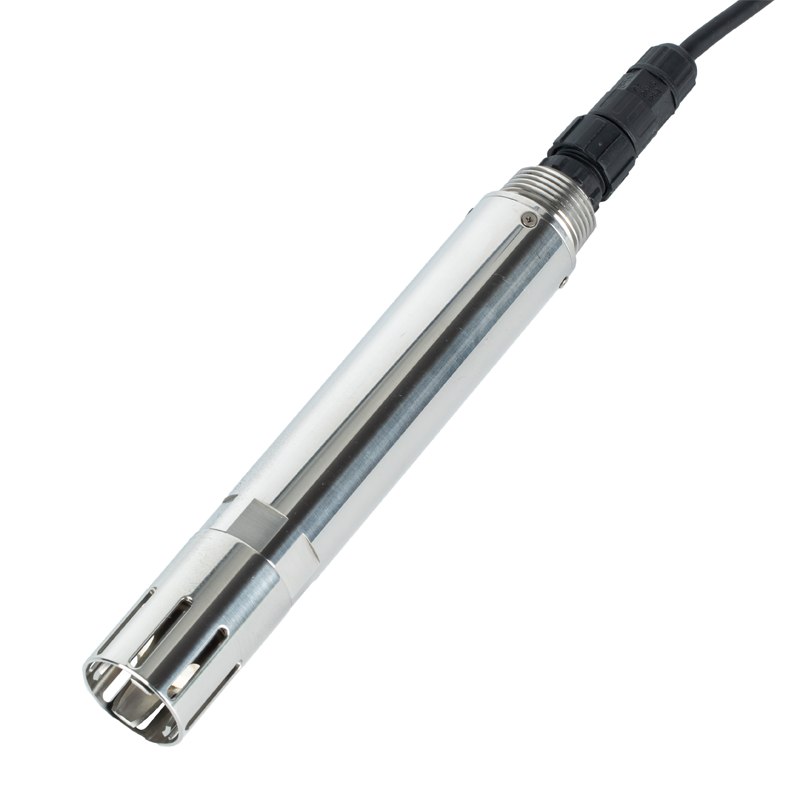
NiuBoL NBL-WQ-PH industrial online pH meter provides system integrators and engineering contractors with online pH monitoring solutions suitable for multiple industries such as wastewater treatment, boiler water treatment, pharmaceuticals, food and beverage, and chemicals, with mature glass electrode technology, reliable RS485 Modbus RTU communication capabilities, and IP68 high protection design. The product demonstrates balanced performance in compatibility, stability, and scalability, effectively reducing system integration difficulty and full lifecycle operation and maintenance costs.
For projects currently planning or upgrading water quality monitoring and process control systems, it is recommended to conduct on-site prototype testing based on specific medium characteristics, installation conditions, and control accuracy requirements to ensure optimal technical and economic performance. The NiuBoL series water quality sensors can form a complete solution to help engineering projects land efficiently.
 NBL-WQ-PH Online Water Quality pH Sensor.pdf
Related recommendations
Sensors & Weather Stations Catalog
Agriculture Sensors and Weather Stations Catalog-NiuBoL.pdf
Weather Stations Catalog-NiuBoL.pdf
Agriculture Sensors Catalog-NiuBoL.pdf
Water Quality Sensor Catalog-NiuBoL.pdf
Related products
 Combined air temperature and relative humidity sensor
 TDR Soil Moisture & Temperature Sensor for irrigation| RS485 |4-20mA| NBL-S-THR
 Soil pH sensor RS485 soil Testing instrument soil ph meter for agriculture |NBL-S-PH
 Wind Speed sensor Output Modbus/RS485/Analog/0-5V/4-20mA
 Tipping bucket rain gauge for weather monitoring auto rainfall sensor RS485/Outdoor/stainless steel
 Pyranometer Solar Radiation Sensor 4-20mA/RS485

Screenshot, WhatsApp to identify the QR code
WhatsApp number:+8615367865107
(Click on WhatsApp to copy and add friends)

