





— Blogs —
—Products—
 Consumer hotline +8618073152920
 WhatsApp:+8615367865107
Address:Room 102, District D, Houhu Industrial Park, Yuelu District, Changsha City, Hunan Province, China
Product knowledge
Time:2026-05-27 13:24:07 Popularity:383
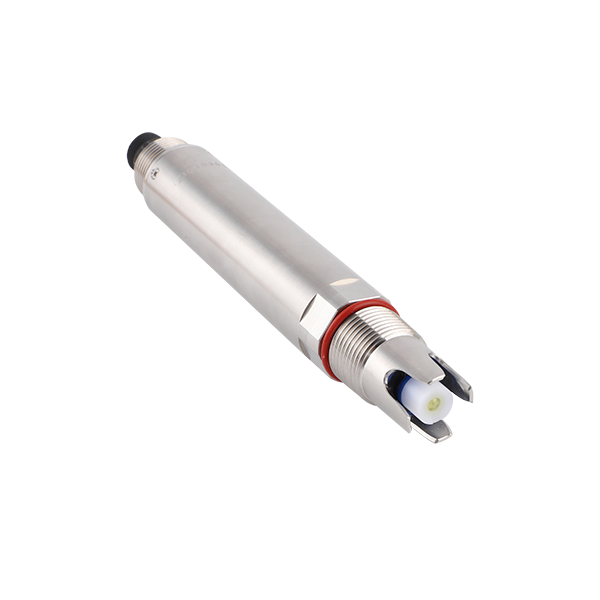
This article provides an in-depth analysis of the technical principles and engineering applications of the NiuBoL NBL-WQ-TSS integrated online suspended solids sensor for system integrators and industrial procurement personnel. Focuses on integration solutions in metallurgical wastewater, mine tailings, and municipal sewage treatment systems, covering RS485 Modbus RTU protocol compatibility, scattered light measurement advantages, and industrial-grade selection guide.
In modern industrial water treatment and environmental monitoring projects, real-time measurement of suspended solids (SS) holds significant engineering importance. Suspended solids are not only a core indicator of water pollution levels but also directly affect water transparency, aquatic organism metabolic environment, and the operational lifespan of industrial water pipelines.
For system integrators, IoT solution providers, and engineering contractors, selecting an online suspended solids sensor with high stability, strong anti-interference capability, and ease of integration into existing control systems is critical for ensuring the delivery quality of monitoring projects. The NiuBoL NBL-WQ-TSS sensor, with its digital output and scattered light principle, provides reliable underlying data support for various industrial sites.
In industrial wastewater treatment (such as papermaking, leather, mineral processing) and municipal sewage processes, monitoring requirements for suspended solids are highly specialized and differentiated:
Compliance Discharge Requirements: According to national "Integrated Wastewater Discharge Standards", different discharge levels have strict limits on suspended solids concentration (e.g., 70–400 mg/L). Automated monitoring systems must provide continuous, accurate data to meet environmental audits.
Process Optimization Requirements: In aeration tanks or sedimentation tanks of wastewater treatment plants, real-time knowledge of sludge concentration (MLSS/TSS) helps optimize reflux ratios and reduce chemical dosing costs.
Equipment Protection Requirements: Metal compounds and silt in metallurgical and mining wastewater, if not separated in time, will cause downstream pump wear and river channel sedimentation.
System integrators often face challenges such as complex on-site environments (high turbidity, ambient light interference, strong electromagnetic interference) and limited maintenance frequency when designing solutions, thus requiring sensing hardware with industrial-grade reliability.
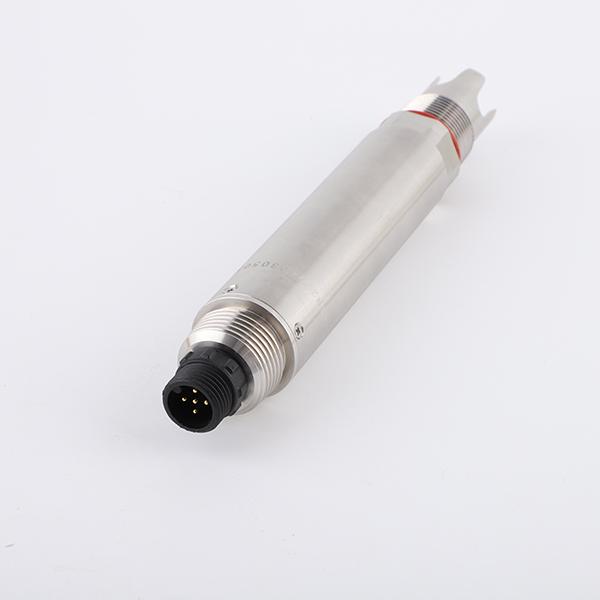
In typical industrial IoT or water quality monitoring systems, the NiuBoL NBL-WQ-TSS suspended solids sensor is at the core of the physical sensing layer.
Through its standard digital interface, the sensor can directly interface with the following system levels:
Data Acquisition End (PLC/RTU): The RS485 signal output can be directly connected to mainstream PLCs (Siemens, Schneider) or industrial RTUs.
Edge Computing Gateway: In smart water projects, sensor data converges to an edge gateway for preliminary linearization processing and outlier filtering.
SCADA/Cloud Platform: Final data flows to the central control room display or cloud management system, providing visual basis for engineering procurement decisions and daily operation maintenance.
In engineering practice, analog signals (e.g., 4-20mA) are highly susceptible to induced noise from high-power equipment over long-distance transmission. The NiuBoL NBL-WQ-TSS uses an RS485 physical interface and supports the standard Modbus RTU protocol, offering significant advantages in system integration:
Multi-device Networking: A single RS485 bus can host multiple sensor nodes, greatly reducing wiring complexity and engineering costs.
High-Reliability Data Transmission: The digital protocol includes a verification mechanism, ensuring data integrity and accuracy from sensor to host computer.
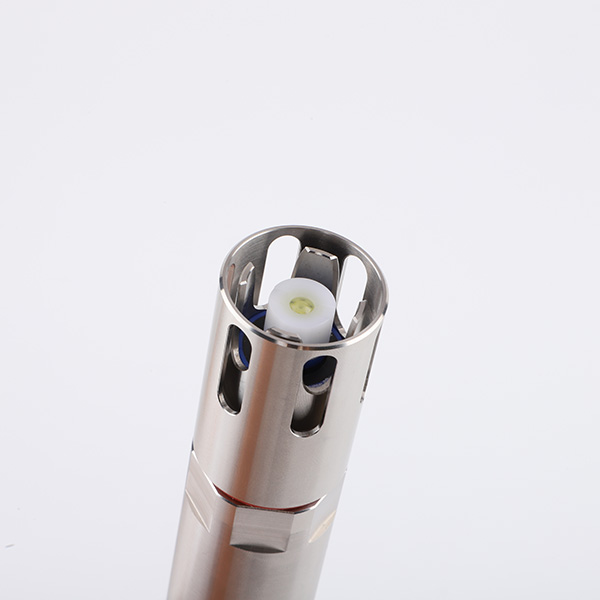
Fiber-Optic Structure Advantage: The sensor internally adopts a fiber-optic structure design combined with an infrared LED light source, effectively filtering external stray light interference, maintaining consistent output stability under both outdoor strong light and laboratory low-light conditions.
| Parameter | Specification |
|---|---|
| Product Model | NBL-WQ-TSS |
| Measurement Principle | 90° Scattered Light Method |
| Measuring Range | 0 ~ 2000.0 mg/L |
| Resolution | 0.1 mg/L |
| Accuracy | ±5% (depending on sludge homogeneity) |
| Response Time (T90) | < 30s |
| Output Signal | RS-485 (Modbus RTU) |
| Supply Voltage | 12 ~ 24V DC |
| Power Consumption | 0.2W @ 12V |
| Enclosure Material | POM, ABS (corrosion-resistant industrial grade) |
| Protection Rating | IP68 (supports 20m water depth) |
| Operating Conditions | 0 ~ 50°C, < 0.2MPa |
| Temperature Compensation | Automatic (built-in Pt1000) |
| Installation Method | Submersible, 3/4 NPT thread |
| Cable Length | Standard 5m (customizable) |
Scenario 1: Metallurgical and Mineral Processing Wastewater Monitoring
On-site Environmental Challenges: Extremely high suspended solids concentration in tailings water (up to 10^4 mg/L or higher), containing a large amount of metal oxides, chemically reactive, prone to physical wear on sensors.
System Integration Solution: Submersible installation, deploying NiuBoL sensor at sedimentation tank outlet. Real-time concentration feedback to dosing control system via RS485 interface.
User Value Realized: Automatic sedimentation effect monitoring, precise coagulant dosing, preventing high-concentration suspended solids from entering rivers and causing environmental penalties.
Scenario 2: Municipal Wastewater Treatment Plant Process Control
On-site Environmental Challenges: Aeration tanks contain many bubbles that easily adhere to the optical window, interfering with measurement.
System Integration Solution: Vertically install the sensor in a stable turbulence position. Use the sensor's fast response characteristic (<30s) to monitor sludge concentration changes in real time.
User Value Realized: Improve process stability, reduce manual sampling and testing workload, ensure effluent SS indicators meet standards.
Scenario 3: River Sections and Lake Reservoir Monitoring
On-site Environmental Challenges: Large variations in ambient light, sensor requires long-term unattended operation with strict power consumption requirements.
System Integration Solution: Sensor powered by low-power RTU, using infrared LED scattering principle to avoid visible light interference.
User Value Realized: Provide long-term, stable surface water transparency reference data, early warning of siltation and anaerobic fermentation risks.
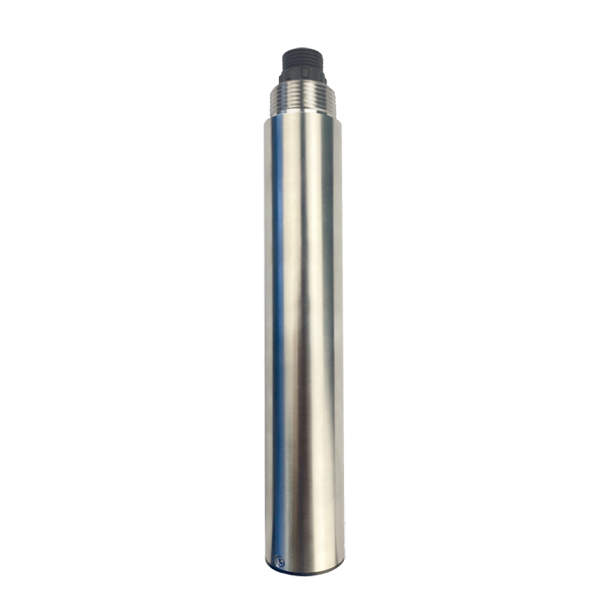
When faced with different brands and models of suspended solids sensors, procurement personnel are advised to evaluate along the following dimensions:
Range and Accuracy Matching: For discharge outlet monitoring, a 0–2000 mg/L range meets most industrial scenarios; for low turbidity environments such as waterworks, confirm the lower detection limit.
Communication Method Consistency: Prioritize RS485 digital signals. Compared to analog signals, it is not only anti-interference but also allows obtaining device diagnostic information via protocol.
Installation Environment Adaptability: Determine whether the installation is pipe-type or open-channel submersible. NiuBoL NBL-WQ-TSS standard 3/4 NPT thread offers excellent compatibility.
Power Supply Redundancy: For industrial sites, choose products that support 12–24V wide voltage input to adapt to different switching power supplies or battery systems.
Window Bubble Elimination: During installation, ensure no bubbles are generated at the sensor's front measurement window. Bubbles produce scattered signals that cause falsely high readings.
Wall Effect Avoidance: The sensor front should maintain at least 10cm distance from the tank bottom or sidewall to prevent reflected light from interfering with the optical path.
Cable Protection: Although the sensor has IP68 protection, in high-current environments, cables should be run through metal conduits for shielding, and the cable should not be overly taut to prevent internal breakage.
Regular Maintenance Cycle: Depending on the biological fouling rate on-site, clean the measurement window with a soft cloth and detergent every 1–3 months to maintain high accuracy.
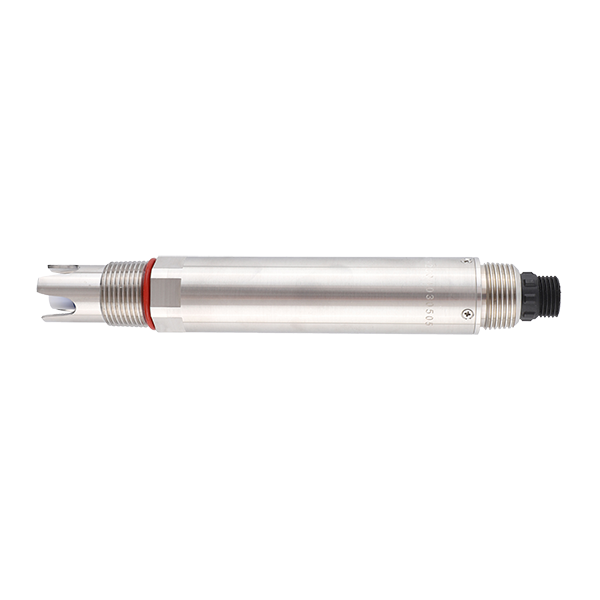
Technical Questions
Q1: What is the difference between scattered light principle and transmitted light principle?
A: The scattered light method (especially backscatter) is more advantageous for high-concentration suspended solids and sludge monitoring, with better linearity and color interference resistance than the transmitted light method.
Q2: How does the sensor handle measurement errors caused by temperature?
A: NiuBoL NBL-WQ-TSS has a built-in Pt1000 temperature sensor and performs automatic temperature compensation through internal circuitry, eliminating the effect of thermal motion on optical characteristics.
Q3: Can this sensor measure substances of different particle sizes?
A: Yes. However, because the scattering characteristics of different suspended solids vary, it is recommended to perform slope calibration based on on-site water samples at the time of first installation.
Selection Questions
Q4: Is the POM housing material of NBL-WQ-TSS resistant to strong acids and alkalis?
A: POM (polyoxymethylene) has excellent mechanical strength and solvent resistance. For strongly oxidizing or extreme acid/alkali environments, consult technical staff for evaluation of specific conditions.
Q5: Does it support wireless transmission?
A: The sensor itself outputs standard RS485; it can achieve 4G/5G wireless deployment by connecting to a third-party DTU module.
Q6: Is the 30s response time sufficient for automatic control requirements?
A: The T90 response time of 30s is much faster than the lag time of most industrial water treatment processes, fully meeting closed-loop control requirements.
Procurement/Project Questions
Q7: Does the product come with a calibration certificate?
A: Each sensor is calibrated with standard suspension before leaving the factory, and factory inspection reports can be provided based on project requirements.
Q8: What is the delivery lead time and after-sales policy for bulk purchases?
A: NiuBoL maintains stable stock levels. Professional online technical support and warranty services are provided for system integrators; specific delivery time depends on order size.
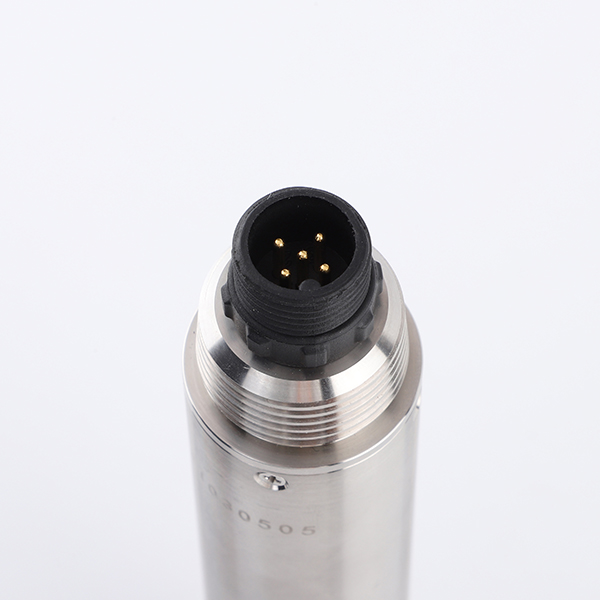
For industrial procurement personnel, the selection of online suspended solids sensors should not focus solely on price but also on life-cycle cost in specific industrial environments. The NiuBoL NBL-WQ-TSS sensor solves signal interference problems through RS485 digital output, enhances durability with IP68 design and POM material, and the 0.2W low power consumption opens more possibilities for remote monitoring stations.
When designing water treatment system solutions, integrating a TSS sensor that is perfectly compatible with PLC and has a simple maintenance logic will significantly improve project delivery efficiency and end-user satisfaction.
 NBL-WQ-TSS-408S Suspended Solids Sensor.pdf
Related recommendations
Sensors & Weather Stations Catalog
Agriculture Sensors and Weather Stations Catalog-NiuBoL.pdf
Weather Stations Catalog-NiuBoL.pdf
Agriculture Sensors Catalog-NiuBoL.pdf
Water Quality Sensor Catalog-NiuBoL.pdf
Related products
 Combined air temperature and relative humidity sensor
 TDR Soil Moisture & Temperature Sensor for irrigation| RS485 |4-20mA| NBL-S-THR
 Soil pH sensor RS485 soil Testing instrument soil ph meter for agriculture |NBL-S-PH
 Wind Speed sensor Output Modbus/RS485/Analog/0-5V/4-20mA
 Tipping bucket rain gauge for weather monitoring auto rainfall sensor RS485/Outdoor/stainless steel
 Pyranometer Solar Radiation Sensor 4-20mA/RS485

Screenshot, WhatsApp to identify the QR code
WhatsApp number:+8615367865107
(Click on WhatsApp to copy and add friends)

