





— Blogs —
—Products—
 Consumer hotline +8618073152920
WhatsApp:+8615367865107
Address:Room 102, District D, Houhu Industrial Park, Yuelu District, Changsha City, Hunan Province, China
Product knowledge
Time:2024-12-17 14:46:40 Popularity:1665
Water monitoring equipment applications differ because the operating decisions differ. A groundwater project may need level trends and targeted chemistry, a fish farm may need timely oxygen observations, and a treatment plant may need process measurements plus separate discharge testing. Select the measuring point, method and response for each application; the same list of sensor names does not define an interchangeable system.
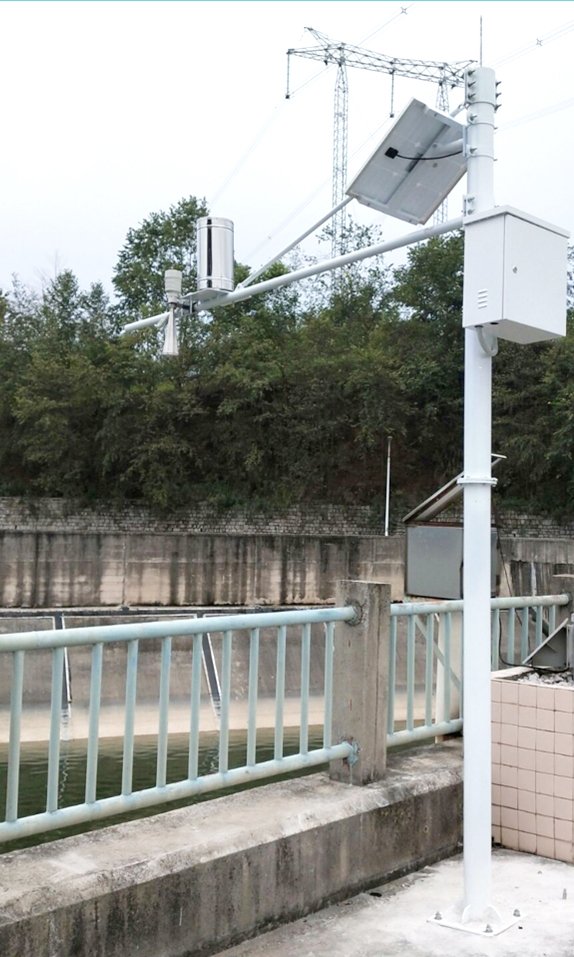
Water monitoring equipment can measure water quantity, selected aspects of water quality or both. A river station may combine rainfall and level with water-quality instruments, while a process installation may have no need for a rain gauge. Keep the purpose of each channel visible when evaluating a supplier's proposed package.
| Application | Decision supported | Important distinction |
|---|---|---|
| Groundwater | Track level response or investigate defined constituents | A well-level record and a chemical analysis are separate observations |
| Rivers and reservoirs | Assess changing quantity, quality and relevant inflows | One bank-side point may not represent every depth or tributary |
| Water treatment and distribution | Observe defined treatment and supply conditions | Online pH or chlorine does not establish every drinking-water requirement |
| Industrial water | Operate a process or assess a discharge | A control signal and a formal analytical result can have different duties |
| Irrigation and aquaculture | Manage a particular water use | The relevant chemistry, locations and response times differ between uses |
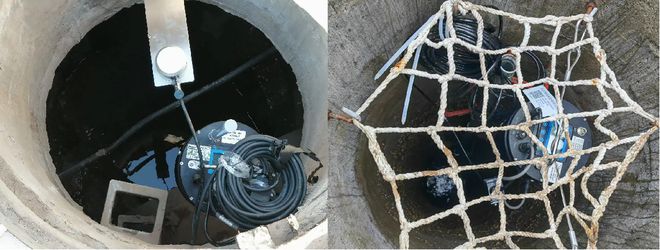
For quantity monitoring, identify whether the required result is depth below a measuring point, water elevation or height above an immersed pressure probe. Retain the reference and relevant pumping conditions. A changed reading during abstraction may reflect local operation rather than a regional change in the aquifer.
For quality monitoring, define the constituent, sampling point and method. A probe in a well, a flowing sample at the wellhead and a laboratory sample do not necessarily represent identical conditions. Investigating ammonia, metals or microorganisms requires suitable methods for those targets, not an assumption that level and conductivity establish groundwater safety.
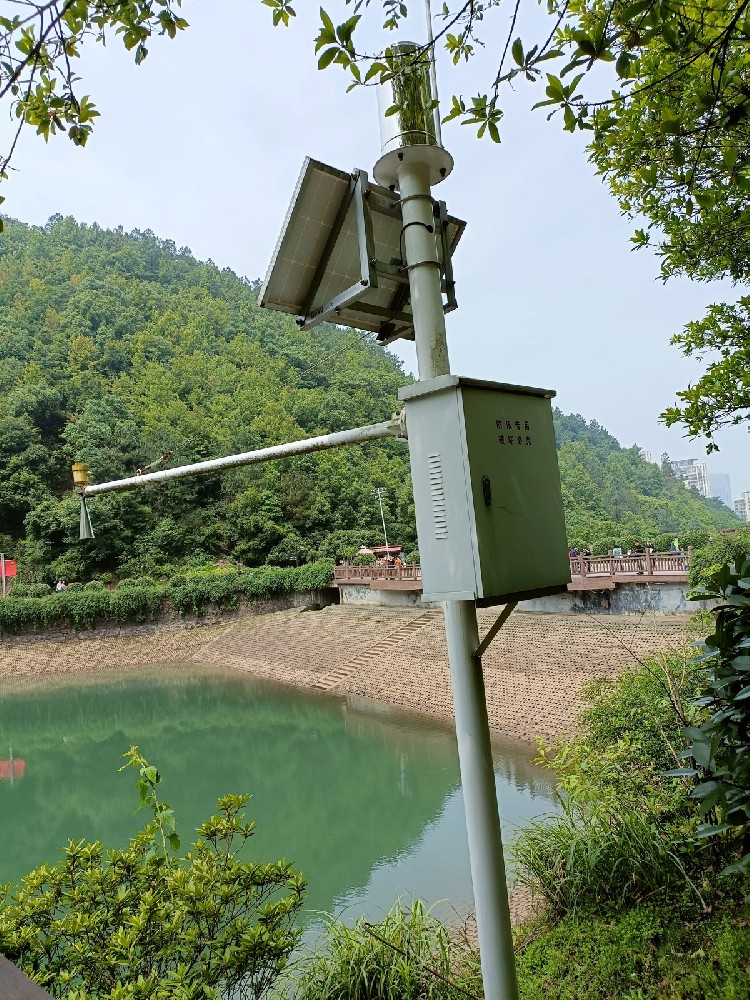
River and reservoir projects may combine level, flow, temperature, oxygen and other measurements. Their placement follows different questions. An intake observation can help an operator, while ecological work may need additional locations, depths or sampling periods. A convenient solar-powered mast is an acquisition point, not proof of whole-reservoir coverage.
Keep concentrations separate from material loads and level separate from discharge. A nutrient concentration requires a defined analytical method; a load calculation also needs suitable flow information over the relevant period. Rainfall and weather observations provide context but cannot replace the missing water-quality or hydraulic measurement.
Turbidity, residual chlorine, pH and conductivity can be useful at appropriate stages of treatment or distribution. Select the point from the process: raw source water, a treatment stage, finished water and a network location are different duties. Include sample transport and flow-cell behavior where water is taken to an analyser.
No small set of online channels proves that water meets every applicable requirement or is safe for every use. Identify separate microbial, chemical and other required analyses with the responsible water-quality team. After an incident or natural disaster, routine normal readings should not be presented as clearance of all possible contamination.
For project quotations, distinguish the instrument, sample conditioning, installation and analytical programme. An online monitoring package and the service needed to assess a water supply are not the same purchase.
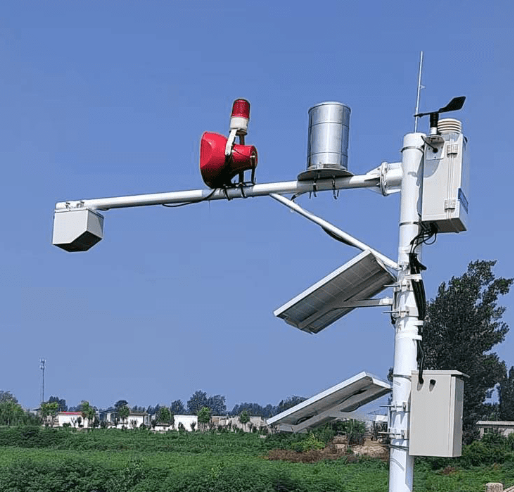
In wastewater treatment, pH and oxygen can support operation, while solids, organic-load indicators or specific contaminants may require other methods. Specify whether a result is used for control, investigation or discharge assessment. Do not treat a general multiparameter probe as an analyser for BOD, every metal and all nitrogen or phosphorus fractions.
In cooling-water systems, conductivity can inform concentration-related management alongside the relevant treatment programme. It is not a direct assay of every scale-forming or corrosive constituent. An operating change should follow a valid result and process assessment, not an unqualified promise that adding sensors extends equipment life or reduces cost.
An irrigation-water measurement concerns the source or delivered water. A soil probe concerns the root zone around its electrodes. These observations can be useful together, but water conductivity, bulk-soil conductivity and a laboratory extract result should not be merged as the same quantity.
Choose additional water tests from the actual source and intended crop or process. An online pH or EC channel does not itself establish suitability for every irrigation use. Keep the agricultural assessment and any targeted analysis separate from the supply of a sensor and logger.
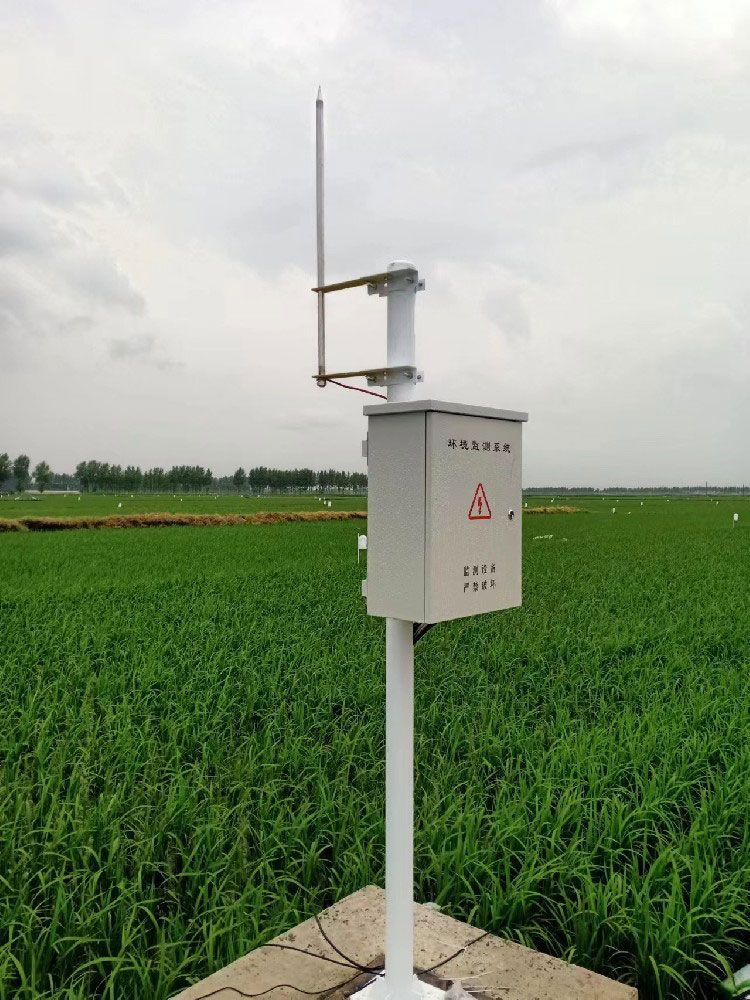
An oxygen channel can help staff recognise changes at a particular pond or tank position. Depth, circulation, aeration and operating conditions affect what it represents. Decide which observations matter and who responds before treating a single live value as a description of the whole farm.
Ammonia-related results, nitrite and other water-quality questions need their own suitable methods and reporting basis. A dissolved oxygen probe does not measure those constituents. The aquaculture monitoring plan should identify routine channels and the targeted tests used alongside them.
| Example | Relevant specification | Application implication |
|---|---|---|
| NBL-WQ-DO-4S oxygen measurement | 0-20.00 mg/L; stated accuracy +/-2% F.S.; 0.01 mg/L resolution | Choose the oxygen duty and range; this is not a nutrient or microbial analysis |
| NBL-WQ-DO-4S installation and power | Immersion; DC 12-24 V; 0.2 W at 12 V; IP68; working conditions 0-45 C and <0.2 MPa | Check temperature, pressure, materials and access at the actual point |
| NBL-WQ-DO-4S communications | RS485 Modbus RTU; optional 4-20 mA | Specify the delivered version and compatible receiver |
| NBL-L-WLPS level transmitter | Selectable range; DC 10-30 V; maximum 0.2 W; RS485 Modbus RTU; IP68 | Define range and pressure reference separately from any quality-monitoring task |
The NiuBoL NBL-WQ-DO-4S uses optical fluorescence and does not require electrolyte. It still needs suitable inspection, cleaning, calibration checks and cap care. The NBL-L-WLPS measures hydrostatic level, not water chemistry. Neither example should be promoted as a universal replacement for all instruments at another type of site.
Research projects need defined methods and records that support the study question. Teaching installations can demonstrate observations and limitations without claiming regulatory status. Pool and amenity-water monitoring likewise needs the parameters, sampling and response procedures relevant to its purpose, rather than a generic statement that clear water is hygienically acceptable.
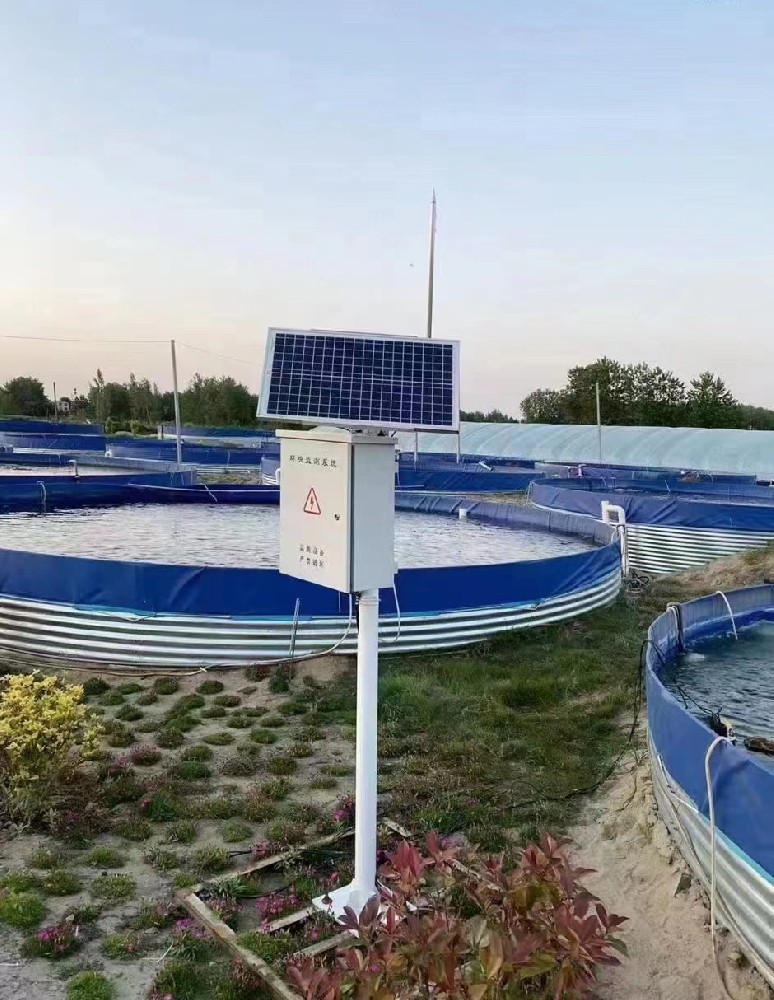
The installation scenes illustrate different physical environments, not a common validated configuration. For exposed banks, tanks or ponds, include secure mounting, safe service access and the point represented by the immersed instrument. Do not infer fitted channels or project performance from a cabinet photograph.
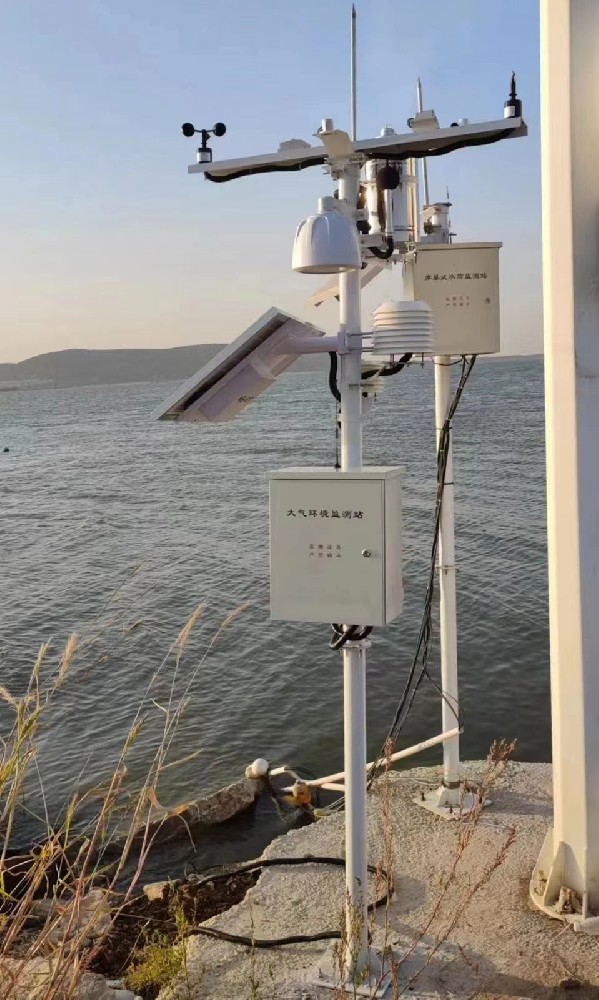
State the water use, decision, measured quantities, expected conditions and physical point. Identify which work belongs to online sensing and which needs sampling or laboratory analysis. Then request the appropriate probes, acquisition, power, communications and installation items from NiuBoL.
Where PLC, RTU or data logger integration is required, supply the available inputs and receiving format. Confirm selected RS485 Modbus RTU registers or analog scaling rather than assume all probes behave alike. Compare quotations for the same operating duty, including maintenance access and separate analytical services where needed.

Not without reassessment. The required result, water conditions, installation and response can differ substantially. Some components may be reusable while the sensing methods or sample arrangement must change.
No. It measures a hydraulic quantity. Quality assessment requires the appropriate field measurements and analytical methods for the constituents being investigated.
No. They cover particular operational quantities, not every potential hazard or required analysis. Use the applicable assessment programme and responsible professional review.
No. Oxygen, ammonia-related quantities and nitrite are different measurements. Define each required channel and its analytical basis before selecting equipment.
They should address the same point, quantities, range, water conditions, receiver and installation scope. Separate online equipment from sample systems, analytical services and any control functions.
Water monitoring equipment applications are defined by the decisions made at the site. Keep quantity and quality, process signals and analytical assurance, and sensor supply and wider services distinct. A clearly described operating duty helps NiuBoL propose relevant equipment without adding channels that do not answer the customer's question.
Prev:Hydrology Apparatus: Measuring Instruments, Samplers and Supporting Equipment
Next:Hydrometeorological Hazard Monitoring Tools: Match Instruments to Evidence Gaps
Related recommendations
Sensors & Weather Stations Catalog
 Agriculture Sensors and Weather Stations Catalog-NiuBoL.pdf
Weather Stations Catalog-NiuBoL.pdf
Agriculture Sensors Catalog-NiuBoL.pdf
Water Quality Sensor Catalog-NiuBoL.pdf
Related products
 Combined air temperature and relative humidity sensor
 TDR Soil Moisture & Temperature Sensor for irrigation| RS485 |4-20mA| NBL-S-THR
 Soil pH sensor RS485 soil Testing instrument soil ph meter for agriculture |NBL-S-PH
 Wind Speed sensor Output Modbus/RS485/Analog/0-5V/4-20mA
 Tipping bucket rain gauge for weather monitoring auto rainfall sensor RS485/Outdoor/stainless steel
 Pyranometer Solar Radiation Sensor 4-20mA/RS485


Screenshot, WhatsApp to identify the QR code
WhatsApp number:+8615367865107
(Click on WhatsApp to copy and add friends)

