





— Blogs —
—Products—
 Consumer hotline +8618073152920
 WhatsApp:+8615367865107
Address:Room 102, District D, Houhu Industrial Park, Yuelu District, Changsha City, Hunan Province, China
Product knowledge
Time:2026-03-26 11:21:53 Popularity:655
In the ecosystem of Industrial Internet of Things (IIoT) and smart city construction, the accuracy and transmission stability of meteorological data are the cornerstone of ensuring business continuity. Small-scale Automatic Weather Station (AWS) has gone beyond the scope of traditional observation tools and has become an industrial-grade sensing node integrating high-precision perception, edge computing and multi-protocol transmission.
As an independent R&D brand deeply engaged in the field of meteorological and environmental monitoring, NiuBoL is committed to providing modular and scalable monitoring solutions for global industrial, agricultural, transportation and scientific research users. This article will deeply analyze the commercial application value of small weather stations from the perspectives of technical architecture, integration standards and core scenarios.
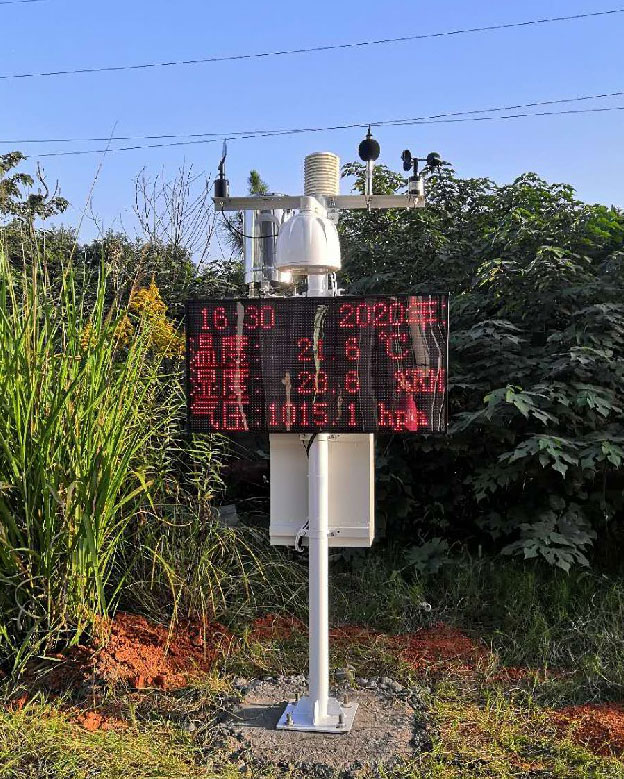
The design of high-performance small weather stations follows the closed-loop logic of “perception–processing–transmission”. NiuBoL adopts an embedded modular design to ensure that the system can flexibly add or reduce elements according to specific project requirements.
1. Core Perception Layer (Sensors)
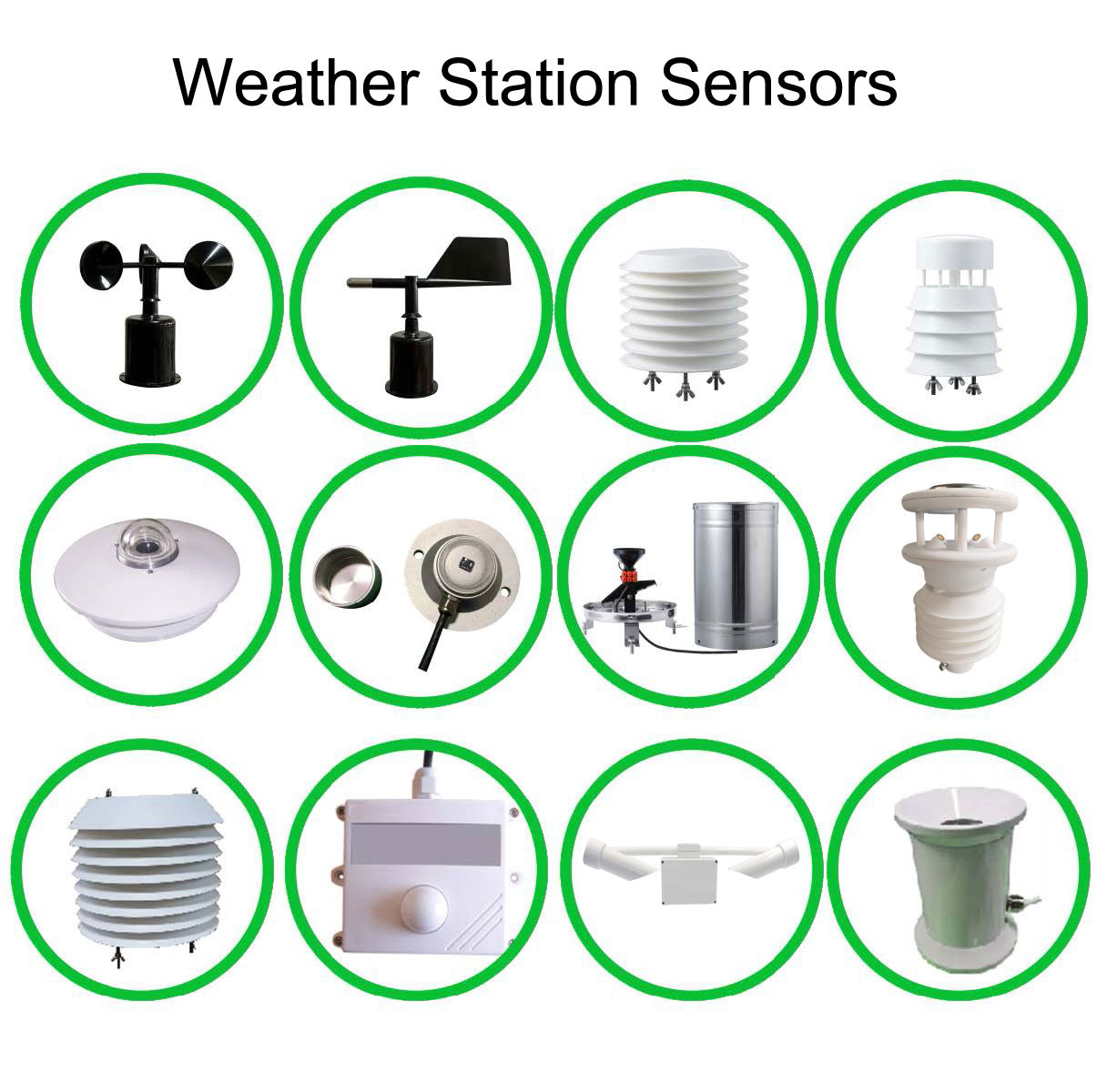
Sensors are the nerve endings of the entire system. We use high-sensitivity, low-drift industrial-grade sensors, covering:
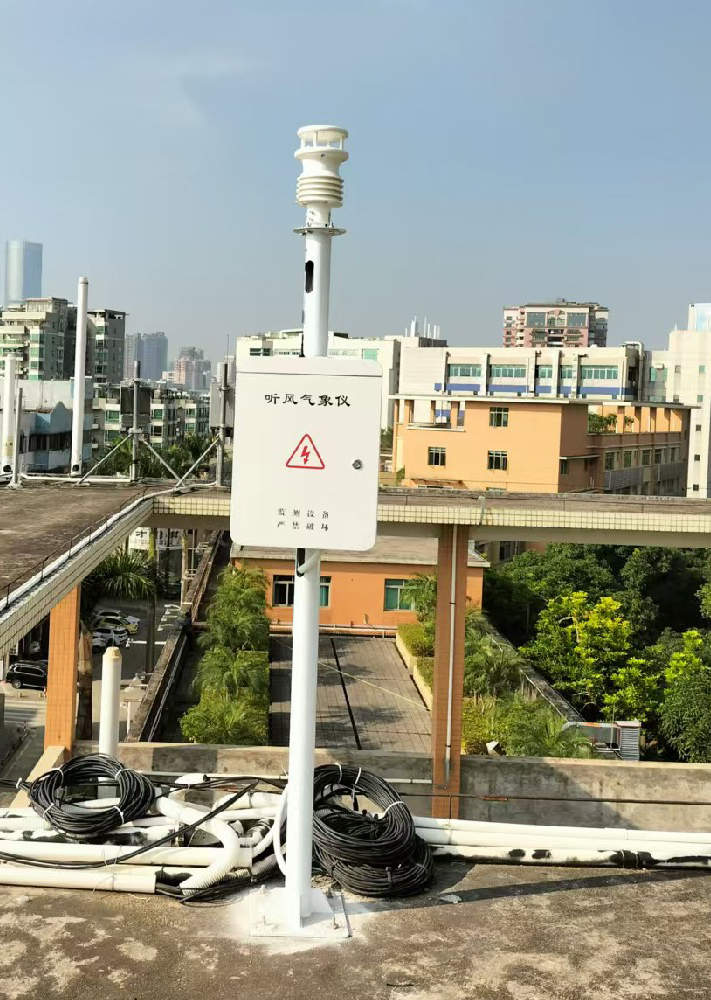
Temperature and humidity sensor: Uses polymer film capacitive technology with multiple anti-radiation filter covers (louver box) to ensure data authenticity under direct sunlight.
Wind direction and speed sensor: Offers mechanical (high-strength ABS/aluminum alloy) and ultrasonic (no moving parts) options to meet different needs from conventional monitoring to polar cold environments.
Soil monitoring module: Based on Frequency Domain Reflectometry (FDR) principle, it obtains real-time soil temperature, humidity and electrical conductivity (EC value).
2. Data Processing and Storage (Data Logger)
NiuBoL meteorological data collector adopts a 32-bit ARM high-speed processing chip and supports:
Local storage: Built-in large-capacity memory with cyclic recording to ensure data is not lost during network disconnection.
Local display: Industrial-grade LCD screen design allows on-site parameter setting and real-time value verification.
3. Communication and Protocol Standards
To ensure seamless docking with users’ existing SCADA or ERP systems, the system supports mainstream industrial protocols:
RS485 (Modbus-RTU): The most commonly used fieldbus standard with strong anti-interference ability.
MQTT/HTTP: Direct connection to cloud servers, suitable for large-scale deployment.
Wireless links: Supports 4G/5G, GPRS and other long-distance wireless telemetry technologies.
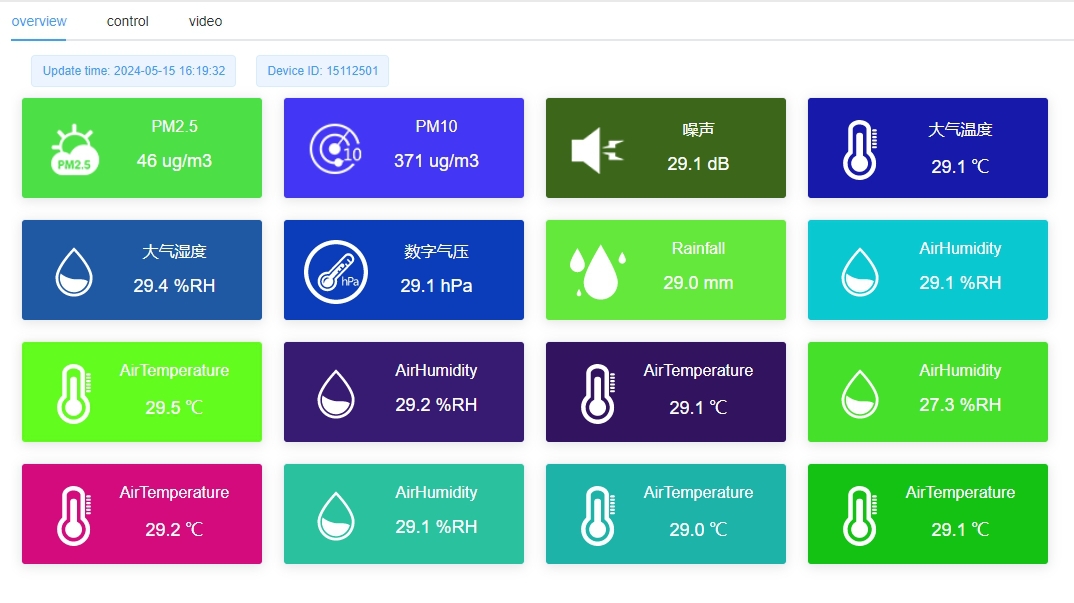
In weather station procurement, the certainty of parameters is the primary criterion for evaluating supplier capabilities. The following is the standard configuration list of NiuBoL automatic meteorological monitoring system:
| Monitoring Element | Technical Principle | Range | Signal Output |
|---|---|---|---|
| Wind Speed | Mechanical / Ultrasonic | 0 ~ 60 m/s | RS485 / 4-20mA |
| Wind Direction | Magnetic induction / Ultrasonic | 0 ~ 360° | RS485 / 0-5V |
| Air Temperature | PT100 / Digital probe | -40 ~ 85°C | RS485 (Modbus) |
| Air Humidity | Capacitive sensing | 0 ~ 100% RH | RS485 (Modbus) |
| Rainfall | Single/Double tipping bucket | 0 ~ 4 mm/min | Pulse / RS485 |
| Light Intensity | Silicon photocell | 0 ~ 200,000 Lux | RS485 / 0-10V |
| Carbon Dioxide | Infrared absorption (NDIR) | 0 ~ 5000 ppm | RS485 |
| Soil Moisture | FDR frequency domain | 0 ~ 100% | RS485 |
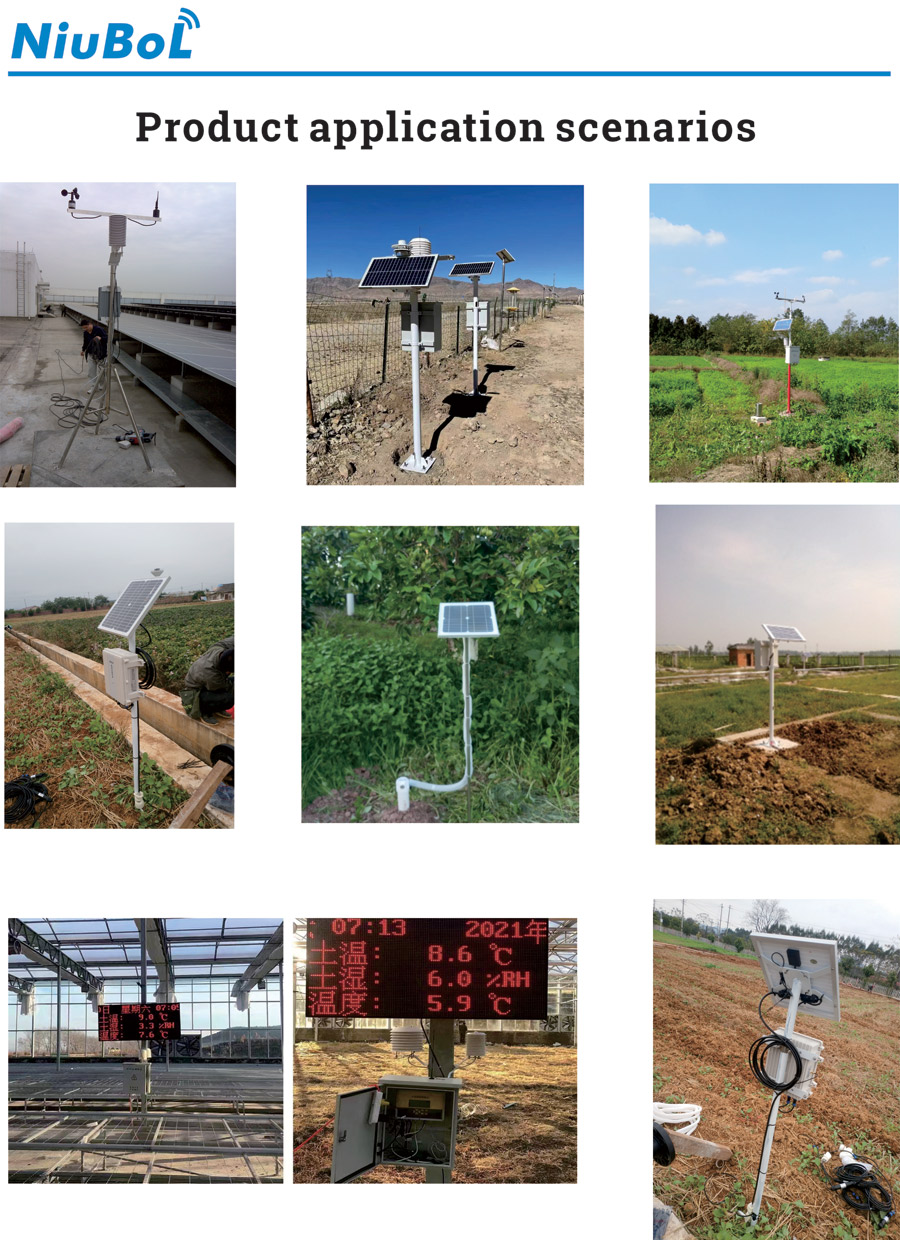
1. Smart Agriculture: From “Experience-based Farming” to “Data-driven Decision-making”
In modern greenhouses and field planting, NiuBoL weather stations help producers build accurate crop growth models by integrating photosynthetically active radiation (PAR) and soil NPK sensors. Through real-time monitoring of transpiration data, the system can automatically link with automated irrigation controllers to achieve “on-demand distribution”, significantly reducing waste of chemical fertilizers and water resources.
2. Airports and Transportation Hubs: Visibility and Microclimate Early Warning
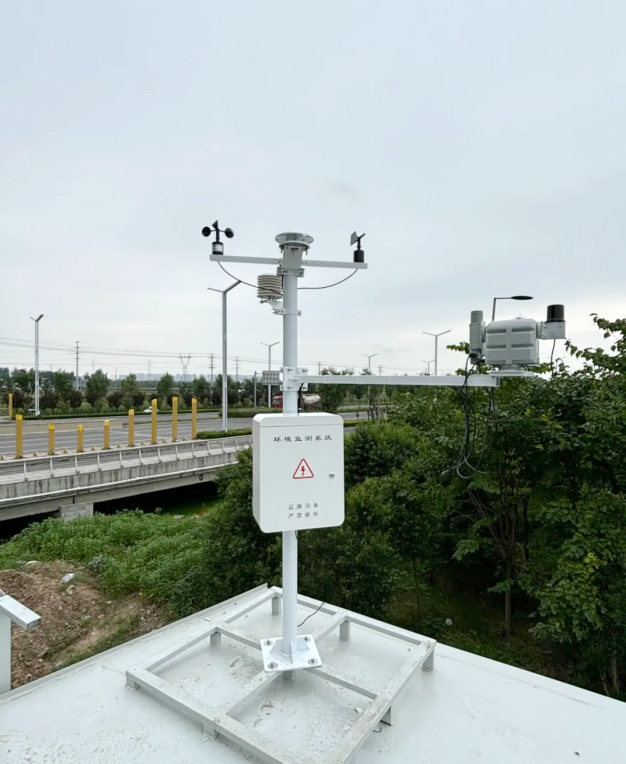
Airport flight areas and highways are easily affected by local microclimates (such as patchy fog). Small weather stations installed on the runway flanks can provide real-time air pressure, visibility and crosswind data. These data are transmitted back to the air traffic control system in seconds via wireless networks, effectively preventing aviation accidents or traffic congestion caused by sudden meteorological changes.
3. Power and New Energy: Efficiency Optimization of Photovoltaic/Wind Power Plants
In photovoltaic power stations, the temperature and light radiation intensity on the surface of modules directly determine power generation efficiency. NiuBoL’s distributed monitoring solution helps station managers monitor environmental impact factors in real time. By comparing theoretical power generation with actual output, it can promptly detect panel dust accumulation or faults and improve overall operation and maintenance ROI.
4. Industrial Park Environmental Protection: Pollution Diffusion Modeling
Chemical parks have a high dependence on wind direction, wind speed and atmospheric stability. In the event of a sudden gas leak, the underlying meteorological parameters provided by small weather stations are key variables for calculating the pollution plume diffusion range (Plume Model), assisting emergency management departments in delineating evacuation areas at the first time.
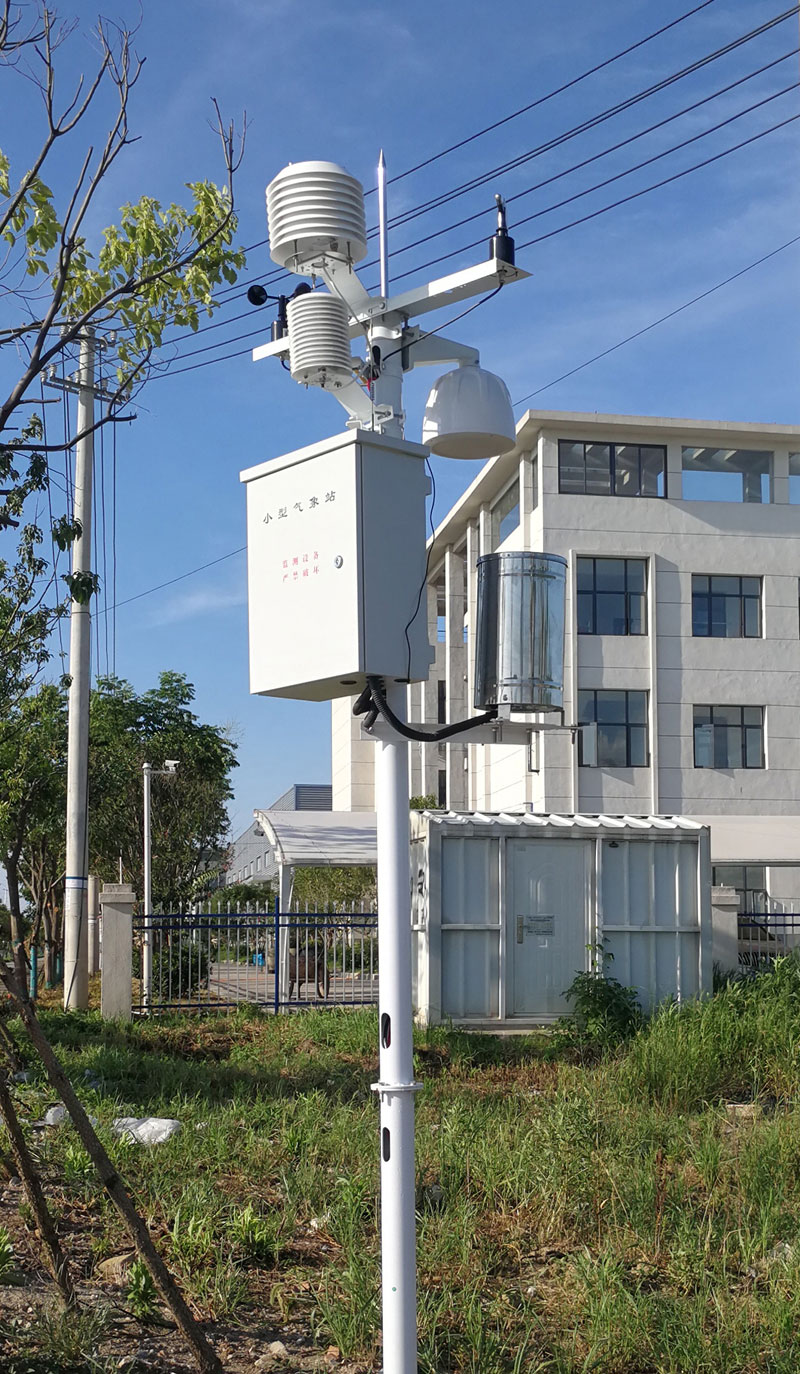
Fully Independent R&D Chain: From underlying sensor chip packaging to cloud software development, NiuBoL masters the core technologies of the entire chain and supports deep OEM/ODM customization.
Harsh Environment Adaptability: Products have passed high and low temperature cycle tests, salt spray corrosion tests and lightning strike impact tests, ensuring stable operation in coastal areas, deserts or high-altitude regions.
Minimalist Installation and Maintenance: Uses quick aviation plug connections and lightweight aluminum alloy brackets. Non-professional technicians can complete the deployment of the entire station within 30 minutes.
Data Security Assurance: The cloud platform provides private deployment options with multi-level data permission management to meet the security and compliance requirements of large state-owned enterprises or scientific research institutions.
Q1: What is the core advantage of small weather stations compared to traditional louver box observations?
A: The core lies in real-time performance and automation. Traditional louver boxes rely on manual timed readings, while NiuBoL automatic weather stations support second-level sampling and minute-level upload, and can automatically generate daily/monthly/annual statistical reports, completely eliminating human error and labor costs.
Q2: How to configure sensors according to project requirements?
A: Our system supports “plug and play”. If your project focuses on flood prevention, rainfall and water level sensors should be strengthened; if it focuses on agriculture, light and five soil parameters should be prioritized. NiuBoL technical team can provide recommended configurations according to industry standards.
Q3: How does the equipment continue to work in remote areas without mains power?
A: We provide mature solar power supply systems (60W-100W optional), combined with industrial-grade maintenance-free batteries or lithium battery packs. In extreme rainy conditions with 7-10 consecutive days without light, the system can still ensure normal data collection and transmission.
Q4: How to choose between RS485 and 4G communication in application?
A: RS485 is suitable for industrial sites with existing control rooms and wiring distances within 1000 meters; 4G/5G is suitable for widely distributed scenarios where wiring is inconvenient. NiuBoL collectors usually have both capabilities and provide redundant backup.
Q5: How to calibrate sensors after drift occurs?
A: We recommend periodic maintenance every 1-2 years.
Q6: How is the system’s anti-interference ability? Can it be installed in strong electromagnetic environments (such as substations)?
A: The system has passed industrial-grade EMC testing during the design stage. Sensor housings use shielding treatment and signal lines are equipped with surge protectors, making it very suitable for micro-meteorological monitoring in power systems.
Q7: Is NiuBoL’s cloud platform charged? Does it support third-party access?
A: We provide a basic version of the cloud platform service for customers to get started quickly. At the same time, we fully open API interfaces and communication protocols to support customers in connecting data to their own smart city or IoT platforms.
Q8: Is the equipment maintenance frequency high?
A: Extremely low. Due to the use of no-moving-part designs (such as ultrasonic wind speed sensors) or highly reliable mechanical structures, only regular cleaning of fallen leaves in the rain gauge funnel and dust on sensor surfaces is required.
In today’s pursuit of refined management, small automatic weather stations have become the “standard configuration” for digital transformation in various industries. NiuBoL always adheres to technological innovation as the core and assists customers in extracting value from complex environmental data by providing high-precision, highly reliable and easy-to-integrate monitoring equipment.
Whether it is quality improvement and efficiency enhancement in agricultural production or risk prevention and control in industrial safety, NiuBoL is a trustworthy technical partner for you.
Next Step:
If you need detailed configuration recommendations and quotations for specific projects (such as “smart orchard” or “traffic fog prevention system”), please feel free to contact our technical support team. We can provide you with customized PDF technical solutions and installation drawings.
Related recommendations
Sensors & Weather Stations Catalog
 Agriculture Sensors and Weather Stations Catalog-NiuBoL.pdf
Weather Stations Catalog-NiuBoL.pdf
Agriculture Sensors Catalog-NiuBoL.pdf
Water Quality Sensor Catalog-NiuBoL.pdf
Related products
 Combined air temperature and relative humidity sensor
 TDR Soil Moisture & Temperature Sensor for irrigation| RS485 |4-20mA| NBL-S-THR
 Soil pH sensor RS485 soil Testing instrument soil ph meter for agriculture |NBL-S-PH
 Wind Speed sensor Output Modbus/RS485/Analog/0-5V/4-20mA
 Tipping bucket rain gauge for weather monitoring auto rainfall sensor RS485/Outdoor/stainless steel
 Pyranometer Solar Radiation Sensor 4-20mA/RS485

Screenshot, WhatsApp to identify the QR code
WhatsApp number:+8615367865107
(Click on WhatsApp to copy and add friends)

