





— Blogs —
—Products—
 Consumer hotline +8618073152920
 WhatsApp:+8615367865107
Address:Room 102, District D, Houhu Industrial Park, Yuelu District, Changsha City, Hunan Province, China
Product knowledge
Time:2026-03-26 11:30:07 Popularity:622
With the deep integration of Internet of Things (IoT) and big data technology, meteorological observation has fully entered the era of automation. As the core terminal for obtaining atmospheric physical parameters, the stability and data accuracy of Automatic Weather Station (AWS) are directly related to disaster prevention and mitigation, smart agriculture and the safety of industrial and mining production.
NiuBoL, as a meteorological monitoring equipment manufacturer, is committed to providing high-precision integrated solutions that meet the standards of the World Meteorological Organization (WMO). This article aims to provide in-depth technical reference for weather station purchasers and system integrators.
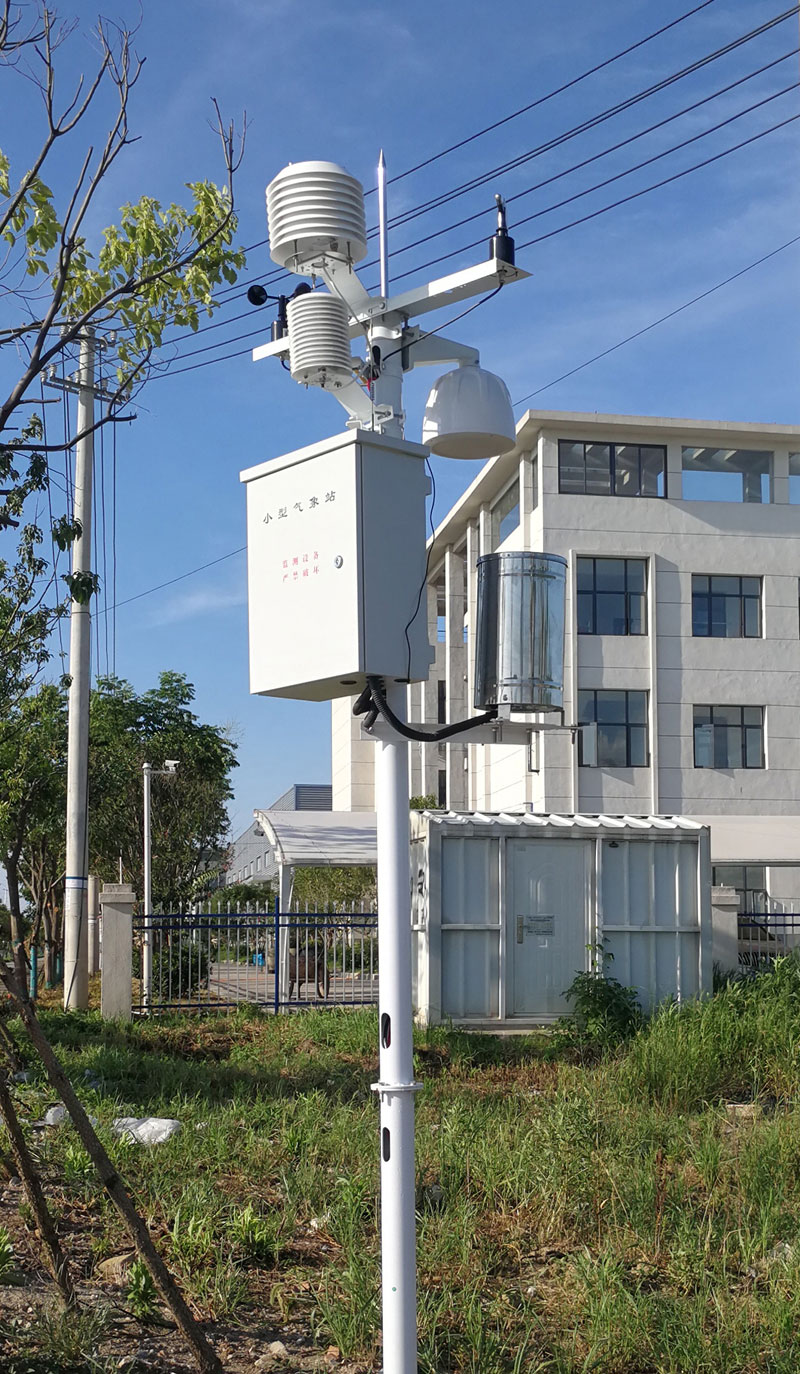
A standard industrial-grade automatic weather station is a closed-loop system composed of sensing layer, acquisition layer, communication layer and application layer.
1. Core Sensing Layer: High-precision Meteorological Sensors
Sensors are the source of system perception. NiuBoL uses high-sensitivity, low-drift industrial-grade probes to ensure stable electrical signal output in extreme environments.
| Monitoring Element | Sensor Type / Working Principle | Industrial Application Value |
|---|---|---|
| Atmospheric Pressure | Vibrating cylinder / Diaphragm capacitive sensor | Cyclone monitoring, high-altitude operation safety warning |
| Air Temperature & Humidity | Platinum resistance (Pt100) / Capacitive humidity sensor | Microclimate analysis, warehouse environment control |
| Wind Direction & Speed | Mechanical (single-wing / three-cup) or ultrasonic | Tower crane operation, wind farm efficiency evaluation |
| Rainfall | Tipping bucket / Piezoelectric rain gauge | Urban waterlogging warning, precise irrigation decision |
| Soil Temperature & Humidity | Platinum resistance / FDR frequency domain reflection | Crop physiological research, landslide warning |
2. Data Logger (RTU): The Core Brain of the System
The data logger is responsible for sampling, filtering and logical operations of raw analog/digital signals. NiuBoL data logger has the following technical specifications:
High-performance algorithm: Strictly follows WMO meteorological sampling frequency standards, supporting moving average and extreme value capture.
Redundant storage: Supports local large-capacity storage to ensure at least 3-7 days of minute-by-minute detailed reports are stored even during communication interruption.
Industrial-grade power consumption: Optimized power management protocol, supports solar system power supply, ensuring continuous operation for more than 7 days in areas without mains power.
3. System Software and Communication Interfaces
Monitoring software developed based on Windows and cloud-native environments supports standard communication protocols such as Modbus-RTU and MQTT. The system can achieve concurrent communication of more than one hundred stations, providing real-time curve views, historical report export and abnormal threshold alarm functions.
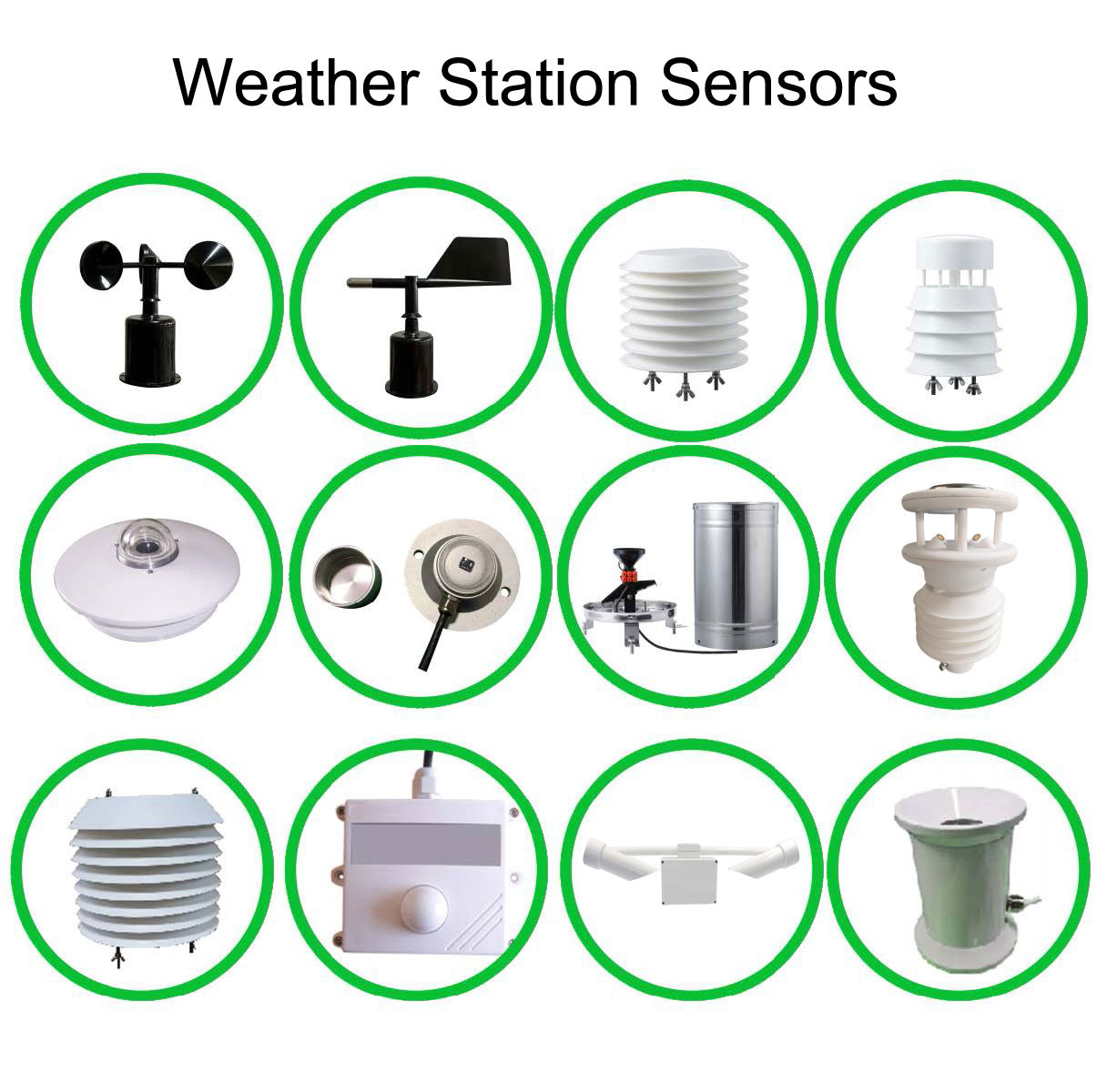
In weather station procurement, whether the equipment can connect to the existing Industrial Internet of Things (IIoT) is the key to decision-making.
1. Communication Protocols and Topology Architecture
NiuBoL data logger is not only a recorder but also an industrial gateway. The system supports multiple underlying drivers to ensure atomic data transmission.
Physical layer: Supports standard RS485, RS232 and Gigabit Ethernet ports.
Protocol layer: Natively supports Modbus-RTU / TCP, and can directly interface with mainstream PLC systems such as Siemens and Schneider.
Cloud synchronization: Uses MQTT protocol, supports JSON format data flow, and is compatible with AWS IoT, Azure IoT and NiuBoL private cloud platforms.
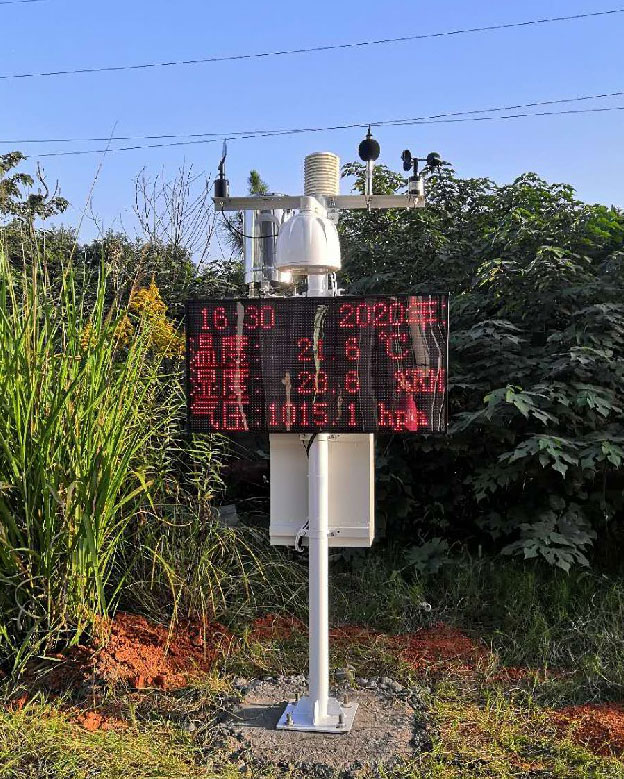
The site selection of automatic weather stations directly determines whether the monitoring data has industry representativeness. Data in non-standard environments (such as wind speed affected by tall buildings) will mislead decision-making.
Environmental Representativeness: The station should be selected in an open and flat area, avoiding tall buildings, towers and large areas of trees. Generally, the distance between obstacles and observation instruments should be at least 3 times the height of the obstacle.
Surface Characteristics: For ground temperature and humidity monitoring, the installation point should maintain the natural underlying surface as much as possible to avoid the heat island effect interference from cement or large areas of asphalt pavement.
Electromagnetic Protection: The site selection should avoid high-voltage transmission lines and strong radio interference sources to ensure that the weak electrical signals of sensors are not superimposed with noise.
Lightning Protection and Anti-theft: Independent lightning rod systems and protective boxes must be configured during engineering construction. For remote stations, NiuBoL provides anti-theft bracket solutions with GPS positioning.
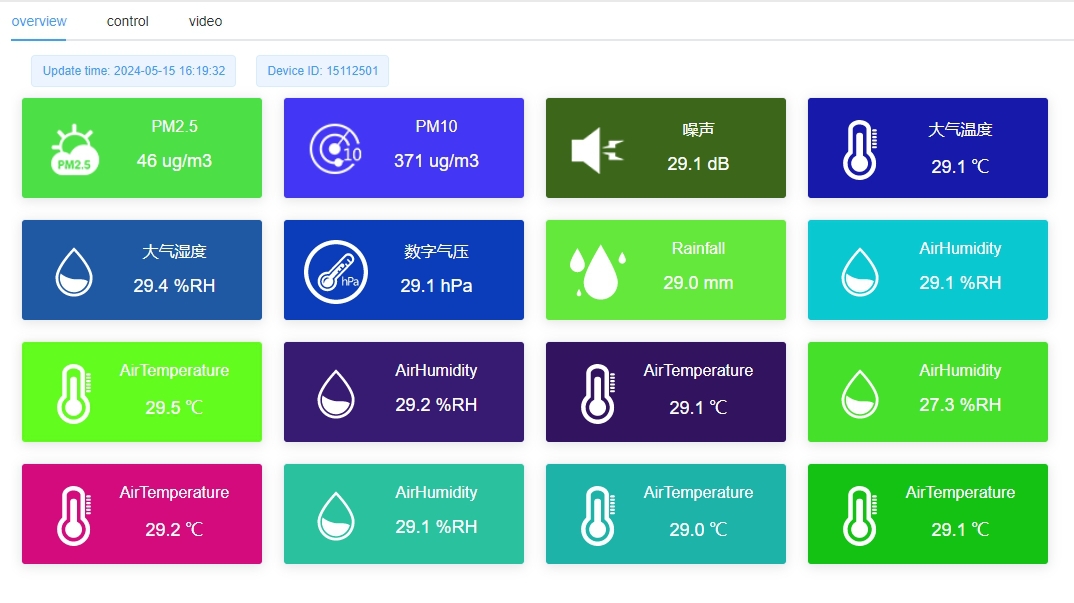
Automatic weather stations are mostly in harsh outdoor environments. Regular preventive maintenance can significantly reduce unplanned downtime costs.
1. Temperature, Humidity and Air Pressure Units
Protective cover maintenance: The filter cover on the sensor head is easily blocked by dust and salt spray. It is recommended to clean the surface with a soft brush every 6 months and regularly replace the filter element to prevent response lag.
2. Mechanical Wind Sensors
Bearing sensitivity: Bearings should be checked once a year. In windless conditions, the wind vane should have no sticking. If the error is greater than 30 seconds or rotation is restricted, clean dust or lubricate the bearings.
3. Soil and Ground Temperature Units
Compactness review: Soil temperature and humidity sensors must be tightly combined with the soil, and no gaps are allowed. After heavy rain, check whether soil loss has caused probe exposure.
Cable protection: Regularly check whether buried cables have been bitten by rodents and whether joints are leaking.
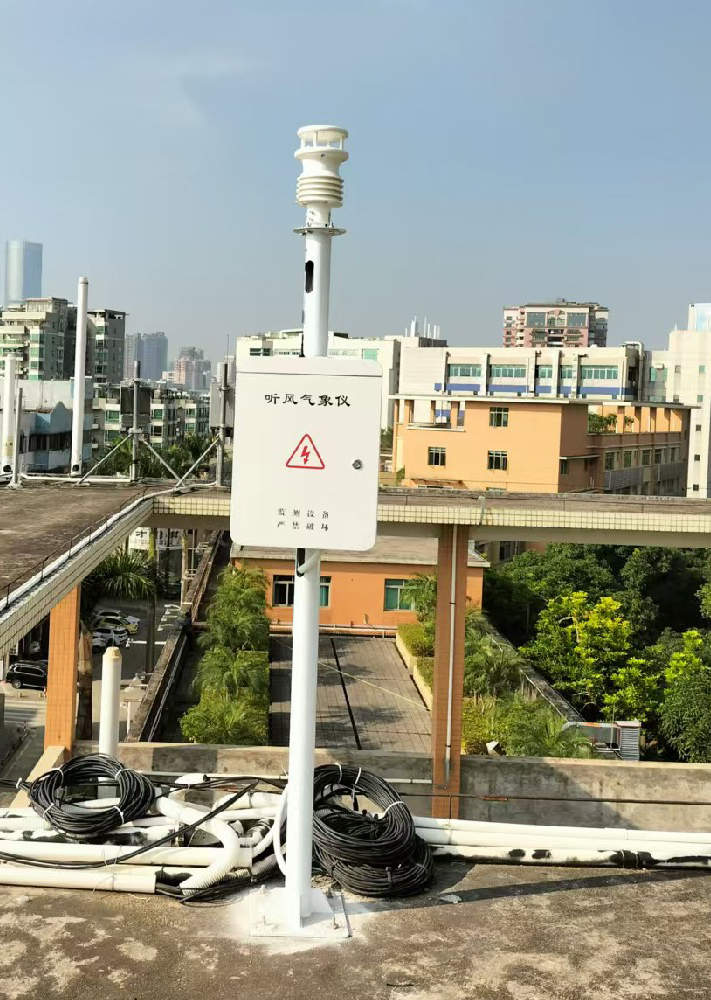
Q1: How to ensure the concurrent communication stability of large-scale monitoring stations?
A: NiuBoL monitoring software adopts a distributed architecture design and uses TCP/IP asynchronous processing technology to support concurrent communication of hundreds of stations. At the same time, the data logger supports breakpoint resume transmission to ensure data packet integrity during network fluctuations.
Q2: What solutions does the system have for areas with unstable power supply or no electricity?
A: We provide solar power supply solutions integrated with MPPT control technology. Combined with low-power data loggers, the power consumption of the entire station can be controlled at an extremely low level. The supporting backup batteries can support normal operation for more than one week in completely no-light conditions.
Q3: Can the monitoring software of the automatic weather station have a customized interface?
A: Yes. We support OEM customization, including Logo, monitoring interface layout and specific industry data logic processing.
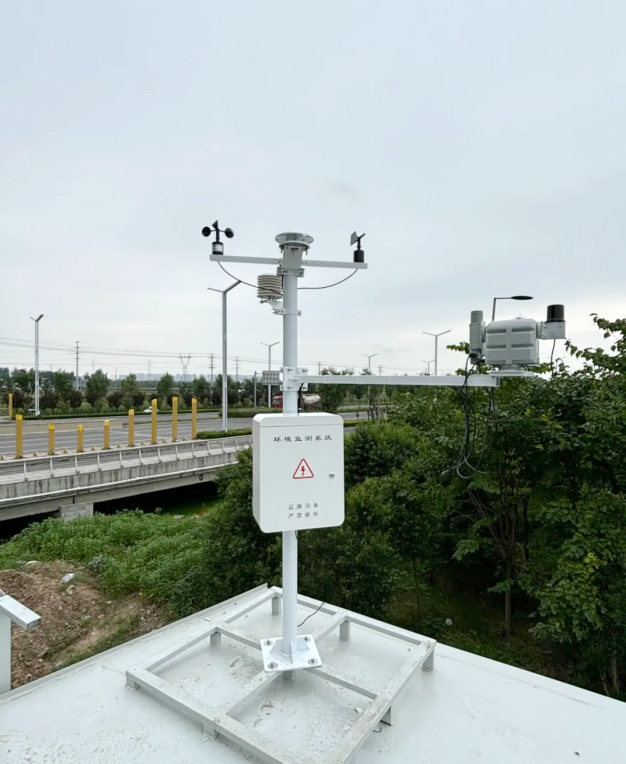
Q4: Can visibility sensors be added later?
A: NiuBoL data loggers adopt modular interface design (supporting analog, digital and pulse quantities). You only need to activate the corresponding channel through configuration software to achieve smooth later upgrade.
Q5: What if it is impossible to completely avoid tall buildings during site selection?
A: In this case, we recommend increasing the height of the sensor installation pole or using correction algorithms. However, such site selection must be noted in the data report so that interference items can be eliminated during climate analysis.
Q6: Does the system support exporting report formats that meet industry standards?
A: Yes. The system can generate standard Excel, CSV and PDF reports and support automatic sending of scheduled emails to designated mailboxes for management review.
Q7: Can the sampling rate and storage capacity of the data logger be adjusted according to scientific research needs?
A: Yes. Through NiuBoL’s dedicated configuration software, users can increase the sampling frequency to second level. Local storage supports cyclic overwrite mode and can support up to 32G storage expansion.
Q8: Is there a standard for the installation depth of ground temperature sensors?
A: Usually divided into depths of 5cm, 10cm, 15cm, 20cm, 40cm, etc. according to standard weather station requirements. NiuBoL provides integrated multi-layer soil probes, allowing multiple parameters to be collected with a single probe, greatly reducing construction excavation costs.
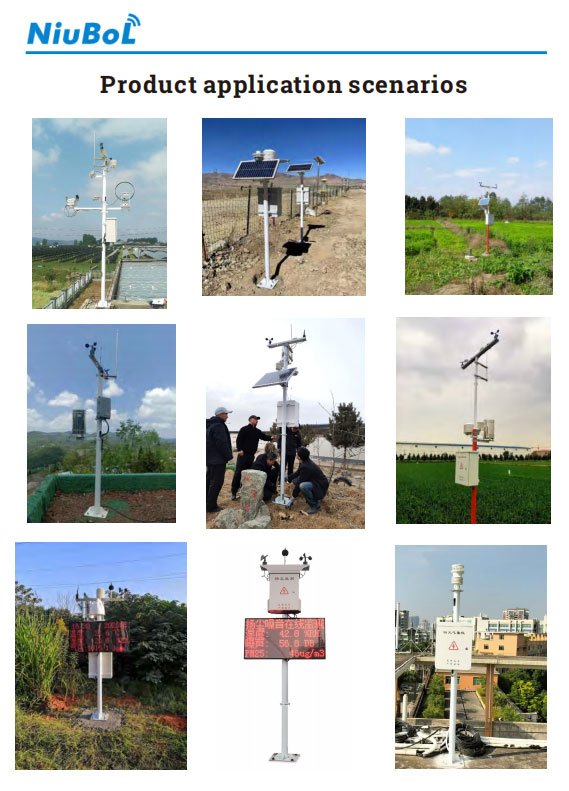
Automatic weather stations are no longer just observation tools but producers of digital assets. NiuBoL assists customers in building precise environmental perception networks in agriculture, industry, transportation and other fields by providing highly reliable sensors and intelligent data management platforms.
The value of automatic weather stations lies not in the hardware itself, but in the continuous, high-frequency and standardized environmental data it produces. NiuBoL is helping various industries achieve precise regulation through industrial-grade hardware reliability, flexible modular solutions and powerful cloud analysis capabilities.
Whether your project is for harsh industrial sites or smart agricultural demonstration areas, NiuBoL can provide you with data perception solutions that meet industry standards.
Related recommendations
Sensors & Weather Stations Catalog
 Agriculture Sensors and Weather Stations Catalog-NiuBoL.pdf
Weather Stations Catalog-NiuBoL.pdf
Agriculture Sensors Catalog-NiuBoL.pdf
Water Quality Sensor Catalog-NiuBoL.pdf
Related products
 Combined air temperature and relative humidity sensor
 TDR Soil Moisture & Temperature Sensor for irrigation| RS485 |4-20mA| NBL-S-THR
 Soil pH sensor RS485 soil Testing instrument soil ph meter for agriculture |NBL-S-PH
 Wind Speed sensor Output Modbus/RS485/Analog/0-5V/4-20mA
 Tipping bucket rain gauge for weather monitoring auto rainfall sensor RS485/Outdoor/stainless steel
 Pyranometer Solar Radiation Sensor 4-20mA/RS485

Screenshot, WhatsApp to identify the QR code
WhatsApp number:+8615367865107
(Click on WhatsApp to copy and add friends)

