





— Blogs —
—Products—
 Consumer hotline +8618073152920
 WhatsApp:+8615367865107
Address:Room 102, District D, Houhu Industrial Park, Yuelu District, Changsha City, Hunan Province, China
Product knowledge
Time:2026-03-26 11:37:42 Popularity:579
In the fields of smart perception and precision agriculture, the dimension and collection accuracy of environmental data are the core factors determining the decision-making efficiency of the system. Traditional mechanical weather stations are gradually being replaced by highly reliable integrated ultrasonic weather stations due to bearing wear and starting wind speed limitations. As a pioneer in the field of environmental perception, NiuBoL is committed to deeply integrating high-precision ultrasonic detection technology with wireless sensor networks to provide stable and real-time data stream support for agricultural production, industrial environmental impact assessment and geological disaster early warning.
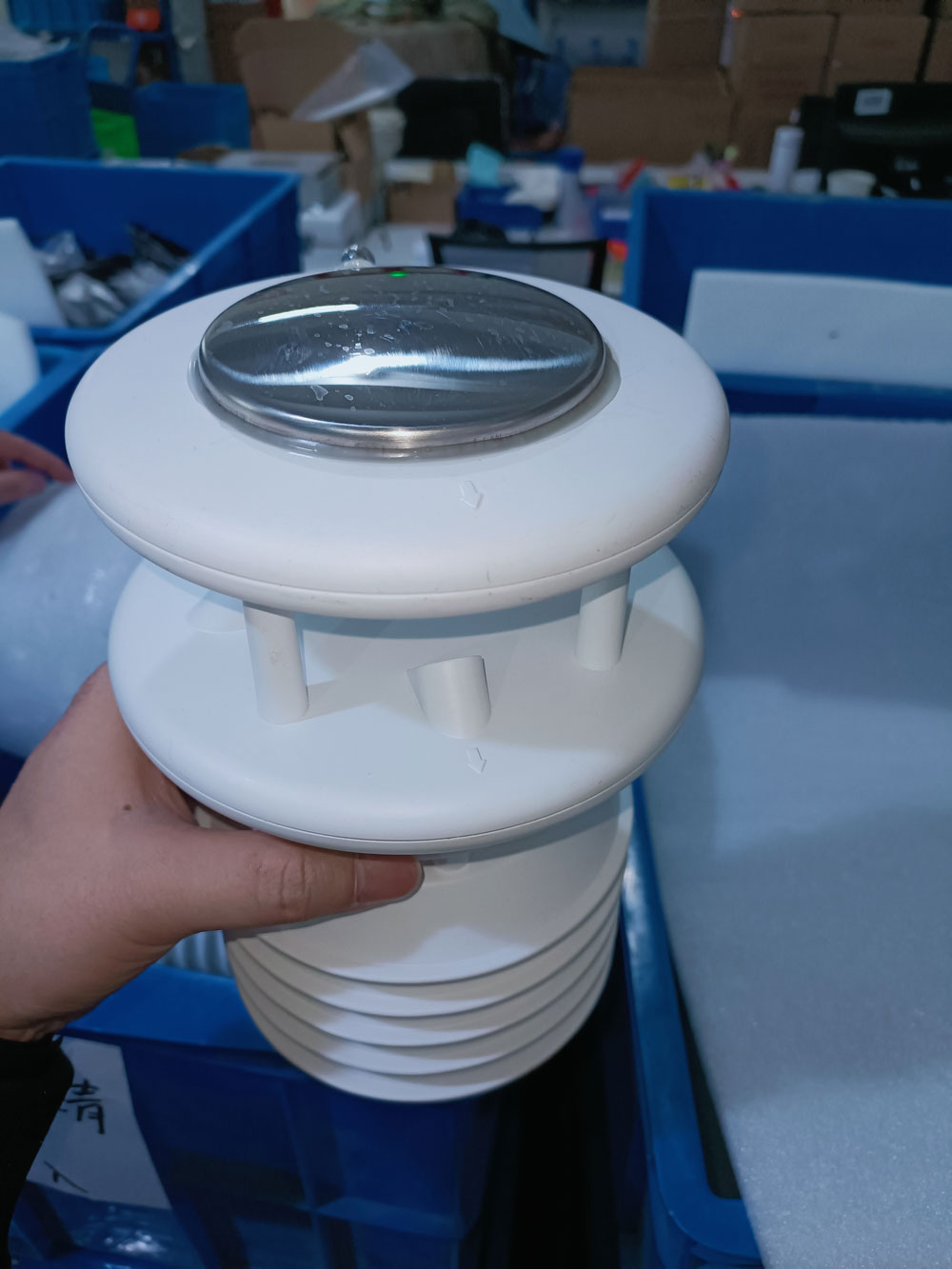
The integrated ultrasonic weather station represents the top technical trend of small automatic weather stations. Its core lies in measuring wind speed and direction using the time-of-flight difference of sound waves propagating in air.
1. Structured Design: Hidden Probes and Anti-interference
Traditional wind cups and wind vanes are easily damaged by dust, ice, snow and physical collisions in the field. NiuBoL adopts a fully solid-state hidden probe design with no moving parts in the entire machine. This integrated structure not only greatly reduces later maintenance costs but also maintains the continuity of monitoring data under extreme weather conditions such as winds above level 10, heavy rain or severe cold.
2. High Integration of Multiple Elements
Through a highly integrated micro-sensor cluster, a single monitoring terminal can obtain more than 10 environmental parameters in real time, effectively avoiding the installation complexity caused by multiple sets of equipment running in parallel.
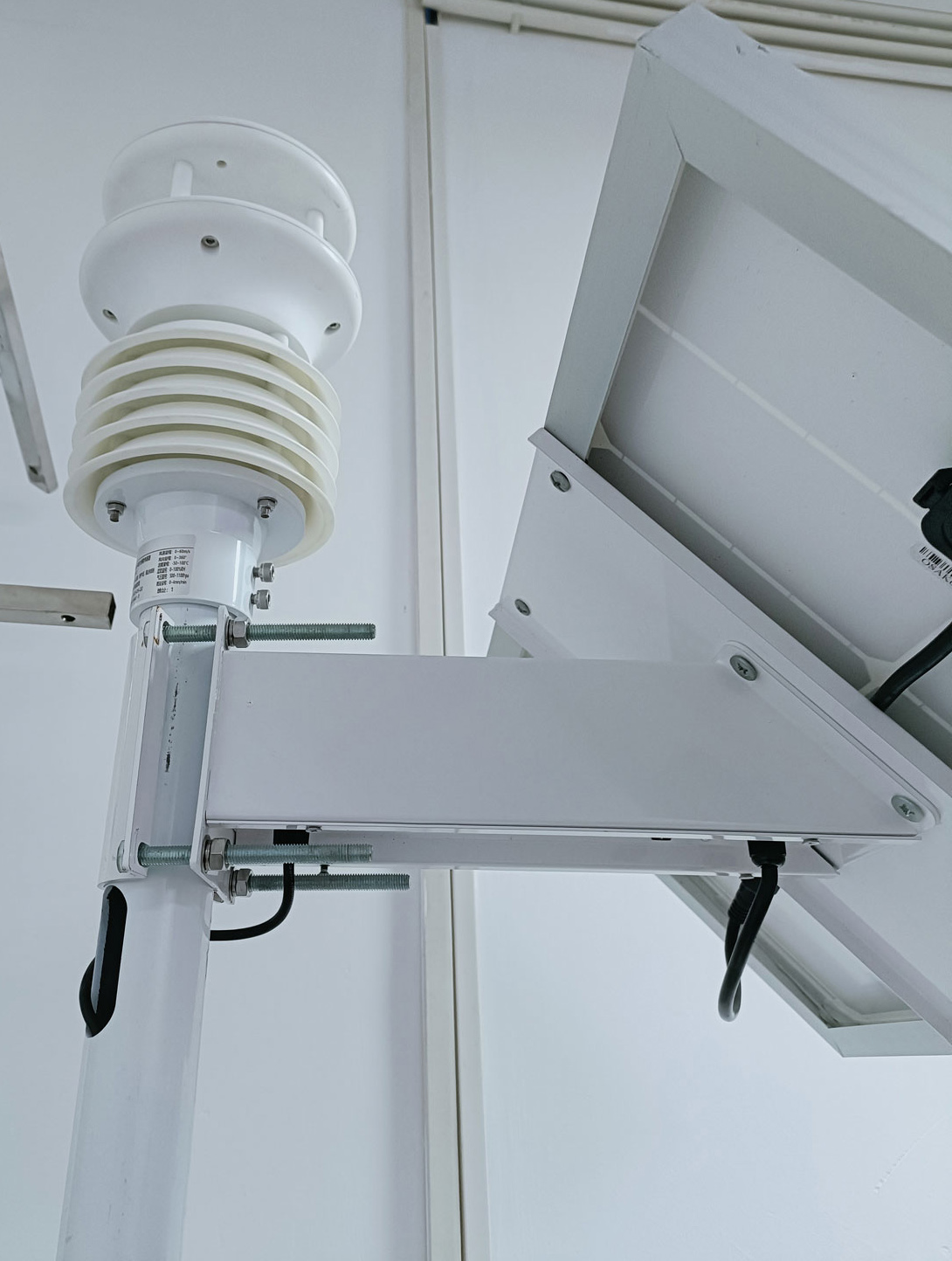
The following table lists the core monitoring capabilities and technical indicators of NiuBoL integrated ultrasonic weather station to meet the high standards of industrial-grade procurement:
| Monitoring Item | Technology | Range | Protocol |
|---|---|---|---|
| Wind Speed | Ultrasonic time difference method | 0 ~ 60 m/s | RS485 (Modbus-RTU) |
| Wind Direction | Ultrasonic time difference method | 0 ~ 360° | RS485 (Modbus-RTU) |
| Air Temperature & Humidity | Platinum resistance / Capacitive | -40~85°C / 0~100%RH | GPRS / 4G / Bluetooth |
| Atmospheric Pressure | MEMS piezoresistive | 300 ~ 1100 hPa | Wireless transparent transmission supported |
| Rainfall | Photoelectric / Tipping bucket | 0 ~ 4 mm/min | Pulse / Digital signal |
| Solar Radiation | Silicon photocell | 0 ~ 2000 W/m² | 0-5V / RS485 |
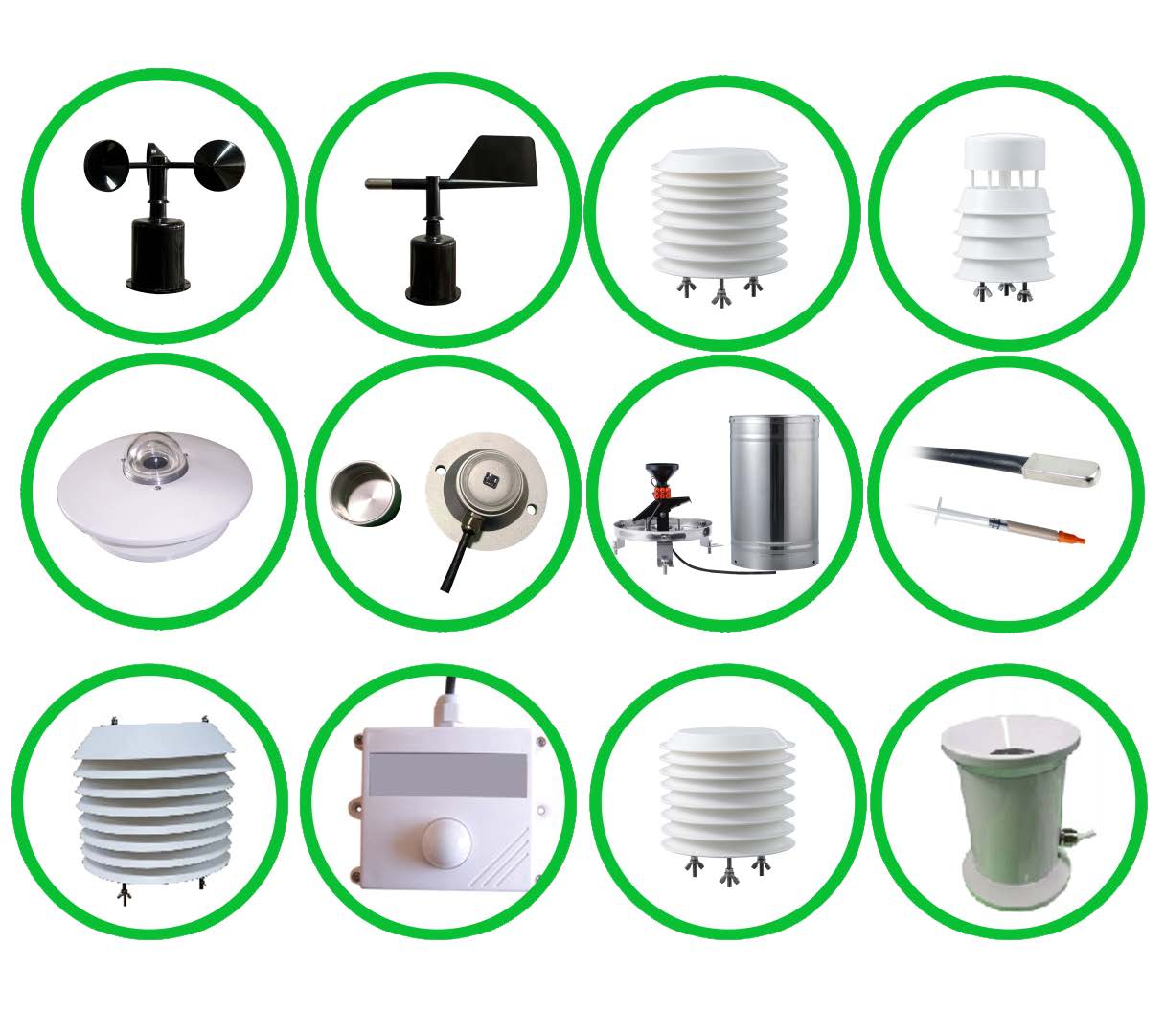
In industrial environmental monitoring projects, environmental impact assessment is a key part of project feasibility study. NiuBoL environmental wireless monitoring station provides scientific supervision for EIA through real-time and quantitative data analysis.
1. Providing Background Data Support for Project Site Selection
Before project implementation, continuous acquisition of regional atmospheric transparency, background noise and meteorological carrying capacity data can be obtained through the deployment of wireless monitoring stations. These quantitative data are the only scientific basis for judging the environmental tolerance of the project construction site.
2. Dynamic Supervision and Traceability of Environmental Impact
After the project is completed, the monitoring station can record the impact of industrial waste gas emissions on the surrounding agricultural ecology in real time. By comparing environmental monitoring results before and after construction, management departments can effectively supervise the implementation of enterprises’ environmental protection commitments and issue timely warnings for atmospheric or water quality deterioration.
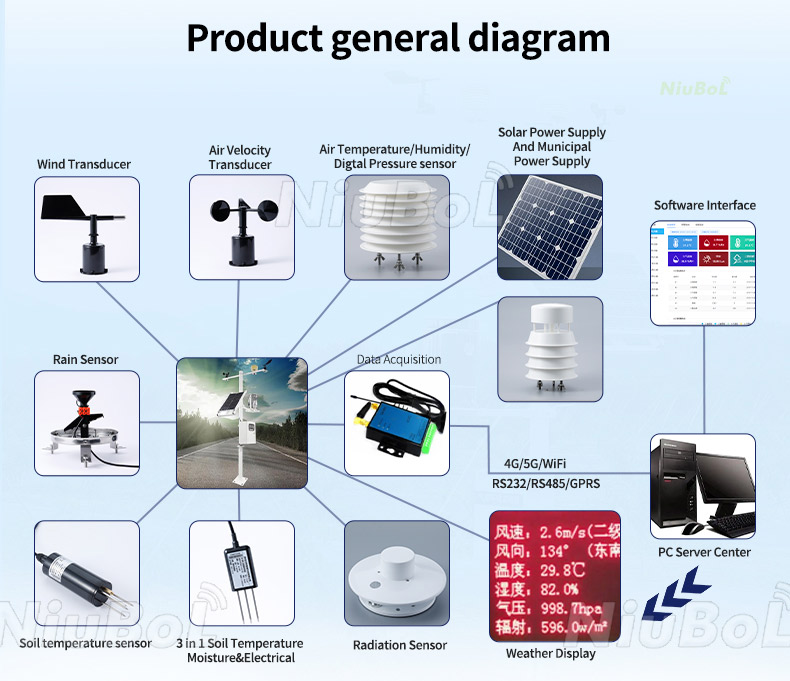
1. Intelligent Early Warning and Response Mechanism
The system sets four-level alarm logic for extreme weather such as drought (mild, moderate, severe, and extreme drought). When monitoring elements touch the safety threshold, the cloud platform will automatically pop up sound and light alarms.
2. Advanced GIS Geographic Information Integration
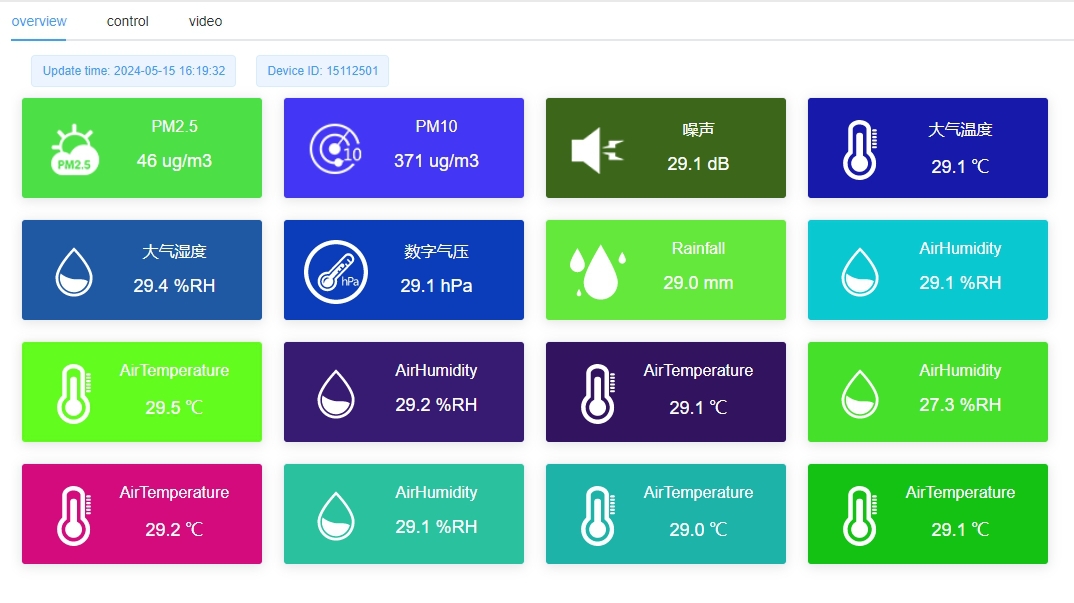
Based on GIS functions, the system visually presents all information collection points on the geographic coordinate system. Decision makers can not only view specific data of a single station but also intuitively grasp the distribution of monitoring points across the entire administrative region or watershed through the map, and click the icon to achieve real-time data drilling.
3. Visual Display and Color Temperature Management
For quick decision-making, the real-time status of each collection point automatically switches colors according to the detected value (red for extreme drought, yellow for moderate, blue for mild). This highly visual display mode greatly improves the efficiency of government departments in formulating drought relief plans and allocating water resources.
4. Periodic Historical Record Traceability
The system supports historical record queries by day, month, quarter or year. Data can be exported with one click as reports or dynamic curve charts to provide original support for formulating long-term agricultural production plans and meteorological law research.
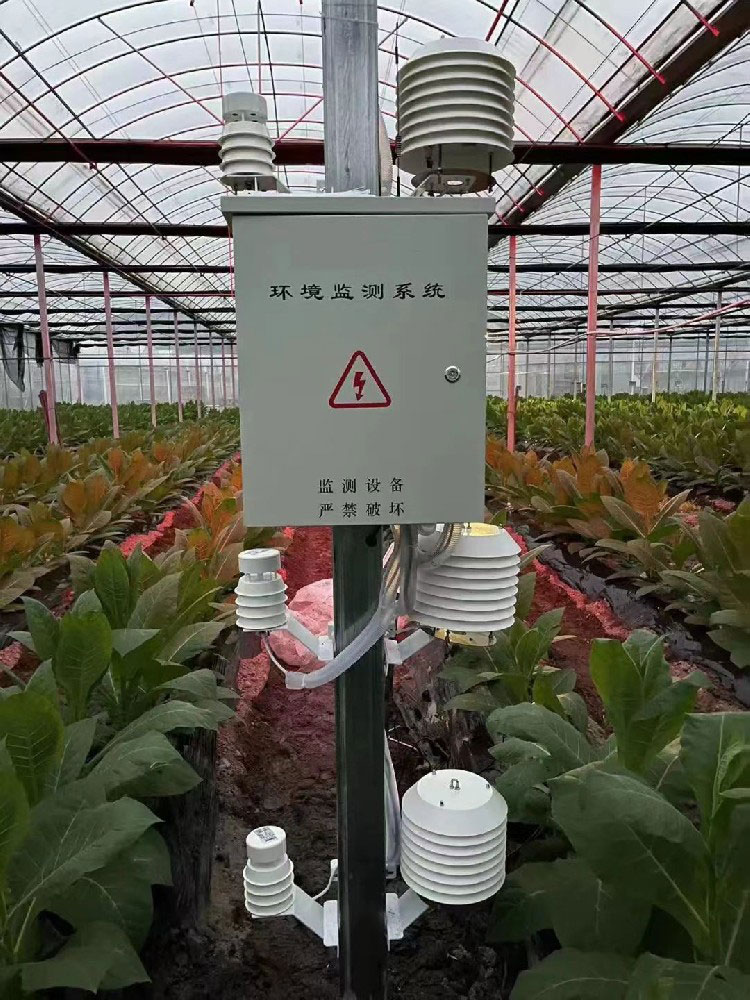
Q1: What is the biggest cost advantage of the integrated ultrasonic weather station compared to traditional mechanical weather stations in B2B projects?
A: The biggest advantage lies in Total Cost of Ownership (TCO). Although the initial investment is slightly higher than mechanical types, due to no bearing wear, no need for regular calibration and extremely strong wind and snow resistance, its maintenance cost over 5-10 years is almost zero, making it very suitable for remote, high-altitude and unattended monitoring projects.
Q2: What technology does NiuBoL system use for rainfall monitoring?
A: According to user needs, we can integrate photoelectric rainfall sensors (fast response, small size) or high-precision tipping bucket rain gauges. In EIA applications, photoelectric type is more favored by integrators due to its maintenance-free characteristics.
Q3: How to ensure data transmission stability in extreme electromagnetic environments?
A: NiuBoL sensor internal circuits have undergone industrial-grade EMC shielding treatment, and RS485 output interfaces are equipped with TVS surge protection devices. At the wireless transmission level, the protocol layer ensures data atomicity through cyclic redundancy check (CRC) and timeout retransmission mechanisms.
Q4: Does the GIS function support private deployment?
A: Yes. For government-level or large state-owned enterprise projects, we support deploying the monitoring cloud platform and GIS engine on the customer’s private server to ensure data sovereignty and security.
Q5: What professional suggestions are there for equipment installation site selection?
A: To ensure monitoring accuracy, the installation point should avoid tall buildings. The horizontal distance between wind speed and direction monitoring points and surrounding obstacles should be no less than 10 times the height of the obstacle. For agricultural environmental monitoring, probes should be set above the crop canopy.
Q6: Does the system support access to third-party sensors?
A: Yes. Our data collection station has a standard MODBUS-RTU host interface and can easily expand third-party sensors such as carbon dioxide, photosynthetically active radiation (PAR) or soil NPK.
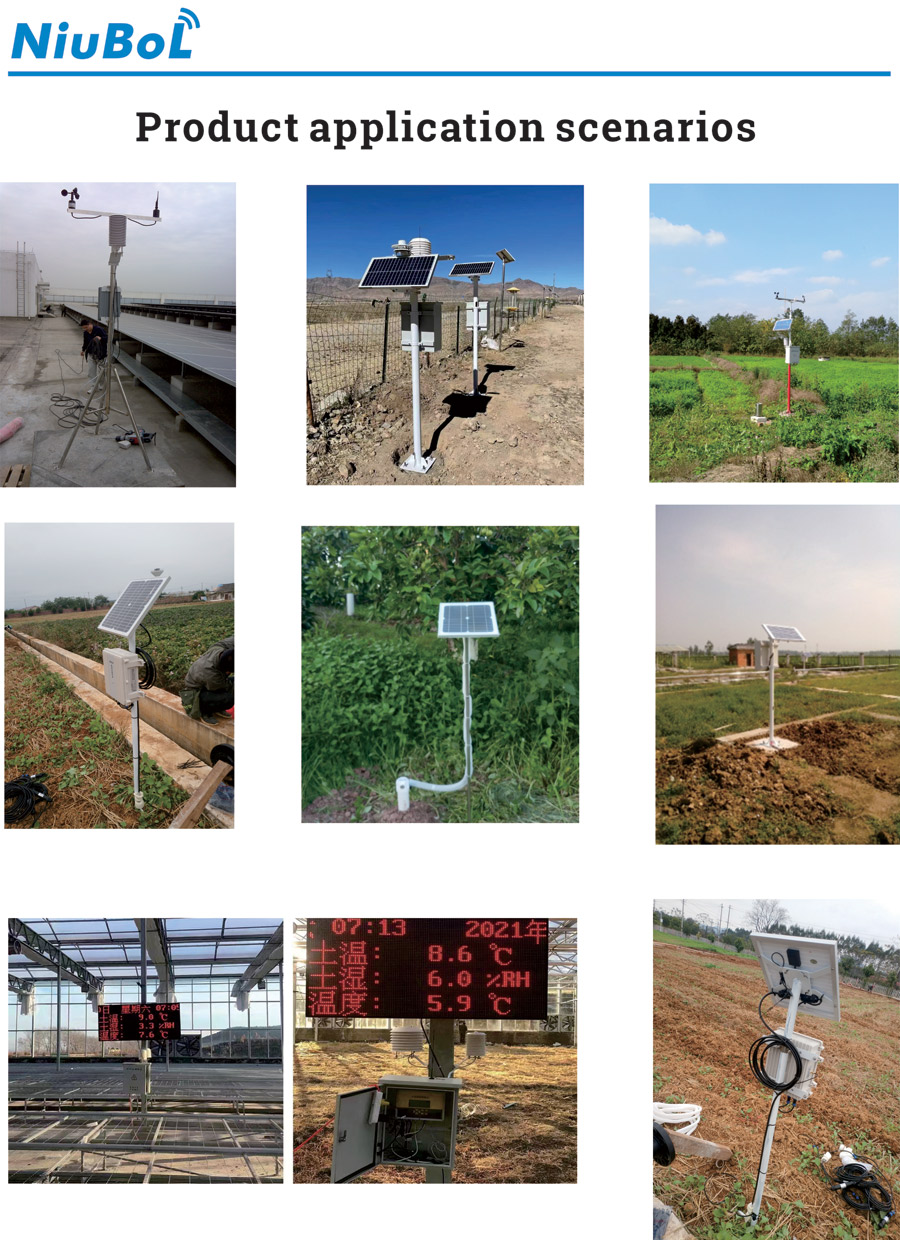
Automated small weather stations and agricultural environmental wireless monitoring systems are no longer simple instrument stacks but digital cornerstones of environmental management and production decision-making. Through NiuBoL’s integrated ultrasonic solution, integrators and end users can obtain more accurate, more real-time and more robust meteorological insights.
In the context of increasingly strict environmental impact assessment and accelerated transformation of smart agriculture, choosing a monitoring system with GIS visualization capabilities and ultrasonic sensing technology is an inevitable choice to achieve project compliance and production gains.
Do you need a detailed system topology diagram and quotation list for a specific EIA project or smart farm construction?
Related recommendations
Sensors & Weather Stations Catalog
 Agriculture Sensors and Weather Stations Catalog-NiuBoL.pdf
Weather Stations Catalog-NiuBoL.pdf
Agriculture Sensors Catalog-NiuBoL.pdf
Water Quality Sensor Catalog-NiuBoL.pdf
Related products
 Combined air temperature and relative humidity sensor
 TDR Soil Moisture & Temperature Sensor for irrigation| RS485 |4-20mA| NBL-S-THR
 Soil pH sensor RS485 soil Testing instrument soil ph meter for agriculture |NBL-S-PH
 Wind Speed sensor Output Modbus/RS485/Analog/0-5V/4-20mA
 Tipping bucket rain gauge for weather monitoring auto rainfall sensor RS485/Outdoor/stainless steel
 Pyranometer Solar Radiation Sensor 4-20mA/RS485

Screenshot, WhatsApp to identify the QR code
WhatsApp number:+8615367865107
(Click on WhatsApp to copy and add friends)

