





— Blogs —
—Products—
 Consumer hotline +8618073152920
WhatsApp:+8615367865107
Address:Room 102, District D, Houhu Industrial Park, Yuelu District, Changsha City, Hunan Province, China
Product knowledge
Time:2025-03-20 10:54:41 Popularity:2968
Automatic weather station optional sensors should be chosen by the additional measurement they provide, not by the number of dashboard fields. Broadband solar irradiance, PAR, sunshine duration, soil moisture and carbon dioxide are different quantities. Define the required output, location and data use before adding a channel to the station.
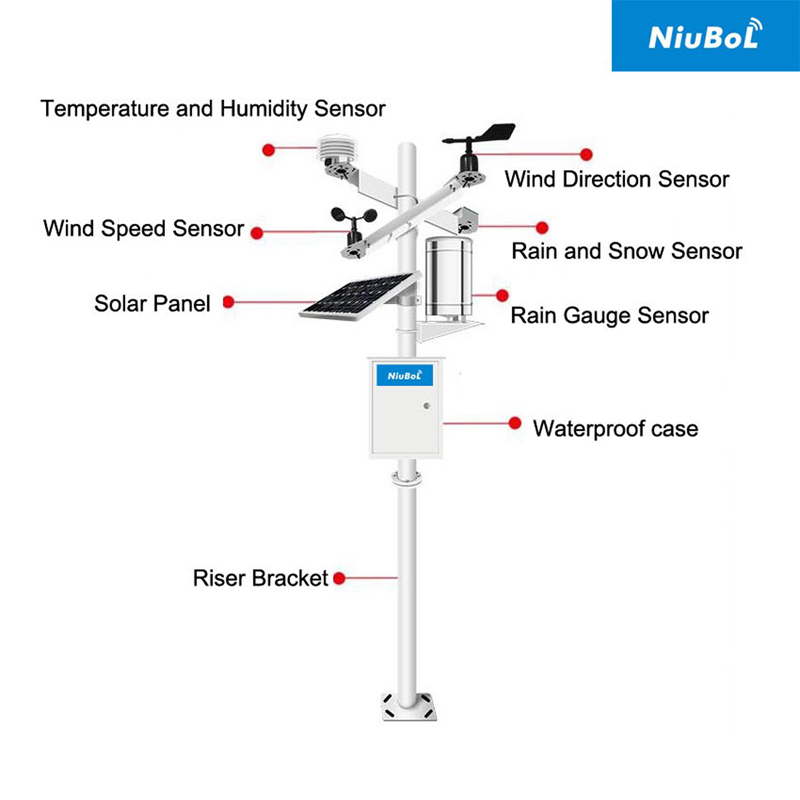
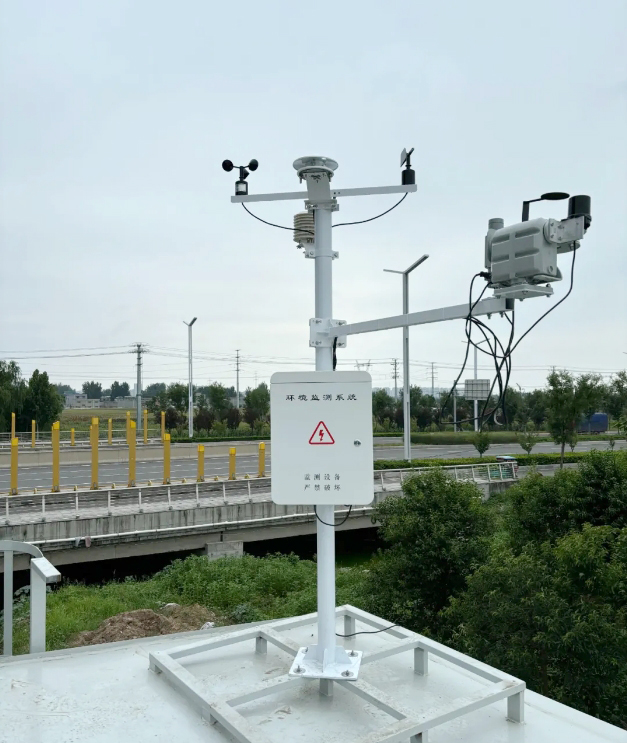
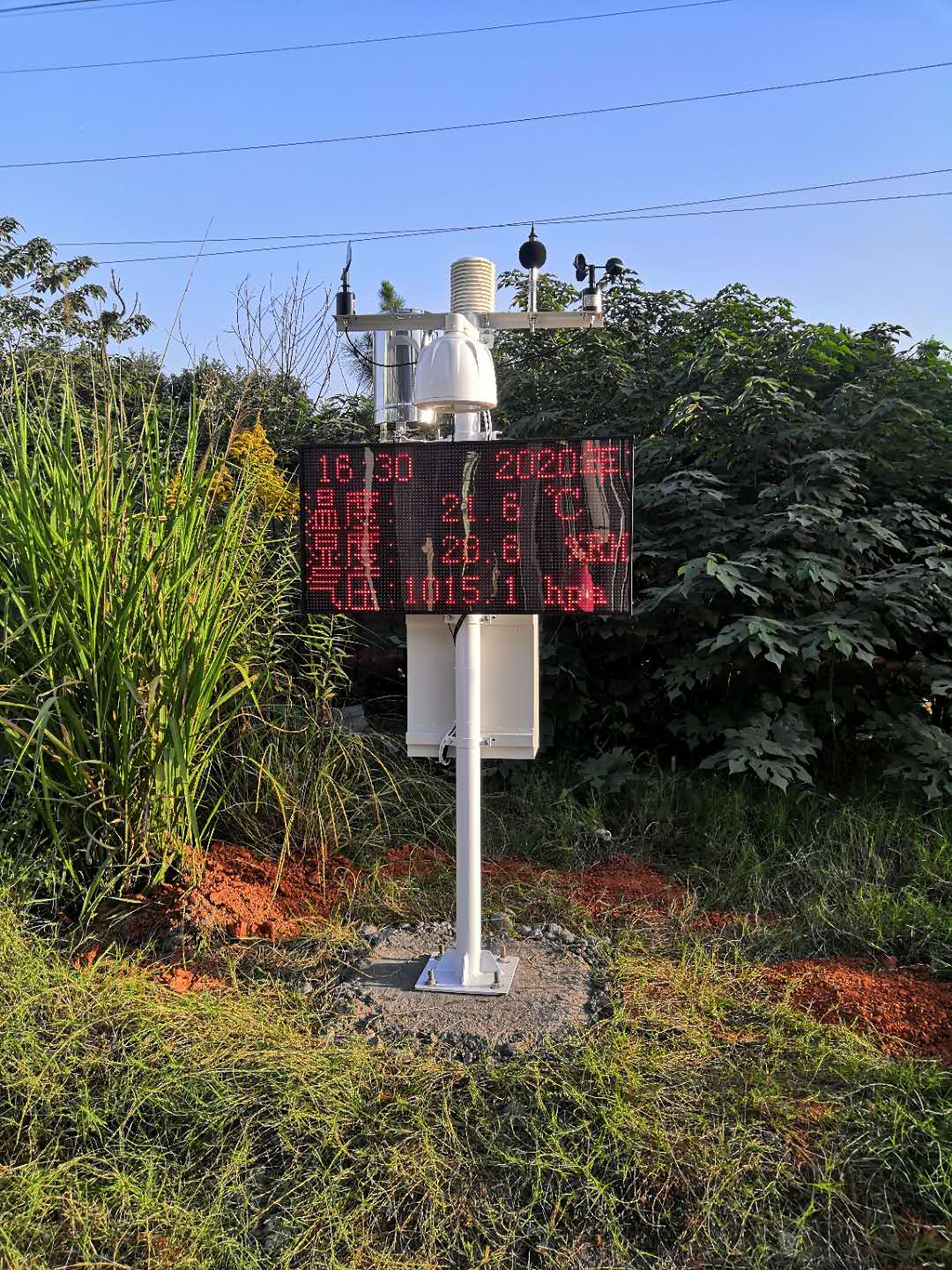
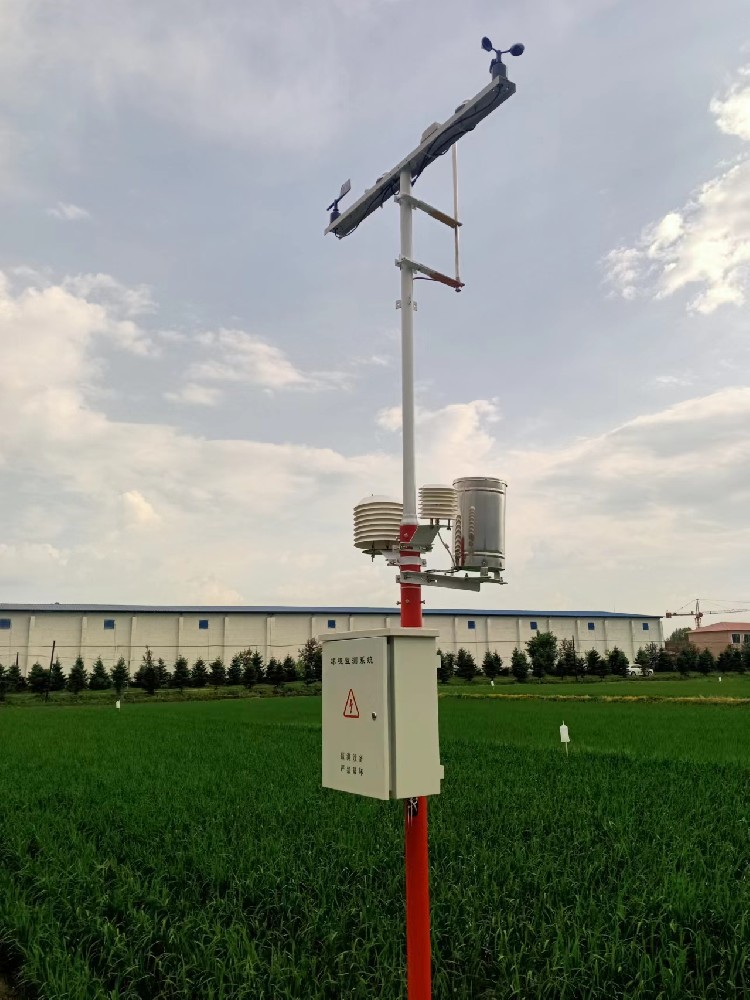
A modular automatic weather station commonly combines air temperature, relative humidity, pressure, wind and rainfall instruments. The purchased channel list, rather than a general product photograph, defines the supplied measurements. A station monitoring those atmospheric conditions does not automatically provide soil, radiation or gas observations.
Start an expansion request with a practical question. A crop-light experiment may need PAR; an irrigation investigation may need soil moisture at selected depths; a photovoltaic comparison may need irradiance on the module plane. Adding all three does not make them substitutes for one another, and each changes installation, input and maintenance requirements.
| Channel | What it describes | Selection mistake to avoid |
|---|---|---|
| Broadband solar irradiance | Incident solar power per unit area on the receiving plane | Calling the same value UV intensity, PAR or daily solar energy |
| Photosynthetically active radiation, PAR | Radiation within the specified plant-relevant spectral band | Assuming energy units and photon-flux units are interchangeable |
| Sunshine duration | Time accumulated according to the instrument's sunshine criterion | Equating a bright-light reading or daylight duration with sunshine hours |
| Ultraviolet measurement | The quantity and band defined by the selected UV instrument | Relabeling a broadband pyranometer channel as UV |
The NiuBoL NBL-W-HPRS is a thermopile pyranometer for broadband solar irradiance. Its measurement plane matters: horizontal and tilted observations describe different exposure. It does not independently provide every direct, diffuse or reflected component from one unmodified installation.
The NBL-W-PARS targets the 400-700 nm band. Confirm the output quantity and unit required by the project. Do not apply a universal multiplier to convert a broadband solar reading into a PAR or photon-flux measurement; the required spectral information and calibration are different.
| Option | Relevant parameter | What to resolve before ordering |
|---|---|---|
| NBL-W-HPRS | 0-2000 W/m2; spectral range 0.3-3 micrometers | Measurement plane, output version and required calibration evidence |
| NBL-W-PARS | Spectral band 400-700 nm | Reported unit, selected output and receiving-system interpretation |
| NBL-W-SDS | Sunshine duration range 0-24 h; 12-24 V DC versions | Sunshine criterion, accumulation and daily-reset handling |
The NBL-W-SDS sunshine-duration sensor accumulates time when its instrument signal exceeds the specified threshold and resets the accumulation daily. Confirm the criterion and time convention for the intended project, particularly when data from several stations will be compared.
Sunshine hours are not the same as the time between sunrise and sunset. They are also not integrated solar energy. Preserve the channel's meaning in the logger and export, and verify what happens around the daily boundary. A numerical field labeled hours is insufficient if users cannot identify how those hours were accumulated.
A soil-moisture probe measures conditions around its installed sensing region. Choose depth and position for the question: the surface layer, crop root zone and a nearby irrigated strip can behave differently. Several depths may be useful, but each is a separate observation that needs a clear identifier rather than an average called field moisture.
Soil temperature, moisture, pH and electrical conductivity are different properties. A pH reading is not a general fertility score, and conductivity should not be presented as the concentration of a specific nutrient without an appropriate method. Specify the actual probe and measurement requirements before assigning accuracy, range or maintenance claims to an optional soil channel.
Carbon dioxide also needs a dedicated instrument with a range and installation suited to the environment. A greenhouse concentration question differs from an open-field observation. A station offering an air-temperature channel does not infer a measured CO2 concentration from weather data.
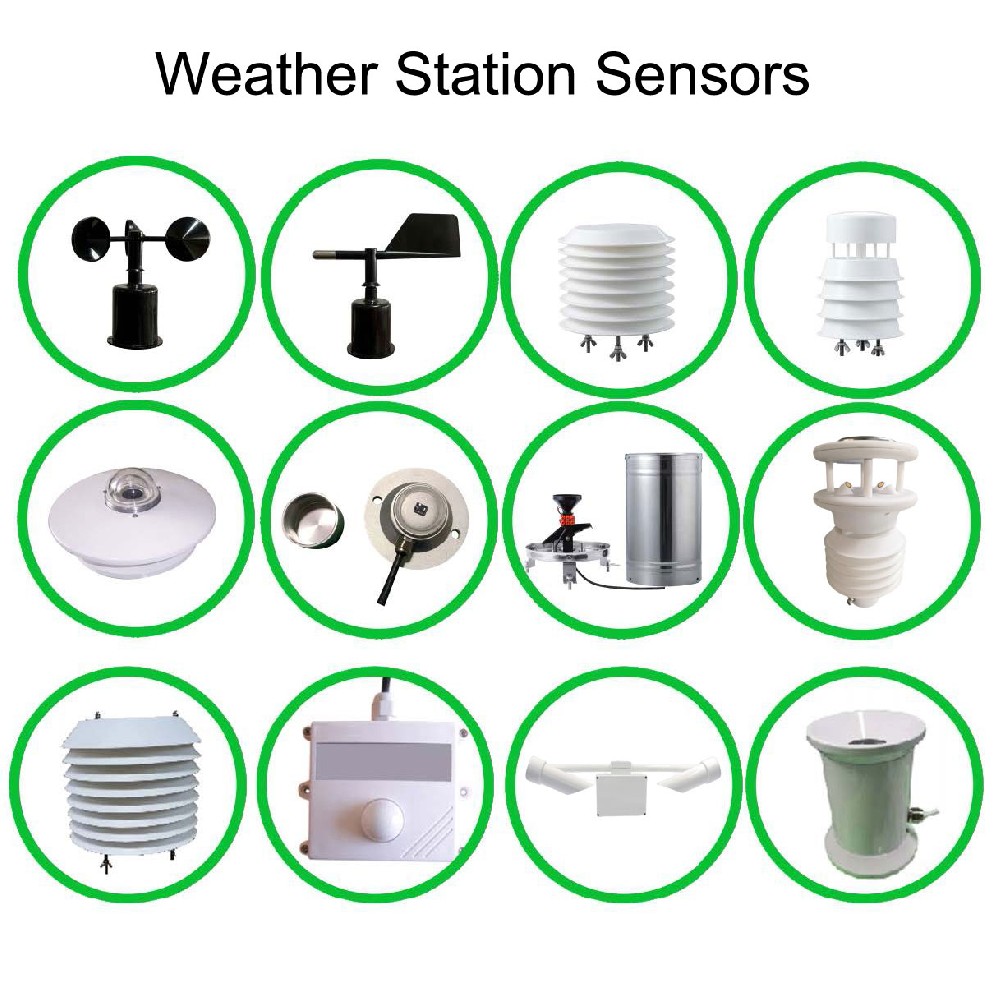
List the output type, supply and input requirement for every proposed option. An RS485 Modbus RTU device needs compatible serial settings, an available address and suitable register decoding. An analog transmitter needs a matching input range. A pulse output needs an input and recording method appropriate to the signal.
The TG462/TG462S family provides three RS485 ports and eight 12-bit analog inputs, among other interfaces. Those counts do not establish that every optional sensor can be added without configuration. Check input modes, bus loading, power and software support for the actual list.
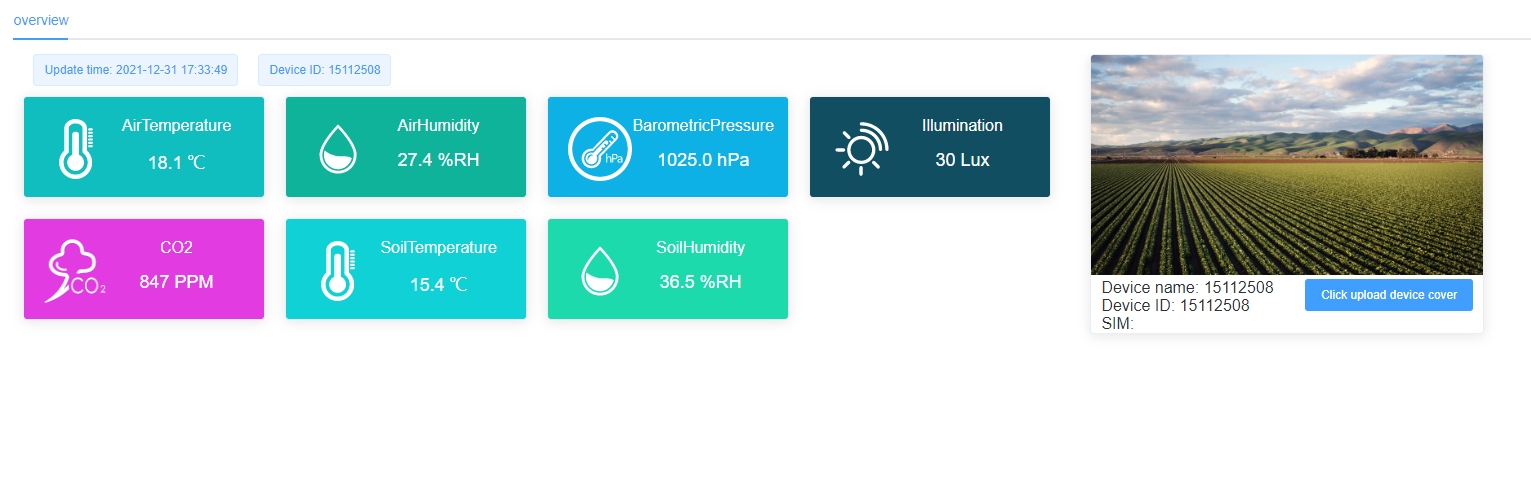
A system diagram can show the general route from sensors to a logger and remote application, but the required server fields and measurement units still need definition. Confirm that a new channel appears in historical exports as well as on the live display. Unused dashboard tiles should not be treated as evidence of supplied sensors.
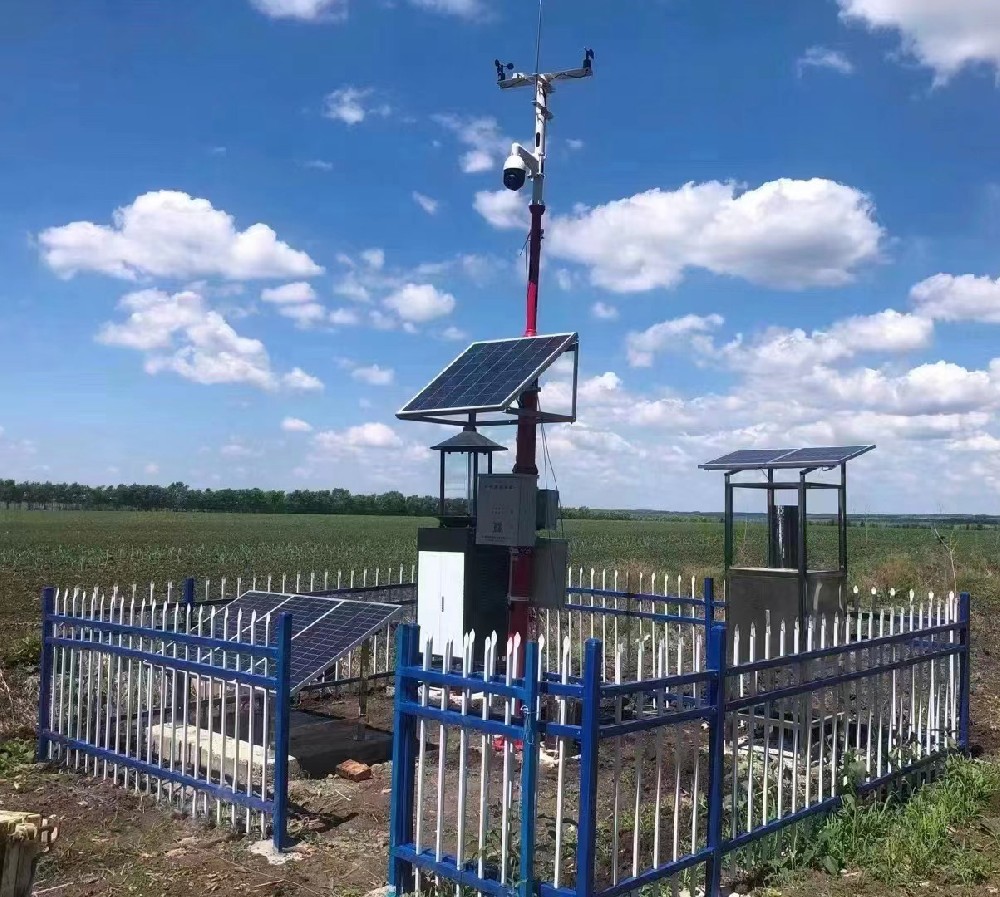
For a crop project, prioritize the additional measurement that resolves the current uncertainty and can be maintained by the site team. For a solar project, prioritize the irradiance plane or module observation actually missing from the analysis. For an environmental study, define the target gas or radiation quantity before selecting a general multi-parameter package.
Ask NiuBoL for an itemized configuration covering the selected instruments, outputs, mounting and acquisition changes. Confirm whether software configuration and installation are included. Optional sensors should add interpretable observations, not just increase the apparent size of the station.
No. Broadband irradiance and PAR have different spectral scope and calibration. Specify a dedicated PAR measurement and its reported unit when the project needs it.
No. It accumulates time under a defined sunshine criterion. Solar energy requires the appropriate irradiance record and time integration; the two outputs should remain separately identified.
Not automatically. Each installed sensing region represents its local conditions. Select depths and locations for the purpose and retain those identifiers in the record.
Only after confirming compatible electrical and serial arrangements, unique addresses, power and polling requirements. The receiver must also decode each instrument correctly; RS485 alone does not establish interchangeability.
Compare the measured quantity, range, unit, output, mounting, calibration and required acquisition work. Include software and installation scope rather than comparing a standalone probe with a complete operating channel.
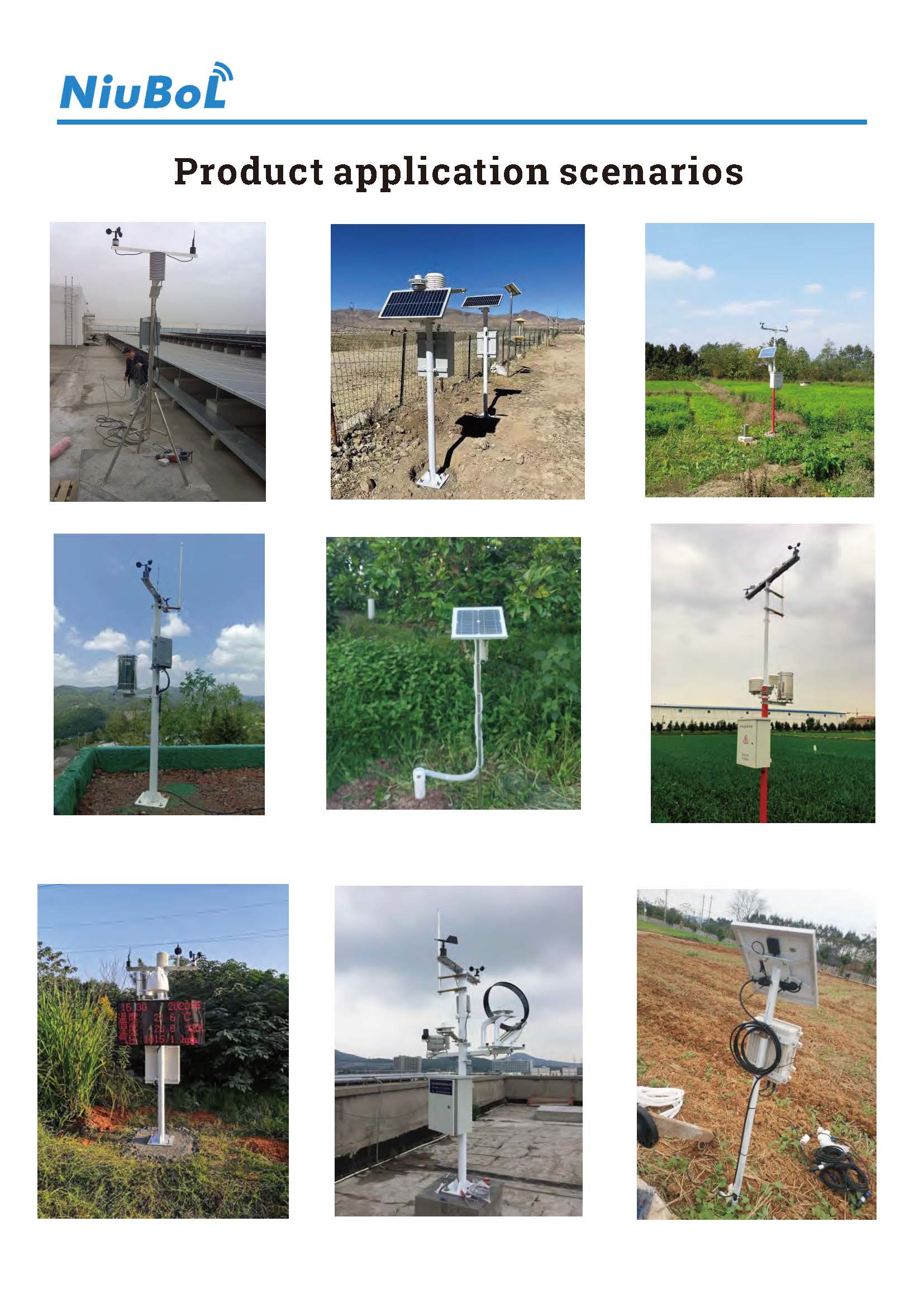
Automatic weather station optional sensors are worthwhile when their measurements answer a specific project question. Keep radiation, soil and gas quantities distinct, and check that the logger and final records preserve their meaning. NiuBoL can review the proposed options against the required observations and existing acquisition system.
Prev:Weather Station Specification Sheet: Check Complete-System Claims
Next:Weather Station Software Compatibility: Test Computer Access and Data Export
Related recommendations
Sensors & Weather Stations Catalog
 Agriculture Sensors and Weather Stations Catalog-NiuBoL.pdf
Weather Stations Catalog-NiuBoL.pdf
Agriculture Sensors Catalog-NiuBoL.pdf
Water Quality Sensor Catalog-NiuBoL.pdf
Related products
 Combined air temperature and relative humidity sensor
 TDR Soil Moisture & Temperature Sensor for irrigation| RS485 |4-20mA| NBL-S-THR
 Soil pH sensor RS485 soil Testing instrument soil ph meter for agriculture |NBL-S-PH
 Wind Speed sensor Output Modbus/RS485/Analog/0-5V/4-20mA
 Tipping bucket rain gauge for weather monitoring auto rainfall sensor RS485/Outdoor/stainless steel
 Pyranometer Solar Radiation Sensor 4-20mA/RS485


Screenshot, WhatsApp to identify the QR code
WhatsApp number:+8615367865107
(Click on WhatsApp to copy and add friends)

