





— Blogs —
—Products—
 Consumer hotline +8618073152920
WhatsApp:+8615367865107
Address:Room 102, District D, Houhu Industrial Park, Yuelu District, Changsha City, Hunan Province, China
Product knowledge
Time:2025-03-18 11:33:29 Popularity:1700
A weather station specification sheet should identify which figures apply to a sensor, the logger or the complete installed configuration. Claims about channel count, power, autonomy, temperature limits and automatic calibration need different evidence. Do not combine individual component ratings into a single station specification without checking the proposed assembly.
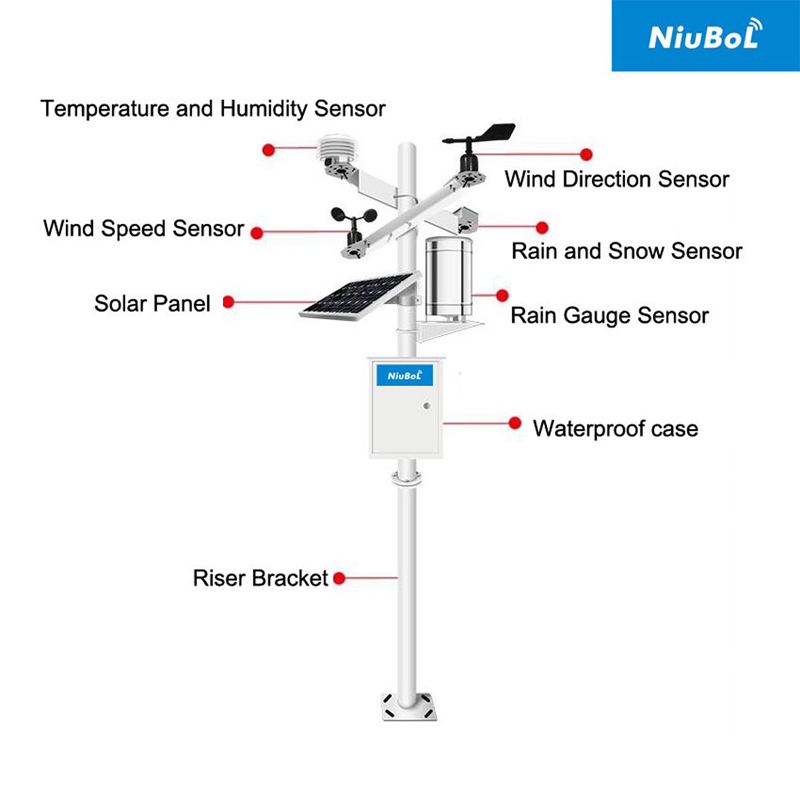
A station described as automatic, solar-powered and multi-parameter can contain many different combinations of sensors and acquisition devices. A general description helps identify the type of system, but cannot establish how a particular order will operate. Tie each numerical claim to a model, configuration and operating condition.
For example, a weather sensor may tolerate a lower temperature than the selected rain gauge, while a logger may need an outdoor cabinet. A low-power sensing element may be connected to a gateway that consumes several watts. Neither discrepancy is necessarily a defect; the error is presenting the broadest or lowest component figure as a property of the whole station.
| Claim | Information needed | Suitable check |
|---|---|---|
| Number of channels | Measured parameters, physical instruments and required inputs | Trace the proposed list through the acquisition map. |
| Total power | Loads, supply voltage, operating modes and optional equipment | Review a load budget and measure the specified operating condition. |
| Battery autonomy | Load, usable storage, temperature and allowed recharge assumptions | Check the energy calculation and agreed verification method. |
| Environmental rating | Component limits, cabinet conditions and installed connections | Compare each exposed item with the required conditions. |
| Recording and recovery | Interval, format, retention and fault behavior | Retrieve trial records across planned interruptions. |
| Automatic calibration | Reference, method, scope and resulting record | Establish what is calibrated rather than accepting a software label. |
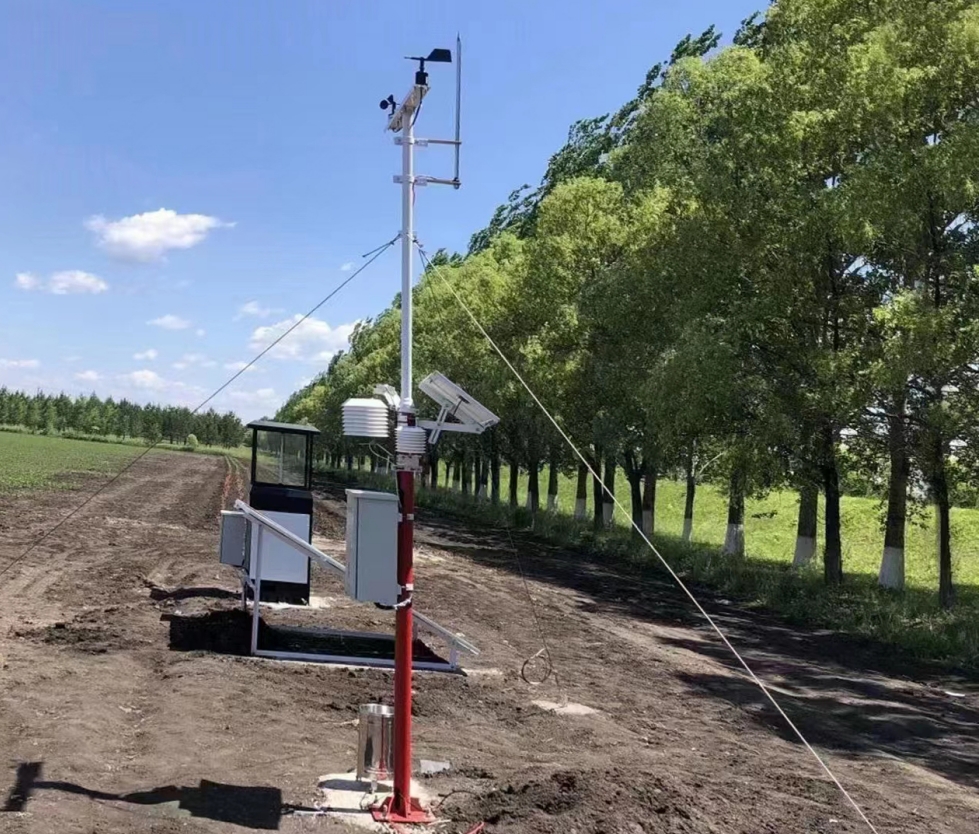
The NiuBoL NBL-W-LBTH combines air temperature, humidity and pressure in one assembly. It can supply three quantities without being three separate instruments. Conversely, a station showing a soil-moisture tile needs an actual relevant measurement source before that tile can be counted as a supplied channel.
Use a list containing the quantity, model, output and receiving input. RS485 Modbus RTU, analog inputs, pulse counting and Ethernet are not interchangeable acquisition methods. A statement such as 16 channels is incomplete unless the supplier explains what those channels are and how the selected configuration acquires them.
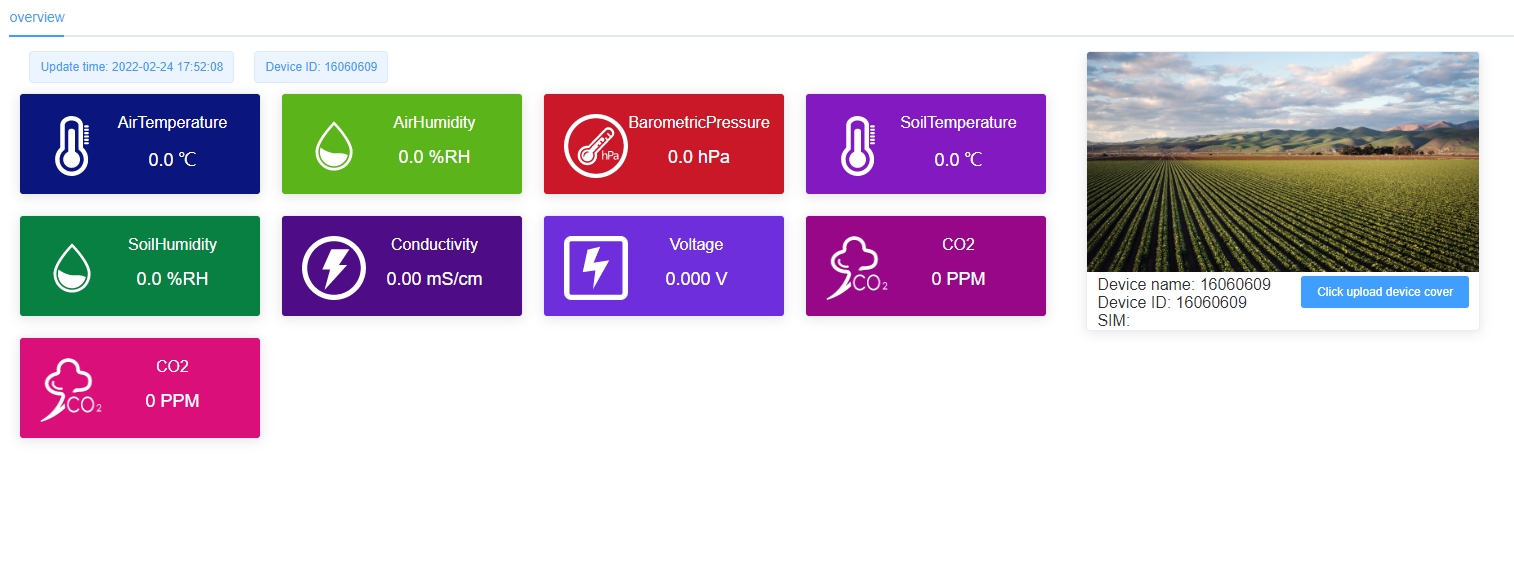
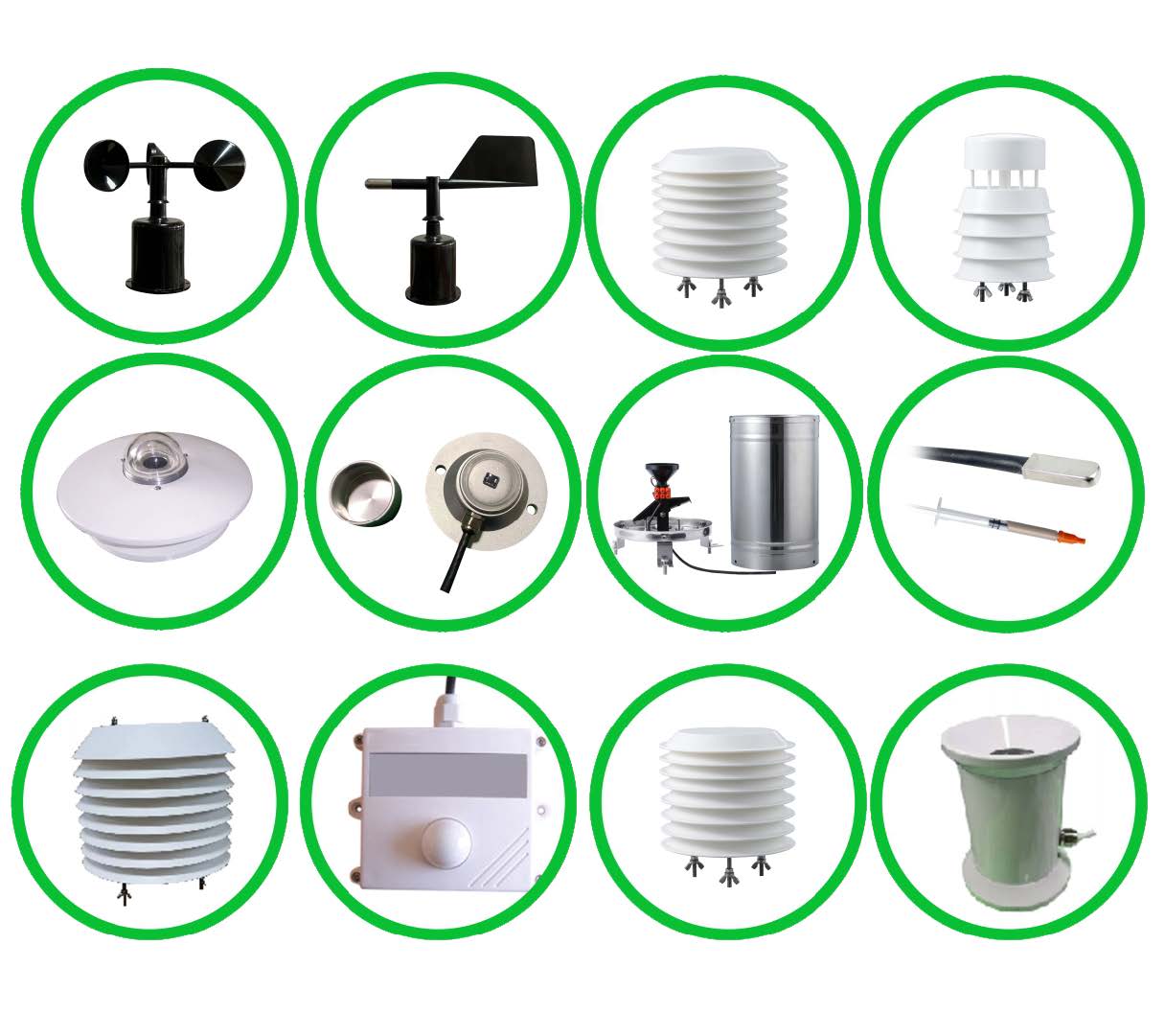
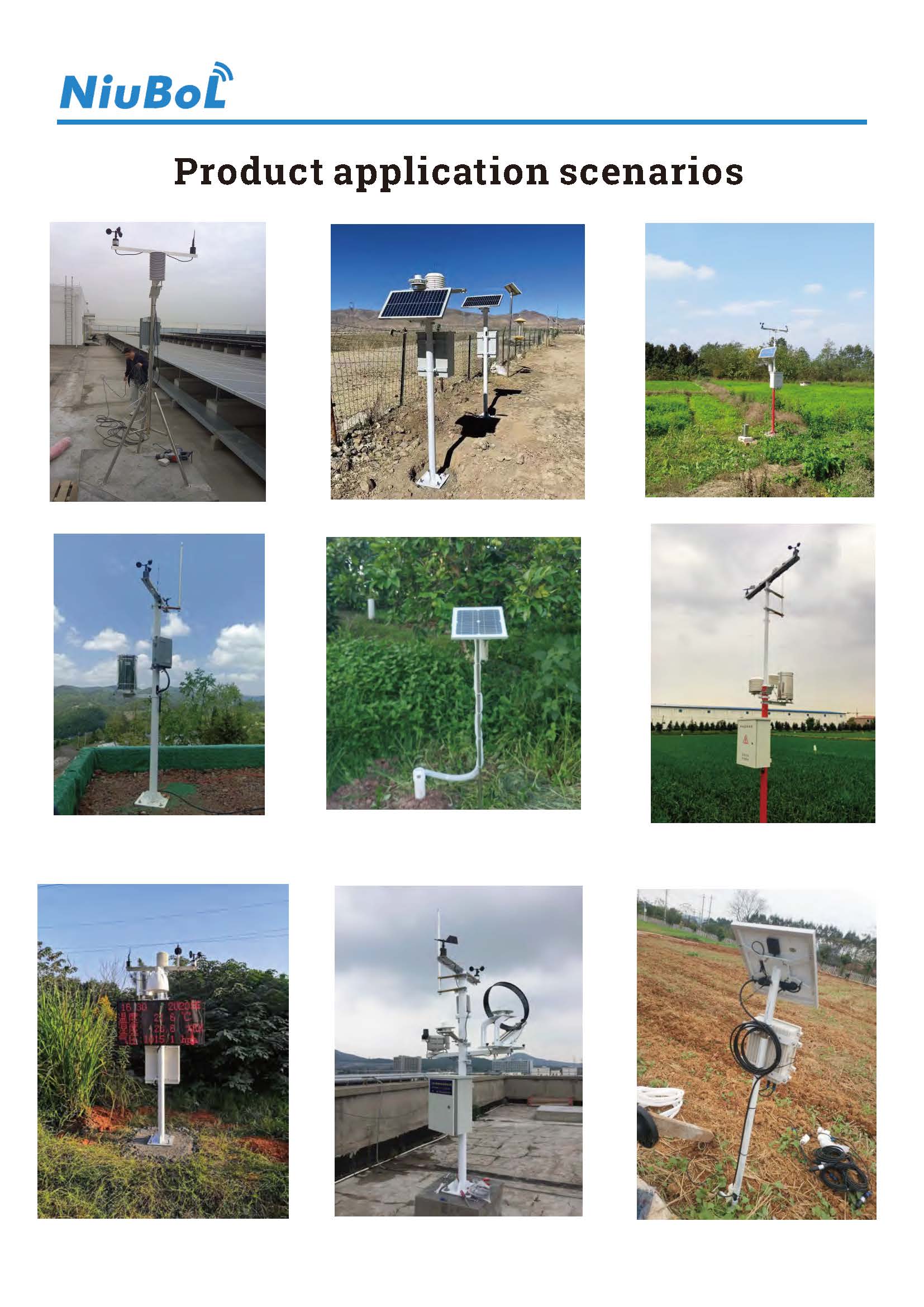
A dashboard screenshot is useful for showing a possible presentation, not for establishing the delivered instrument list. Check the actual channel map and historical output. The same principle applies to an illustrated sensor collection: only the agreed itemized configuration defines the supplied equipment.
The TG462/TG462S logger specifications include a data-acquisition current range of approximately 251-357 mA at 12 V DC. At the lower stated value, 12 V x 0.251 A equals 3.012 W for that operating point. This is not a measured load for every weather station, but it shows why a complete configuration using that logger cannot be assigned a blanket total of 1.5 W without reconciling the difference.
Include the selected sensors, communications, displays and any heating or other accessories in the proposed load budget. State whether a figure describes normal operation, transmission or another mode. Do not compare a sensor-only figure with an entire station's power requirement.
For illustration, a constant 5 W load over 15 days requires 5 x 24 x 15 = 1,800 Wh at the load before considering system losses and design allowances. This is not a proposed battery size or an actual station consumption claim. It demonstrates why a 15-day statement needs the usable battery energy, conditions and load behind it.
| Component | Selected parameter | Boundary of the claim |
|---|---|---|
| NBL-W-SS and NBL-W-DS | IP65 | The wind-sensor rating does not establish the rating of a field joint or cabinet. |
| NBL-W-LBTH | Operating temperature -40 to +80 degrees C | Other station components can have narrower limits. |
| NBL-W-RS | Operating temperature 0 to +50 degrees C; 0.2 mm rain increment | Do not interpret storage limits as operating capability or rain increment as accuracy. |
| TG462/TG462S | IP30; operating temperature -35 to +75 degrees C | Provide a suitable outdoor enclosure and assess its internal environment. |
A broad temperature claim also needs to distinguish electronic operation from valid measurement of the intended phenomenon. An unheated liquid-rain gauge is not automatically a snow measurement system. A dust and water ingress rating does not establish icing tolerance, corrosion resistance or lightning protection.
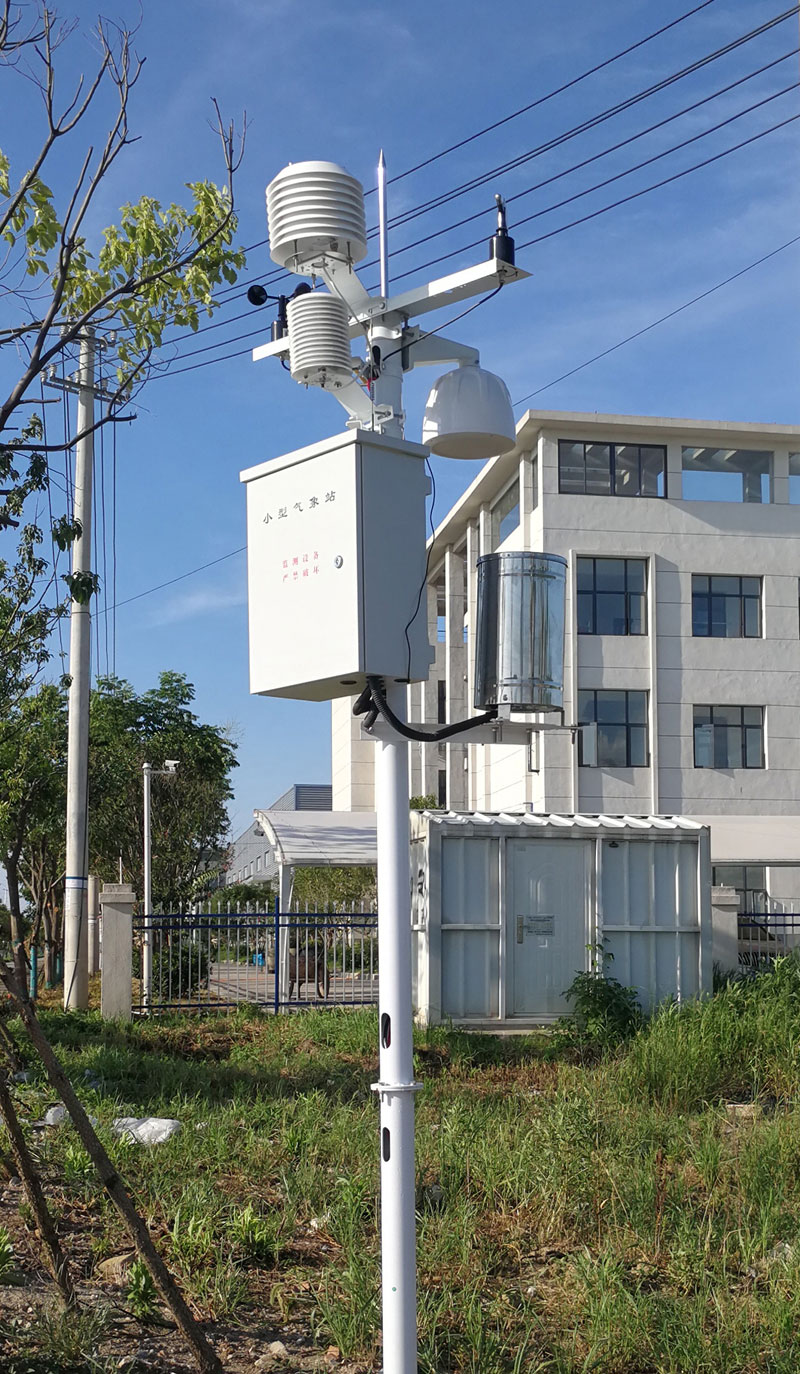
Setting an address or correcting a unit scale is configuration. Cleaning is maintenance. Restoring records after an outage is a data function. None alone establishes that a sensing element has been calibrated against a suitable reference. Ask which quantity is calibrated, by what method and what result is retained.
Likewise, a hardware memory specification does not establish one year of records or automatic recovery. Define the record format, interval and required behavior, then retrieve a representative trial archive. A claim of no moving parts should also be checked against the actual configuration: a cup anemometer and a tipping bucket contain mechanical movement.
Request an itemized NiuBoL proposal with model-specific values and the associated integration work. Mark any project-required test or evidence separately from a standard hardware specification. Resolve conflicting figures before accepting the station rather than expecting installation staff to choose the intended interpretation later.
During acceptance, check the supplied identities, measurement outputs and required records. Demonstrate power and outage behavior under the agreed conditions where included in scope. A screen full of values is not evidence of every numerical claim, and a single successful test is not a guarantee for untested conditions.
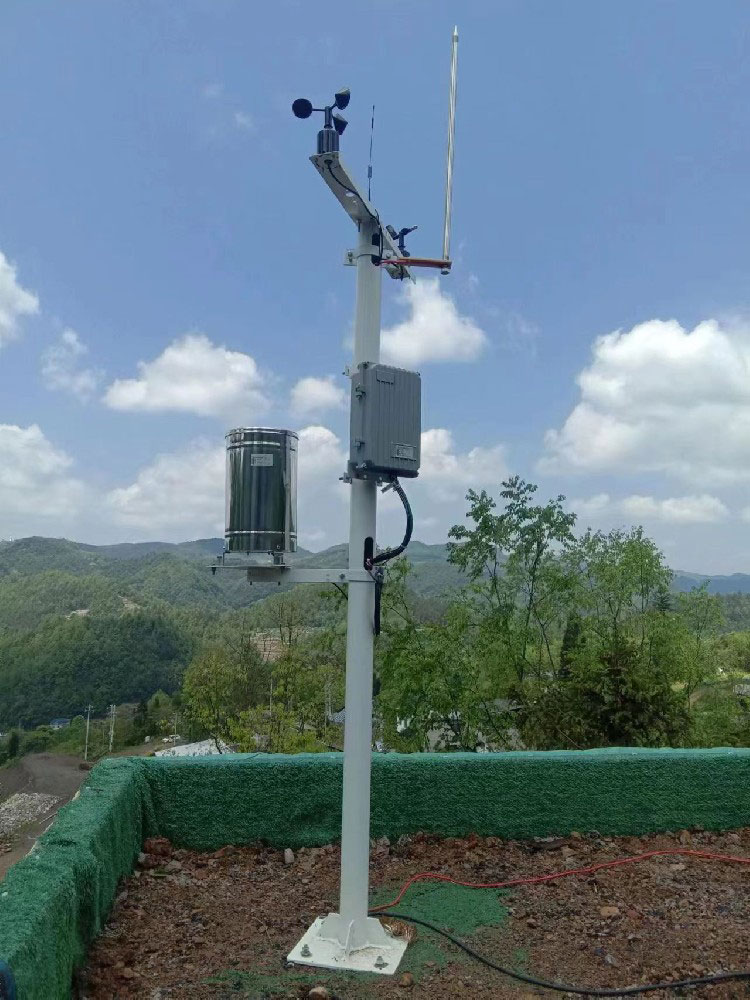
Not without assessing the complete assembly. Sensors, logger, enclosure, glands and joints have different requirements. Identify the rating and installation conditions of the relevant parts.
No. Channel capacity and supplied instruments are different. A multi-parameter device can provide several values, while available inputs may be unused. Compare the actual model and channel schedule.
No. It needs an identified load, usable energy and operating conditions. Include conversion losses, temperature and design allowances in the project-specific sizing rather than adopting a duration alone.
Identify the measured quantity, suitable reference, procedure and retained result. If the function only changes settings or compensates a signal, describe it accurately instead of assuming it provides calibration of the complete station.
Provide the proposed model list, the conflicting figures and the project condition they must satisfy. Request a revised itemized schedule covering hardware and required software or tests before confirming the supply.
A weather station specification sheet is useful when each value has a clear scope and a practical verification method. Separate measurement, hardware and configured software claims. Comparing the actual NiuBoL component list and operating conditions gives the buyer a firmer basis for selection than a collection of generic station promises.
Prev:Ultrasonic Weather Stations for Meteorological Monitoring
Next:Automatic Weather Station Optional Sensors: PAR, Sunshine, Soil and CO2
Related recommendations
Sensors & Weather Stations Catalog
 Agriculture Sensors and Weather Stations Catalog-NiuBoL.pdf
Weather Stations Catalog-NiuBoL.pdf
Agriculture Sensors Catalog-NiuBoL.pdf
Water Quality Sensor Catalog-NiuBoL.pdf
Related products
 Combined air temperature and relative humidity sensor
 TDR Soil Moisture & Temperature Sensor for irrigation| RS485 |4-20mA| NBL-S-THR
 Soil pH sensor RS485 soil Testing instrument soil ph meter for agriculture |NBL-S-PH
 Wind Speed sensor Output Modbus/RS485/Analog/0-5V/4-20mA
 Tipping bucket rain gauge for weather monitoring auto rainfall sensor RS485/Outdoor/stainless steel
 Pyranometer Solar Radiation Sensor 4-20mA/RS485


Screenshot, WhatsApp to identify the QR code
WhatsApp number:+8615367865107
(Click on WhatsApp to copy and add friends)

