





— Blogs —
—Products—
 Consumer hotline +8618073152920
 WhatsApp:+8615367865107
Address:Room 102, District D, Houhu Industrial Park, Yuelu District, Changsha City, Hunan Province, China
Product knowledge
Time:2025-12-04 10:53:41 Popularity:1636
As society's attention to meteorology continues to rise, technological advancements are driving changes in meteorological observation methods. An automatic weather station is a high-tech meteorological monitoring device controlled by electronic equipment or computer systems, capable of independently and automatically observing and storing meteorological data without human intervention, forming a complete small-scale meteorological observation system.
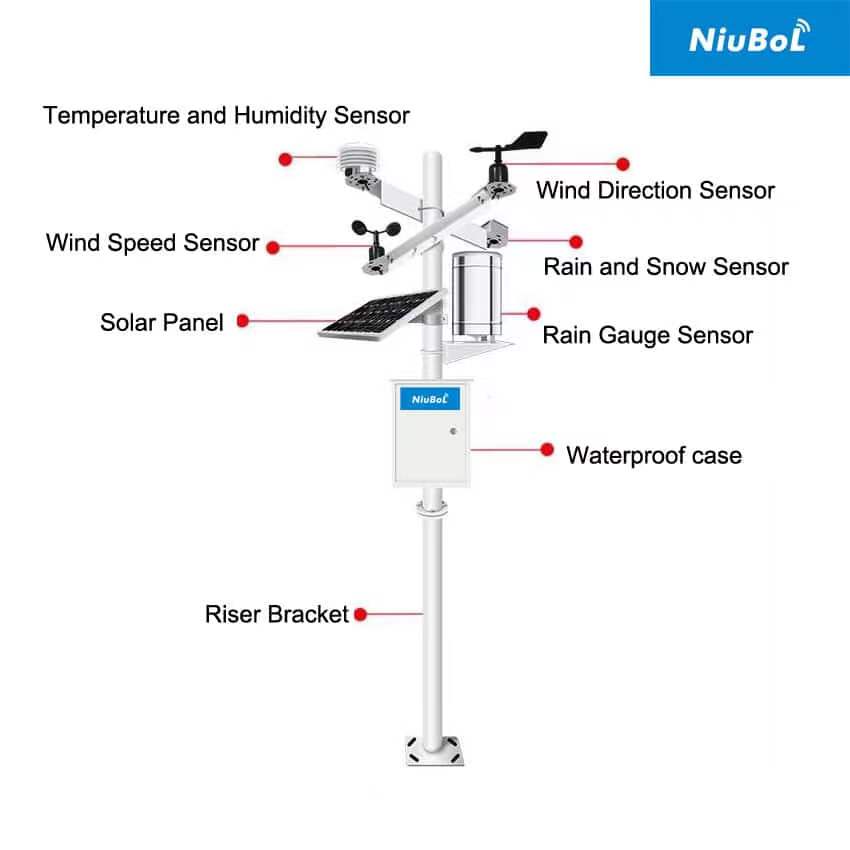
Automatic weather stations are gradually replacing traditional manual observation stations, becoming the mainstream method for meteorological data collection. Their advantages lie not only in efficiency but also in data quality and environmental adaptability.
| Advantage Feature | NiuBoL Automatic Weather Station | Traditional Manual Weather Station |
| Operation Mode | All-weather operation (24-hour uninterrupted), high-frequency observations. | Relies on manual shifts, lower observation frequency. |
| Data Stability | Stable monitoring, continuous data recording even in harsh weather (snowfall, floods). | Limited by personnel survival conditions and operational safety, may interrupt or affect data in harsh weather. |
| Error Control | Reduces errors through electronic control, avoiding human operation and subjective judgment errors. | Prone to human errors in reading, recording, timing, etc. |
| Environmental Adaptability | Strong adaptability, depends only on instrument performance, deployable in hard-to-reach areas. | Limited by personnel survival and working conditions, restricted deployment locations. |
| Data Timeliness | Timely response, real-time transmission to central stations and cloud platforms, supporting rapid meteorological reports. | Data processing and transmission have delays. |
| Networking | Connectable via IoT technology to central stations/cloud platforms for networked observation and centralized analysis. | Data is scattered, difficult for efficient, large-scale real-time monitoring and long-term tracking. |
In small-scale precipitation monitoring, automatic weather stations effectively capture and record precipitation, filling monitoring gaps in traditional stations and providing more accurate and timely data support for forecasting and decision-making.
The NiuBoL fully automatic small weather station is designed with high integration and high reliability principles, ensuring stable and precise monitoring in various environments.
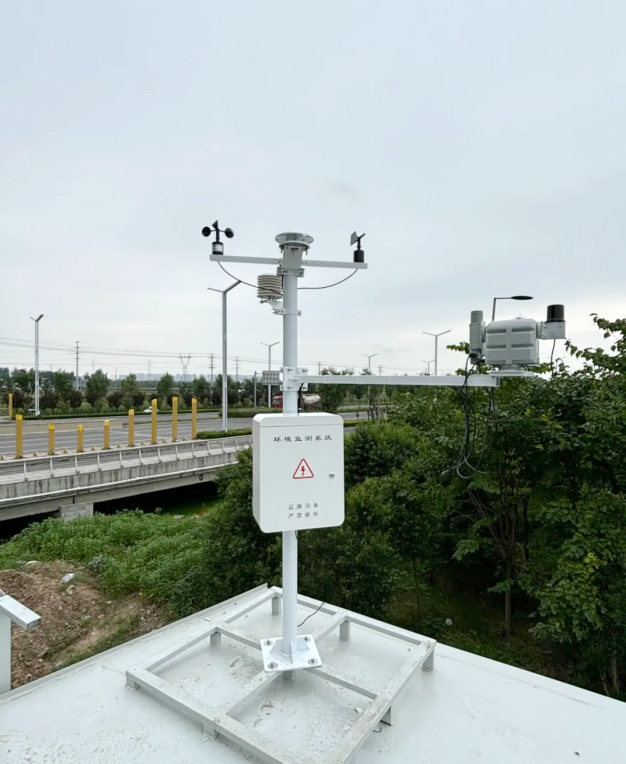
Function: Specialized for real-time monitoring of meteorological parameters, requiring high accuracy and reliability.
Configuration: Standard includes air temperature, humidity, wind speed, wind direction, rainfall, sunshine duration, etc. Optional: soil temperature, humidity, salinity, and rain/snow detection sensors for diversified parameters.
Function: Collects meteorological data, stores data, sets system parameters, and manages communication.
Features: User-friendly interface, easy operation, supports embedded real-time operating systems.
Function: Provides stable power to the weather station.
Configuration: Optional solar photovoltaic charging or AC 220V mains power, ensuring continuous operation in different deployment environments.
Function: Protective enclosure shields internal electronics from harsh weather; bracket provides physical support.
Features: Bracket height and material (e.g., stainless steel/carbon steel) customizable by application. Optional lightning protection for equipment safety.
Function: Transmits data to computers or cloud for statistics and analysis.
Configuration: Standard wireless communication and cloud upload; customizable local methods (e.g., RS485, Ethernet). Powerful software allows data import to computers in EXCEL/CSV formats for easy processing.
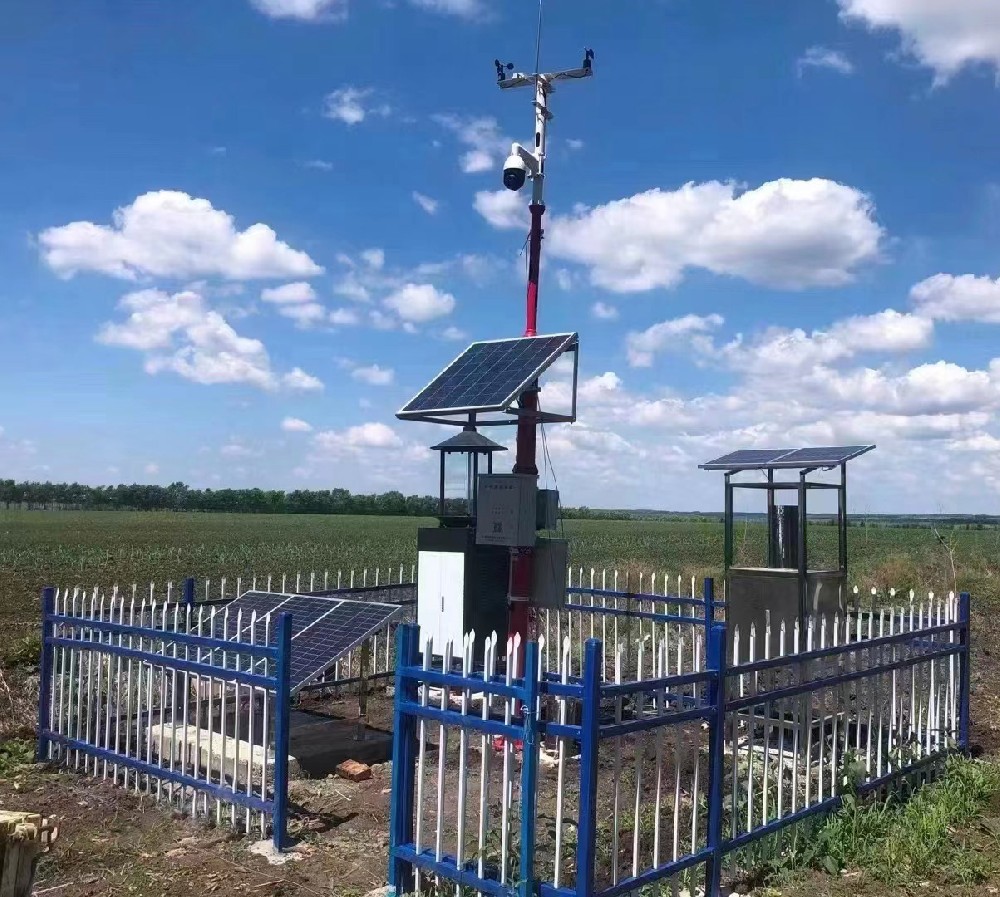
NiuBoL weather stations adopt modular hardware and software design, offering two major advantages:
- Flexible Combination: Users can flexibly select or expand sensors based on needs, easily meeting diverse monitoring requirements.
- Easy Maintenance: Faulty modules can be quickly located and replaced, significantly reducing maintenance difficulty and costs.
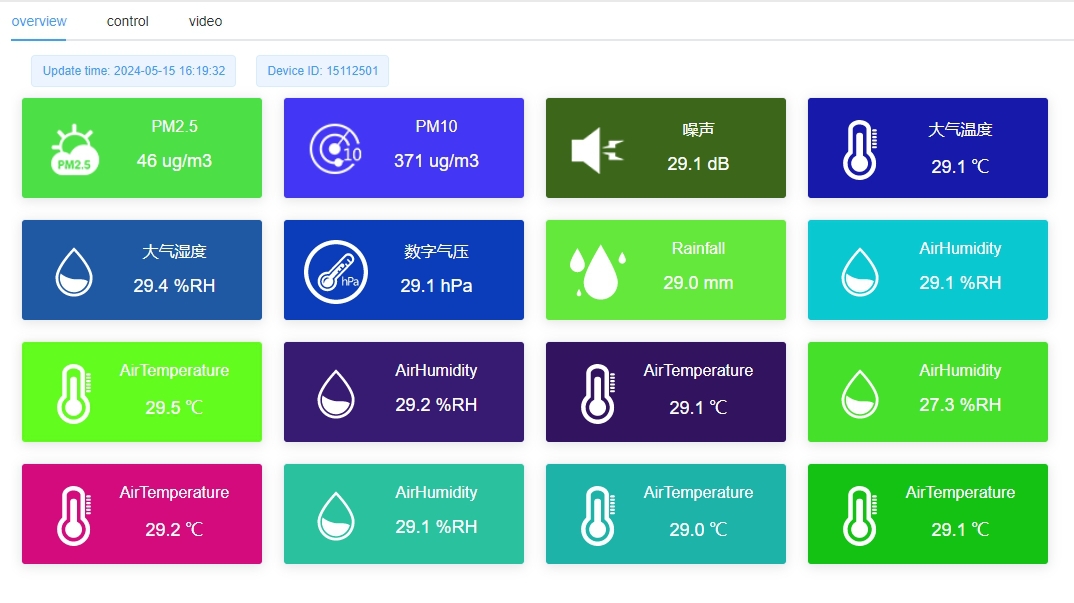
With all-weather, high-precision monitoring, fully automatic small weather stations are widely used in fields requiring fine-grained meteorological data:
1. Water Resources and Flood Control: Especially during flood seasons, real-time small-scale precipitation data supports reservoir scheduling and flood warnings.
2. Smart Agriculture: Monitors soil temperature/humidity, sunshine, wind environment, guiding precise irrigation/fertilization, pest prevention, improving yield and quality.
3. Environmental Research: Provides continuous, high-quality data for environmental change studies and climate modeling.
4. Transportation: Deployed along highways/railways, provides visibility, wind speed/direction data for travel safety.
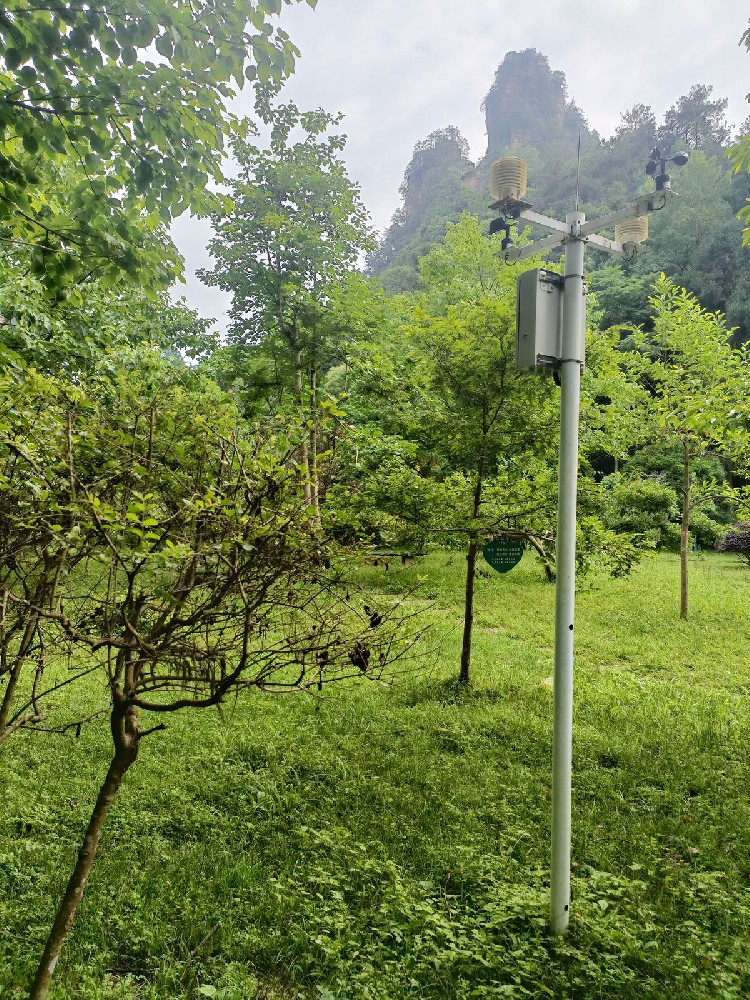
When choosing a NiuBoL fully automatic small weather station, consider the following dimensions:
| Selection Dimension | Core Considerations | NiuBoL Product Advantages |
| Monitoring Parameters | Determine core meteorological elements needed (e.g., soil temperature/humidity, pH, conductivity, salinity). | Sensors customizable, diverse parameters for professional needs. |
| Power Environment | Availability of mains power at deployment site. | Optional solar or AC 220V, strong adaptability. |
| Data Transmission | Local viewing or remote networked management. | Standard wireless and cloud upload, customizable local methods. |
| Deployment Environment | Regional climate (lightning-prone, high humidity/salt). | Configurable lightning protection, corrosion-resistant materials. |
| Data Processing | Requirements for data formats and software functions. | Powerful software, exportable to EXCEL/CSV for easy analysis. |
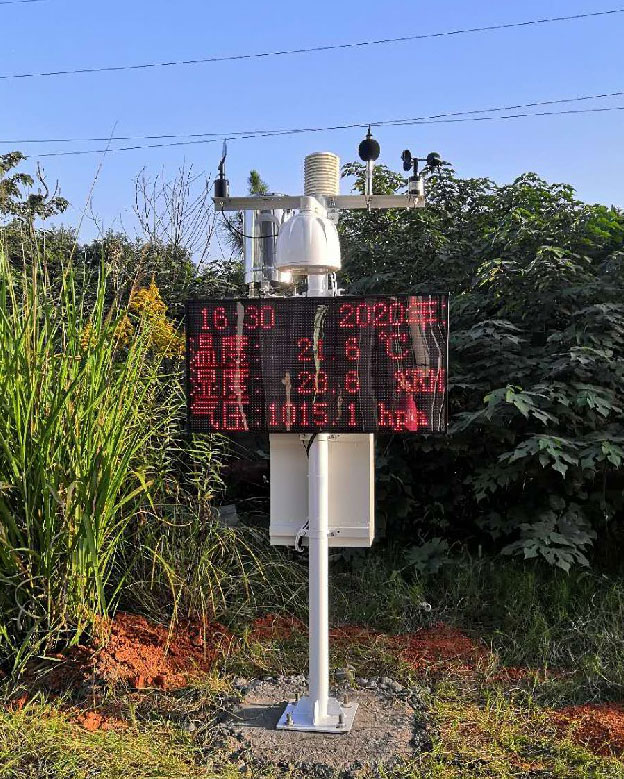
A: They rely on instrument performance rather than manpower, with protective enclosures and lightning protection for stable, reliable hardware, recording data even in snow or floods.
A: High-accuracy sensors, automated electronic observation/collection, avoiding human errors.
A: Mainly solar photovoltaic or AC 220V mains, flexible based on site conditions.
A: Standard wireless and cloud upload via IoT for real-time App/web monitoring.
A: Yes, powerful software exports to EXCEL/CSV formats.
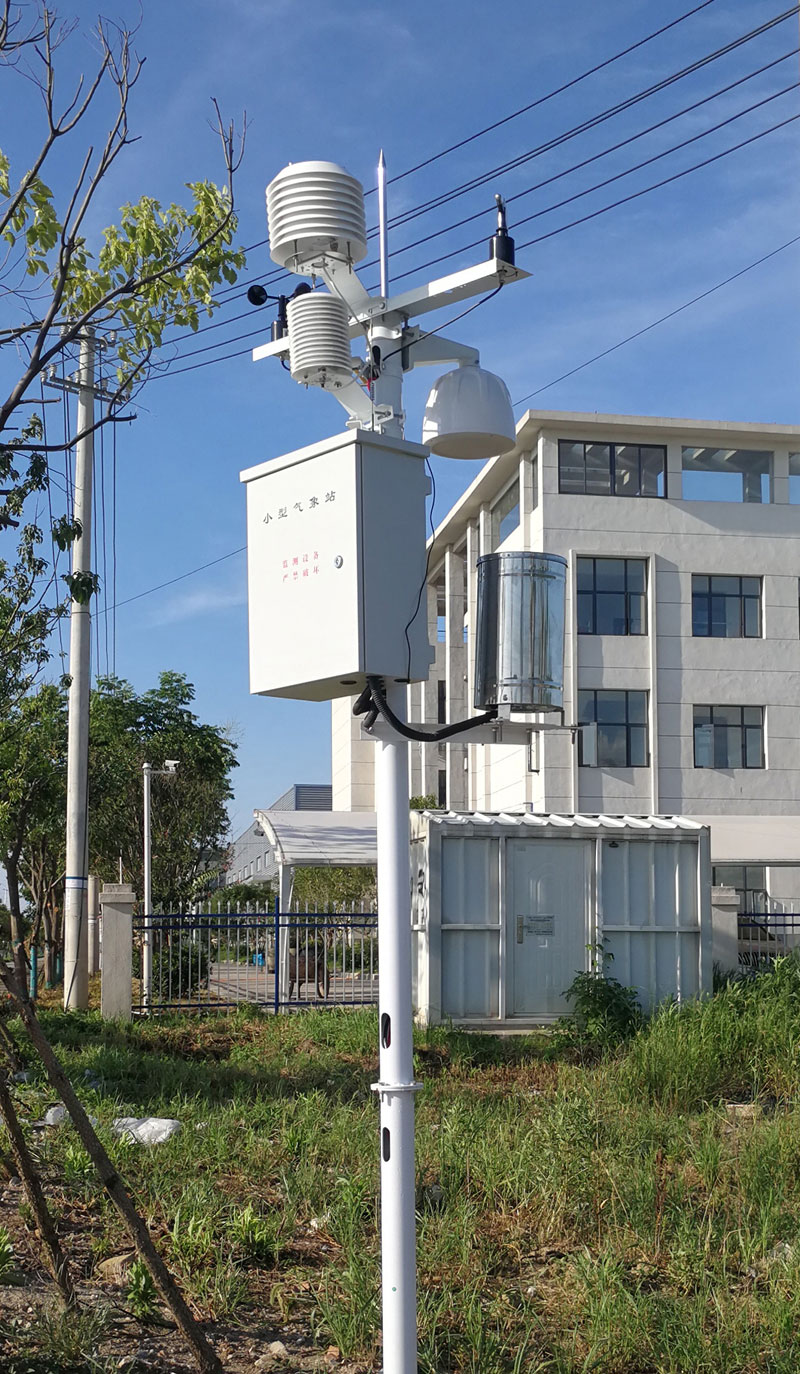
A: Optional soil temperature, pH, humidity, salinity (conductivity) sensors.
A: Hardware/software modular construction; flexible combinations and easy maintenance.
A: Provides frequent, dense data, especially in emergencies/small-scale monitoring, improving timeliness and accuracy.
A: Yes, connect to central stations via IoT for networked observation and data sharing.
A: Yes, user-friendly interface for easy on-site setup and viewing.
A: CE, ISO9001, RoHS, and nationally recognized meteorological calibration certificates.
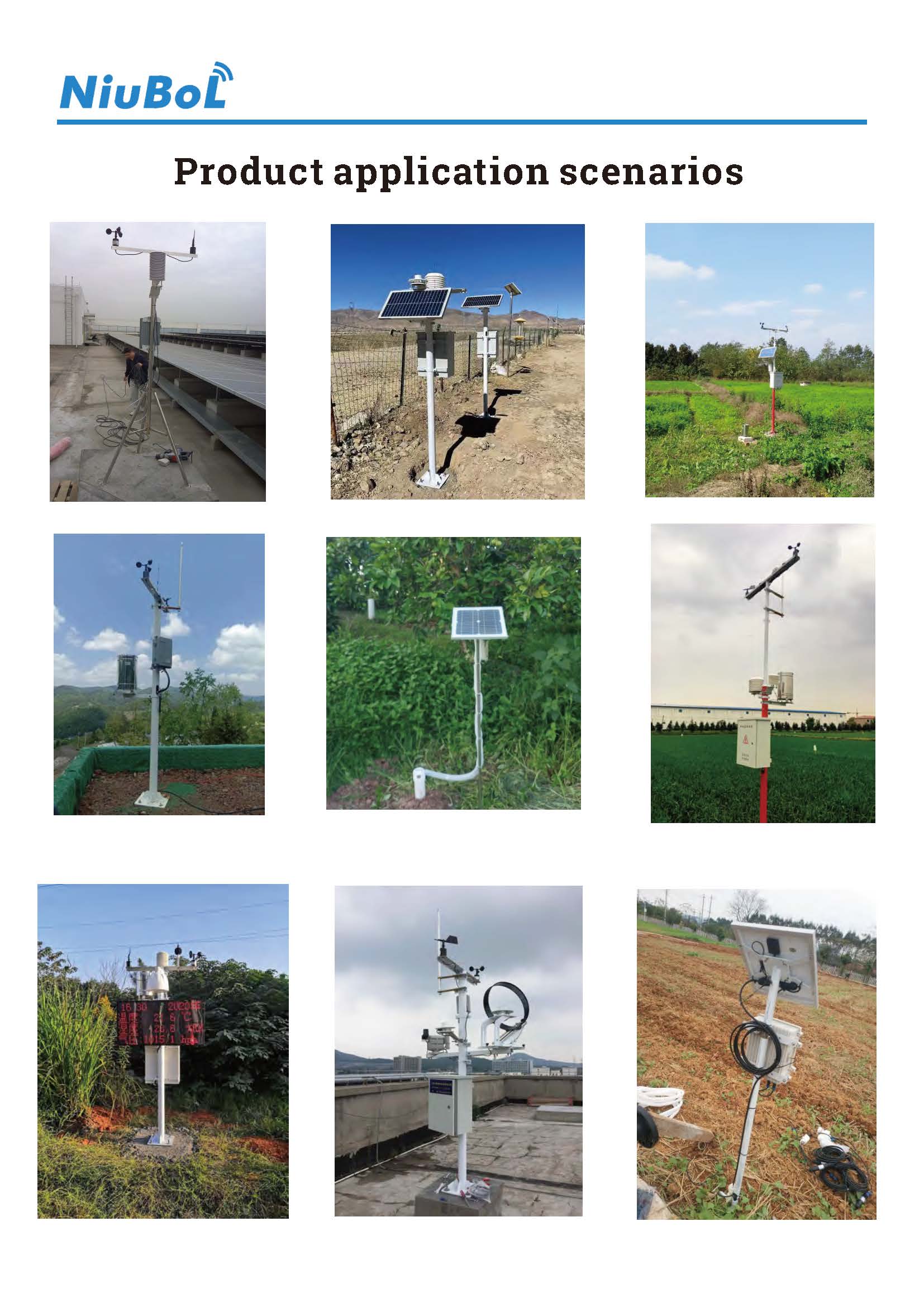
The NiuBoL fully automatic small weather station surpasses traditional manual methods with stable monitoring, reduced human errors, all-weather operation, and strong adaptability. Its modular, customizable design, combined with wireless communication and cloud platforms, provides an efficient, precise, easy-to-operate modern solution.
Whether for flood control, precision agriculture, or scientific research, NiuBoL automatic weather stations deliver high-quality real-time data support—your top choice for revolutionizing meteorological data collection.
Would you like to view a detailed configuration list for the NiuBoL fully automatic small weather station tailored to your industry (e.g., water resources or agriculture)?
Prev:Meteorological Monitoring Station Manufacturer Recommendation
Next:Definition and Core Value of Small Automatic Weather Stations
Related recommendations
Sensors & Weather Stations Catalog
 Agriculture Sensors and Weather Stations Catalog-NiuBoL.pdf
Weather Stations Catalog-NiuBoL.pdf
Agriculture Sensors Catalog-NiuBoL.pdf
Water Quality Sensor Catalog-NiuBoL.pdf
Related products
 Combined air temperature and relative humidity sensor
 TDR Soil Moisture & Temperature Sensor for irrigation| RS485 |4-20mA| NBL-S-THR
 Soil pH sensor RS485 soil Testing instrument soil ph meter for agriculture |NBL-S-PH
 Wind Speed sensor Output Modbus/RS485/Analog/0-5V/4-20mA
 Tipping bucket rain gauge for weather monitoring auto rainfall sensor RS485/Outdoor/stainless steel
 Pyranometer Solar Radiation Sensor 4-20mA/RS485

Screenshot, WhatsApp to identify the QR code
WhatsApp number:+8615367865107
(Click on WhatsApp to copy and add friends)

