





— Blogs —
—Products—
 Consumer hotline +8618073152920
 WhatsApp:+8615367865107
Address:Room 102, District D, Houhu Industrial Park, Yuelu District, Changsha City, Hunan Province, China
Product knowledge
Time:2026-04-14 17:42:30 Popularity:496
The COD analyzer is a core device in industrial wastewater treatment, environmental monitoring, and sewage treatment engineering. It assesses the degree of organic pollution in water bodies by accurately measuring chemical oxygen demand (COD). The higher the COD value, the higher the content of reducing substances (mainly organic matter) in the water, which is crucial for discharge compliance, process optimization, and environmental protection compliance. NiuBoL COD analyzers support multiple measurement principles, including potassium dichromate spectrophotometry, sealed digestion, and rapid digestion technology, suitable for wastewater monitoring in chemical, petroleum, papermaking, pharmaceutical, metallurgical and other industries. This article focuses on B2B procurement needs, systematically compares mainstream measurement methods, explains engineering application points and equipment integration solutions, and helps technical teams and project leaders optimize water quality monitoring system selection.
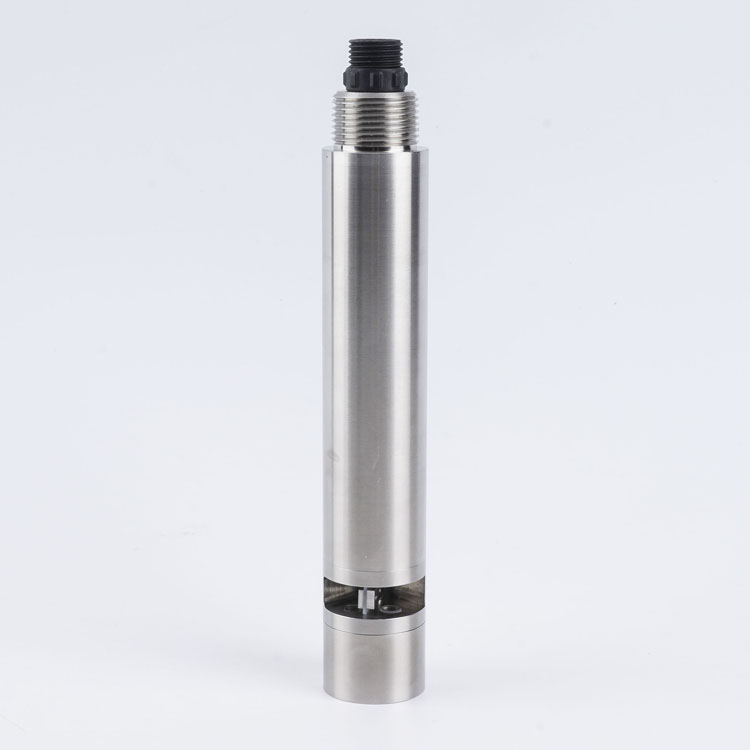
Chemical oxygen demand (COD) is defined as the amount of oxidant consumed when reducing substances in a water sample are oxidized by a strong oxidant under specified conditions, expressed in mg/L of oxygen. It is a key comprehensive indicator for evaluating the degree of organic pollution in water bodies and directly reflects sewage treatment efficiency and discharge compliance. In industrial scenarios, COD monitoring is used for process control, inlet/outlet water quality assessment, and the construction of online automatic monitoring systems.
High-COD wastewater entering natural water bodies will consume a large amount of dissolved oxygen, leading to hypoxia and ecological damage. Therefore, environmental protection standards (such as comprehensive wastewater discharge standards) have clear requirements for COD limits in different industries. In engineering practice, COD analyzers need to meet technical indicators of high precision, wide range, and strong anti-interference ability to adapt to complex water quality conditions, such as high-chlorine, high-turbidity, or high-organic-load wastewater.
The NiuBoL series COD analyzers combine multiple measurement principles to provide laboratory rapid detection and online continuous monitoring solutions, supporting industrial protocols such as RS-485 Modbus RTU for easy access to PLC, DCS, or SCADA systems to achieve remote data transmission and automated control.
COD analyzers are designed with multiple measurement principles according to the use environment and precision requirements. Each method differs in digestion method, detection technology, and applicable scope. Engineering selection needs to comprehensively evaluate water quality characteristics, detection frequency, and cost control.
This method is currently the mainstream choice for COD speed meters and online detectors. In a strong acid medium, potassium dichromate is used as the oxidant, silver sulfate as the catalyst, and mercuric sulfate as the chloride ion masking agent. After high-temperature sealed digestion, the absorbance of Cr³⁺ is measured by spectrophotometry (usually near 600 nm wavelength). Digestion time is short (10-15 minutes), reagent consumption is low, operation is simple, and the degree of automation is high, suitable for batch detection and online monitoring.
Advantages include fast measurement speed, low energy consumption, and the ability to achieve continuous or semi-continuous analysis. The disadvantage is that the measurement results have a certain deviation from the traditional potassium dichromate standard method and need to be corrected through a calibration curve. It is suitable for monitoring industrial wastewater and domestic sewage with medium to low chloride ion concentrations.
This method is the arbitration method. In a strong acid solution, potassium dichromate oxidizes reducing substances in the water sample. After heating and refluxing for 2 hours, the remaining oxidant is titrated with ferrous ammonium sulfate, and the COD value is calculated. It is suitable for various water qualities and provides high-accuracy results.
However, this method has complex operation, long heating reflux time, large equipment volume, and is difficult to achieve batch processing. It also requires the use of silver salt catalysts, resulting in high costs. In industrial field applications, it is mainly used for calibrating other rapid methods or high-precision arbitration detection.
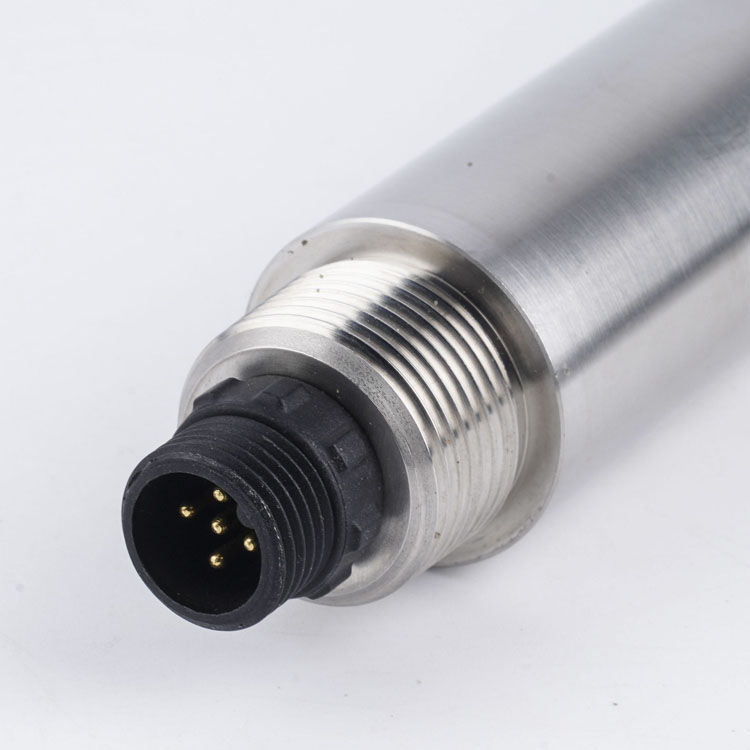
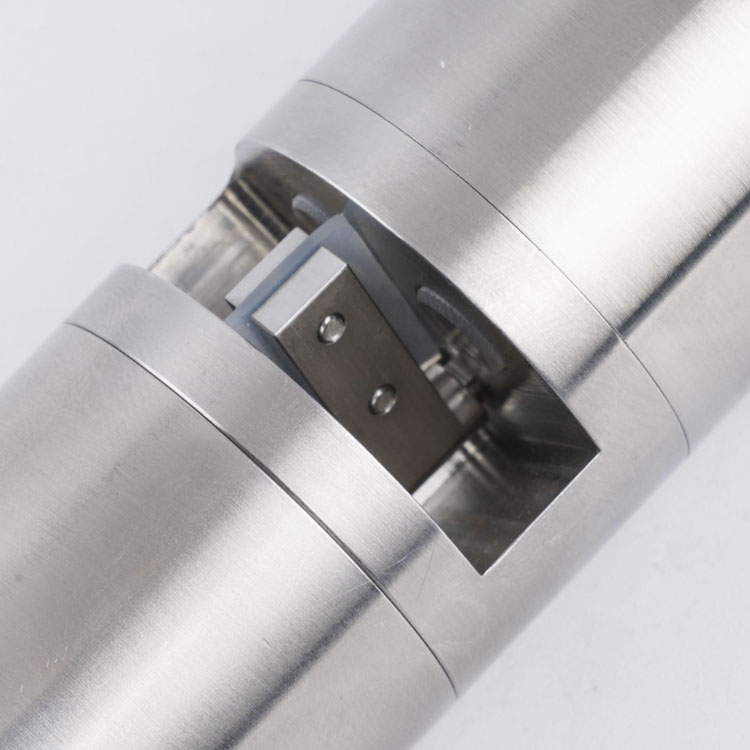
The UV method indirectly measures using the absorption characteristics of organic matter in the ultraviolet band (usually 254 nm), without chemical digestion. It is suitable for colorless, transparent, and compositionally stable water qualities, such as surface water or deeply treated effluent. It has the advantages of accurate measurement, low investment cost, and fast response.
The limitations are obvious: it is sensitive to substances that do not have ultraviolet absorption, such as ethanol and organic acids. Measurement results are easily interfered with and difficult to widely promote in complex industrial wastewater. In engineering, it is often used as an auxiliary monitoring method in combination with other methods.
In a sulfuric acid medium, potassium dichromate is used as the oxidant. After digestion, the remaining oxidant is titrated by coulometric titration, and COD is calculated according to Faraday’s law. It is suitable for the measurement of drinking water, surface water, industrial sewage, and domestic wastewater, with results highly consistent with the potassium dichromate standard method.
This method has simple operation, fast measurement speed, good precision, and does not require a large amount of chemical reagents. It is suitable for rapid detection in laboratories and on-site. The disadvantage is that it has high requirements for instrument electrode system maintenance.
Microwave digestion technology uses microwave energy for rapid and uniform heating, significantly shortening digestion time (can be shortened to a fraction of traditional methods), and combines spectrophotometry to measure absorbance. This method improves digestion efficiency and ensures data reliability, and is expected to gradually replace some traditional measurement methods.
The advantages are uniform digestion, short time, and relatively low energy consumption. When selecting, attention should be paid to microwave power stability and safety protection design. It is suitable for laboratories or online systems that require high-throughput processing.
| Measurement Method | Applicable Range (mg/L) | Main Advantages | Main Limitations | Typical Application Scenarios |
|---|---|---|---|---|
| Potassium Dichromate Spectrophotometry | 10-10000 | Fast speed, high automation, less reagents | Slight deviation from standard method | Industrial wastewater online monitoring, batch detection |
| Potassium Dichromate Standard Reflux Method | 30-700 | Highest accuracy (arbitration method) | Complex operation, large equipment, high cost | Calibration and high-precision arbitration |
| UV Absorption Method | Depends on water quality | Fast, no reagents, low cost | Interfered by non-UV absorbing substances | Stable transparent water quality auxiliary monitoring |
| Coulometric Titration | 0-5000 | Consistent results, simple operation | High electrode maintenance requirements | Laboratory and on-site rapid detection |
| Microwave Digestion Spectrophotometry | Wide range | High efficiency, uniform heating | High equipment power stability requirements | High-throughput laboratory processing |
NiuBoL COD analyzers are optimized for industrial site requirements and support mainstream principles such as potassium dichromate rapid digestion spectrophotometry, taking into account laboratory and online applications. The equipment adopts a high-stability light source system, precise temperature control module, and anti-interference circuit to ensure long-term reliable operation under complex water quality conditions.
Key technical advantages include:
Wide range coverage to meet the needs from low-concentration surface water to high-concentration industrial wastewater.
Automatic temperature compensation and chloride ion masking optimization to reduce interference from high-chlorine wastewater.
Support for Modbus RTU protocol for easy integration with PLC, DCS, and host computer systems to achieve data collection, alarms, and remote monitoring.
Sealed digestion tube design improves safety and reagent utilization.
IP protection level adapts to outdoor or humid industrial environments.
In engineering integration, NiuBoL COD analyzers can be deployed at sewage treatment station inlets/outlets, industrial discharge outlets, or environmental automatic monitoring stations. Through 4-20mA or RS-485 output, they seamlessly dock with existing control systems, supporting historical data storage, trend analysis, and over-limit linkage control to help achieve intelligent water quality management.
NiuBoL COD analyzers are widely used in the following engineering fields:
Chemical and Petroleum Industry Wastewater Treatment: Monitor high-organic-load wastewater and optimize biochemical treatment process parameters.
Papermaking, Brewing, Pharmaceutical, and Metallurgical Industries: Real-time grasp of discharge outlet COD levels to ensure compliant discharge.
Municipal Sewage Treatment Plants: Inlet/outlet water quality comparison analysis to improve treatment efficiency and energy utilization.
Environmental Monitoring Stations: Surface water, groundwater, and emergency monitoring to provide continuous and reliable data support.
When selecting, it is recommended to focus on the following engineering parameters:
Whether the measurement range and accuracy cover the project water quality fluctuation range.
Anti-chloride ion interference capability (especially for pharmaceutical and chemical wastewater).
Digestion time and throughput to match detection frequency requirements.
Communication interfaces and protection levels to adapt to site integration environments.
Maintenance convenience and reagent consumption costs to reduce long-term operating expenses.
For high-chlorine or high-turbidity water quality, models equipped with dedicated masking modules and automatic cleaning functions can be prioritized; for laboratories with large batch detection needs, rapid-type equipment supporting multi-hole digestion and direct concentration reading is recommended.
During installation, select wall-mounted, cabinet-type, or pipeline integration methods according to site conditions to ensure reasonable immersion positions for sensors or digestion modules and avoid interference from air bubbles or sediments. Use stable industrial power supply and shield communication cables properly.
In daily use, regularly calibrate the instrument (using standard samples) and check digestion temperature uniformity and light source stability. Maintenance focuses on cleaning colorimetric cells or electrodes, replenishing reagents, and checking the integrity of seals. For long-term operation, it is recommended to establish equipment operation logs and plan maintenance cycles in advance based on data trends.
Q1. What is the most commonly used measurement method for COD analyzers?
Potassium dichromate rapid digestion spectrophotometry is the most mainstream method in industrial applications, featuring short digestion time, high degree of automation, and suitability for online monitoring.
Q2. Is there a difference between the results of the potassium dichromate standard method and spectrophotometry?
There is a certain deviation. Spectrophotometry results usually need to be corrected by comparing with the standard method through a calibration curve, but in engineering monitoring, its accuracy can already meet most compliance requirements.
Q3. Which measurement method should be selected for high-chlorine wastewater monitoring?
Potassium dichromate spectrophotometry or coulometric titration equipped with effective chloride ion masking agents should be prioritized, and attention should be paid to the instrument’s anti-interference algorithm design.
Q4. What water quality conditions is the UV method suitable for?
It is mainly suitable for colorless, transparent, and relatively stable water bodies, such as treated effluent or surface water, and is not suitable for complex industrial wastewater.
Q5. What are the advantages of the microwave digestion method compared to traditional digestion?
It significantly shortens digestion time, improves heating uniformity and efficiency, and is suitable for laboratory scenarios that require high-throughput processing.
Q6. How does the COD analyzer integrate with industrial control systems?
Through standard protocols such as RS-485 Modbus RTU and 4-20mA, it can be directly connected to PLC, DCS, or SCADA systems to achieve real-time data transmission and automatic control.
Q7. Which type of COD analyzer should be selected for laboratory batch detection?
Rapid-type instruments supporting multi-hole digestion and direct concentration reading by spectrophotometry are recommended, balancing efficiency and accuracy.
Q8. What technical indicators should be focused on during selection?
Focus on range, accuracy, digestion time, anti-interference capability, communication protocol, protection level, and long-term stability to match specific engineering needs.
The choice of COD analyzer measurement method directly affects the accuracy, efficiency, and operating costs of the water quality monitoring system. By comparing principles such as potassium dichromate spectrophotometry, standard method, UV method, coulometric titration, and microwave digestion spectrophotometry, enterprises can formulate the optimal solution according to water quality characteristics and process requirements. NiuBoL COD analyzers provide professional water quality monitoring support for chemical, environmental protection, sewage treatment, and other industries with reliable engineering design and flexible integration capabilities.
In the project planning stage, it is recommended to conduct method verification and equipment testing in combination with on-site water sample characteristics. If you need technical solutions, parameter customization, or system integration consultation for specific industry wastewater, please contact the NiuBoL professional engineer team to jointly build an efficient and stable water quality control system.
Related recommendations
Sensors & Weather Stations Catalog
 Agriculture Sensors and Weather Stations Catalog-NiuBoL.pdf
Weather Stations Catalog-NiuBoL.pdf
Agriculture Sensors Catalog-NiuBoL.pdf
Water Quality Sensor Catalog-NiuBoL.pdf
Related products
 Combined air temperature and relative humidity sensor
 Soil Moisture Temperature sensor for irrigation|NBL-S-THR
 Soil pH sensor RS485 soil Testing instrument soil ph meter for agriculture |NBL-S-PH
 Wind Speed sensor Output Modbus/RS485/Analog/0-5V/4-20mA
 Tipping bucket rain gauge for weather monitoring auto rainfall sensor RS485/Outdoor/stainless steel
 Pyranometer Solar Radiation Sensor 4-20mA/RS485

Screenshot, WhatsApp to identify the QR code
WhatsApp number:+8615367865107
(Click on WhatsApp to copy and add friends)

