





— Blogs —
—Products—
 Consumer hotline +8618073152920
 WhatsApp:+8615367865107
Address:Room 102, District D, Houhu Industrial Park, Yuelu District, Changsha City, Hunan Province, China
Product knowledge
Time:2026-04-14 17:22:58 Popularity:452
pH value in pond water quality standards is a core physicochemical indicator that directly affects the colloidal charge state of aquaculture water, ammonia nitrogen balance, and organic matter degradation efficiency. In industrialized aquaculture, environmental water quality monitoring, and chemical process control fields, precise mastery and regulation of pH value has become a key link to improve productivity and reduce operating costs. The NiuBoL NBL-WQ-PH online pH monitor adopts the glass electrode method and RS-485 Modbus RTU protocol, which can be seamlessly integrated into PLC and DCS systems, providing stable and reliable online data support for pond water quality management. This article systematically explains pond water quality pH standards, regulation strategies, and professional monitoring equipment selection points to help engineering technicians and project decision-makers achieve automated water quality control.
pH value is defined as the negative logarithm of hydrogen ion activity in solution and is a key parameter for measuring the acid-base balance of water bodies. In the pond water quality standard system, pH value is a basic physicochemical indicator that directly participates in the regulation of colloidal charge state in water bodies, the balance between ammonia and ammonium ions, and ion adsorption and release processes.
In actual engineering applications, changes in pH value will significantly affect organic matter sedimentation efficiency, fertilizer utilization rate, and the absorption and transformation of humus by cultured objects. A stable pH environment can optimize the activity of nitrifying bacteria, promote the conversion of ammonia nitrogen to nitrate, and thus maintain the self-purification capacity of water bodies. For large-scale pond aquaculture projects, pH fluctuations not only relate to unit yield levels but also directly affect overall energy consumption and chemical input costs.
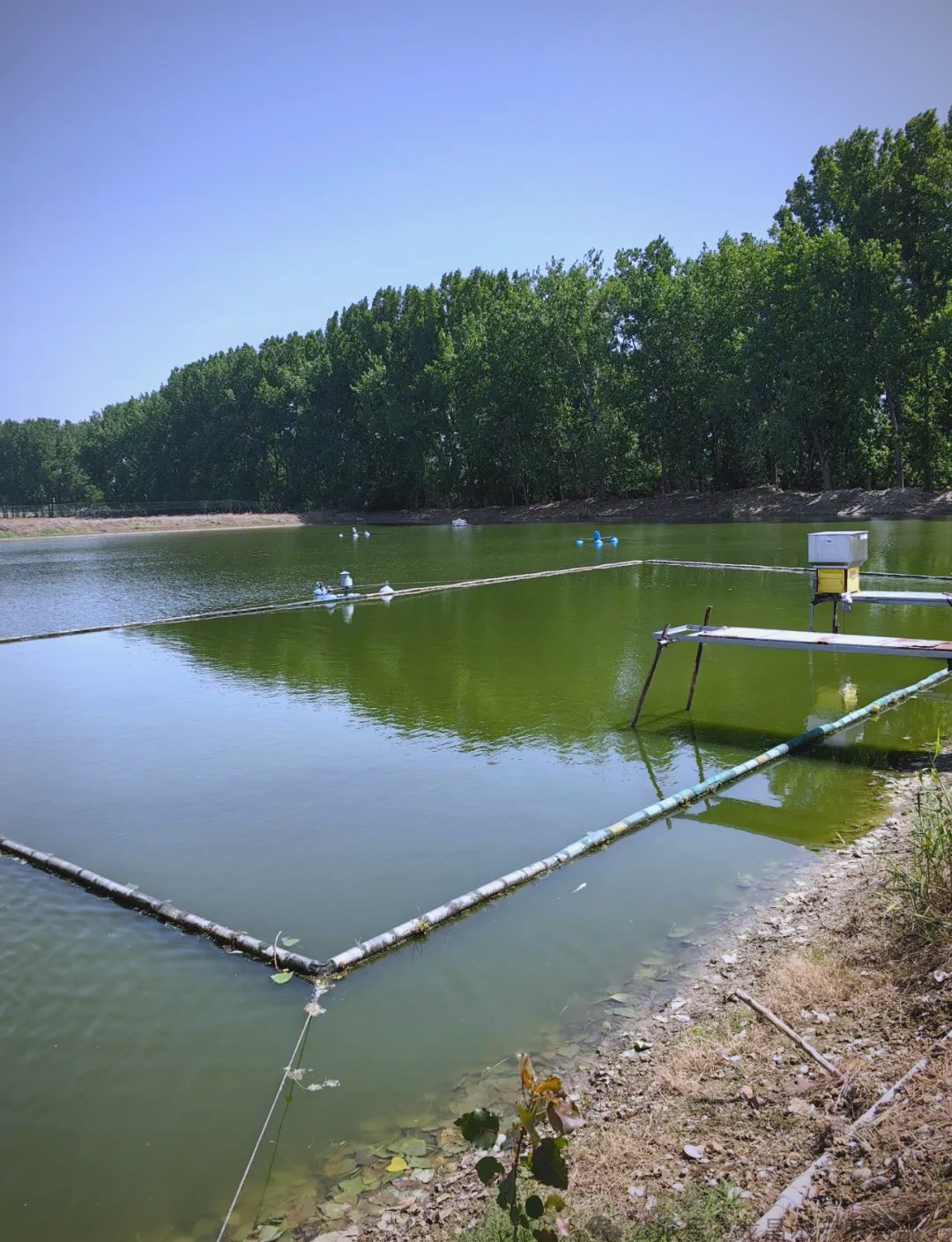
According to aquaculture engineering specifications, the suitable pH value for pond water bodies is usually controlled in the range of 7.5–8.5, i.e., a neutral to slightly alkaline environment. This range can maximize the stability of colloids in water and avoid the inhibition of extreme acid-base conditions on biofilms and microbial communities.
In saline-alkali land or high-buffer-capacity pond projects, special attention should be paid to the morning pH peak value to ensure it does not exceed the upper limit of 9.0–9.5. Continuous deviations below 7.0 or above 8.5 will trigger a chain of physicochemical reactions and increase the difficulty of water quality regulation. Therefore, online pH monitoring should be incorporated into the water quality control system during the engineering design stage, combined with automatic dosing devices to achieve closed-loop management.
When the pond water quality pH value is below 7.0, the acidic environment will significantly inhibit the nitrification process, leading to a decrease in organic matter decomposition rate and weakened photosynthesis. The metabolic rate of cultured objects decreases, feeding and digestion abilities decline, manifested as reduced activity, prolonged growth cycles, and decreased feed conversion rates. At the same time, changes in colloidal surface charge will release adsorbed heavy metal ions, further exacerbating water toxicity risks.
Conversely, when pH value is above 8.5, excessive alkalinity will promote the conversion of ammonia nitrogen to free ammonia, increasing ammonia toxicity. Enhanced colloidal adsorption capacity may lead to the precipitation of nutrients such as phosphorus, affecting phytoplankton growth. In the long term under this state, pond bottom mud aeration deteriorates, organic matter accumulation accelerates, and subsequent dredging and maintenance costs increase.
These impacts are particularly evident in industrialized aquaculture farms: pH fluctuations not only directly reduce survival rates but also indirectly increase labor and chemical expenditures. By deploying high-precision online monitoring equipment, abnormal fluctuations can be controlled within ±0.2, achieving preventive regulation.
pH regulation needs to be formulated in combination with pond working conditions, bottom mud properties, and seasonal changes, prioritizing chemically stable and cost-controllable regulators.
When pH value is below 7.0, it is recommended to apply slaked lime (Ca(OH)₂) or crushed limestone. Slaked lime can quickly neutralize carbonic acid, with the reaction formula Ca(OH)₂ + CO₂ → CaCO₃ + H₂O, while improving bottom mud aeration. During thorough pond cleaning before stocking, it is recommended to use quicklime for comprehensive treatment of silt to make the bottom mud slightly alkaline.
During the breeding period, sprinkle 15–20 kg of quicklime per mu every 10–15 days to maintain a slightly alkaline water body and promote organic matter precipitation. If pH has dropped below 7.0, slaked lime aqueous solution can be used to raise it, with the dosing amount consistent with daily maintenance.
When pH value is above 8.5, gypsum (CaSO₄) or weak acid regulators can be applied, while enhancing the buffering capacity of the water body by cultivating suitable algae. For saline-alkali ponds, when morning monitoring finds pH exceeding 9.0, fresh water should be added in time for dilution, and the upper limit should be strictly controlled to not exceed 9.5.
The above regulation methods need to be based on real-time data. Traditional manual sampling is easily affected by day-night temperature differences and light, with errors up to 0.5 or more. The NiuBoL online pH monitor can provide continuous, high-frequency data, supporting remote monitoring and historical curve analysis to provide decision-making basis for precise dosing.
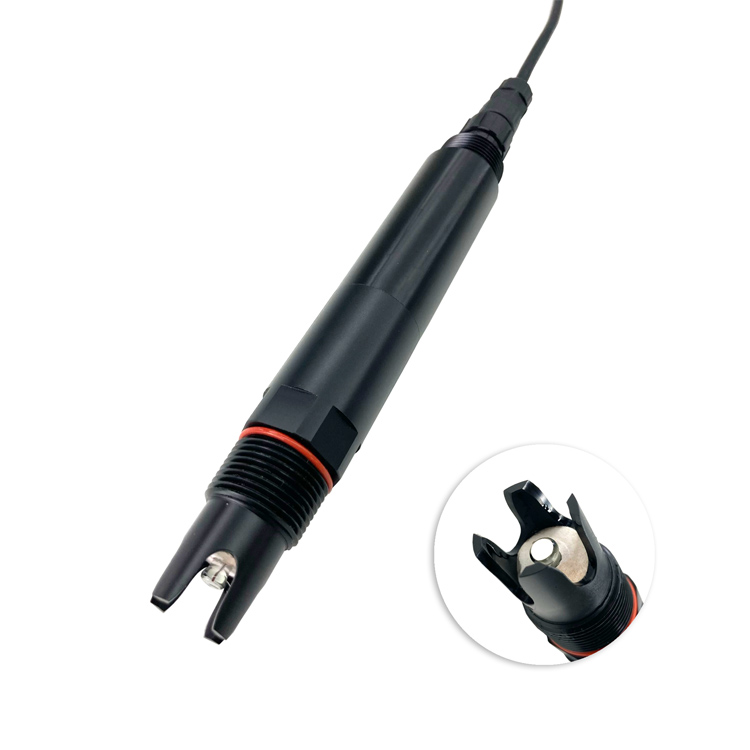
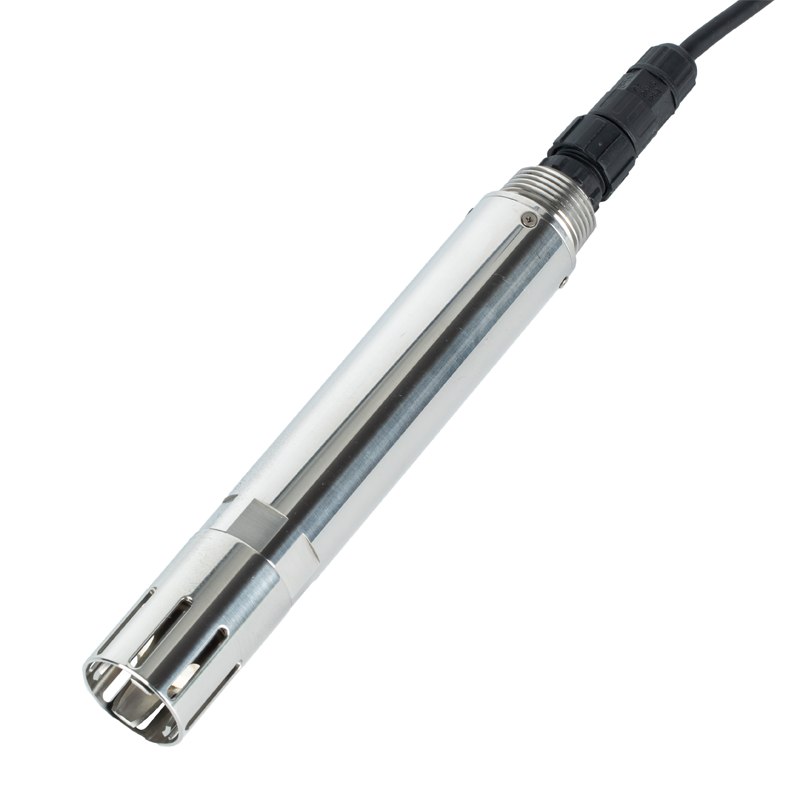
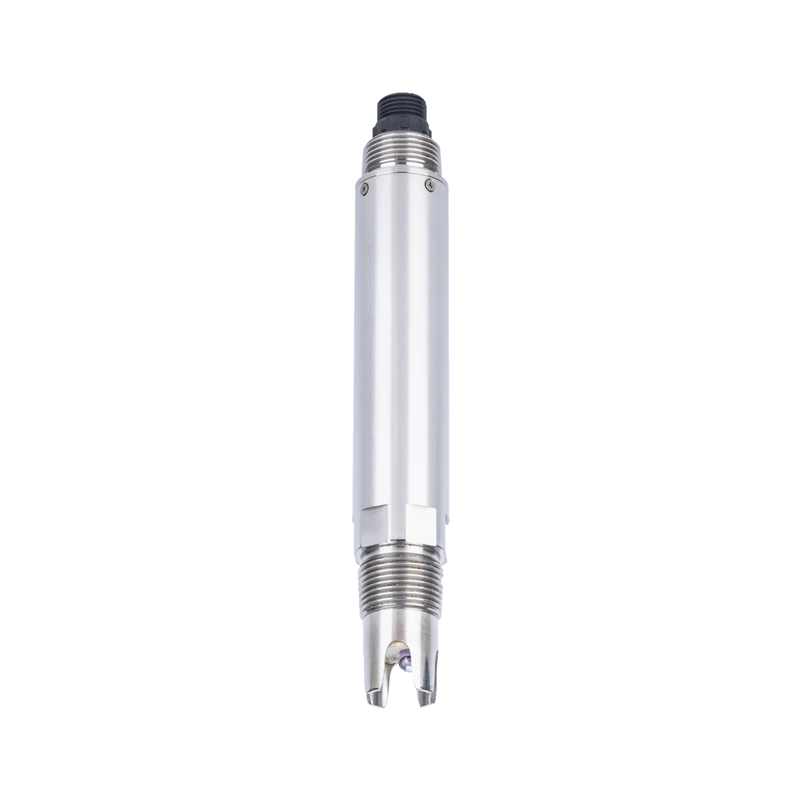
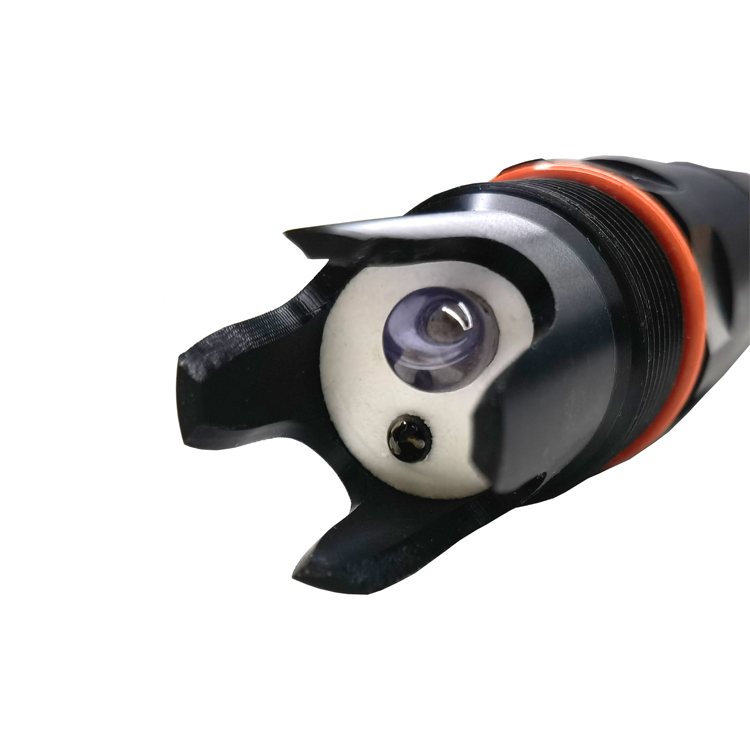
The NiuBoL NBL-WQ-PH online pH monitoring sensor is specially designed for environmental water quality monitoring, acid-base salt solutions, and industrial production process control, meeting the needs of most pond water quality online measurements. The device adopts a patented glass electrode with built-in reference liquid that slowly seeps out under 100kPa pressure, resulting in a significantly longer service life than ordinary industrial electrodes.
| Parameter | Specification Value |
|---|---|
| Model | NBL-WQ-PH |
| Housing Material | ABS/PC alloy |
| Measurement Principle | Glass electrode method |
| Range | 0~14.00 |
| Resolution | 0.01 |
| Accuracy | ±0.1 pH, ±0.3℃ |
| Response Time (T90) | <30s |
| Calibration Method | Two-point calibration |
| Temperature Compensation | Automatic temperature compensation (Pt1000) |
| Output Method | RS-485 (Modbus RTU) |
| Power Supply Voltage | 12~24V DC |
| Power Consumption | 0.2W@12V |
| Protection Level | IP68 |
| Installation Method | Submerged installation, 3/4 NPT |
| Working Temperature | 0~50℃, ≤0.2MPa |
| Storage Temperature | -5~65℃ |
| Cable Length | 5 meters (customizable) |
The dual high-impedance differential amplifier design gives the device strong anti-interference capability and fast response characteristics. It can be directly connected to PLC, DCS, or industrial touch screens to achieve a distributed water quality monitoring network.
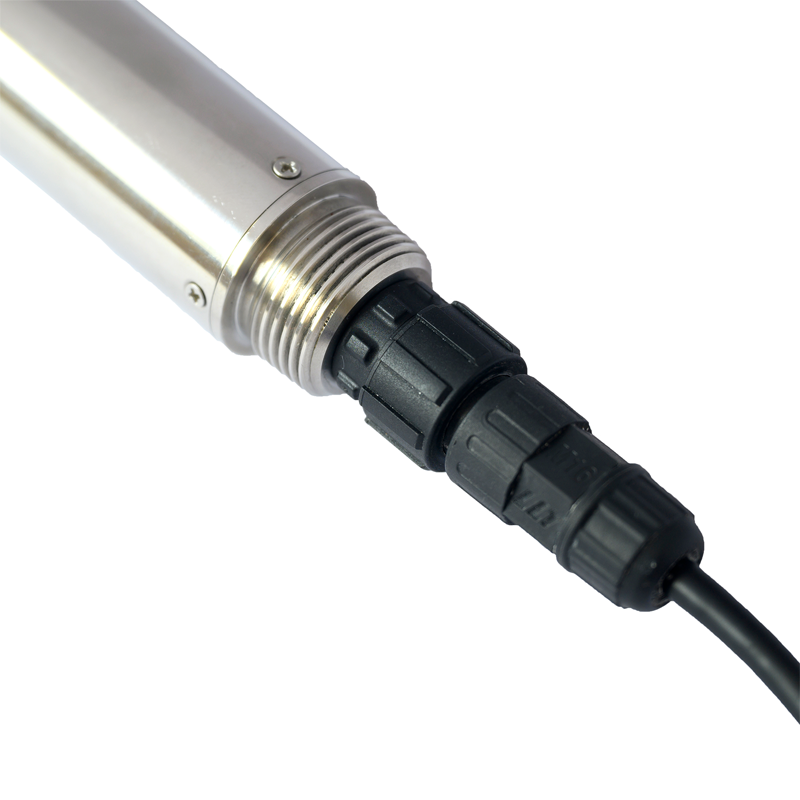
The NiuBoL NBL-WQ-PH online pH monitoring sensor is widely applicable to the following industrial scenarios:
1. Large Pond Aquaculture Bases: Real-time monitoring of multi-point water body pH, linkage with slaked lime or acid dosing systems to maintain a stable range of 7.5–8.5.
2. Industrial Wastewater Treatment Stations: Online monitoring at the outlet of acid-base neutralization pools to ensure discharge meets environmental protection standards.
3. Chemical Reaction Kettles and Circulating Cooling Water Systems: Precisely control reaction pH to improve product yield and equipment life.
4. Environmental Water Quality Automatic Stations: Continuous monitoring of rivers, lakes, and municipal water sources, supporting remote data upload.
The device’s 3/4 NPT standard interface supports submerged or pipeline installation. The IP68 protection level ensures long-term outdoor stable operation. The RS-485 Modbus RTU protocol is compatible with mainstream host computer software, with a short engineering integration cycle and low maintenance cost.
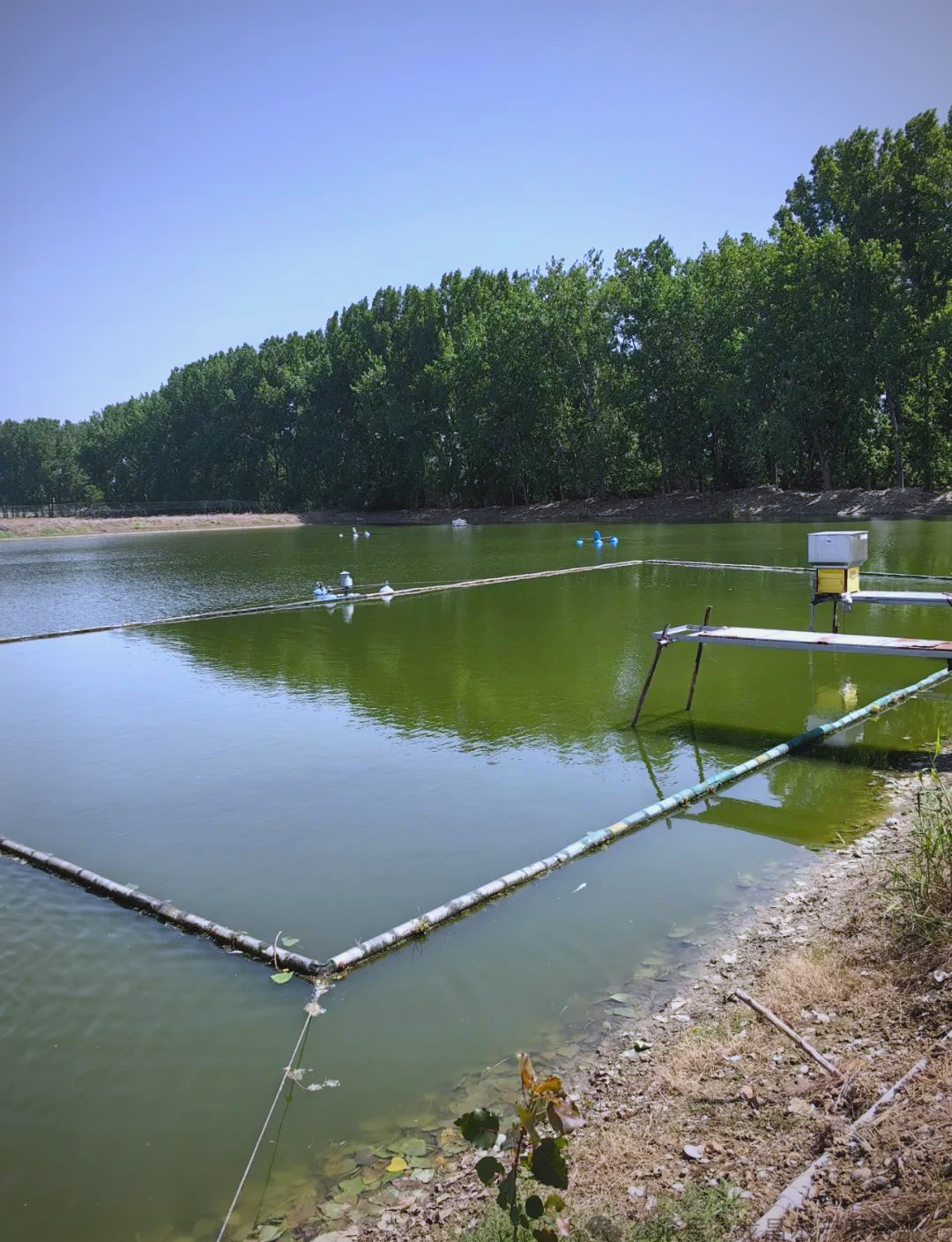
During installation, immerse 1/3 of the sensor in the measured solution. Clean with distilled water before installation and dry with filter paper. Avoid long-term immersion in distilled water or protein solutions to prevent glass membrane contamination.
Daily maintenance: After measurement, clean with distilled water and store dry in 3mol/L potassium chloride protective solution. Keep wiring terminals dry and wipe with anhydrous alcohol if necessary. When semi-transparent or deposits appear after a long service cycle, clean with dilute hydrochloric acid and rinse thoroughly.
Regularly perform two-point calibration with the instrument. If normal calibration cannot be restored after maintenance, it is recommended to replace the electrode in time to ensure measurement accuracy.
Q1. What engineering parameters does pH value mainly affect in pond water quality standards?
pH value directly affects colloidal charge state, ammonia nitrogen balance, and organic matter degradation rate, which in turn determines fertilizer utilization efficiency and growth performance of cultured objects. It is a core input parameter of the water quality control system.
Q2. Is online monitoring or manual detection recommended for industrialized pond aquaculture?
Online monitoring can eliminate manual sampling errors, achieve 24-hour continuous data collection, support automated linkage regulation, significantly reduce labor costs, and improve regulation precision.
Q3. What regulator should be prioritized when pH value is below 7.0?
Slaked lime or quicklime aqueous solution is recommended. The dosing amount is based on 15–20 kg per mu, applied in batches in combination with real-time monitoring data to avoid local over-alkalinity.
Q4. How does the NiuBoL NBL-WQ-PH achieve integration with existing PLC systems?
Through the standard RS-485 Modbus RTU protocol, register addresses can be directly mapped to achieve remote reading of parameters such as pH value and temperature and issuance of control instructions.
Q5. What emergency measures should be taken when morning pH exceeds 9.0 in high saline-alkali ponds?
Immediately add fresh water for dilution while starting online monitoring to continuously track and ensure pH falls below 9.5 to avoid a sharp increase in ammonia toxicity.
Q6. What are the technical advantages of the sensor’s reference system?
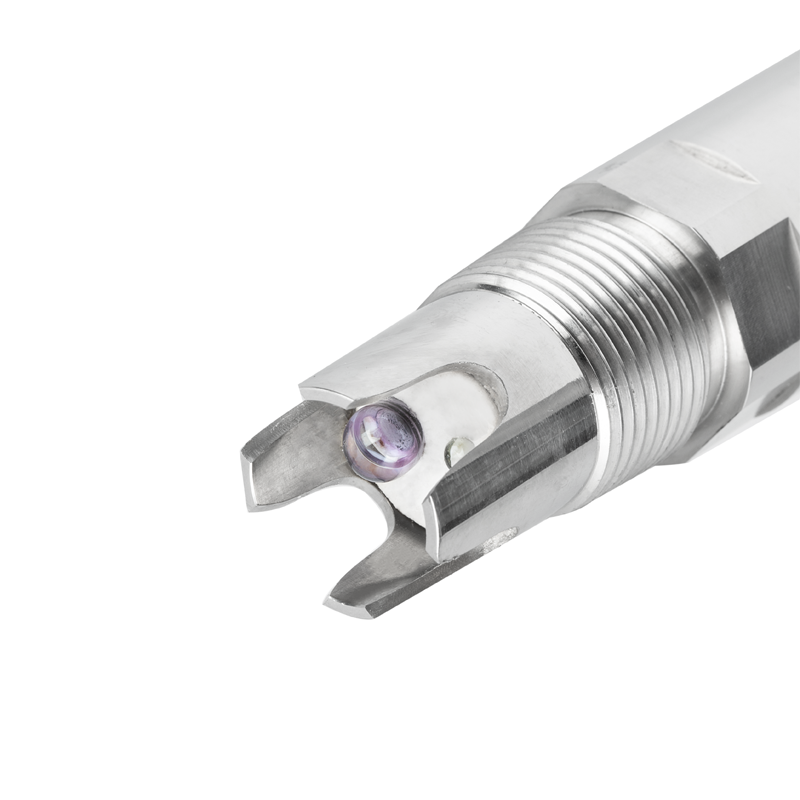
The patented microporous salt bridge design allows the reference liquid to slowly seep out under 100kPa pressure, with a service life exceeding 20 months, significantly improving electrode stability in highly polluted pond environments.
Q7. What should be done when the sensor shows measurement drift?
First clean with distilled water and dry, then perform two-point calibration. If it still cannot be restored, check for glass membrane deposits and clean with dilute hydrochloric acid; replace the sensor if necessary.
Q8. What indicators should be focused on when selecting industrial-grade pH monitors?
Focus on accuracy (±0.1 pH), protection level (IP68), communication protocol (Modbus RTU), temperature compensation method, and electrode service life to ensure long-term reliable operation and low maintenance costs.
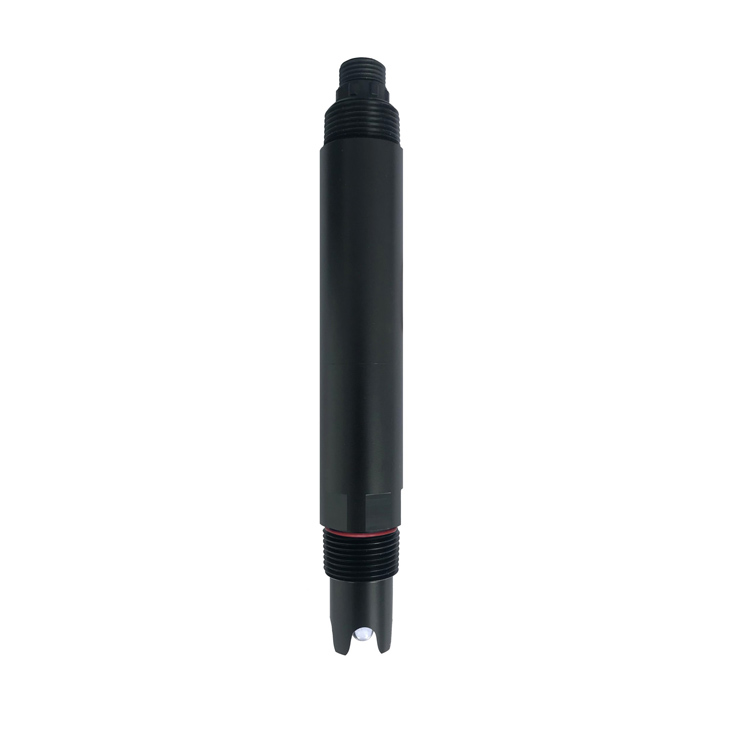
Precise monitoring and regulation of pH value in pond water quality standards is the foundation for achieving efficient and stable industrialized aquaculture projects. By scientifically selecting regulators and deploying the NiuBoL NBL-WQ-PH online pH monitor, water body pH can be controlled within the ideal range, significantly improving nitrification efficiency, reducing chemical consumption, and extending equipment lifecycle.
NiuBoL is committed to providing highly reliable water quality monitoring solutions for engineering users to help enterprises build intelligent water quality control systems. If you need selection consultation or technical scheme customization for specific pond working conditions, please contact the professional engineer team to jointly optimize your water quality management process.
 NBL-WQ-PH Online Water Quality pH Sensor.pdf
Prev:The Necessity of Installing Online Water Quality Monitoring Systems in Urban Sewage Pumping Stations
Related recommendations
Sensors & Weather Stations Catalog
Agriculture Sensors and Weather Stations Catalog-NiuBoL.pdf
Weather Stations Catalog-NiuBoL.pdf
Agriculture Sensors Catalog-NiuBoL.pdf
Water Quality Sensor Catalog-NiuBoL.pdf
Related products
 Combined air temperature and relative humidity sensor
 Soil Moisture Temperature sensor for irrigation|NBL-S-THR
 Soil pH sensor RS485 soil Testing instrument soil ph meter for agriculture |NBL-S-PH
 Wind Speed sensor Output Modbus/RS485/Analog/0-5V/4-20mA
 Tipping bucket rain gauge for weather monitoring auto rainfall sensor RS485/Outdoor/stainless steel
 Pyranometer Solar Radiation Sensor 4-20mA/RS485

Screenshot, WhatsApp to identify the QR code
WhatsApp number:+8615367865107
(Click on WhatsApp to copy and add friends)

