





— Blogs —
—Products—
 Consumer hotline +8618073152920
 WhatsApp:+8615367865107
Address:Room 102, District D, Houhu Industrial Park, Yuelu District, Changsha City, Hunan Province, China
Product knowledge
Time:2026-04-14 17:17:53 Popularity:390
In modern urban infrastructure construction, sewage treatment plants are the final barrier for water environment governance. However, for a long time, the industry has had a phenomenon of “emphasizing the end and neglecting the front”: the plant area is full of sophisticated automated online instruments, but at the hub of sewage collection and transportation — urban sewage pumping stations — water quality monitoring is often in a blank state.
As a professional industrial water quality analysis solution provider, NiuBoL points out that this monitoring imbalance is becoming the biggest safety hazard in urban water affairs operation. Deploying an online monitoring system at sewage pumping stations is not only a technical upgrade but also a strategic requirement to ensure the stable operation of the municipal sewage treatment system.
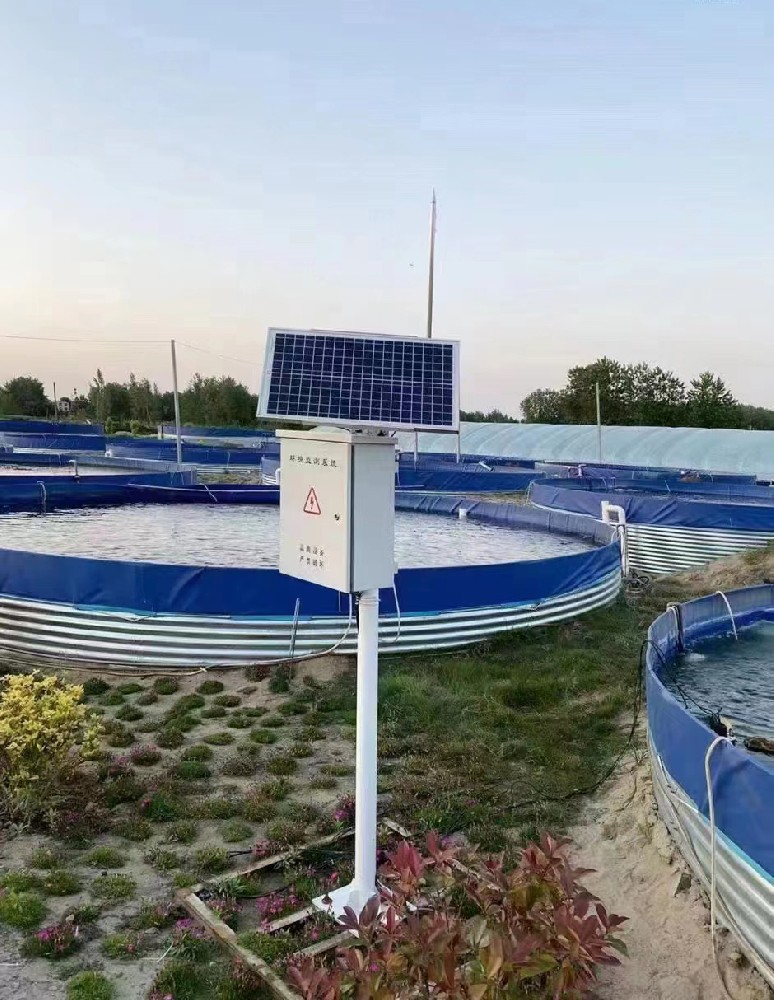
Traditional environmental water quality monitoring work mainly relies on manual on-site sampling and laboratory (Lab Analysis) physical and chemical analysis. Although this method is indispensable in compliance inspections, it has significant drawbacks in actual engineering applications:
Lack of Timeliness: The cycle of sampling, logistics, and laboratory testing is long, making it impossible to respond in real time to sudden pollution.
Data Island Effect: Discrete sampling points lead to fragmented monitoring data, making it difficult to form a continuous water quality fluctuation spectrum.
Human Error Interference: Sampling depth, sample preservation, and differences in laboratory personnel operations can easily cause data to deviate from the true value.
With the deep integration of sensor technology and the Internet of Things (IoT), environmental water quality monitoring has comprehensively developed toward automation, intelligence, and networking. Water quality information can be sent to the environmental analysis center server in seconds, achieving precise insight into pollutant conditions.
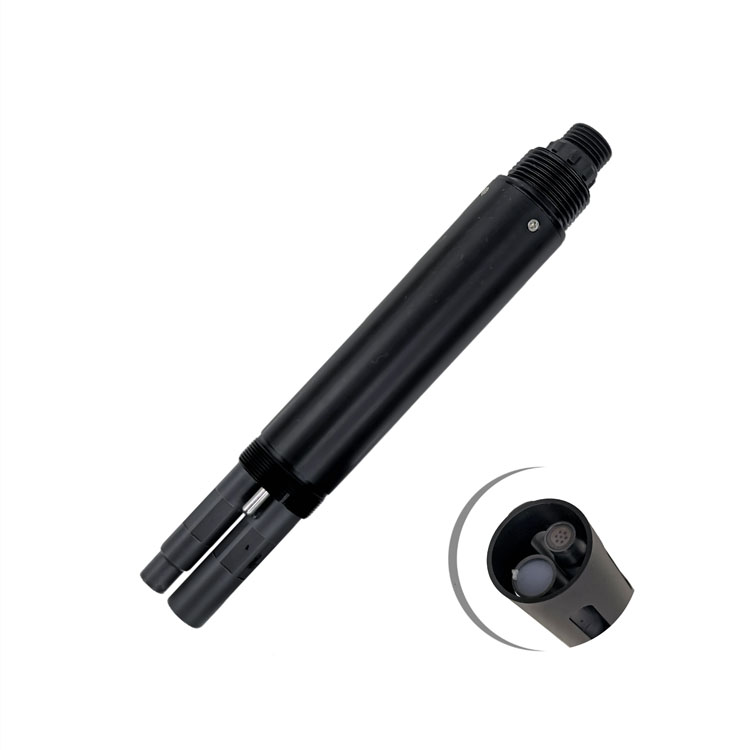
In the actual operation of sewage treatment plants, management often faces two thorny engineering problems:
1. “Single Point of Failure” Risk of Plant Inlet Instruments
The inlet water quality monitoring instruments of sewage treatment plants bear the heavy responsibility of protecting the entire biochemical treatment system (such as activated sludge method, AO process, etc.). However, due to the complex composition of sewage, inlet instruments cannot guarantee trouble-free operation 365 days a year and 24 hours a day. Once the inlet instrument encounters a strong impact load during a failure period, the system will be in a “naked run” state.
2. Uncertainty of Unknown Source Exceedance Discharges
Urban sewage pipe networks carry domestic sewage and some combined industrial wastewater. The time and composition of exceedance sewage entering the pipe network due to illegal discharges or sudden industrial accidents have extremely strong uncertainty. When high-concentration toxic and harmful substances reach the plant’s collection well, the best opportunity for interception and diversion has often been missed.
By installing online water quality monitoring instruments at urban sewage pumping stations, the early warning line can be moved forward, buying valuable emergency treatment time for the sewage treatment plant.

Aiming at the harsh working conditions of pumping stations (high suspended solids, high humidity, electromagnetic interference), NiuBoL has developed a series of industrial-grade water quality sensors with high anti-interference capability and support for RS485 communication protocols.
| Sensor Type | Measurement Parameters | Measurement Principle | Housing Material |
|---|---|---|---|
| Online pH Meter | pH / Temperature | Glass Electrode Method | PPS/316L |
| Four-Electrode Conductivity Meter | Conductivity / Salinity | Four-Electrode Balance Technology | 316L Stainless Steel |
| Fluorescence Dissolved Oxygen (DO) | Dissolved Oxygen / Saturation | Physical Fluorescence Quenching Method | 316L/POM |
| Online Ammonia Nitrogen Sensor | NH₄⁺-N | Ion Selective Electrode (ISE) | POM |
| Suspended Solids (SS) Sensor | Turbidity / Sludge Concentration | 90°/180° Infrared Scattering | 316L Stainless Steel |
| COD Online Analyzer | Organic Content | UV 254nm Absorption Method | Titanium Alloy/POM |
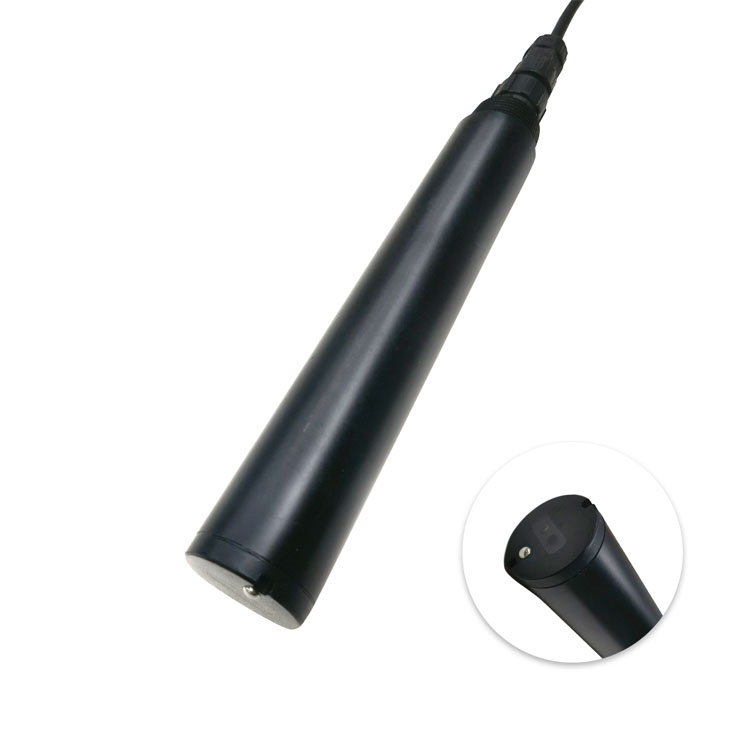
1. Real-Time Early Warning to Protect Biochemical System Assets
By monitoring core indicators such as pH, conductivity, and COD at the pumping station end, when values exceed the set warning thresholds, the system immediately sends an alarm to the central control room. Operators can cut off pumping or open bypass overflow through remote control before the pollution mass reaches the plant area, preventing highly toxic wastewater from damaging the microbial activity in the biochemical pool.
2. Precise Traceability to Assist Environmental Law Enforcement
The sensor network distributed at key pumping stations across the city can form a dynamic monitoring network. By comparing water quality data from pumping stations in different areas, abnormal discharge areas can be quickly identified, providing conclusive data support for relevant departments to investigate illegal corporate discharges.
3. Digital Operation and Maintenance for Cost Reduction and Efficiency Improvement
NiuBoL’s digital instruments support the Modbus-RTU standard protocol and can be seamlessly connected to smart water platforms. Operation and maintenance personnel do not need to frequently go down wells for sampling; they can view historical curves through the cloud and scientifically arrange maintenance plans, significantly reducing manual inspection costs.
4. Coping with Extreme Weather Impacts
In seasons with surging rainfall, the pumping station monitoring system can assess the degree of rainwater and sewage mixing in real time through changes in turbidity and water level, assisting management departments in formulating scientific interception and storage schemes to avoid direct sewage discharge causing pollution to rivers.
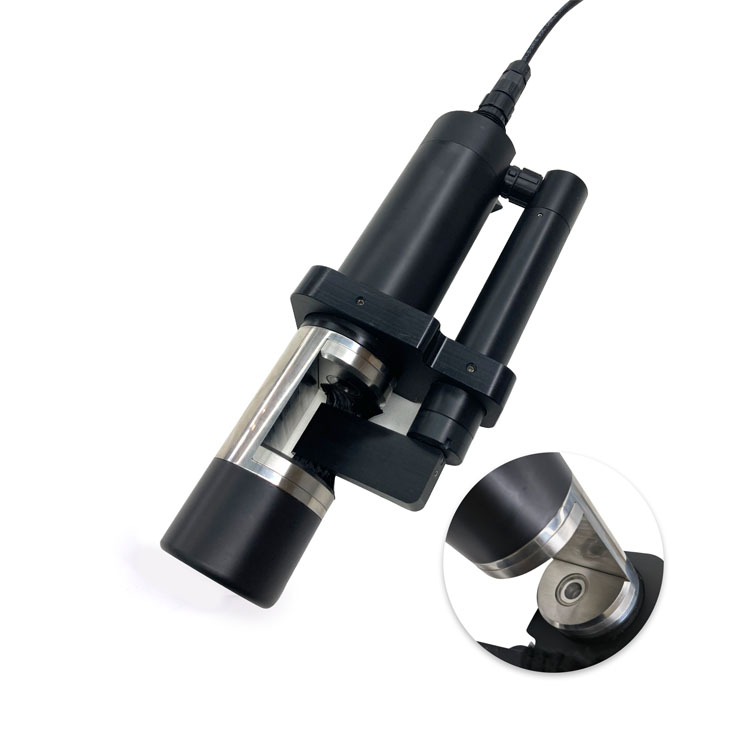
Q1: The pumping station environment is harsh; how to solve the sensor fouling and maintenance problems?
A1: NiuBoL’s optical sensors (such as dissolved oxygen and turbidity) all support optional automatic air-blowing cleaning or mechanical scraping systems. For electrode-type sensors, we use high-performance composite membrane technology. It is recommended to set up a regular automatic cleaning program every 2-4 weeks according to site conditions to ensure data accuracy.
Q2: Will RS485 communication be easily interfered with by the pump inverter during long-distance transmission?
A2: Our instruments have built-in photoelectric isolation and surge protection internally. During engineering installation, it is recommended to use shielded twisted-pair cables and separate signal lines from power lines to ensure stable transmission of Modbus-RTU signals in the pumping station environment.
Q3: Why is conductivity a very critical indicator in pumping station monitoring?
A3: Conductivity is very sensitive to inorganic salts. The vast majority of industrial illegal discharges (such as electroplating wastewater and pickling solutions) will cause an instantaneous sharp increase in conductivity. As a non-specific indicator, it is the most economical and efficient early warning method.
Q4: Do NiuBoL sensors support access to third-party DTU or PLC systems?
A4: Yes. The entire NiuBoL product line follows the open Modbus-RTU protocol and provides detailed register address description documents. Whether connected to Siemens PLC, domestic RTU, or smart water cloud platforms, no additional protocol conversion equipment is required.
Q5: For small-scale pumping stations, how to choose the most cost-effective monitoring combination?
A5: For projects with limited budgets, we recommend prioritizing the “pH + conductivity + temperature” three-in-one solution. These three basic indicators can cover more than 80% of sudden industrial pollution early warning needs.
Q6: What is the calibration cycle of the sensors?
A6: According to project water quality conditions, standard solution calibration is usually performed once every 3-6 months. Since NiuBoL adopts high-stability digital signal processing technology, its zero-point drift rate is far lower than that of traditional analog instruments.
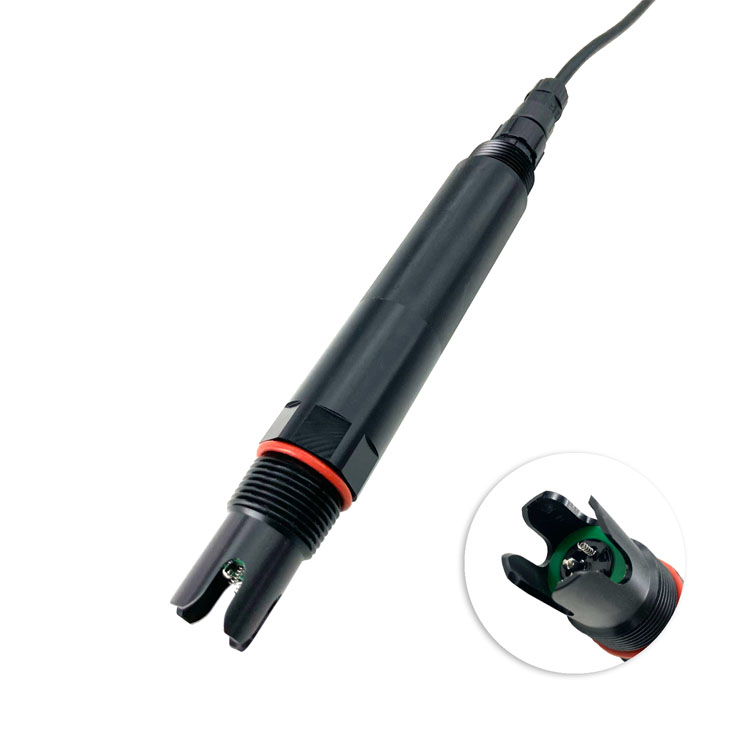
Installing online water quality monitoring instruments in urban sewage pumping stations is an inevitable trend in urban digital transformation and water environment safety assurance. By building a full-process monitoring system from pumping stations to sewage treatment plants, we can not only obtain continuous and accurate data support but also gain the initiative in the face of sudden pollution.
Choosing the NiuBoL industrial-grade online monitoring solution means choosing a reliable data link and excellent impact resistance. Let us work together to assist in the construction of smart water affairs and ensure that every drop of sewage can be scientifically treated under monitoring to achieve sustainable development of the urban water environment.
 NBL-RDO-206 Online Fluorescence Dissolved Oxygen Sensor.pdf
NBL-COD-208 Online COD Water Quality Sensor.pdf
NBL-CL-206 Water Quality Sensor Online Residual Chlorine Sensor.pdf
Related recommendations
Sensors & Weather Stations Catalog
Agriculture Sensors and Weather Stations Catalog-NiuBoL.pdf
Weather Stations Catalog-NiuBoL.pdf
Agriculture Sensors Catalog-NiuBoL.pdf
Water Quality Sensor Catalog-NiuBoL.pdf
Related products
 Combined air temperature and relative humidity sensor
 Soil Moisture Temperature sensor for irrigation|NBL-S-THR
 Soil pH sensor RS485 soil Testing instrument soil ph meter for agriculture |NBL-S-PH
 Wind Speed sensor Output Modbus/RS485/Analog/0-5V/4-20mA
 Tipping bucket rain gauge for weather monitoring auto rainfall sensor RS485/Outdoor/stainless steel
 Pyranometer Solar Radiation Sensor 4-20mA/RS485

Screenshot, WhatsApp to identify the QR code
WhatsApp number:+8615367865107
(Click on WhatsApp to copy and add friends)

