





— Blogs —
—Products—
 Consumer hotline +8618073152920
WhatsApp:+8615367865107
Address:Room 102, District D, Houhu Industrial Park, Yuelu District, Changsha City, Hunan Province, China
Product knowledge
Time:2025-03-20 11:27:40 Popularity:1687
A campus weather station data archive needs measured values plus their time, units, location and quality information. Keep original observations separate from classroom calculations and record changes to instruments or exposure. This allows later classes to reuse the observations without mistaking missing data, a moved sensor or a changed calculation for a weather trend.
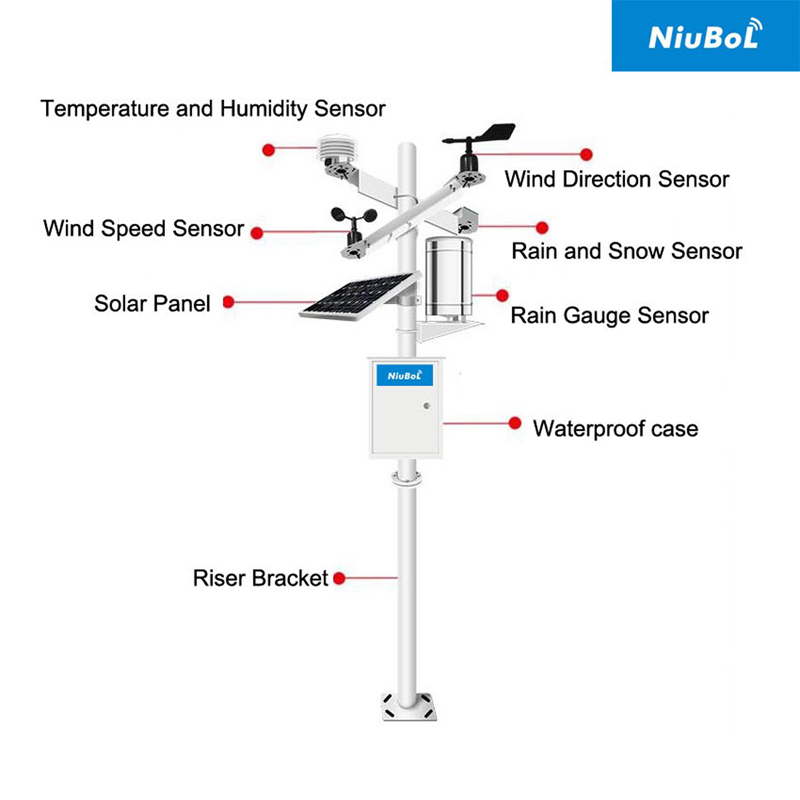
A campus weather station can support geography, physics and environmental studies through observations from the school grounds. Its lasting value depends on whether the next teacher can understand those observations. A live screen or a folder of graphs is not sufficient when the underlying time series, units and installation history are unavailable.
Before buying a display-heavy package, ask the supplier to demonstrate a historical export. Identify who owns the account, who can download records and how the school retains access when staff change. Include storage and export responsibilities in the project scope, not as an assumption that will be resolved after installation.
Air temperature, relative humidity, wind and rainfall require the relevant instruments. Daily means and accumulated totals are calculations. Forecasts require a separate method or service. Preserve those distinctions in file headers and teaching activities rather than placing every value under a general weather-data label.
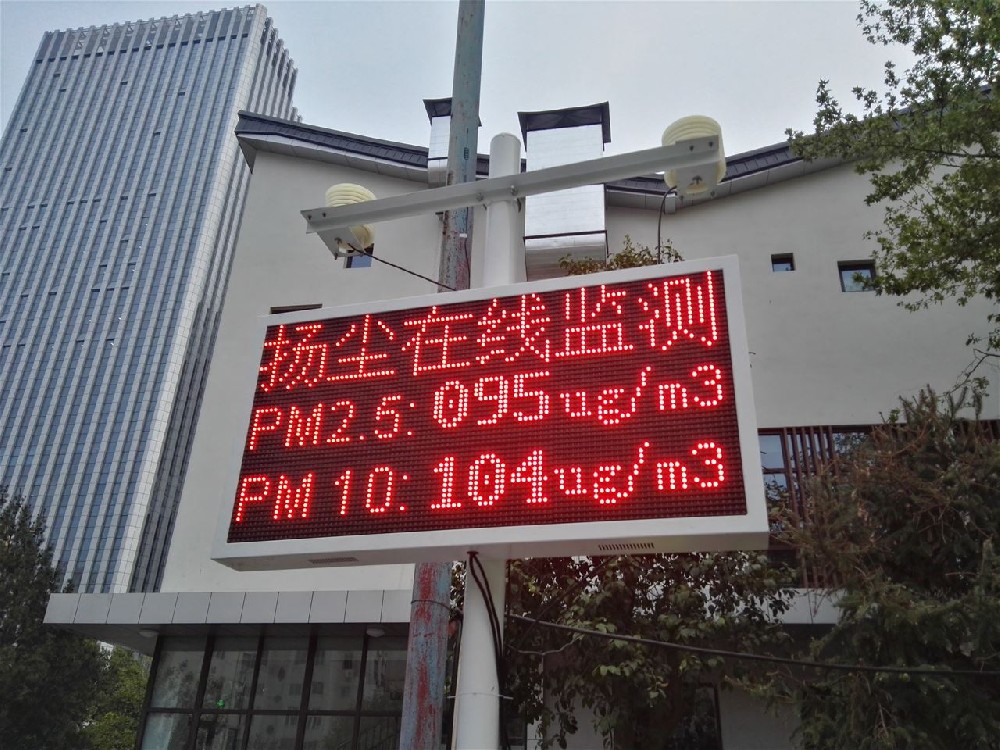
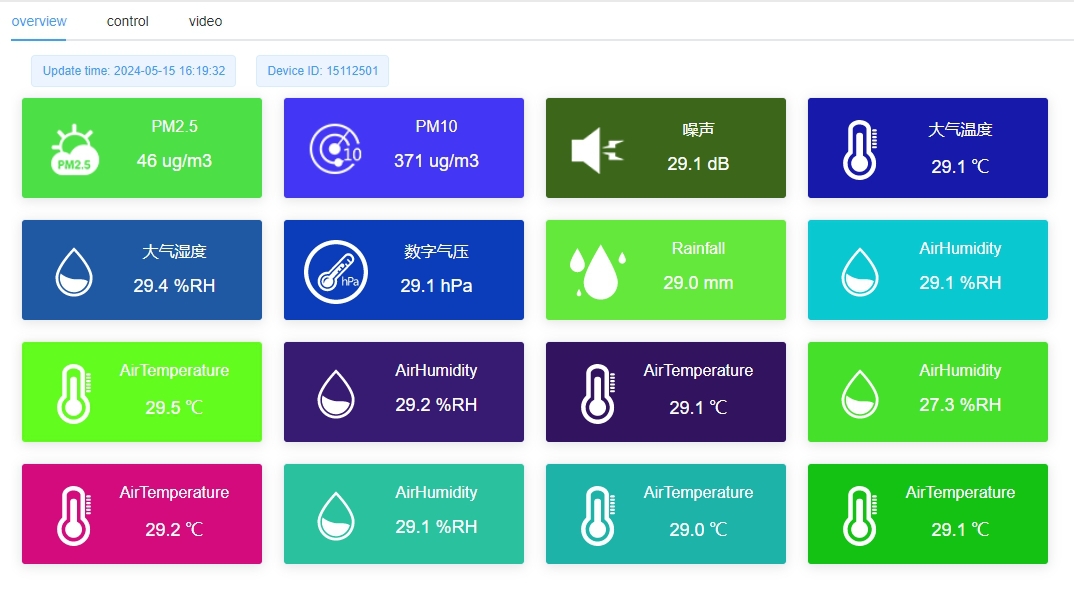
An outdoor PM2.5 or PM10 display illustrates a separate environmental measurement option. Particulate concentrations cannot be inferred from the temperature and humidity channels of a standard station. Likewise, solar irradiance is not UV intensity, and an above-ground air sensor does not measure soil moisture. Only archive channels that have a defined source.
| Archive field | Example of what to retain | What can go wrong without it |
|---|---|---|
| Observation time | Date, time zone and interval definition | Students compare different parts of the day or misplace a rain event. |
| Station and channel identity | Location identifier, measured quantity and sensor assignment | Records from a replacement or another site are mixed silently. |
| Units | Degrees C, % RH, m/s, mm or the relevant channel unit | Unit conversion is mistaken for a physical change. |
| Validity | Missing, service, test or fault status where supported | Missing readings become apparent zero values. |
| Installation history | Height, exposure, relocation and nearby site changes | A changed environment is described as sensor drift or climate change. |
| Processing history | Aggregation method and documented corrections | A later class cannot reproduce the published result. |
Use a stable naming convention and retain a short explanation of each column. When a classroom spreadsheet is derived from the original export, save it separately. This makes it possible to identify whether a disagreement comes from the observation, a filter or a student's calculation.
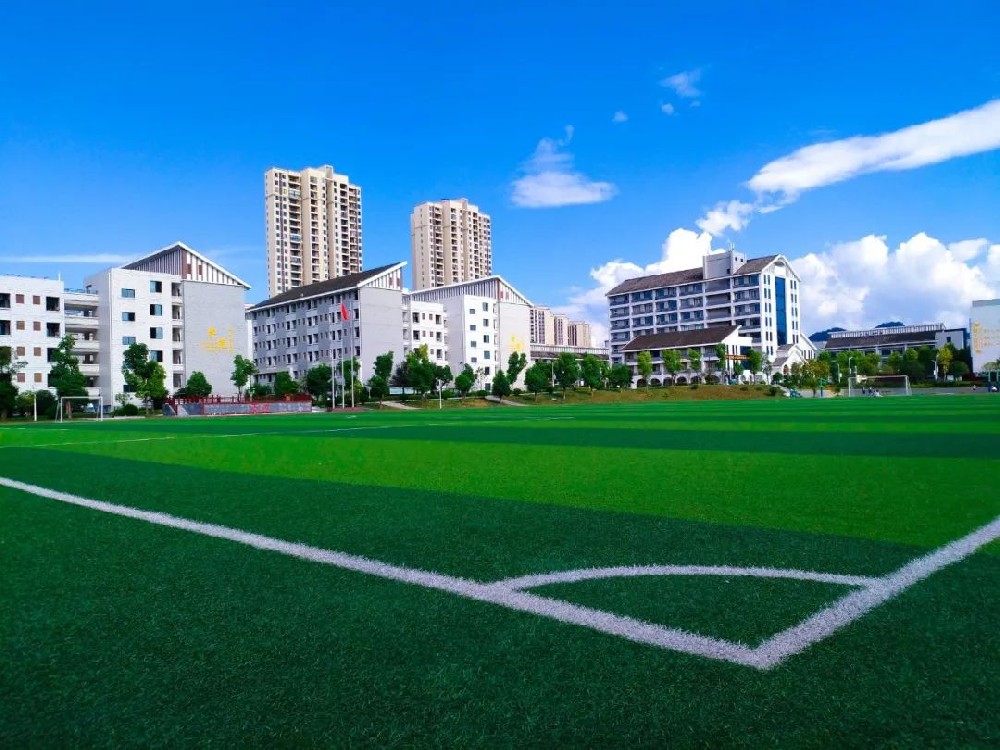
Suppose a day is expected to contain 96 observations at 15-minute intervals and only 80 are valid. The coverage is 80/96, or about 83.3%. A mean from those observations may not represent the full day if the missing period includes the hottest hours. This is a classroom calculation example, not a proposed universal acceptance threshold.
Set a documented rule for classroom summaries and show the number of valid observations alongside the result. Rainfall totals need particular care: missing rain observations cannot be replaced with zero simply because the screen is blank. Keep the original gaps visible so another class can understand what was and was not measured.
A short campus record is useful for studying local weather and measurement practice, but it does not independently establish a long-term climate trend. NOAA distinguishes short-term weather from climate over extended periods. Compare appropriate periods and retain site history before interpreting differences between years.
| Example NiuBoL component | Parameter | Archive implication |
|---|---|---|
| NBL-W-LBTH | Temperature -40 to +80 degrees C, accuracy +/-0.5 degrees C; humidity 0-100% RH, accuracy +/-5% RH | Retain units and sensor identity; displayed decimal places do not improve accuracy. |
| NBL-W-RS | 0.2 mm rainfall increment; operating temperature 0 to +50 degrees C | Record the rain conversion and note test water or unsuitable frozen-precipitation conditions. |
| TG462/TG462S | TG462 standard flash 256 MB with 1 GB option; TG462S flash 1 GB | Define retention from the actual records and configured application, not memory size alone. |
The TG462/TG462S acquisition configuration can provide hardware resources for local and remote monitoring. Confirm the actual recording format, export access and recovery behavior. A requirement for a CSV file, spreadsheet-compatible data or a school-managed server should be explicit before commissioning.
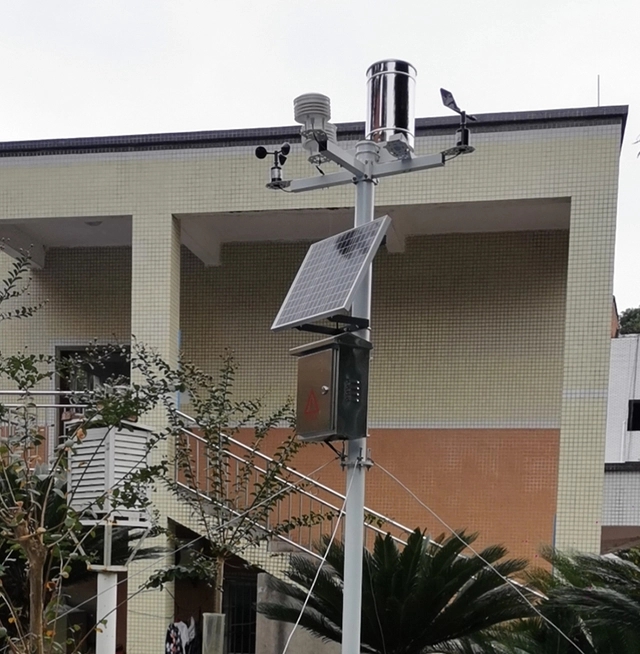
Keep a dated note when an instrument is cleaned, replaced or moved. Include changes to nearby paving, buildings, vegetation or irrigation that may affect exposure. An air-temperature series beside a new wall may remain useful, but it should not be treated as an unchanged observation environment.
For RS485 Modbus RTU instruments, retain the address and conversion settings with the configuration record. Test that a replacement is assigned to the correct channel and unit. If a genuine scale error is found, preserve the original file and identify any reprocessed version, affected dates and correction method.
Provide read-only classroom access where appropriate and keep configuration credentials with the responsible staff. Test access after a planned network interruption and confirm who retrieves the archive during holidays. An account tied only to a former employee can leave working hardware without usable historical records.
No. Retain the underlying timestamped values, units, channel identity and relevant quality information. A graph alone may hide gaps, averaging or scale changes that a later class needs to evaluate.
Not as measured observations. Zero is a valid physical value for some channels and is not equivalent to an unavailable reading. Keep missing data identifiable; label any classroom estimate separately.
No. Record interval, number of fields, file format, other storage use and overwrite settings determine retention. Ask for the configured retention behavior and a successful retrieval demonstration.
Yes, if they choose different time boundaries, filters or averaging methods. Agree a reproducible procedure and retain valid-observation counts. Comparing the methods can be useful, but the differences should not be presented as different sensor measurements.
Specify required channels, archive interval, retention, export format, staff access and the destination system. Ask for a sample export and the relevant configuration information before approving the package.
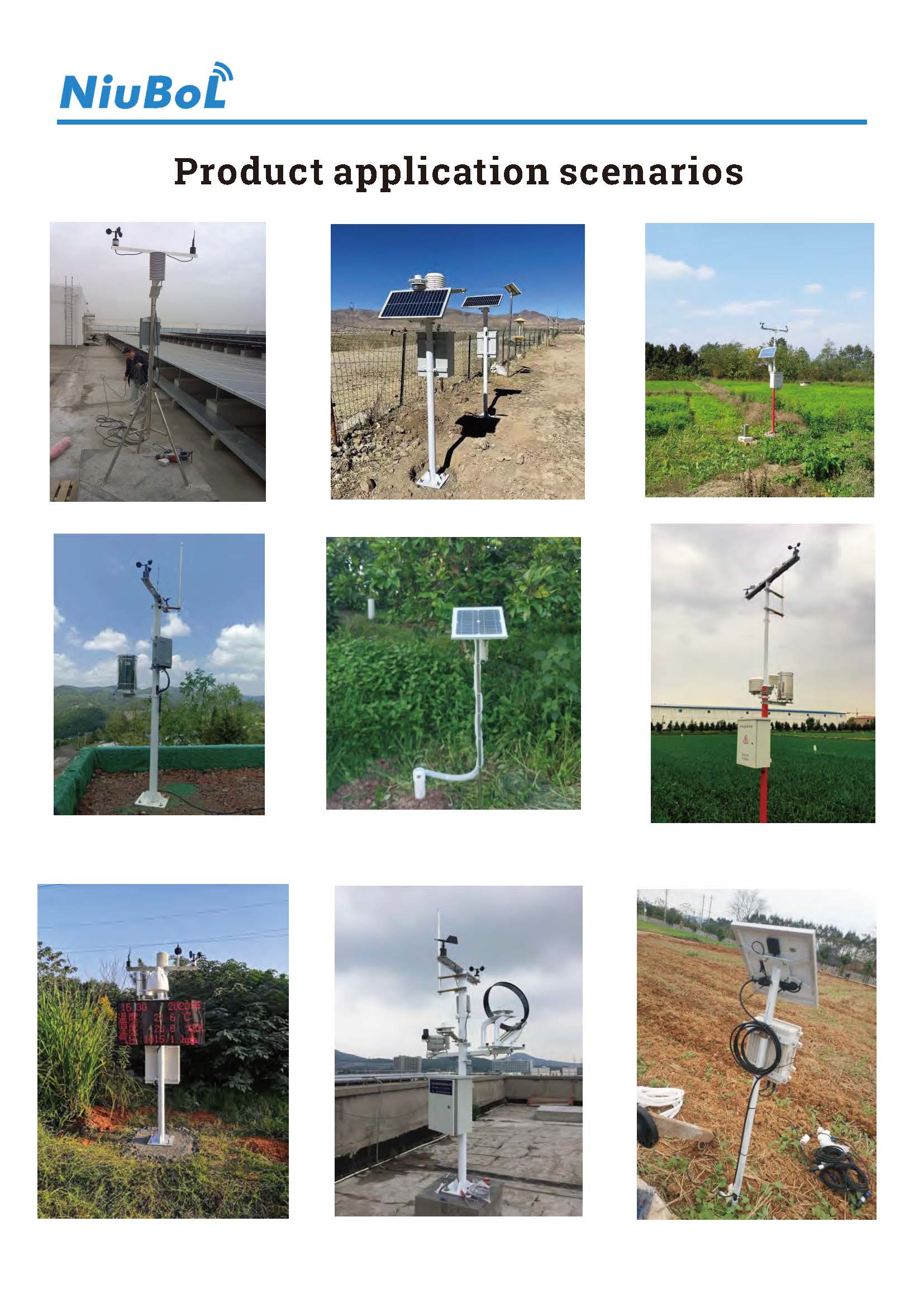
A campus weather station data archive is useful when later users can reconstruct what was measured and how summaries were produced. Retain original observations, identify gaps and record installation changes. These practices let NiuBoL instruments support repeatable educational work without overstating what a short local record can establish.
Prev:Scenic Area Weather Station Specifications: Compare Measurements, Not Labels
Next:Seasonal Field Weather Station: Deployment, Recording and Retrieval
Related recommendations
Sensors & Weather Stations Catalog
 Agriculture Sensors and Weather Stations Catalog-NiuBoL.pdf
Weather Stations Catalog-NiuBoL.pdf
Agriculture Sensors Catalog-NiuBoL.pdf
Water Quality Sensor Catalog-NiuBoL.pdf
Related products
 Combined air temperature and relative humidity sensor
 TDR Soil Moisture & Temperature Sensor for irrigation| RS485 |4-20mA| NBL-S-THR
 Soil pH sensor RS485 soil Testing instrument soil ph meter for agriculture |NBL-S-PH
 Wind Speed sensor Output Modbus/RS485/Analog/0-5V/4-20mA
 Tipping bucket rain gauge for weather monitoring auto rainfall sensor RS485/Outdoor/stainless steel
 Pyranometer Solar Radiation Sensor 4-20mA/RS485


Screenshot, WhatsApp to identify the QR code
WhatsApp number:+8615367865107
(Click on WhatsApp to copy and add friends)

