





— Blogs —
—Products—
 Consumer hotline +8618073152920
WhatsApp:+8615367865107
Address:Room 102, District D, Houhu Industrial Park, Yuelu District, Changsha City, Hunan Province, China
Product knowledge
Time:2025-03-20 11:40:16 Popularity:1492
A seasonal field weather station should be planned around the monitoring period, the measurements needed and the records that must survive retrieval or relocation. A transportable mast does not establish measurement quality, battery autonomy or cloud backup. Confirm those functions separately before the station leaves for the field.
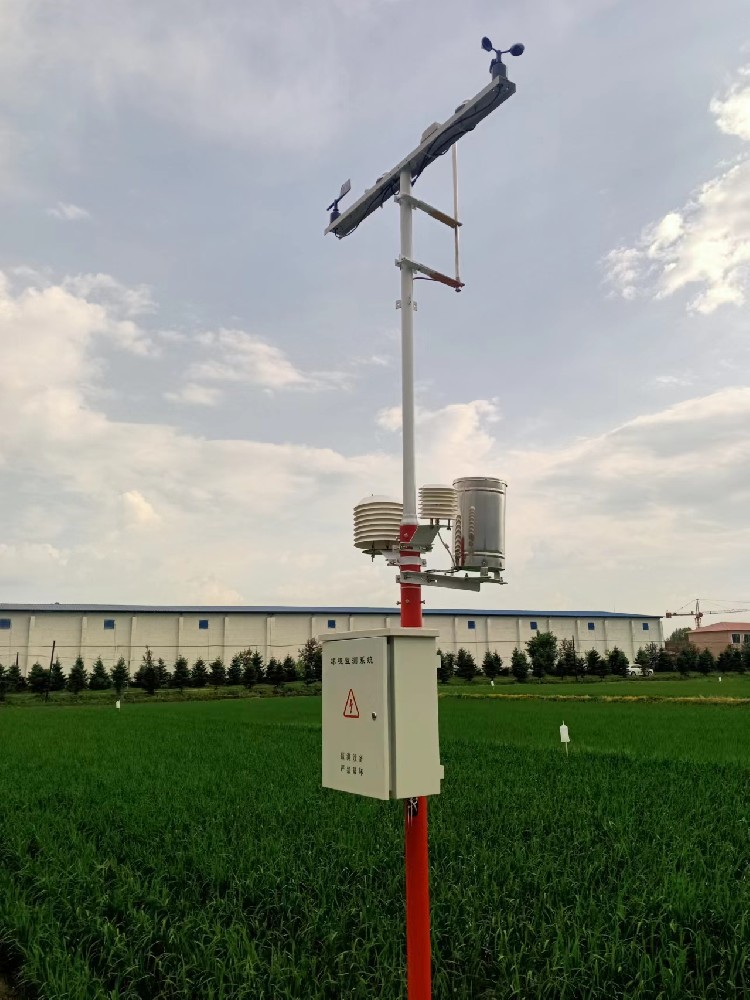
Field automatic weather stations can support a crop season, a site investigation or an environmental monitoring campaign. The useful configuration depends on the question. A rainfall record beside an irrigation block, an exposed wind measurement and observations within a sheltered growing area have different installation needs, even if the proposed station has the same number of channels.
Write down the planned start and end dates, required observations and the decisions or analyses that will use them. Identify who will retrieve the data and service the equipment. If the station will move between sites, decide whether the project needs a sequence of separate local records or a comparable continuous series. Treat relocation as a recorded change, not merely a transport task.
| Field condition | Effect on the deployment | Practical decision |
|---|---|---|
| Crop or surrounding vegetation grows | Shelter, shade and access can change after installation. | Document the intended exposure and inspect it as the canopy develops. |
| Machinery enters the plot | Cables, guying and the mast may obstruct field operations. | Agree the position and service route with the site operator. |
| Communication becomes intermittent | Remote viewing may fail while local acquisition continues. | Test local recording and retrieval rather than relying on a dashboard alone. |
| Power availability varies | Load and available solar energy may not remain constant. | Size the complete power system for the required conditions and reserve. |
| The campaign ends or equipment moves | Unretrieved records or undocumented exposure changes can make the series unusable. | Assign archive retrieval and a closing site record before removal. |
A fixed mast height or universal obstacle distance is not a substitute for this review. Record the actual height of each measurement and what the position represents. An observation beside a hedge can be valid for the sheltered plot while remaining unsuitable as an open-field wind reference.

A modular NiuBoL field station can combine separate wind, air and rain components. Select soil or radiation channels only when they answer a defined campaign question. Distinguish sensor operating limits from the required measurement exposure: a wide temperature range does not prevent solar heating errors in an unsuitable air-sensor installation.
| Component | Relevant parameter | Deployment implication |
|---|---|---|
| NBL-W-LBTH air sensor | Temperature -40 to +80 degrees C; 12-24 V DC; RS485 Modbus RTU or 4-20 mA versions | Match the interface and retain suitable shield ventilation throughout the campaign. |
| NBL-W-SS and NBL-W-DS | Separate wind speed and direction; IP65 | Document height and direction reference; secure and protect field connections. |
| NBL-W-RS rain gauge | 0.2 mm increment; operating temperature 0 to +50 degrees C | Provide cleaning access and do not assume unheated winter precipitation capability. |
| TG462/TG462S acquisition | 5-35 V DC input; IP30 | Include the logger, communication and enclosure in the field power and protection scope. |
The NBL-W-RS rainfall channel records liquid rain at its collector. It does not supply soil moisture, runoff or crop water demand. Choose those additional measurements or calculations separately instead of describing every agricultural decision as a standard station output.
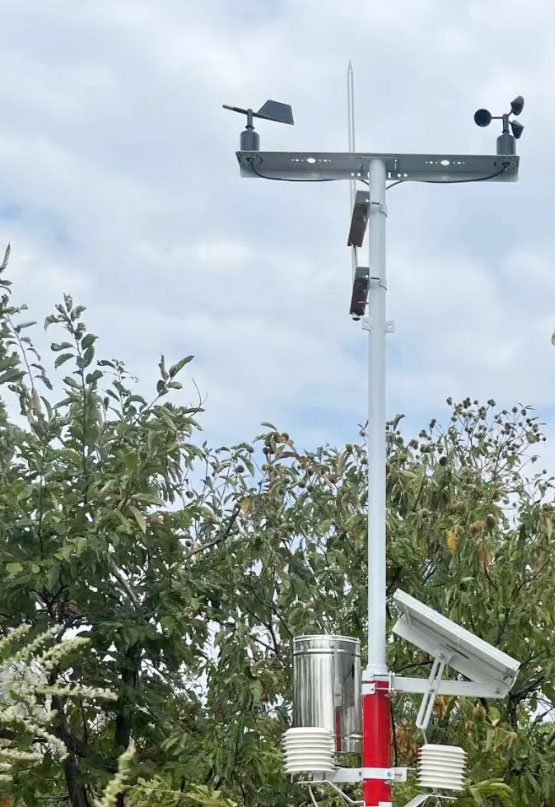
For illustration, a 90-day campaign saving one record every five minutes produces 25,920 time records: 90 x 24 x 12. If each record holds several channels, the byte requirement also depends on fields, precision, quality flags and file format. This calculation is a planning example, not a claim about the storage capacity of every station.
Specify the record interval and retention period, then check the configured logger's available storage and rollover behavior. A statement such as 6,000 data points is ambiguous unless it identifies whether a point is one channel value or a complete timestamped record. Likewise, memory size alone does not establish the retention period.
The TG462/TG462S logger family provides local storage resources and industrial interfaces. The required recording application, outage buffering, restart recovery and export must be confirmed for the proposed configuration. Sending data to a remote platform is not proof that every record has arrived or that an independent backup exists.
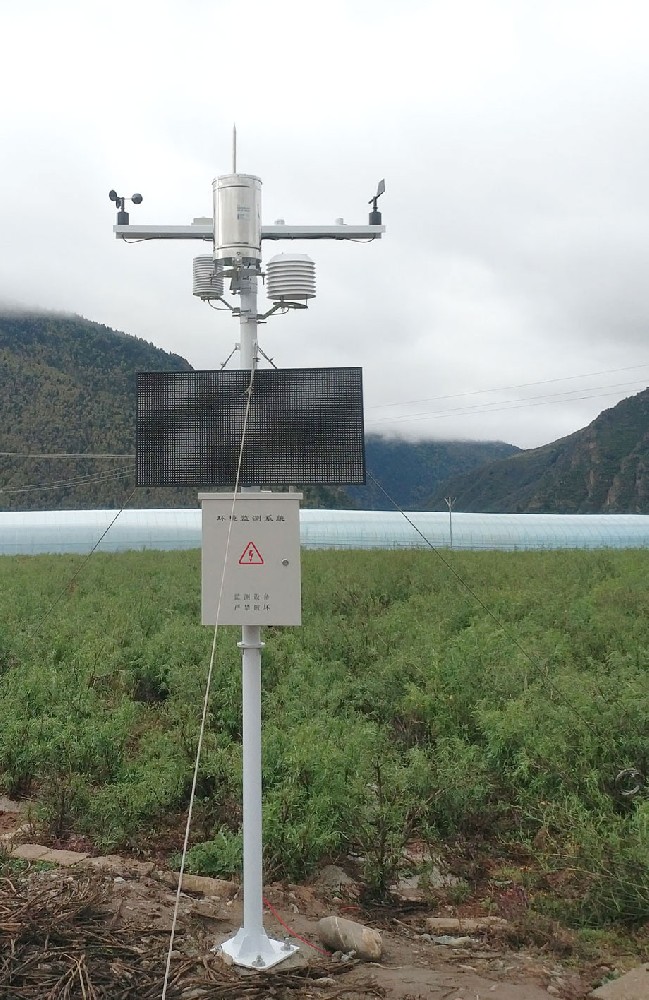
Before deployment, create a short trial record with all selected channels. Retrieve it using the method the field team will actually use, and open it on the intended computer. Check timestamps, units, station identifier and missing-data treatment. A working live display does not demonstrate that the required historical file can be recovered.
For RS485 Modbus RTU instruments, preserve addresses, serial settings and register scaling with the station configuration. Check a planned communication interruption and restart without changing several settings at once. If local retrieval requires a particular service cable, account or software tool, include it in the field equipment and handover.
At the end of the campaign, copy the required records and verify the beginning and ending dates before clearing or reusing storage. Retain service notes, installation photographs and the channel map with the archive. A file without location and exposure information may be difficult to interpret after the station has moved.
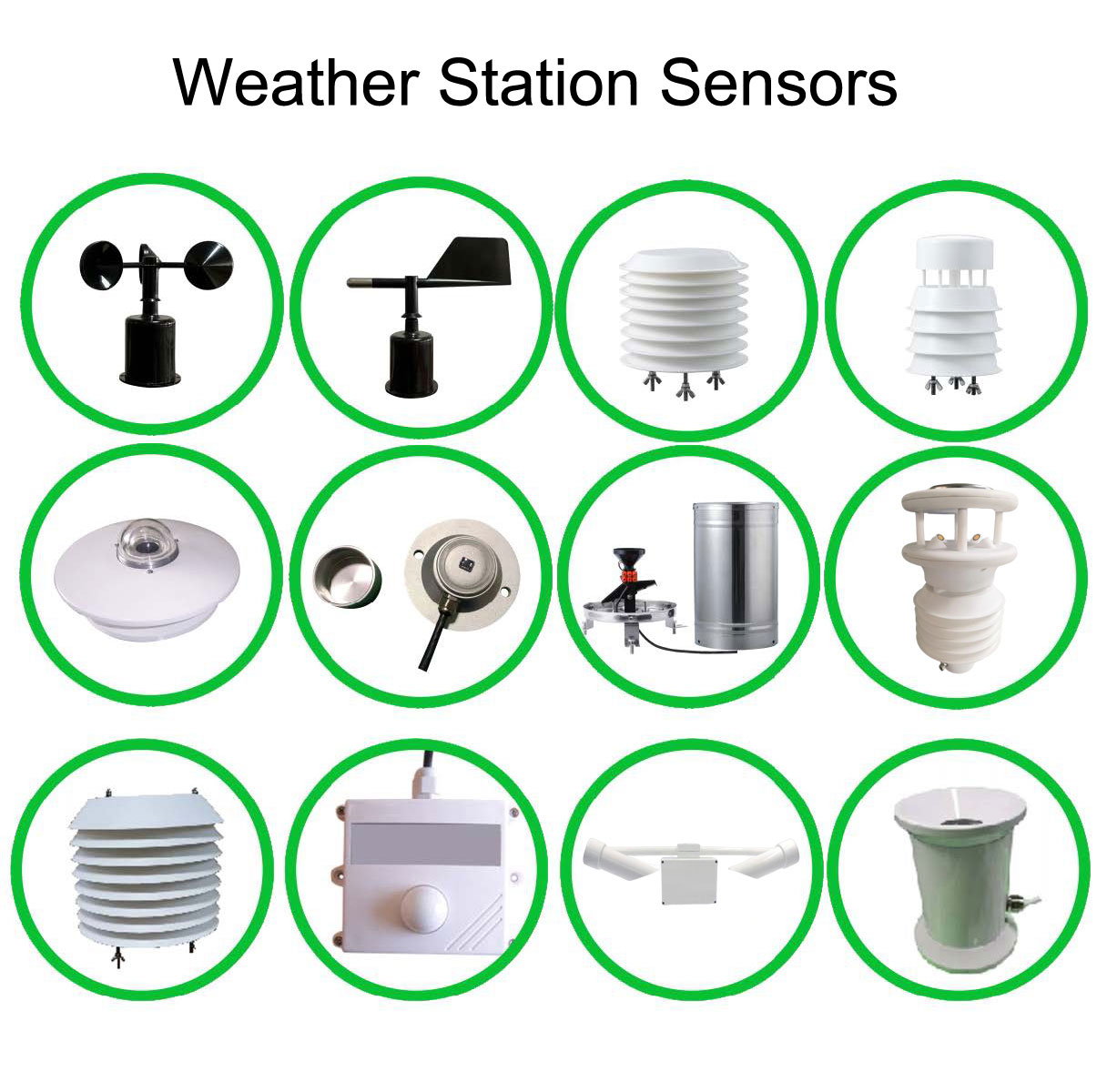
It may simplify transport, but connections, foundations, mounting repeatability and service access still need review. Record each relocation and recheck orientation, level and the receiving system before accepting new observations.
Only if the project explicitly accepts the consequences of connection loss and has demonstrated the required data delivery. Remote sites often need a defined local recording and recovery arrangement; connectivity alone does not establish one.
That depends on the observation purpose. Measuring a changing crop environment and maintaining a fixed reference exposure are different tasks. Decide the approach in advance and flag any changed height or location in the record.
Specify the sensors, deployment duration, record interval, power conditions, communication and retrieval method. Include mounting, enclosure, service tools and any commissioning work so the field team receives a usable package.
Open the exported archive and verify its date coverage, channel identity, units and gaps against the deployment log. Retain a checked copy before equipment is reset or transferred to the next site.
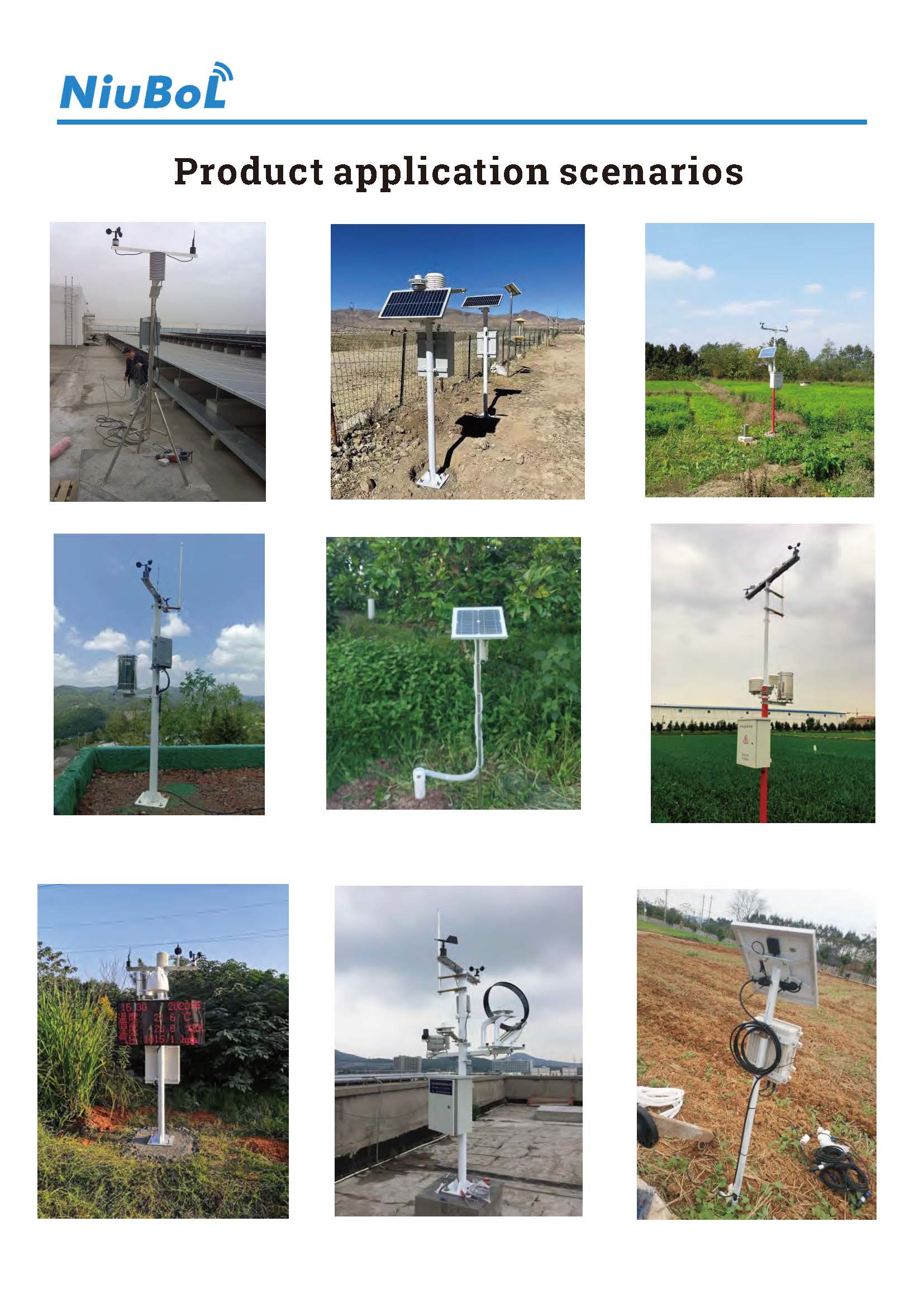
A seasonal field weather station should deliver an interpretable campaign record, not just live numbers while it is connected. Plan exposure changes, power, recording and final retrieval together. NiuBoL can review the required components and acquisition configuration against the monitoring period and field conditions.
Prev:Campus Weather Station Data Archive: Keep Records Usable Across School Years
Next:PV Weather Station Retrofit: Add Sensors Without Disrupting Existing Data
Related recommendations
Sensors & Weather Stations Catalog
 Agriculture Sensors and Weather Stations Catalog-NiuBoL.pdf
Weather Stations Catalog-NiuBoL.pdf
Agriculture Sensors Catalog-NiuBoL.pdf
Water Quality Sensor Catalog-NiuBoL.pdf
Related products
 Combined air temperature and relative humidity sensor
 TDR Soil Moisture & Temperature Sensor for irrigation| RS485 |4-20mA| NBL-S-THR
 Soil pH sensor RS485 soil Testing instrument soil ph meter for agriculture |NBL-S-PH
 Wind Speed sensor Output Modbus/RS485/Analog/0-5V/4-20mA
 Tipping bucket rain gauge for weather monitoring auto rainfall sensor RS485/Outdoor/stainless steel
 Pyranometer Solar Radiation Sensor 4-20mA/RS485


Screenshot, WhatsApp to identify the QR code
WhatsApp number:+8615367865107
(Click on WhatsApp to copy and add friends)

