





— Blogs —
—Products—
 Consumer hotline +8618073152920
WhatsApp:+8615367865107
Address:Room 102, District D, Houhu Industrial Park, Yuelu District, Changsha City, Hunan Province, China
Product knowledge
Time:2025-03-20 11:57:15 Popularity:1837
A PV weather station retrofit should add the missing measurement without disrupting valid existing channels. Inventory the sensors, logger inputs, power and SCADA mapping before buying replacements. A new irradiance or temperature instrument can improve the available evidence for plant analysis, but it does not independently forecast output, control trackers or establish the cause of every generation loss.

Photovoltaic meteorological stations provide environmental observations that can be compared with electrical plant records. For an operating site, the useful question is often not which complete station to buy, but which observation is absent or unsuitable. A plant may already record ambient temperature and wind while lacking irradiance in the module plane, or it may have suitable instruments whose values are not available to the reporting system.
List each retained channel with its model, output, mounting location, orientation, units and record interval. Identify the owner of the logger configuration and the server tag map. Do not order a second set of instruments solely because existing records are difficult to export; the first task may be a data-access or integration correction.
| Existing condition | Potential work | Question before ordering |
|---|---|---|
| Horizontal irradiance only | Add a suitable plane-of-array channel if required by the analysis. | Which array orientation will the new sensor represent? |
| Suitable sensor, wrong receiver scaling | Correct the identified configuration and document affected records. | Can the local output be checked against the stored value? |
| Damaged or failed instrument | Replace the affected component after confirming the fault. | Does the proposed output and mounting fit the retained system? |
| No spare compatible input | Add acquisition capacity or a separate logger. | How will its timestamps and station identifiers match existing data? |
| Useful channels not visible in SCADA | Review tag mapping and the outgoing protocol. | Is the problem at the field input, gateway or receiving application? |
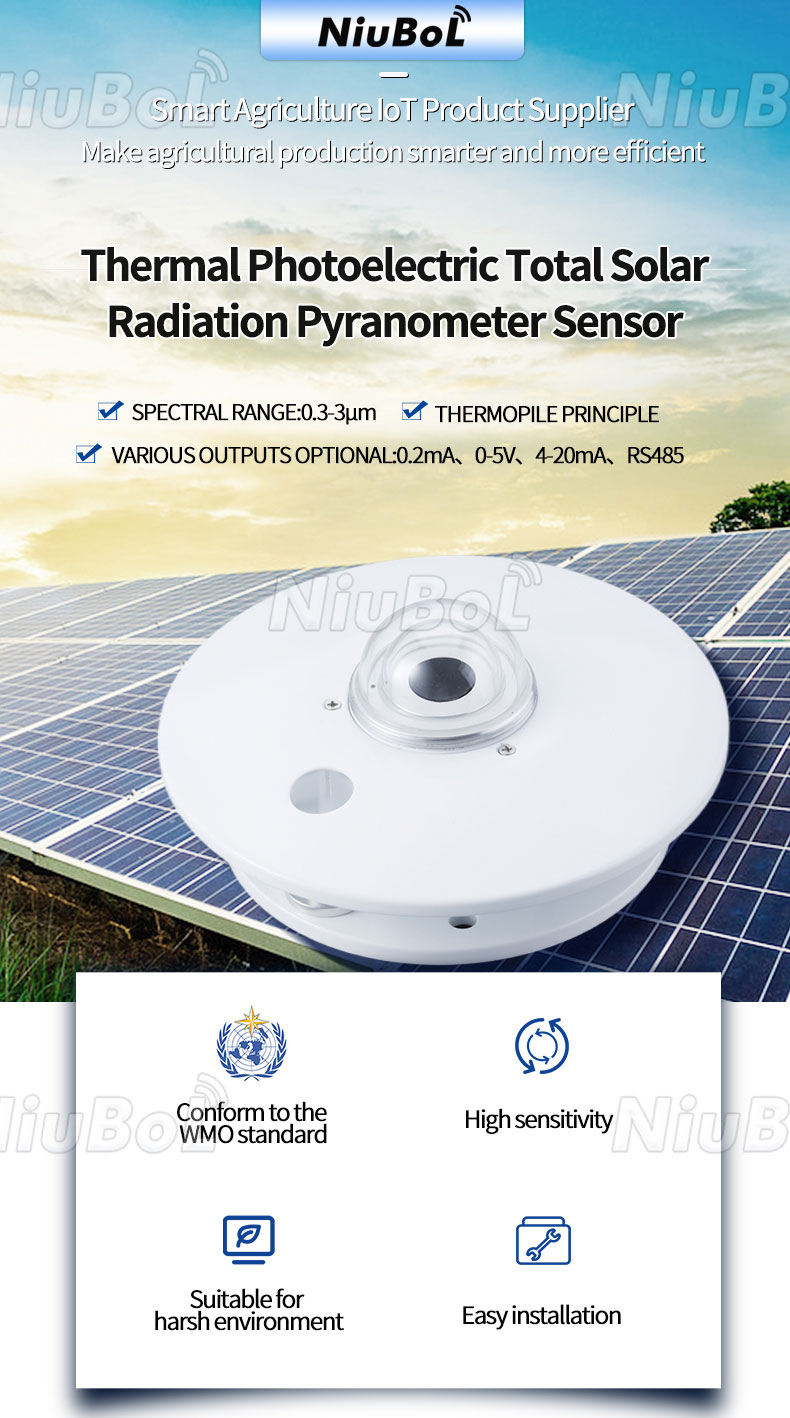
The NiuBoL NBL-W-HPRS provides a thermopile irradiance measurement. A replacement must match the intended quantity and measurement plane as well as the receiver. A sensor that fits an existing bracket can still be unsuitable if its output, calibration coefficient or tilt does not match the system configuration.
For an analog replacement, identify whether the retained input measures raw millivolts, voltage or current. A raw thermopile input uses the applicable sensitivity coefficient; a transmitter uses its assigned scale. Do not leave the previous sensor's coefficient in the logger by default. For RS485 Modbus RTU, compare the register definition and scaling, not just the fact that both instruments use RS485.
| Instrument | Relevant parameters | Retrofit check |
|---|---|---|
| NBL-W-HPRS | 0-2000 W/m2; spectral range 0.3-3 micrometers; response up to 35 seconds to 99% | Confirm sensitivity or transmitter scale, output version and the required sampling treatment. |
| NBL-W-SRS | 0-1500 W/m2; spectral range 0.3-3 micrometers; response less than 5 seconds, endpoint unspecified | Review this model's limits independently; do not transfer HPRS settings or interpret response endpoints as identical. |
| NBL-W-LBTH | 12-24 V DC; RS485 Modbus RTU or 4-20 mA versions | Match the air channel interface; ambient temperature is not module back-surface temperature. |
| TG462/TG462S | Three RS485 ports; eight 12-bit analog inputs; IP30 | Confirm input configuration and environmental enclosure, not just available terminal count. |
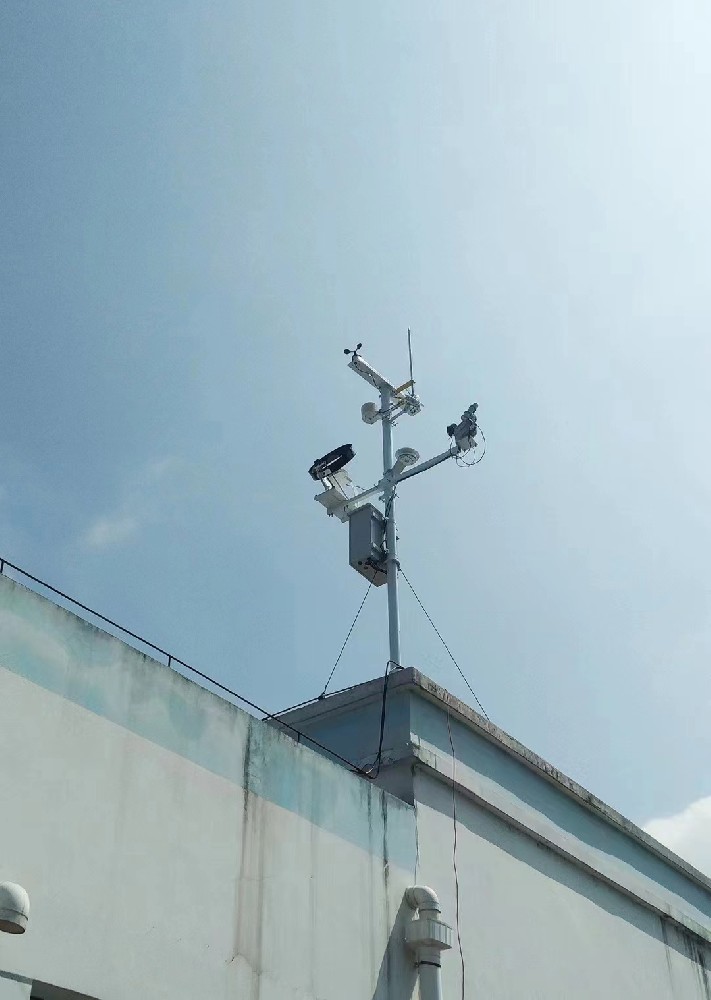
A spare analog terminal may be configured for a different signal, and a spare RS485 connection may share a bus with incompatible serial settings. Identify the selected output, supply, input mode and wiring before installation. Keep a copy of the working configuration so changes to the new channel do not alter a retained one.
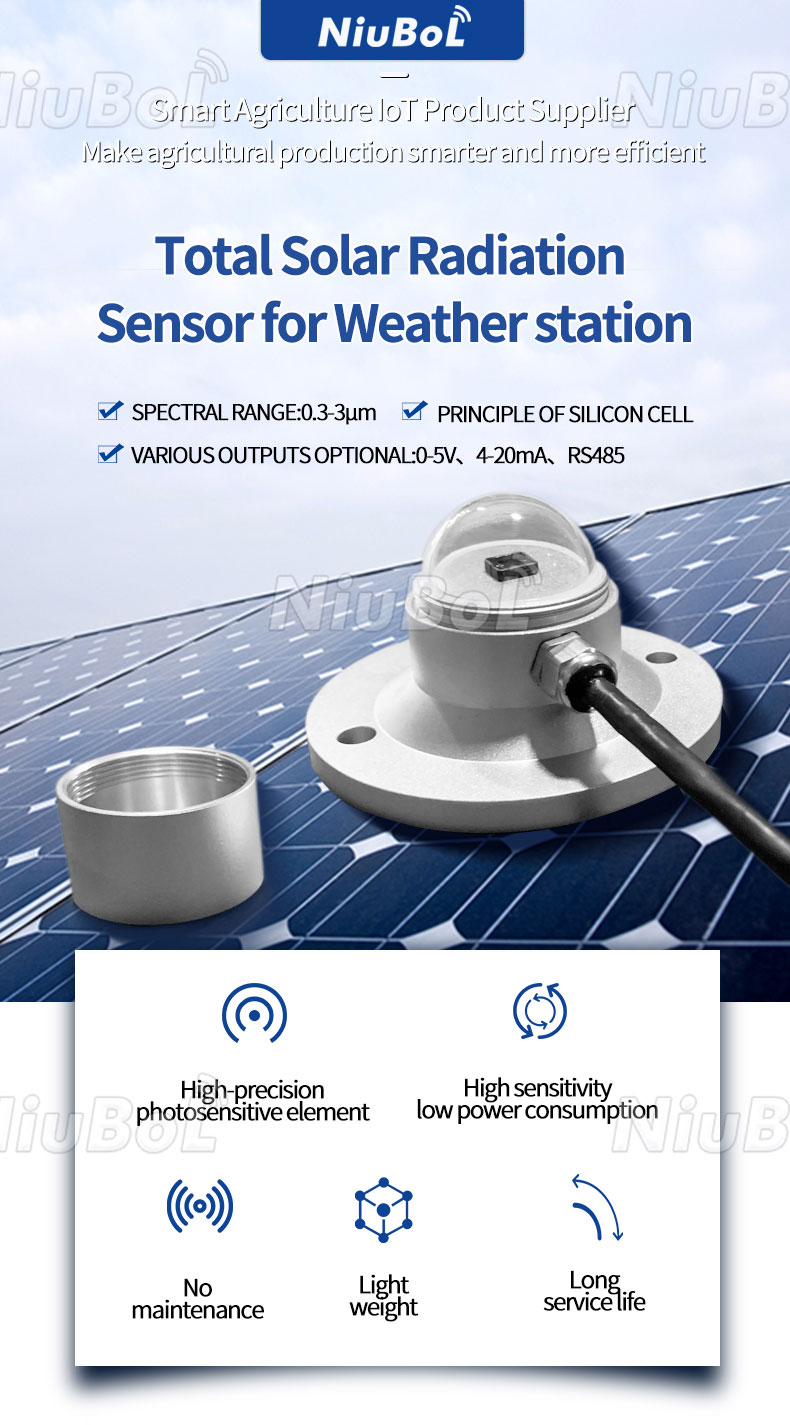
The NBL-W-SRS solar radiation sensor has separate current, voltage and RS485 versions. Select the version needed by the existing receiver instead of assuming all signals are available simultaneously. If the existing receiver lacks a suitable input, compare an acquisition extension with a separately configured logger rather than forcing an unsuitable electrical conversion.
Review supply capacity with the new load operating. If a display, modem, heater or tracker is added, include it in the power review. The fact that the original station is solar-powered does not establish reserve for extra devices, particularly during low-sun periods.
A changed output scale, observation plane or temperature-probe location can break comparability even when the same SCADA tag remains in use. Record the change date and the old and new configuration. Consider a new identifier where the measured quantity changes, rather than silently continuing a horizontal irradiance series with a tilted instrument.
Where practical, run old and new instruments together for a planned comparison under comparable exposure. This can identify mapping or scale errors but does not substitute for calibration. Note cleaning, shading and mounting differences when interpreting the comparison. Do not apply an unexplained factor merely to force the replacement record to match the old one.
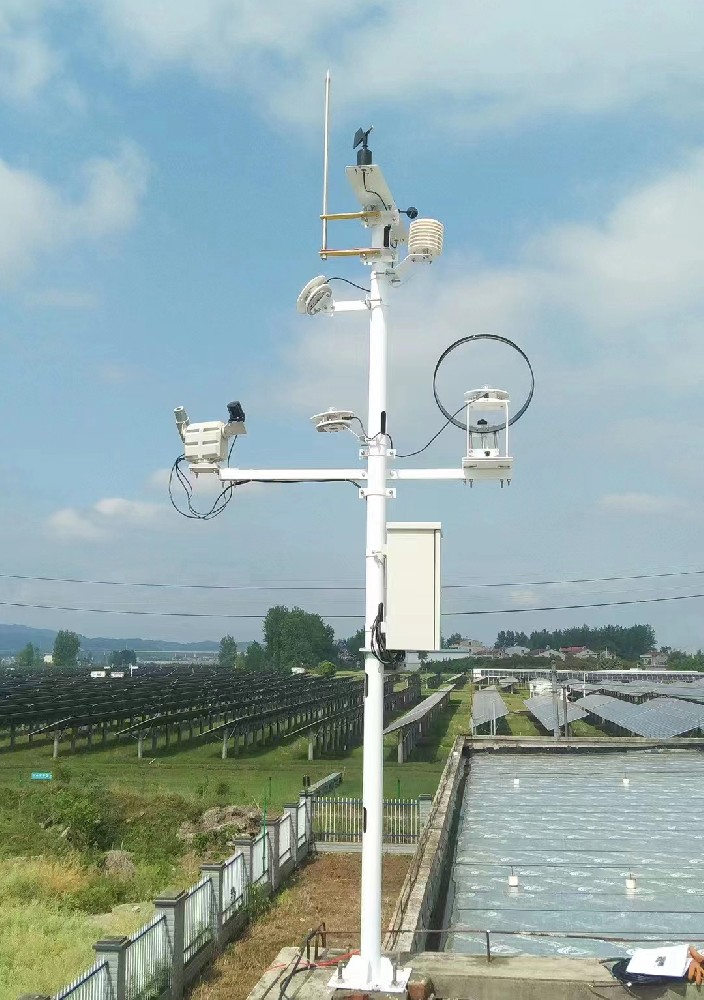
Check the local measurement, logger record and SCADA value using the same observation time. Confirm units, interval treatment, missing-value behavior and the identity of the source channel. A display that updates is insufficient if the export or reporting calculation still uses the old tag.
If TG462/TG462S acquisition is added, specify the required server protocol and record fields. Sensor-side Modbus RTU is separate from an outgoing MQTT payload or another server interface. Agree who makes the receiving-system changes and test the actual destination before retiring the old connection.
Keep the retrofit's function proportionate. Environmental data can support performance investigation or a separately defined forecast model. It does not make the station a validated tracker controller, electrical fault detector or extreme-weather prediction service. Retain those responsibilities in the appropriate plant systems.
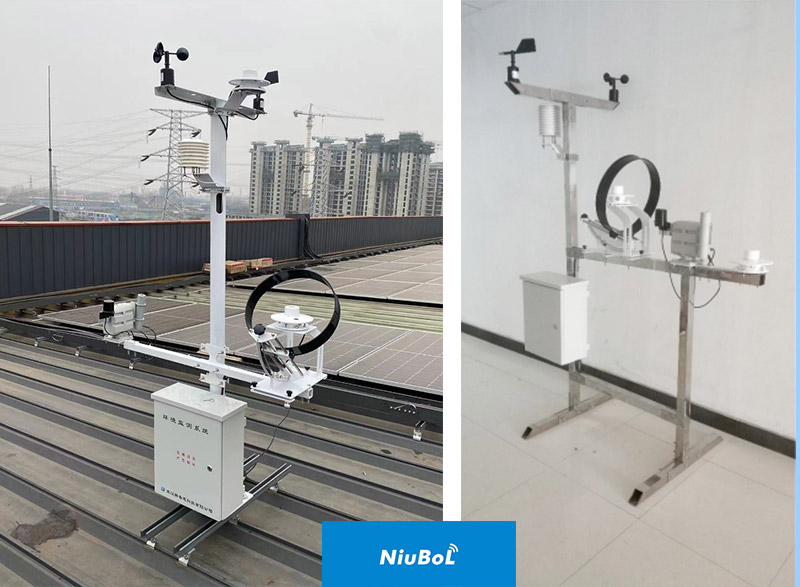
Send NiuBoL the existing sensor list, photographs, receiver input details, supply and required plant data interface. Identify whether mounting hardware, cable extensions, input modules, configuration and site commissioning are included. If a calibration requirement applies, state it for the actual instrument rather than accepting a general claim about standards.
Compare the installed scope and the disruption to existing records, not only the sensor price. A compatible sensor addition may be sufficient, while an obsolete or inaccessible acquisition system may justify a wider change. The preferred approach is the one that supplies the required observation and can be demonstrated at the plant's receiving system.
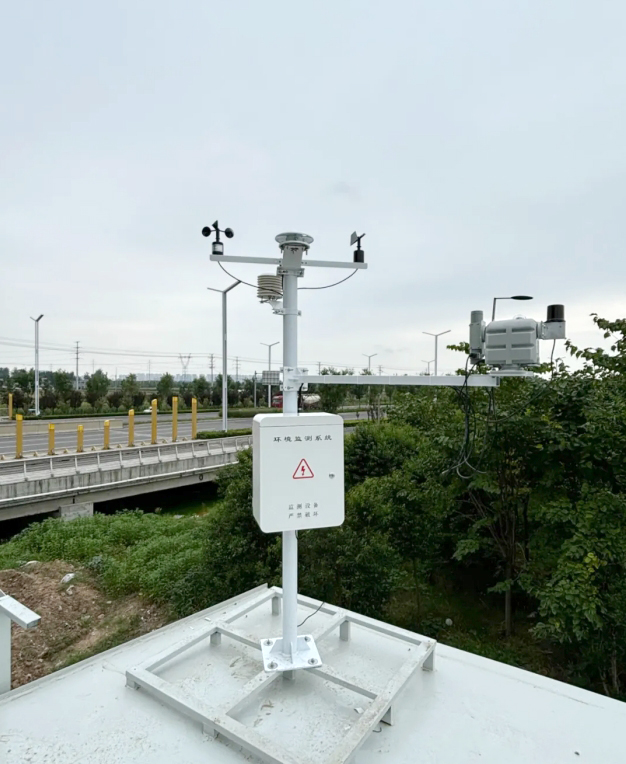
No. Retain suitable sensors, power and acquisition where their condition and compatibility are established. Replace or add the parts needed for the missing function, and verify the complete measurement path afterward.
Only after checking the address, serial settings, register decoding, units and measurement plane. Shared communication hardware does not establish an identical data definition.
No. They measure different objects. If module temperature is needed, specify a suitable probe and attachment location separately, and identify it correctly in the plant record.
It can supply an input to a separately configured model. Forecast usefulness depends on the model, other inputs and validation; adding a sensor does not itself establish a forecasting function or accuracy.
Demonstrate correct local and SCADA values, timestamps and units, confirm the retained channels still work, and document the change in the historical record. Test the agreed recovery behavior before closing the installation work.
A PV weather station retrofit should resolve a defined measurement or integration gap. Reuse what remains suitable, match the proposed instrument to the existing receiver and document changes that affect comparability. A configuration-specific review with NiuBoL makes the hardware and commissioning requirements clearer before the plant commits to the work.
 NBL-W-SRS-Solar-radiation-sensor-instruction-manual-V4.0.pdf
NBL-W-HPRS-Solar-Radiation-Sensor-Instruction-Manual-V3.0.pdf
Prev:Seasonal Field Weather Station: Deployment, Recording and Retrieval
Next:Campus Weather Station Installation: Siting, Access and School Handover
Related recommendations
Sensors & Weather Stations Catalog
Agriculture Sensors and Weather Stations Catalog-NiuBoL.pdf
Weather Stations Catalog-NiuBoL.pdf
Agriculture Sensors Catalog-NiuBoL.pdf
Water Quality Sensor Catalog-NiuBoL.pdf
Related products
 Combined air temperature and relative humidity sensor
 TDR Soil Moisture & Temperature Sensor for irrigation| RS485 |4-20mA| NBL-S-THR
 Soil pH sensor RS485 soil Testing instrument soil ph meter for agriculture |NBL-S-PH
 Wind Speed sensor Output Modbus/RS485/Analog/0-5V/4-20mA
 Tipping bucket rain gauge for weather monitoring auto rainfall sensor RS485/Outdoor/stainless steel
 Pyranometer Solar Radiation Sensor 4-20mA/RS485


Screenshot, WhatsApp to identify the QR code
WhatsApp number:+8615367865107
(Click on WhatsApp to copy and add friends)

