





— Blogs —
—Products—
 Consumer hotline +8618073152920
 WhatsApp:+8615367865107
Address:Room 102, District D, Houhu Industrial Park, Yuelu District, Changsha City, Hunan Province, China
Product knowledge
Time:2026-01-02 10:18:35 Popularity:818
In the climate cycle of nature, precipitation is a core indicator for measuring environmental changes, guiding agricultural irrigation, and preventing flood disasters. Whether in meteorological stations, hydrological bureaus, or modern smart farms, a precise and stable rain monitoring system is indispensable.
The NiuBoL team has long been committed to the research and development of environmental sensing technology. Through in-depth optimization of precipitation monitoring logic, we not only provide high-precision rain sensors but also compile this in-depth analysis guide on rain gauges for users.
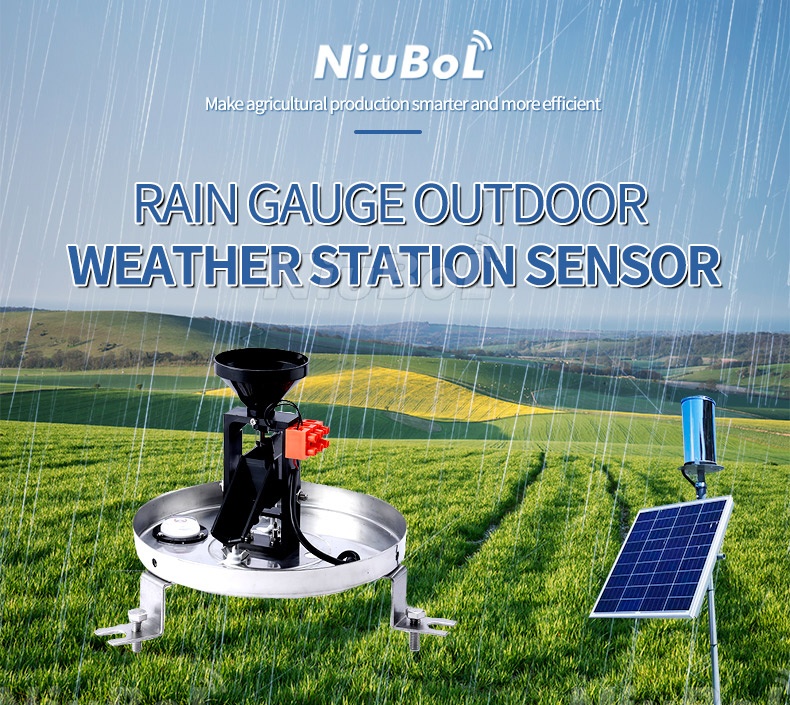
Currently, the mainstream rain gauges on the market are mainly divided into three types: tipping bucket, siphon, and ultrasonic. Each has its own focus, meeting different needs from conventional meteorological observation to extreme environment monitoring.
Tipping Bucket Rain Gauge: The Classic Wired Telemetry Tool
The tipping bucket rain gauge is currently the most widely used automatic recorder.
Structural Logic: Its core is a completely symmetrical triangular tipping bucket container with a partition in the middle that can rotate freely around a horizontal axis.
Working Principle: Rainwater collects through the rainfall inlet and enters one side of the container. When the water volume reaches a preset value (such as 0.1mm, 0.2mm, or 0.5mm), the center of gravity shifts, causing it to tip over. In the moment of tipping, a reed switch or contact switch closes once, sending an electrical signal pulse to the recorder. By counting the pulses, the cumulative precipitation can be calculated.
Application Advantages: High digitization, easy for remote transmission, and the standard configuration for current automatic meteorological stations.
Siphon Rain Gauge: The Continuous Precipitation Process Recorder
The siphon rain gauge is renowned for its ability to visually display the curve of precipitation intensity over time.
Structural Logic: Rainwater enters the measuring cylinder, and the float inside rises with the water level.
Working Principle: The float drives a recording pen to draw an ascending curve on the recording paper. When the water level reaches the 10mm mark, using the physical siphon principle, the accumulated water in the measuring cylinder is rapidly discharged, and the pen tip instantly returns to zero.
Application Advantages: This continuous recording method can very intuitively reflect the start and end time of precipitation, duration, and fluctuations in precipitation intensity.
Ultrasonic Rain Gauge: High-Precision Cutting-Edge Technology Without Mechanical Wear
As a new generation of monitoring equipment, the ultrasonic rain gauge completely breaks the limitations of traditional mechanical structures.
Structural Logic: Integrates a rain collector, ultrasonic measurement subsystem, and precision cleaning system.
Working Principle: Based on the ultrasonic ranging principle, it calculates water level changes by measuring the time for sound waves emitted by the sensor to reach the water surface and reflect back.
Core Advantages: Extremely short measurement time (completed within 2 seconds), measurement frequency up to once per minute. With no mechanical transmission parts, it has a long service life, extremely low failure rate, and accuracy up to 0.1mm. It offers extremely high stability in harsh and remote environments.
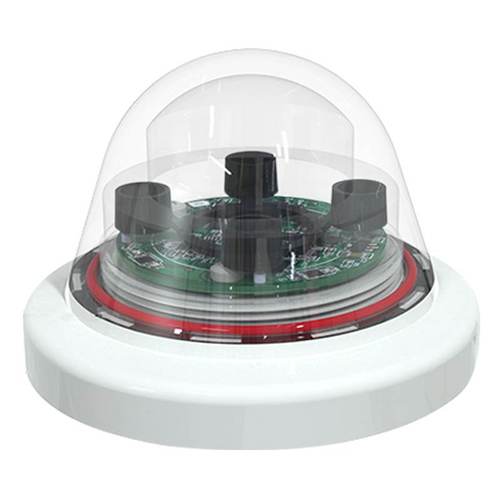
Choosing a suitable rain gauge requires balancing precision, lifespan, and transmission needs. NiuBoL recommends focusing on the following three points when selecting NiuBoL-related equipment:
Rain Collector Material and Craftsmanship Quality
High-quality rain collectors should have excellent weather resistance. NiuBoL uses special materials resistant to acid rain and corrosion, ensuring a smooth surface to reduce errors from raindrop adhesion and guaranteeing absolute counting accuracy.
Necessity of Display Panel
Judge based on the installation scenario. If on-site manual reading is needed, choose a model with a real-time display panel; for pure remote monitoring, select a screenless model to reduce power consumption.
Adaptation of Data Transmission Mode
Wired Transmission: Suitable for indoor experiments or short-distance data recording.
Wireless Transmission: Suitable for large fields and forests. NiuBoL supports multiple wireless modes such as 4G and NB-IoT, ensuring reliable field monitoring.
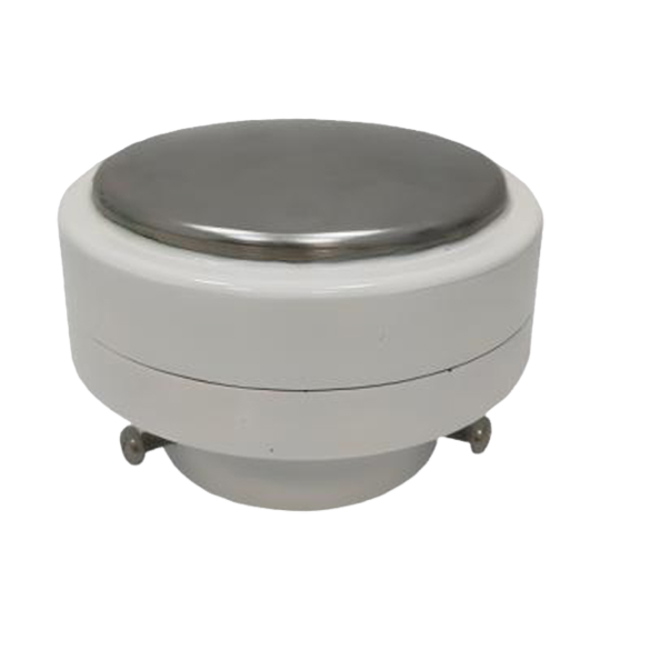
The quality of the installation environment directly affects data representativeness.
Site Selection Environment: Must be placed on open, flat ground. Since wind can alter raindrop trajectories, the horizontal distance from obstacles (trees, buildings) around the installation point should be at least 2 times the height of the obstacle.
Installation Levelness: Use a level to ensure the water inlet is absolutely horizontal. If a tipping bucket rain gauge is installed tilted, it will cause uneven water filling on both sides, leading to systematic errors.
Physical Stability: The base should be reinforced with concrete and secured with expansion screws to prevent false triggering counts caused by strong wind shaking.
Height from Ground: Usually according to meteorological standards, the water inlet should be about 70cm above the ground, adjustable based on local standards.
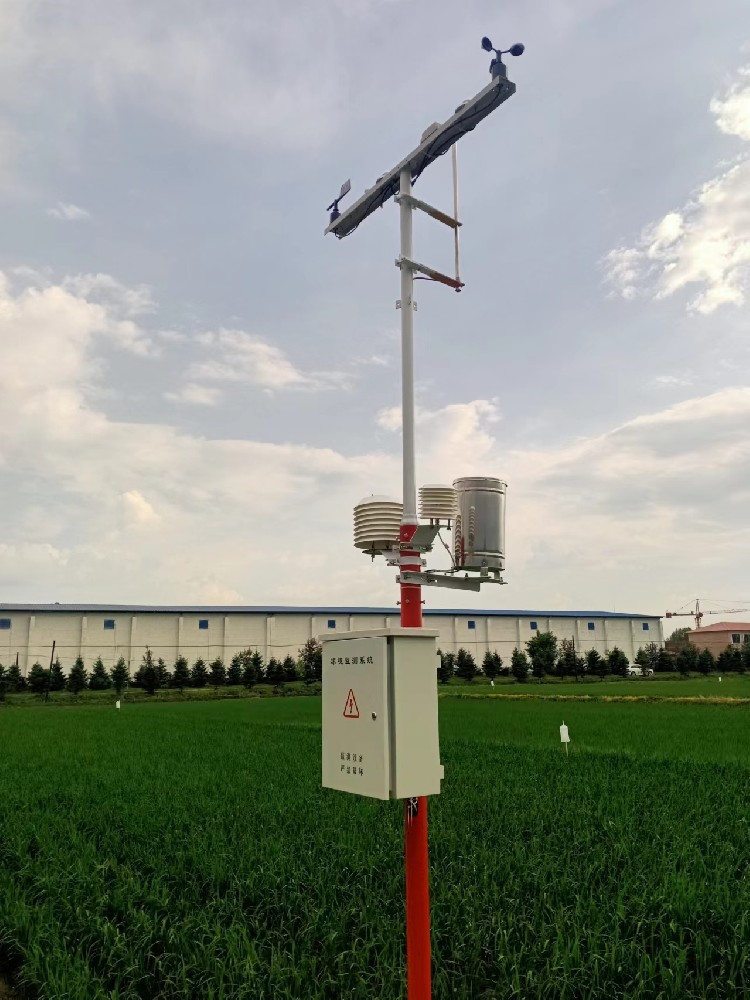
Rain gauges are exposed to the outdoors for long periods; regular maintenance is key to ensuring data quality.
Monthly Routine Inspections
In principle, a routine inspection is recommended once a month. Observe whether there are foreign objects such as fallen leaves, insect corpses, spider webs, or bird droppings at the water inlet.
Cleaning the Tipping Bucket and Silt
Remove the outer cylinder and observe if there is silt accumulation in the black bucket (inner collector). If necessary, gently remove the tipping bucket and wipe the interior with clean water and a soft cloth. Note: After cleaning, gently rotate the tipping bucket to ensure smooth movement and check if the lateral long screws are loose.
Control Panel Cleaning
During cleaning, keep the electronic control panel dry and clean, and strictly avoid using chemical solvents to wipe precision sensing parts.
Winter Protection and Long-Term Idle Storage
In cold winters (freezing periods) or long dry seasons without rain, wrap the sensor housing with plastic cloth and block the water inlet with a windproof cover. This effectively prevents snow freezing from damaging mechanical structures or insects nesting inside causing system damage.
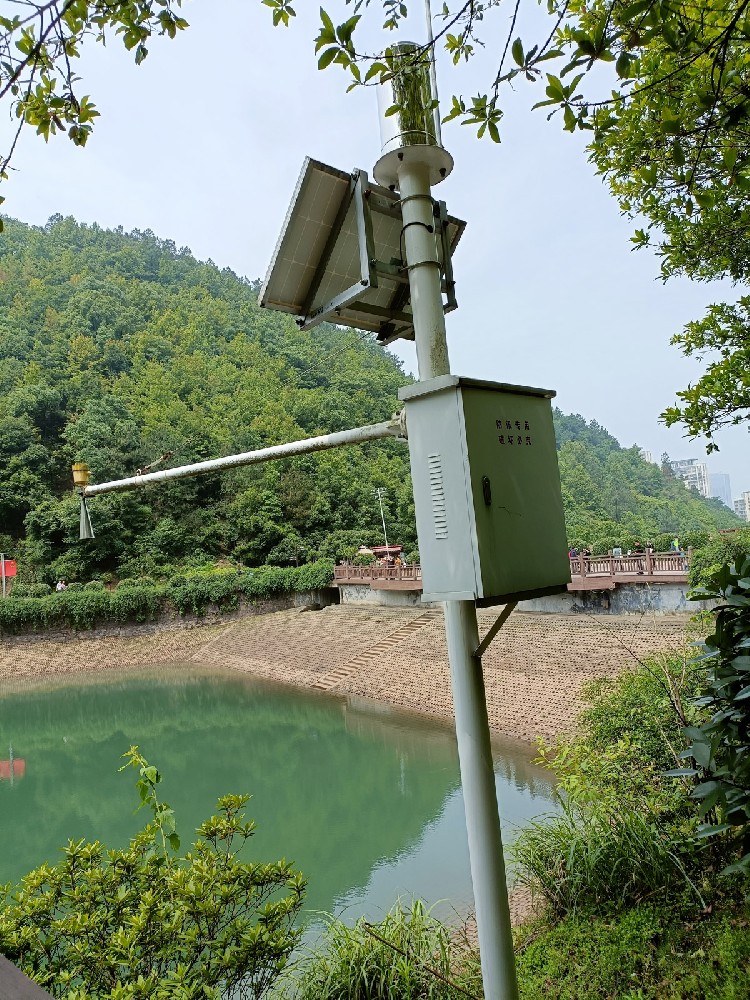
| Question | Answer |
|---|---|
| Q1: Why is the reading from my tipping bucket rain gauge perceptually smaller than the actual rainfall? | A: Besides uneven installation, the most common cause is fallen leaves blocking the inlet or mud accumulation at the funnel, slowing rainwater inflow and causing missed counts during heavy rain. Regular cleaning is the solution. |
| Q2: Why is the ultrasonic rain gauge suitable for unattended remote areas? | A: Because it has no mechanical moving parts (such as tipping buckets or siphon tubes), it won't jam due to bearing wear or silt accumulation, with maintenance frequency far lower than mechanical types. |
| Q3: Can NiuBoL rain gauges be connected to our own meteorological cloud platform? | A: Absolutely. The full series of NiuBoL rain sensors support the standard Modbus-RTU communication protocol and can seamlessly integrate with various PLCs, microcontrollers, or smart agriculture management systems. |
| Q4: Is the siphon rain gauge outdated? | A: Not outdated, but different application scenarios. The siphon type has excellent intuitiveness in recording instantaneous precipitation intensity and is often used in high-demand professional meteorological stations for process research. |
| Q5: How to manually calibrate the accuracy of rain sensors? | A: During known rainfall, use a standard measuring cylinder to collect rainwater and convert to depth, comparing with the sensor-reported data. NiuBoL products undergo strict water volume calibration before leaving the factory. |
| Q6: Will acid rain corrode the rain gauge? | A: NiuBoL rain gauges use acid- and alkali-resistant stainless steel or engineering plastic materials, with housings treated with anti-UV and anti-corrosion coatings, enabling long-term stable operation even near chemical plants or in strong acid rain areas. |
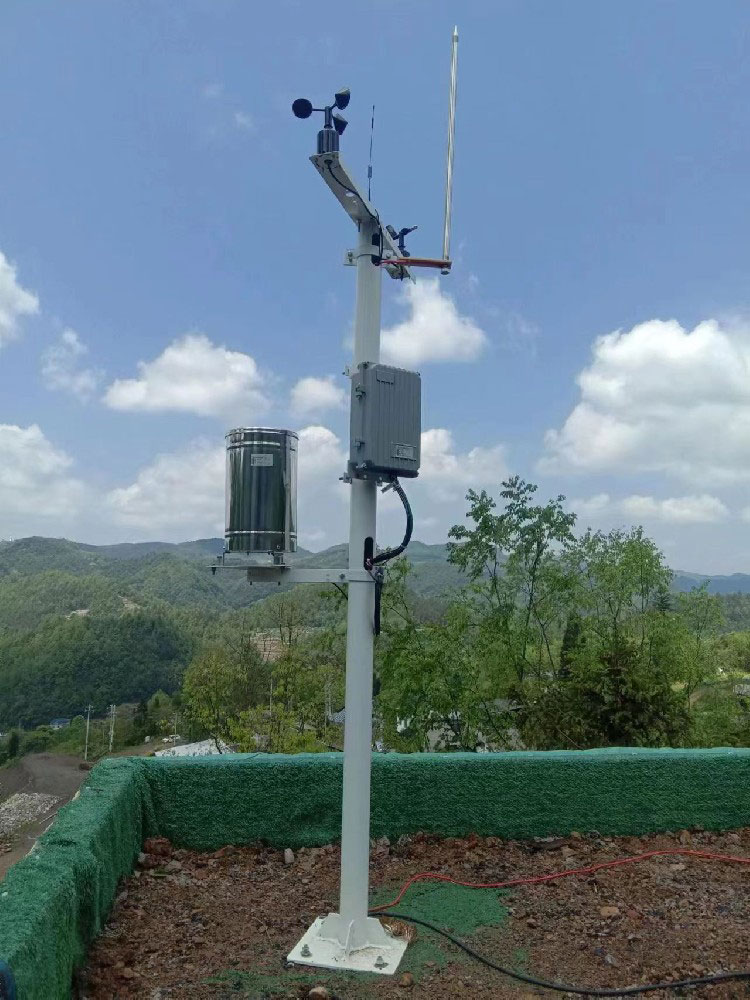
Rain monitoring is the foundation for interpreting nature and serving production. From the classic tipping bucket to the modern ultrasonic type, NiuBoL is always committed to improving the accuracy of every millimeter of precipitation data.
Through scientific selection, standardized installation, and meticulous monthly maintenance, we can make rain gauges a precise tool for sensing the pulse of nature. As the NiuBoL team has always believed: Precise data is the first step in addressing climate challenges and achieving smart growth.
Data Units: Rainfall (mm), Precipitation Intensity (mm/min).
Communication Protocols: Supports RS485, Modbus-RTU, 4-20mA.
Measurement Range: Precipitation intensity up to 0-4mm/min, resolution supports 0.1mm, 0.2mm, 0.5mm customization.
Do you need to deploy a fully automatic rain monitoring and reporting system for your reservoir, farm, or forest area? Contact us, NiuBoL will provide you with one-stop rain monitoring solutions from on-site survey to digital cloud platform.
Prev:High-precision soil nutrient testing instrument
Next:Core Advantages of Small Weather Stations and Their Key Role in Increasing Agricultural Yield
Related recommendations
Sensors & Weather Stations Catalog
 Agriculture Sensors and Weather Stations Catalog-NiuBoL.pdf
Weather Stations Catalog-NiuBoL.pdf
Agriculture Sensors Catalog-NiuBoL.pdf
Water Quality Sensor Catalog-NiuBoL.pdf
Related products
 Combined air temperature and relative humidity sensor
 TDR Soil Moisture & Temperature Sensor for irrigation| RS485 |4-20mA| NBL-S-THR
 Soil pH sensor RS485 soil Testing instrument soil ph meter for agriculture |NBL-S-PH
 Wind Speed sensor Output Modbus/RS485/Analog/0-5V/4-20mA
 Tipping bucket rain gauge for weather monitoring auto rainfall sensor RS485/Outdoor/stainless steel
 Pyranometer Solar Radiation Sensor 4-20mA/RS485

Screenshot, WhatsApp to identify the QR code
WhatsApp number:+8615367865107
(Click on WhatsApp to copy and add friends)

