





— Blogs —
—Products—
 Consumer hotline +8618073152920
 WhatsApp:+8615367865107
Address:Room 102, District D, Houhu Industrial Park, Yuelu District, Changsha City, Hunan Province, China
Product knowledge
Time:2025-12-10 15:32:06 Popularity:834
As urban construction expands, construction sites contribute to city development while generating increasingly prominent dust and noise pollution.
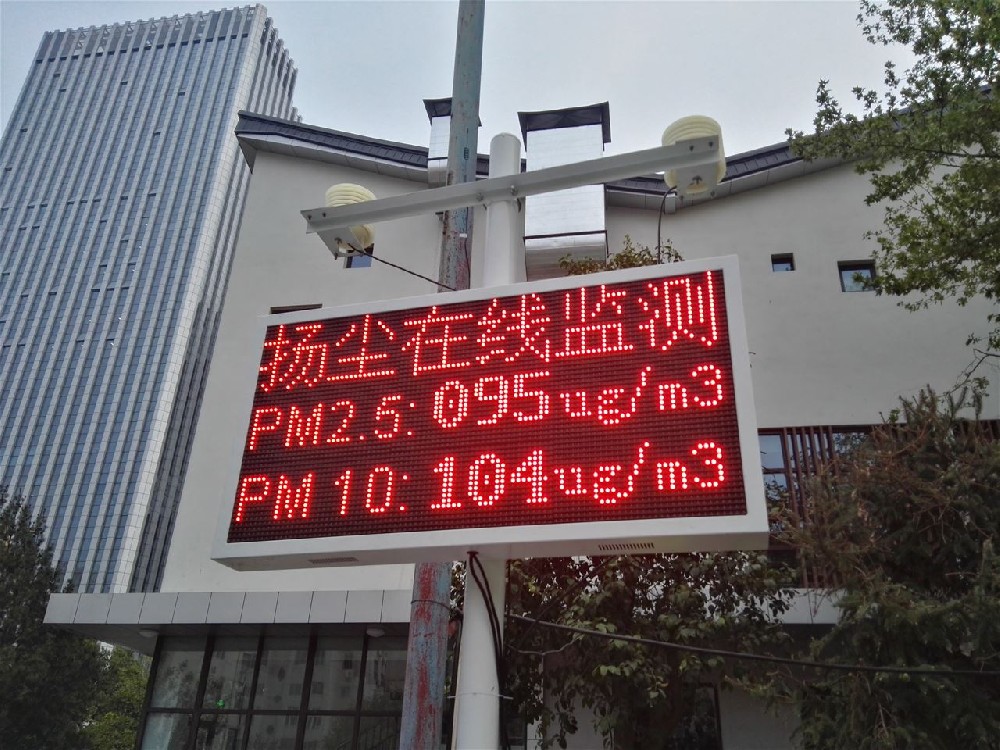
Dust Hazards: Fine particulate matter (PM2.5, PM10) severely affects air quality and visibility, impacting traffic. More critically, these particles carry toxic substances that enter the respiratory tract, causing pharyngitis, bronchitis, and even lung infections, seriously threatening public health.
Noise Hazards: Construction noise exceeding legal limits disturbs residents, affects rest and sleep, and long-term exposure can lead to reduced concentration, lower work efficiency, cardiovascular diseases, and hearing damage.
Under increasingly stringent environmental governance requirements, real-time, objective, and scientific quantification of dust and noise emissions and source control has become a core issue for environmental protection departments and construction enterprises.
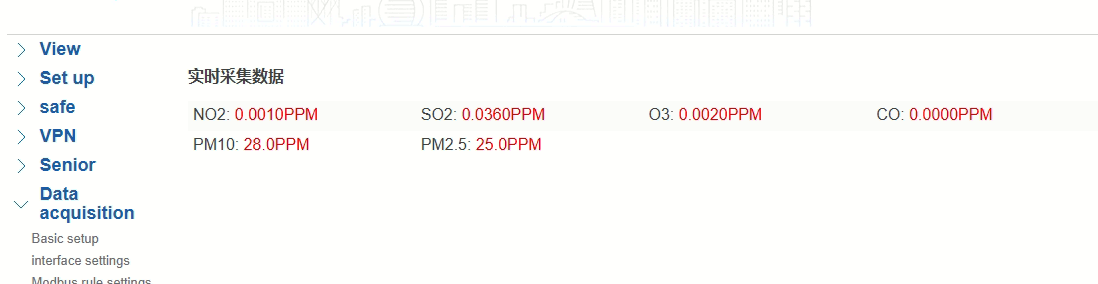
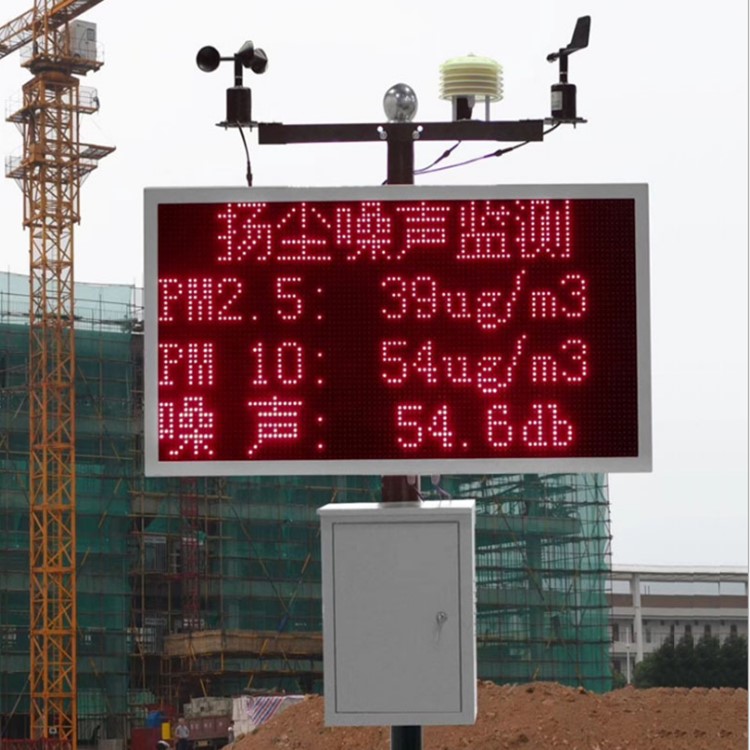
A construction site dust monitoring station (also known as a smart dust & noise monitoring system) is a monitoring system specifically developed for environmental pollution in urban construction projects, road construction, material yards, etc. It integrates modern IoT sensing, wireless communication, video, and cloud computing technologies to collect, transmit, analyze, and apply data, achieving remote real-time online monitoring and analysis of dust concentration (PM1.0/PM2.5/PM10) and noise intensity at construction sites.
Core Functions: Real-time quantification of dust and noise data, exceedance warnings, trend analysis, and remote video evidence, providing scientific basis for joint enforcement by environmental protection, urban construction, and transportation regulatory departments and refined management by construction units.
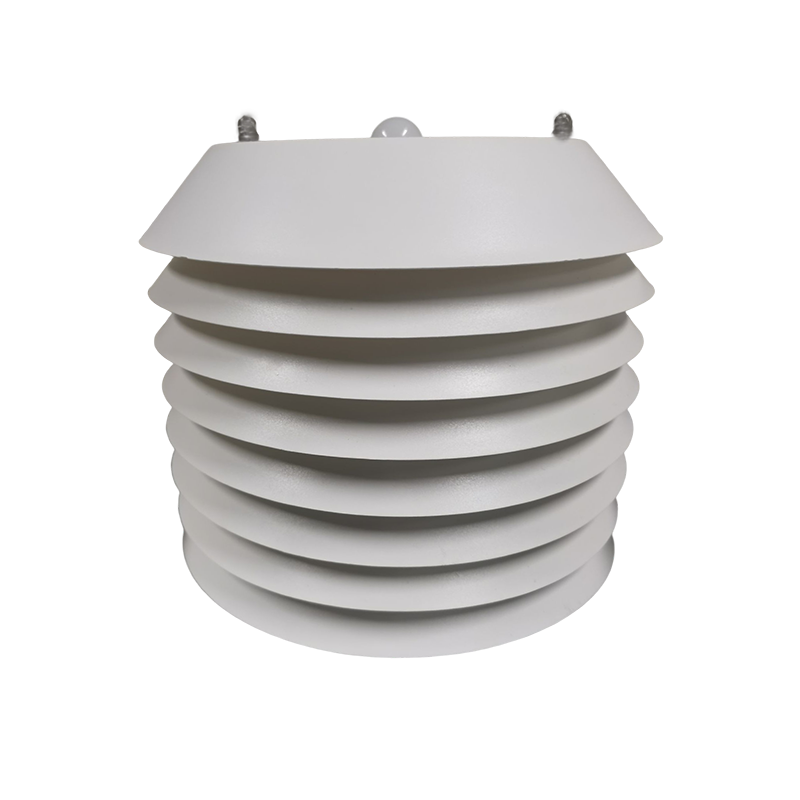
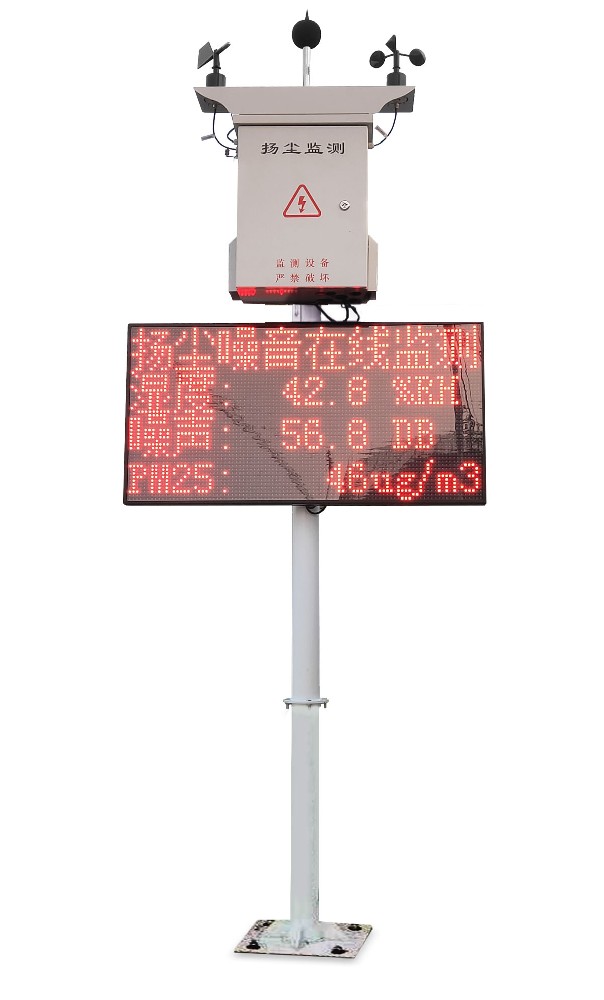
NiuBoL’s dust monitoring automatic weather station is a comprehensive platform integrating multiple sensors, data acquisition, transmission, and display functions.
A complete smart construction dust & noise monitoring system consists of:
Data Acquisition Module (Sensor Array): The core that acquires environmental data
• Dust Sensor (NBL-W-PM): Monitors PM1.0, PM2.5, PM10 concentration
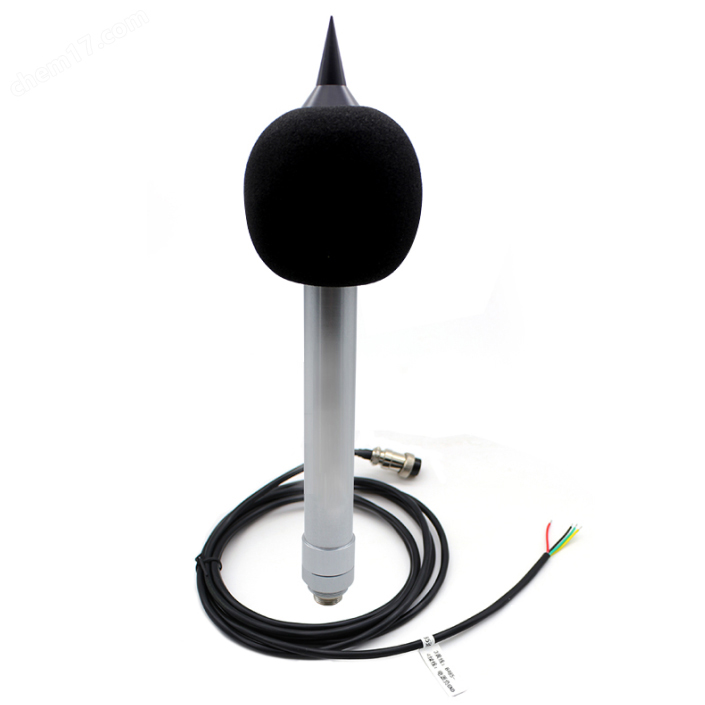
• Noise Sensor (NBL-W-NS): Monitors ambient sound level intensity
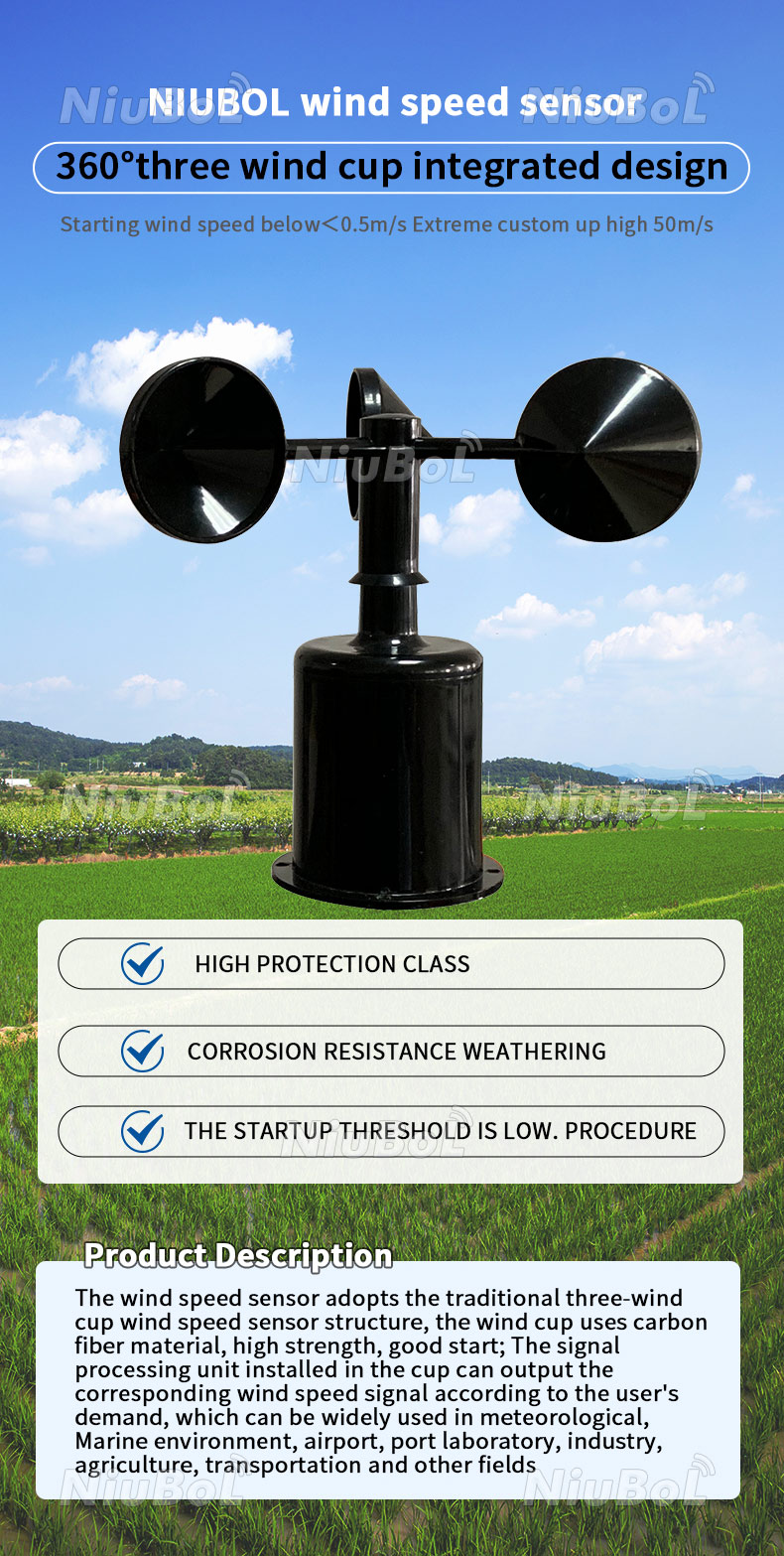
• Meteorological Sensors: Wind speed (NBL-W-SS), wind direction (NBL-W-DS), temperature/humidity/pressure (NBL-W-LBTH), etc.
Data Acquisition & Transmission Module: Integrates and processes data, transmits in real time via 4G/5G, WiFi, or wired network to the cloud platform
Display Screen (LCD): Real-time on-site data display for warning and publicity
Cloud Platform & Alarm Module (NiuBoL Environmental Monitoring Cloud Platform): Receives, stores, analyzes data, provides remote control, data analysis, exceedance warnings, etc.
Auxiliary Modules: Metal protective enclosure, mounting bracket, power supply system (mains or solar)
1. Dust Monitoring (NBL-W-PM Outdoor Dust Sensor)
Uses laser scattering principle. When dust particles pass through the laser beam, they produce scattered light. The sensor detects scattered light intensity and converts it into particulate concentration via algorithms. High accuracy, fast response, simultaneously detects PM1.0, PM2.5, and PM10.
2. Noise Monitoring (NBL-W-NS Noise Sensor)
Digital, modular design using DSP chip and high-precision microphone to collect sound waves. Converts sound pressure to electrical signals, amplifies and digitally processes them to accurately measure ambient sound intensity. Wide frequency band, excellent stability, no manual range switching required.
3. Meteorological Auxiliary Monitoring
Wind speed/direction sensors: Critical for dust diffusion path and impact range analysis. Strong winds may trigger dust exceedance, prompting timely activation of mist cannons.
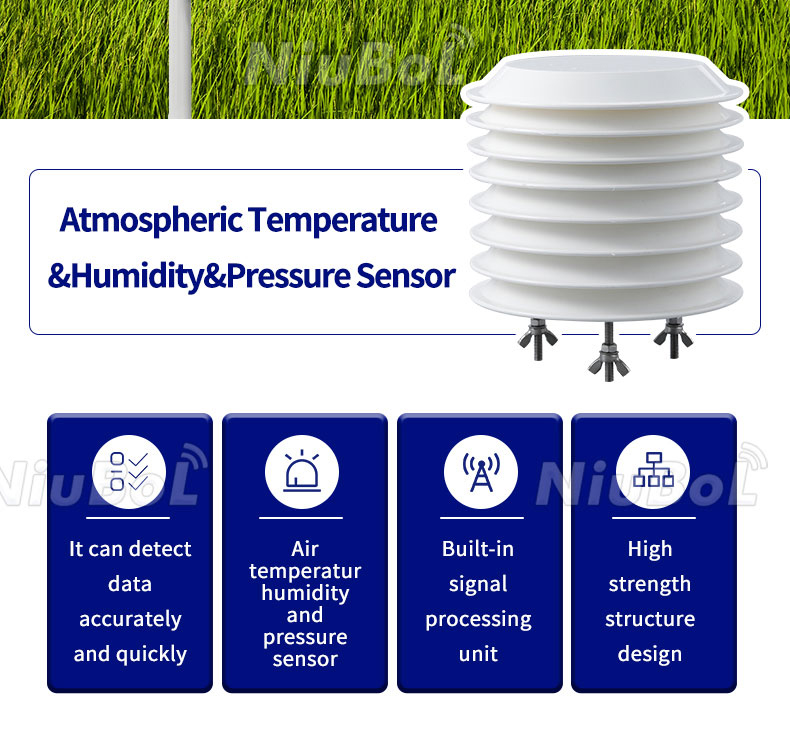
Temperature/humidity/pressure sensor: Monitors environmental parameters affecting particulate diffusion and measurement accuracy, providing scientific basis for data calibration and dust trend analysis.
Real-time Online & Automation: Compared with traditional manual sampling, achieves 24/7 uninterrupted automated data collection, transmission, and processing, greatly improving efficiency and saving manpower/materials.
Multi-Element Integration: Monitors dust and noise while integrating temperature, humidity, wind speed/direction, etc., for multi-dimensional environmental monitoring.
Remote Intelligent Supervision: Via NiuBoL cloud platform, users can view dynamic data, remotely control equipment, and receive warnings anytime via phone/computer.
High Accuracy & Strong Environmental Adaptability: High-precision, high-reliability sensors with waterproof/anti-corrosion housings (e.g., Stevenson screen) resist harsh outdoor conditions.
Video Linkage & Evidence Chain: Integrates with video surveillance for “signal + video” combination, automatically capturing/recording evidence during exceedances for scientific enforcement.
Environmental Enforcement & Regulation: Provides scientific basis for environmental protection and urban construction departments to penalize and rectify non-compliant sites, achieving “full-process, uninterrupted” supervision.
Refined Management for Construction Enterprises: Real-time insight into dust and noise emissions, timely adjustment of operations (watering, mist cannons, covering), preventing pollution at source and reducing violation risks.
Urban Air Quality Improvement: Controls dust — a major PM2.5 source — reducing impact on urban air quality during dust storms.
Safe & Civilized Construction Guarantee: Real-time noise monitoring prevents nighttime disturbance, enhancing civilized construction standards and corporate image.
| Q: Common Questions | A: NiuBoL Answers and Recommendations |
|---|---|
| 1. What are the core indicators monitored by construction site dust stations? | Core indicators are PM2.5 and PM10 concentrations (expandable to PM1.0) and ambient noise intensity. Also monitors wind speed, direction, temperature, humidity, etc., for dust diffusion trend analysis and data calibration. |
| 2. What is the difference between PM2.5 and PM10? Why monitor both? | PM2.5 ≤2.5 μm particles pose the greatest health hazard; PM10 ≤10 μm are the main component of dust. Both are monitored for comprehensive air pollution assessment. |
| 3. How does NiuBoL dust monitoring station achieve real-time warning? | When real-time data exceeds preset thresholds, the cloud platform immediately triggers alarms via SMS, app push, etc., to managers and on-site personnel. |
| 4. What role do meteorological parameters (wind speed/direction) play in dust monitoring? | Critical for determining dust source, diffusion trend, and impact range. Wind direction traces exceedance source; wind speed determines need for mist cannons or halting earthwork. |
| 5. What measures should be taken if monitoring data exceeds limits? | Immediately activate watering/mist cannons, check bare soil covering, temporarily stop dust-generating operations, clean vehicles entering/exiting, etc. |
| 6. How is NiuBoL monitoring data accuracy guaranteed? | Uses high-precision laser scattering and digital signal processing, resists harsh environments, employs multi-point deployment, real-time comparison, and regular calibration. |
| 7. How does the system address nighttime construction noise disturbance? | Noise sensor records 24/7. Exceeding nighttime limits triggers alarms and video evidence, providing strong enforcement proof and urging compliance with nighttime construction approvals. |
| 8. What are the main functions of NiuBoL environmental monitoring cloud platform? | Integrated data collection, remote control, historical data query & trend analysis, multi-dimensional visualization, exceedance warnings, and report generation for macro regulation and scientific decision-making. |
| 9. What are the requirements for monitoring station installation location and quantity? | Typically at site boundaries, main entrances/exits, or pollution sources. Quantity and location depend on site scale, construction content, surrounding sensitivity, and local environmental requirements for comprehensive core area coverage. |
| 10. What advantages does automated monitoring have over previous manual sampling? | Higher efficiency, lower cost, real-time and continuous monitoring, captures instantaneous exceedances, enables remote control — manual sampling is inefficient, time-consuming, and cannot provide real-time dynamic results. |
| Q11: What certifications does NiuBoL have? | CE, ISO9001, RoHS, and nationally recognized meteorological calibration certificates. |
The smart construction dust & noise monitoring system represents a major advancement in modern urban environmental governance and refined construction industry management. NiuBoL’s dust monitoring automatic weather station and supporting cloud platform achieve real-time, quantitative, and visual supervision of construction site environmental pollution through high-precision sensor technology and IoT integration.
Its deployment greatly improves environmental governance and management efficiency, provides scientific enforcement basis for regulatory departments, and promotes integration of environmental awareness into daily construction management. It plays a significant role in effectively controlling urban dust pollution, improving residents’ living environment, and enhancing urban air quality.
 NBL-W-LBTH-Atmosphere-temperature-humidity-and-pressure-sensor-instruction-manual-V4.0.pdf
NBL-W-PM25-PM10-Integrated-sensors-Manual.pdf
NBL-W-NS Noise-Sensor-Instruction-Manual.pdf
Prev:Solar Radiation Sensor Pyranometer: Definition, Principle, Application & Selection Guide
Next:What is an Automatic Rain Gauge Station? Functions, Role & Price Guide | NiuBoL
Related recommendations
Sensors & Weather Stations Catalog
Agriculture Sensors and Weather Stations Catalog-NiuBoL.pdf
Weather Stations Catalog-NiuBoL.pdf
Agriculture Sensors Catalog-NiuBoL.pdf
Water Quality Sensor Catalog-NiuBoL.pdf
Related products
 Combined air temperature and relative humidity sensor
 TDR Soil Moisture & Temperature Sensor for irrigation| RS485 |4-20mA| NBL-S-THR
 Soil pH sensor RS485 soil Testing instrument soil ph meter for agriculture |NBL-S-PH
 Wind Speed sensor Output Modbus/RS485/Analog/0-5V/4-20mA
 Tipping bucket rain gauge for weather monitoring auto rainfall sensor RS485/Outdoor/stainless steel
 Pyranometer Solar Radiation Sensor 4-20mA/RS485

Screenshot, WhatsApp to identify the QR code
WhatsApp number:+8615367865107
(Click on WhatsApp to copy and add friends)

