





— Blogs —
—Products—
 Consumer hotline +8618073152920
 WhatsApp:+8615367865107
Address:Room 102, District D, Houhu Industrial Park, Yuelu District, Changsha City, Hunan Province, China
Product knowledge
Time:2026-01-07 10:39:23 Popularity:840
In refined management of modern smart agriculture, meteorological monitoring is regarded as the “first workshop” for production decisions. Whether scheduling irrigation for field crops or regulating microclimates in greenhouses, it relies on precise perception of environmental energy and material exchanges. NiuBoL is committed to transforming unpredictable natural factors into scientific data guiding bountiful harvests through digital meteorological monitoring.
Based on monitoring purposes, environmental characteristics, and agricultural activities, agricultural meteorological equipment has evolved into three highly targeted professional classifications. This article thoroughly dissects their composition principles, sensor functions, and observation standards in actual production.
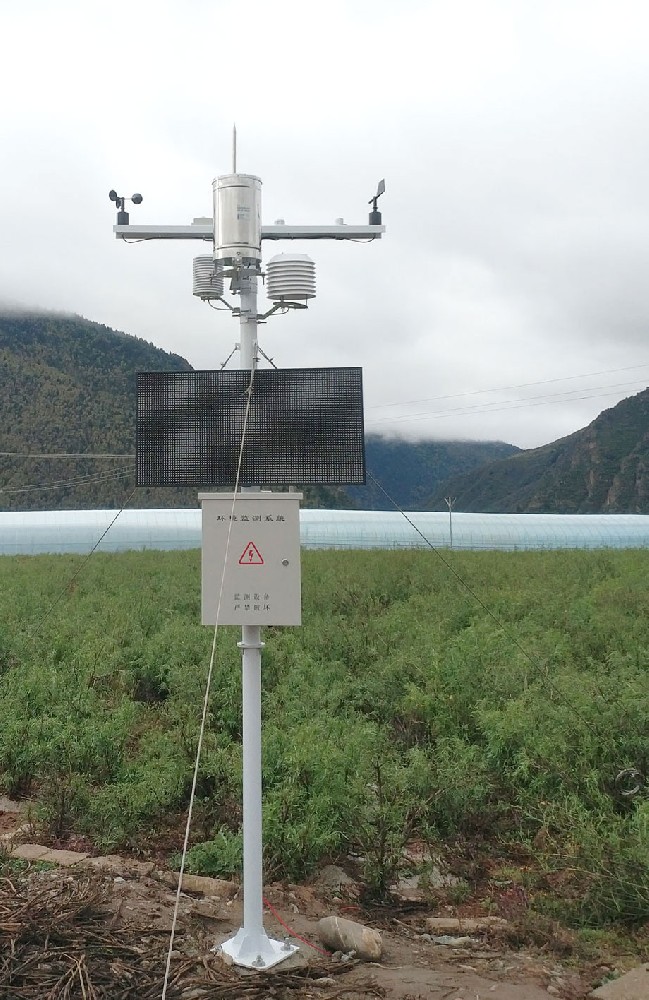
For different agricultural scenarios, NiuBoL provides customized equipment matrices to ensure data depth and professionalism.
1.1 Agricultural Greenhouse Monitoring Station
Designed specifically for agricultural ecological environments (e.g., farmland, orchards, greenhouses, livestock sheds) and production activity environments (e.g., drying yards, spraying areas, cold chain storage).
Core Function: Monitors energy exchange between climate factors in crop microenvironments and biological growth.
Application Focus: Dynamically adjusts shading, ventilation, and supplementary lighting systems by monitoring temperature, humidity, and CO₂ to ensure optimal quality for off-season crops.
1.2 Soil Evapotranspiration Automatic Monitoring Station
Evapotranspiration is a key parameter for water balance in ecosystems like forests, grasslands, farmland, deserts, and wetlands.
Core Function: Quantifies total water entering the atmosphere through soil evaporation and plant transpiration.
Application Focus: Core basis for precise water-saving irrigation plans; farmers calculate “is the land thirsty” accurately for on-demand water supply.
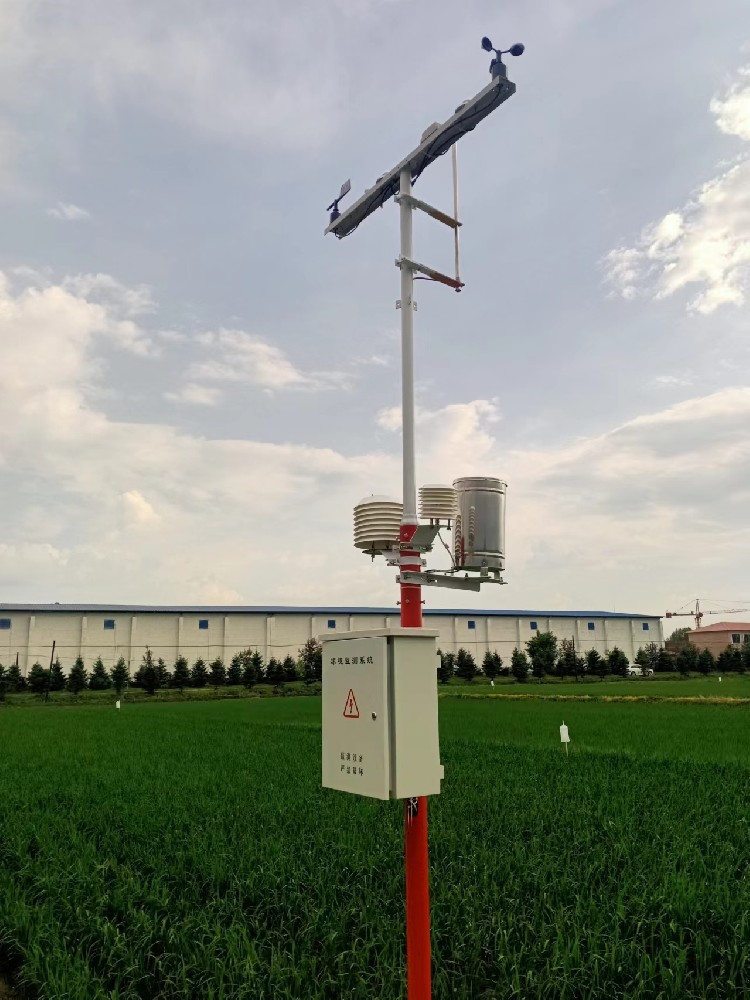
1.3 Farmland Environment Automatic Monitoring Station
A comprehensive monitoring and control system developed for open farmland environmental monitoring and microclimate regulation needs.
Core Function: Comprehensive monitoring of atmospheric environment, soil fertility, and light conditions in farmland.
Application Focus: Provides continuous, high-precision underlying data support for agricultural meteorological intelligence, pest/disease forecasting, and agricultural zoning.
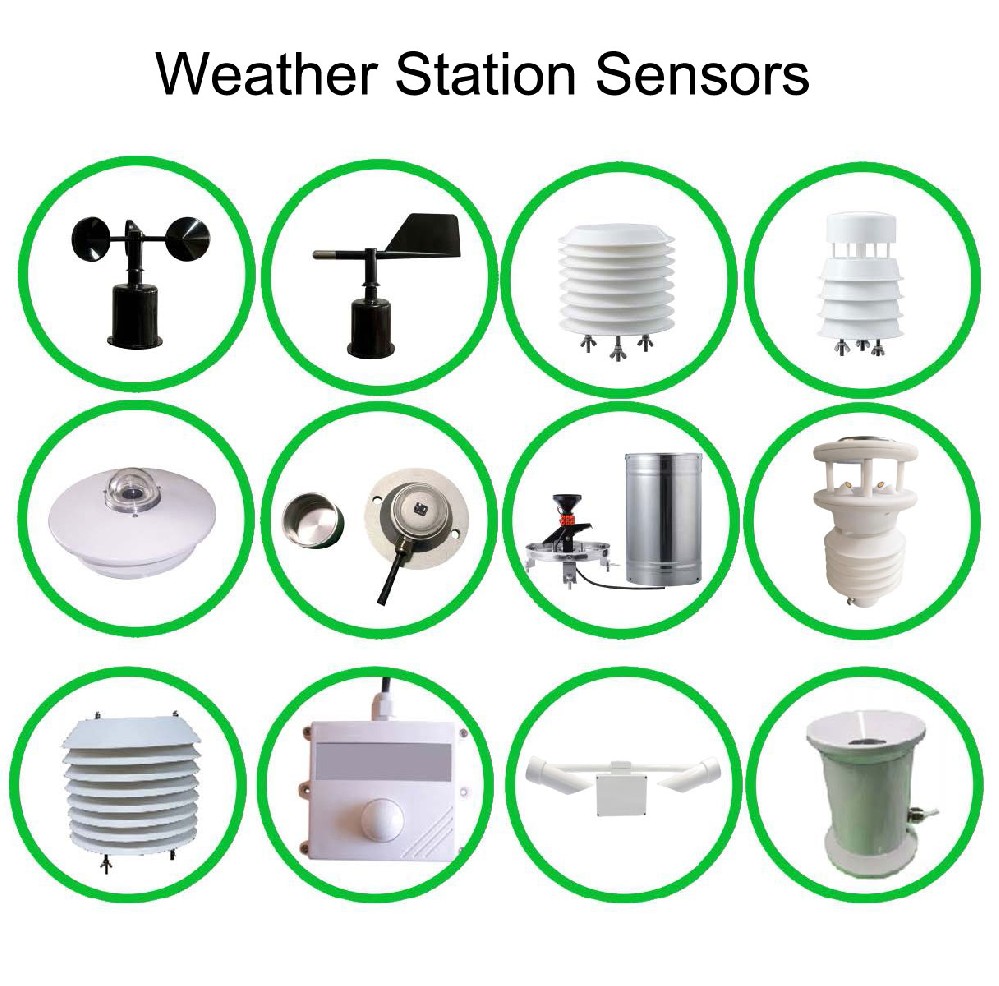
Sensor selection in different stations determines system perception boundaries. Below are commonly used core sensors in NiuBoL agricultural weather stations and their functions:
Air Temperature and Humidity Sensor: Monitors atmospheric warmth and dryness—foundation for preventing frost and mold outbreaks.
Wind Speed and Direction Sensor: Senses wind force via cup or ultrasonic principles. Provides wind warnings during agricultural spraying to prevent chemical drift.
Rainfall Sensor (Tipping Bucket): Accurately records natural precipitation. Compares data to determine if rainfall suffices to replace artificial irrigation.
Light Intensity and Photosynthetically Active Radiation (PAR) Sensor: Captures effective spectrum (400-700nm) for photosynthesis beyond mere brightness, directly guiding greenhouse supplementary lighting.
Soil Moisture and Temperature Sensor (Layered): Monitors root zone moisture dynamics and ground temperature—physical basis for “prescription irrigation.”
Carbon Dioxide (CO₂) Sensor: Monitors “food reserve” for plant photosynthesis in greenhouses, ensuring efficient production.
Atmospheric Pressure Sensor: Predicts weather trends through minute pressure fluctuations, aiding pest/disease pattern research.
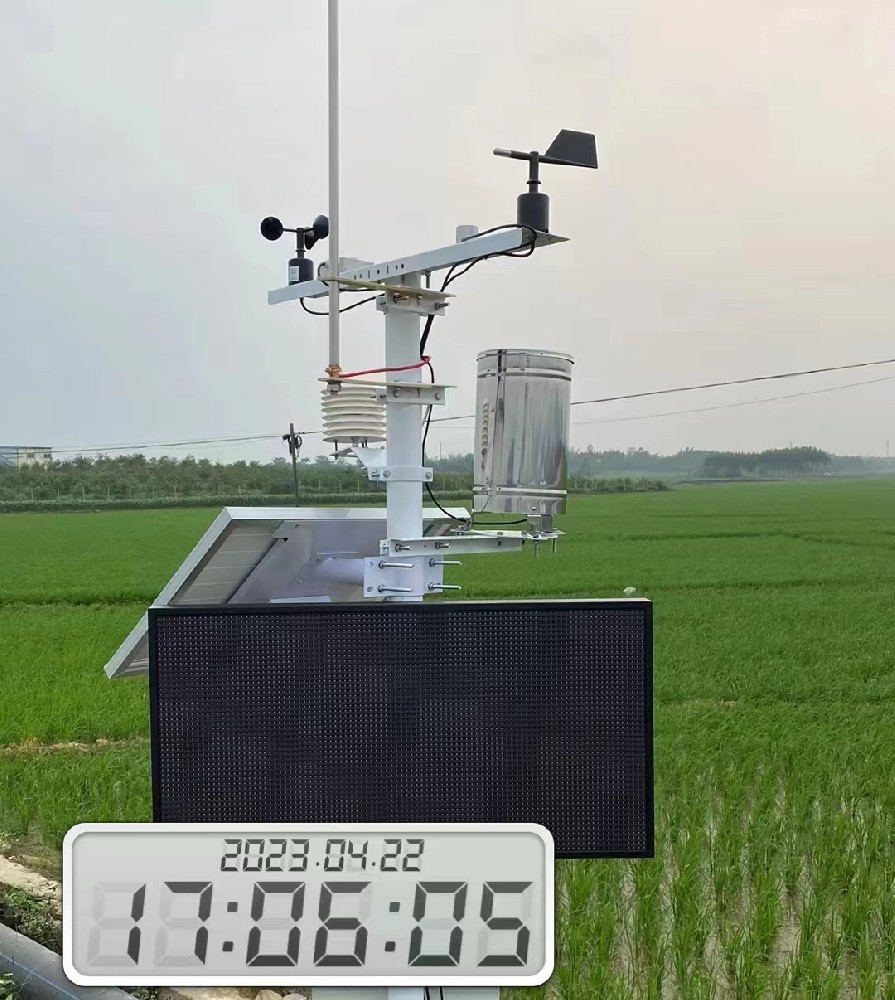
Compact weather stations achieve productivity leaps through precise observation of crop growth environmental factors.
3.1 Meteorological Intelligence and Zoning Services
Adjusts and improves agricultural microclimates using measured data. For example, accumulated historical data assists experts in agricultural zoning, recommending optimal high-yield crops for specific plots.
3.2 Observation Principles: Parallel Observation and Representativeness
Parallel Observation Principle: Select sites near stations in representative cultivated areas. Record meteorological elements while synchronously observing phenology (growth status) to establish direct environment-yield relationships.
Site Selection: Rigorously consider terrain (avoid wind gaps or depressions), groundwater levels, and local mainstream cultivation techniques for broad data comparability.
3.3 The Art of Phenological Observation
Timing Requirement: Adhere to “no missed or delayed observations.” Adjust frequency flexibly based on crop development speed.
Technological Evolution:
Visual Era: Early reliance on human experience—high error, unquantifiable.
Conventional Observation: Periodic recording with mechanical instruments—achieved digitization.
High-Precision Monitoring: Hallmark of NiuBoL digital stations. High-frequency sampling, automatic storage, and wireless upload reflect instantaneous extreme changes, providing “second-level” response for modern agriculture.
| Question | Answer |
|---|---|
| Q1: What are the essential hardware differences between greenhouse and farmland environment monitoring stations? | A: Greenhouse stations emphasize internal-external linkage, often adding CO₂ and PAR sensors with designs focusing on high-humidity resistance and anti-condensation. Farmland stations prioritize mechanical strength (wind/lightning resistance) and precise collection of macro factors like rainfall and wind. |
| Q2: How does evapotranspiration station data guide water-saving irrigation? | A: Evapotranspiration represents farmland water consumption. NiuBoL stations calculate soil water deficit via “precipitation - evapotranspiration,” precisely issuing irrigation commands. |
| Q3: How do compact stations ensure “no missed observations” in phenology? | A: Customizable collection frequency. During critical periods (e.g., jointing, grain filling), remotely increase frequency with field cameras for real-time crop development capture, ensuring data support for every key phenological phase. |
| Q4: How much does sensor accuracy impact agricultural forecasting? | A: Significantly. A 0.5℃ temperature deviation can directly affect frost warning accuracy. NiuBoL uses high-precision digital chips with rigorous lab calibration for low drift and high response in harsh fields. |
| Q5: How to ensure data representativeness across scenarios? | A: Site selection is key. Install in typical areas reflecting regional terrain, soil, and cultivation features, avoiding local extremes (e.g., waterlogged depressions or isolated walls). NiuBoL provides professional site guidance for true microclimate reflection. |
| Q6: What distinguishes evapotranspiration from ordinary weather stations? | A: Evapotranspiration stations require precise water balance calculations. Beyond basic atmospheric elements, they prioritize soil moisture, total radiation, and plant transpiration for quantifying dynamic water return to atmosphere. |
| Q7: How to set observation timing frequency for compact stations? | A: Typically periodic (e.g., every 10 minutes upload). During critical development or drastic weather changes, adjust to irregular or high-frequency to capture potentially fatal meteorological extremes. |
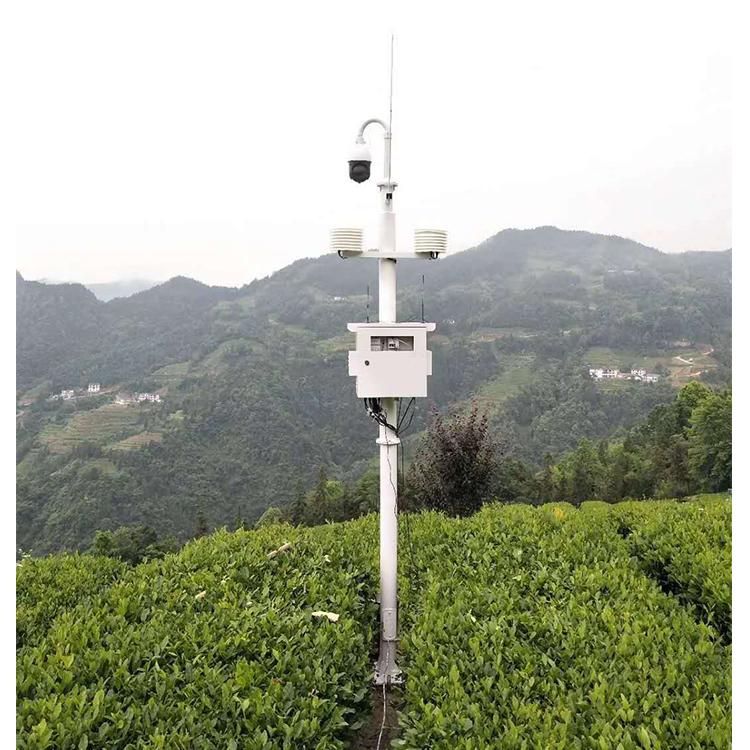
Agricultural weather station equipment is more than a sensor collection—it is the intelligent hub of modern agriculture. Through specialized monitoring of greenhouses, farmland environments, and evapotranspiration, NiuBoL helps farmers and researchers master the “digital code” for dialoguing with nature.
Precise data collection, scientific parallel observation, and high-precision sensor arrays form the solid cornerstone of smart agriculture. In the data-driven era, mastering meteorological microenvironments means mastering initiative for agricultural quality and efficiency improvement.
Need customized meteorological monitoring for specific planting scenarios (e.g., vineyards, cherry orchards, soybeans, cotton, fruit bases)? Contact NiuBoL for full solutions from site selection/installation to platform integration.
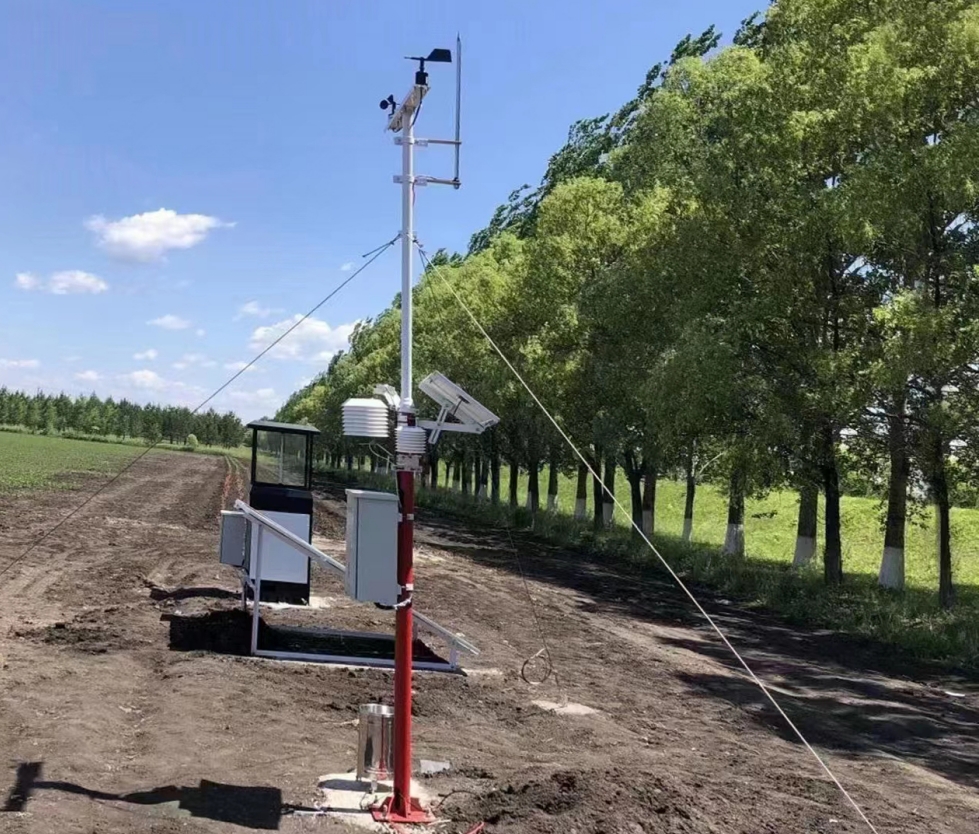
Technical Specifications and Parameters Reference:
Output Protocol: Modbus RTU
Interface Standard: RS485
Power System: DC 12V-24V or solar + battery redundancy
Collection Cycle: Configurable from 1 minute to 24 hours
Operating Temperature and Humidity: -40℃ - 85℃; 0 - 100%RH
Protection Rating: IP65 (sensor components up to IP67)
Bracket Material: 304 stainless steel or anodized aluminum alloy
Related recommendations
Sensors & Weather Stations Catalog
 Agriculture Sensors and Weather Stations Catalog-NiuBoL.pdf
Weather Stations Catalog-NiuBoL.pdf
Agriculture Sensors Catalog-NiuBoL.pdf
Water Quality Sensor Catalog-NiuBoL.pdf
Related products
 Combined air temperature and relative humidity sensor
 TDR Soil Moisture & Temperature Sensor for irrigation| RS485 |4-20mA| NBL-S-THR
 Soil pH sensor RS485 soil Testing instrument soil ph meter for agriculture |NBL-S-PH
 Wind Speed sensor Output Modbus/RS485/Analog/0-5V/4-20mA
 Tipping bucket rain gauge for weather monitoring auto rainfall sensor RS485/Outdoor/stainless steel
 Pyranometer Solar Radiation Sensor 4-20mA/RS485

Screenshot, WhatsApp to identify the QR code
WhatsApp number:+8615367865107
(Click on WhatsApp to copy and add friends)

