





— Blogs —
—Products—
 Consumer hotline +8618073152920
 WhatsApp:+8615367865107
Address:Room 102, District D, Houhu Industrial Park, Yuelu District, Changsha City, Hunan Province, China
Product knowledge
Time:2026-03-06 17:23:11 Popularity:592
A photovoltaic environmental monitor supports performance analysis only when its irradiance and temperature records describe the same plant, orientation and time window as the electrical data. A plausible performance ratio can still be wrong if a horizontal irradiance channel is treated as plane-of-array input, missing records are replaced with zero, or the electricity meter and weather logger use different interval boundaries.
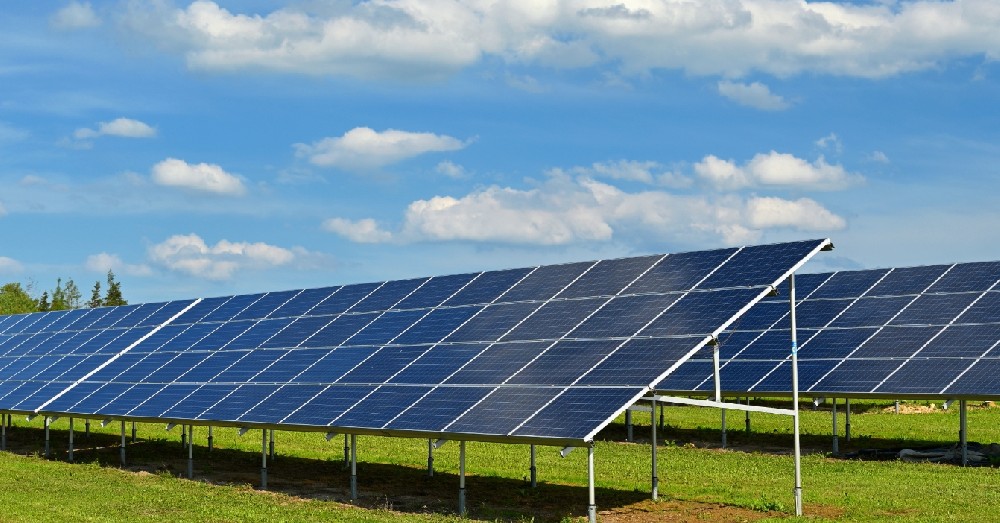
For a conventional energy-based calculation, performance ratio compares final electrical yield with reference yield. Define final yield as measured energy divided by the selected installed DC nameplate capacity. Define reference yield as plane-of-array irradiation divided by a reference irradiance of 1 kW/m2. Both yields then have units of hours, and their ratio is dimensionless.
For illustration, assume 4,000 kWh of energy over the evaluation period, 1,000 kWp of DC capacity and 5 kWh/m2 of plane-of-array irradiation. Final yield is 4 h and reference yield is 5 h, giving PR = 0.80. These are hypothetical inputs, not a NiuBoL project result or a recommended acceptance threshold.
The System Advisor Model performance-ratio explanation similarly relates electrical output to incident array-plane solar energy and the plant's rated conversion basis. In a contract, establish the exact meter boundary, capacity definition, exclusions and calculation procedure. A temperature-corrected or bifacial metric requires its own agreed method rather than silently changing the denominator.
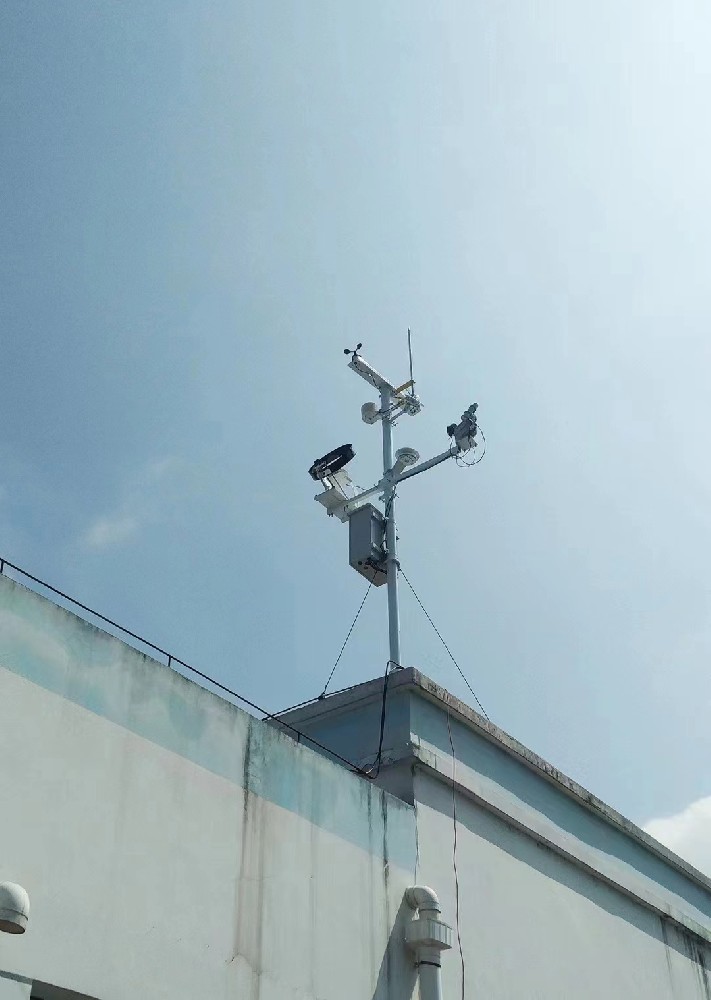
Global horizontal irradiance, GHI, is measured on a horizontal plane. Plane-of-array irradiance, POA, is measured or modelled for the module plane. Diffuse horizontal irradiance, DHI, excludes the direct solar beam through an appropriate measurement arrangement. Direct normal irradiance, DNI, is referenced to a surface normal to the sun's beam. A single unshaded horizontal pyranometer does not measure all four independently.
For consistent simultaneous components above the horizon, the geometric relationship is GHI = DHI + DNI x cos(theta z), where theta z is solar zenith angle. DNI is therefore not simply GHI minus DHI. As an illustrative check, DHI of 100 W/m2 and DNI of 800 W/m2 at a 60-degree zenith angle give GHI of 500 W/m2, not 900 W/m2.
For a tilted fixed array, use an appropriately oriented POA instrument or a documented transposition model. For trackers, retain the actual orientation needed by the selected method. The presence of a pyranometer on a weather mast does not establish that its reading represents the tracked module plane.
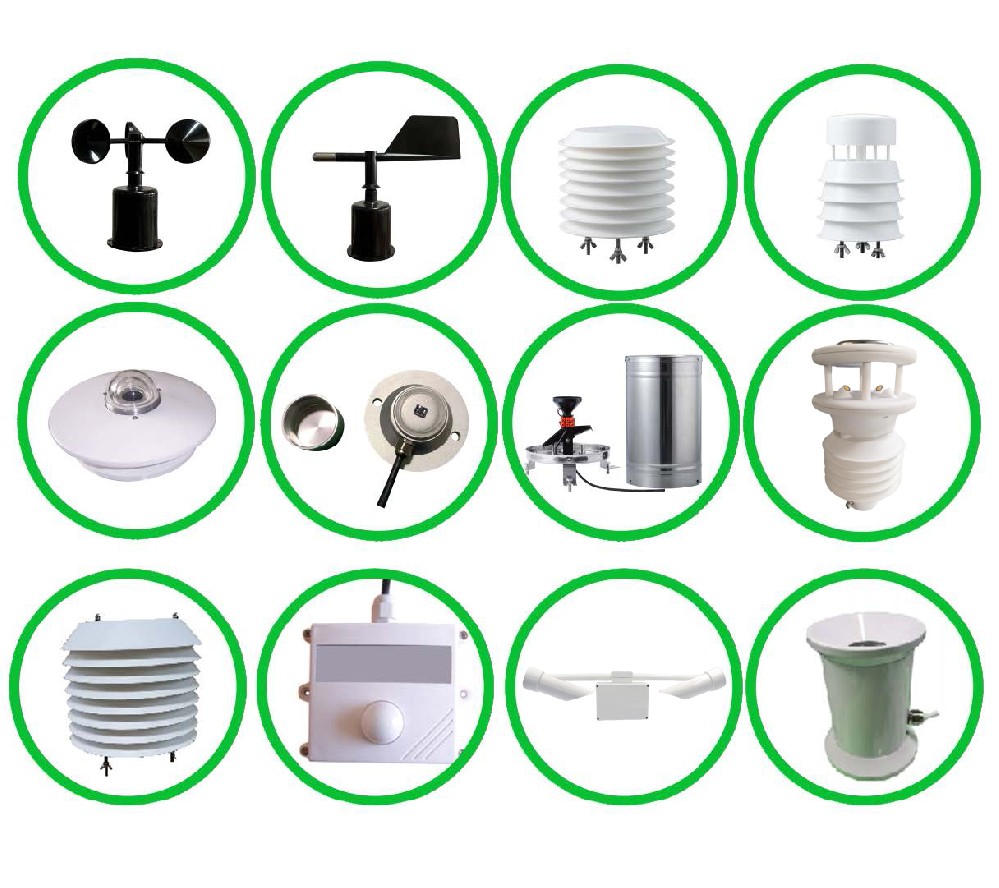
The NBL-W-HPRS pyranometer is a thermopile solar-radiation sensor. Its measurement range and response specification help select and integrate an irradiance channel, but they do not by themselves establish a particular ISO classification or compliance of an entire monitoring system with an IEC performance-monitoring class.
| NBL-W-HPRS item | Specification | Meaning for the data chain |
|---|---|---|
| Measurement range | 0-2000 W/m2 | Irradiance, not daily irradiation in kWh/m2 |
| Spectral range | 0.3-3 micrometres | Not a separate long-wave or PAR measurement |
| Response | 99% response in 35 seconds or less | A fast logger cannot remove the instrument's physical response |
| Annual stability | Within +/-2% | Not a complete uncertainty budget for the installed channel |
| Output options | 4-20 mA, voltage or optional RS485 | Choose one supplied version and establish its scaling |
| Supply options | 5, 12 or 24 VDC according to configuration | Match the transmitter version; do not apply power to an unidentified raw output |
| Operation | -40 to 50 C | Check the actual location and all other station components separately |
If the project specifies a sensor class, obtain the applicable instrument evidence and calibration information before approval. Include cable configuration, power demand and environmental protection for the ordered output version in the purchase documents. Do not fill those fields with a station-wide value taken from another sensor.
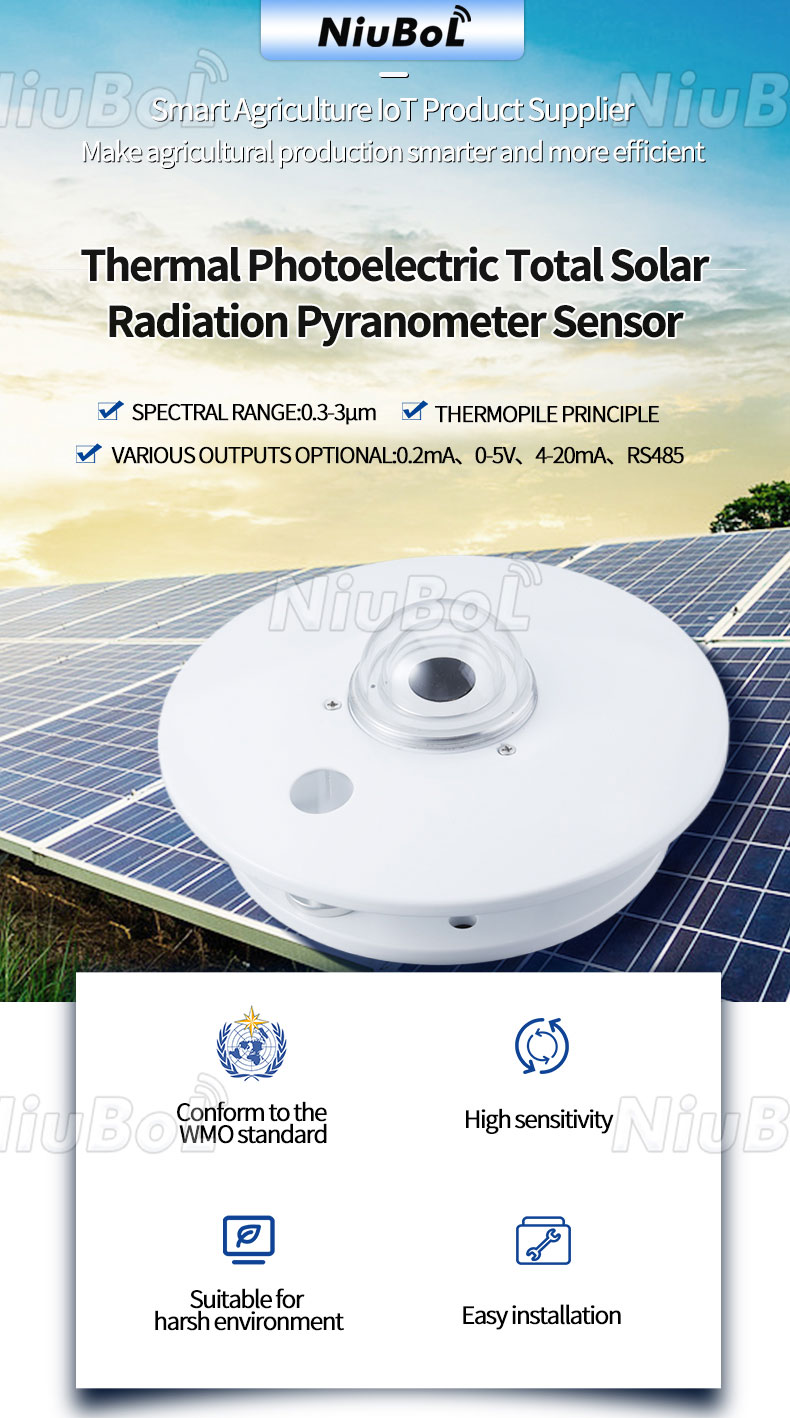
Irradiance is a rate in W/m2; irradiation is its time integral. For interval-average irradiance in W/m2 and interval length in hours, sum G x interval length and divide by 1,000 to obtain kWh/m2. An assumed 600 W/m2 average lasting 15 minutes contributes 0.15 kWh/m2. An instantaneous sample at the interval end is not necessarily that interval's average.
Use the same accepted time window for the energy and solar inputs. Check whether timestamps mark the start or end of an interval, whether the logger uses local time or UTC, and whether a daylight-saving change affects the receiving system. An hour offset can pair morning generation with a different solar condition even when each individual record looks plausible.
Do not insert zero irradiance for a missing daytime record. Zero is a measurement claim, not a missing-data flag. Establish exclusions or estimation rules in the evaluation method and report completeness. If only a subset of intervals is valid, compare matching electrical and irradiance intervals rather than combining a complete energy total with an incomplete solar denominator.
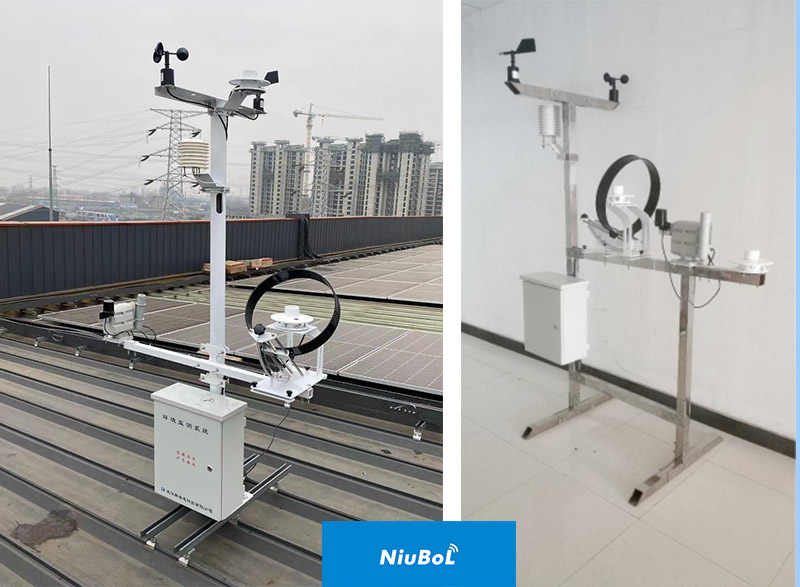
A module-back contact sensor observes a selected location on a selected module. It is not automatically cell temperature and cannot screen every cell for a local hot spot. Use representative positions and a fixing method compatible with the module and sensor. A loose probe may follow air temperature while continuing to report believable numbers.
The NBL-W-PPT module temperature sensor has a standard -50 to 100 C range, +/-0.5 C accuracy and a standard 5 m cable. Output versions include RS485 Modbus RTU and analogue options. Select the specific version and supply rather than assuming an RTD, thermistor and conditioned digital device can use the same logger input.
For temperature correction, use the relevant module data and the agreed model. A universal temperature coefficient is inappropriate for all technologies. Preserve uncorrected energy, irradiance and measured temperature alongside the calculated metric so a changed correction method does not erase the original observations.
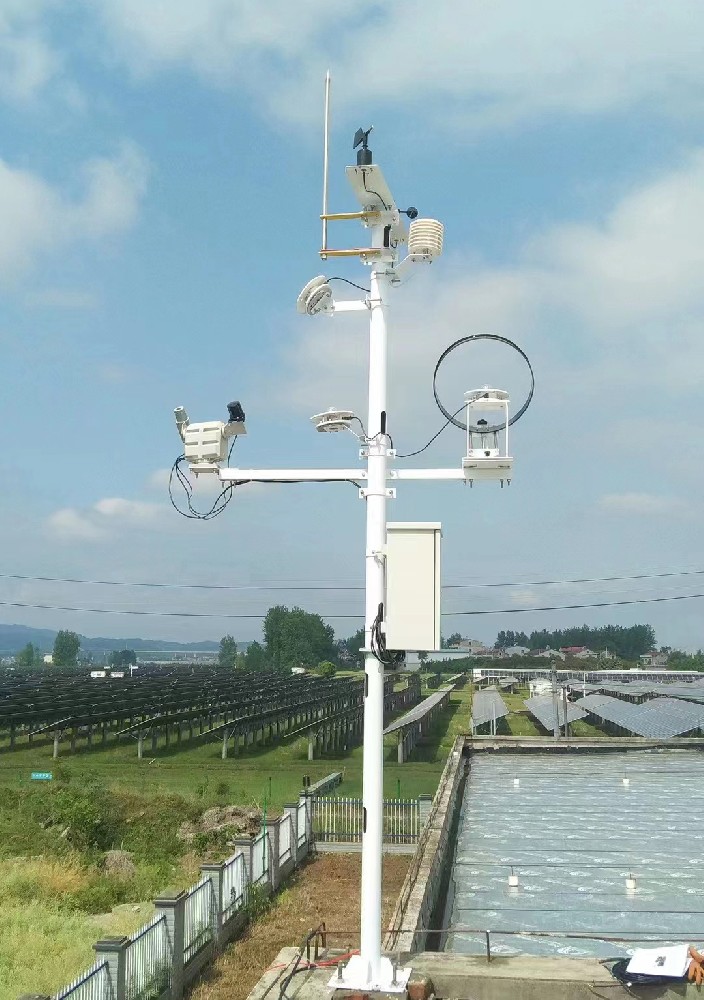
A dirty reference pyranometer can under-report irradiation and inflate the calculated PR. Cleaning the reference sensor can then lower PR without any deterioration of the modules. Keep cleaning and inspection times with the data. Compare behaviour before and after service using the same calculation rules.
Likewise, cloud variability, local shading, inverter clipping, curtailment, outages and sensor exposure can affect interpretation. A lower PR alone does not identify module degradation or quantify soiling. The Sandia PV modelling explanation of effective irradiance distinguishes incident POA radiation from irradiance adjusted for optical and spectral effects. State which input the calculation uses.
Ambient temperature and wind support thermal interpretation but do not replace the electrical meter or an appropriate irradiance observation. NBL-W-SS and NBL-W-DS wind sensors have IP65 protection; their ordered outputs and the logger's averaging method need definition. A weather station should not be represented as the plant's structural wind-protection system without a separately engineered control function.
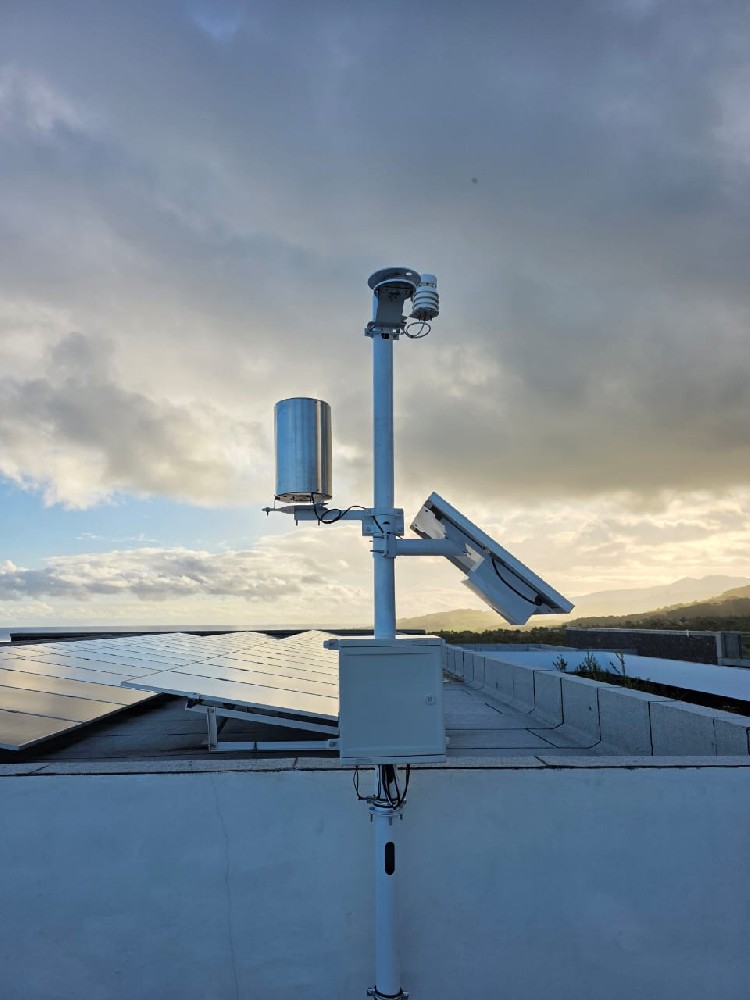
Check the raw sensor value, logger register, engineering unit, interval statistic and exported record against an identifiable test sequence. For RS485 Modbus RTU, obtain the actual register map. Modbus TCP, cellular transmission and a forecasting API are separate gateway or software requirements, not automatic consequences of an RS485 sensor.
Request a NiuBoL configuration review with array type, orientation, monitoring purpose, required sensor evidence and SCADA input format. Identify the energy-meter supplier and calculation owner as well. The resulting scope should distinguish instruments, mounting, acquisition, networking and calculation work, so the quotation does not omit a responsibility essential to producing the intended performance metric.
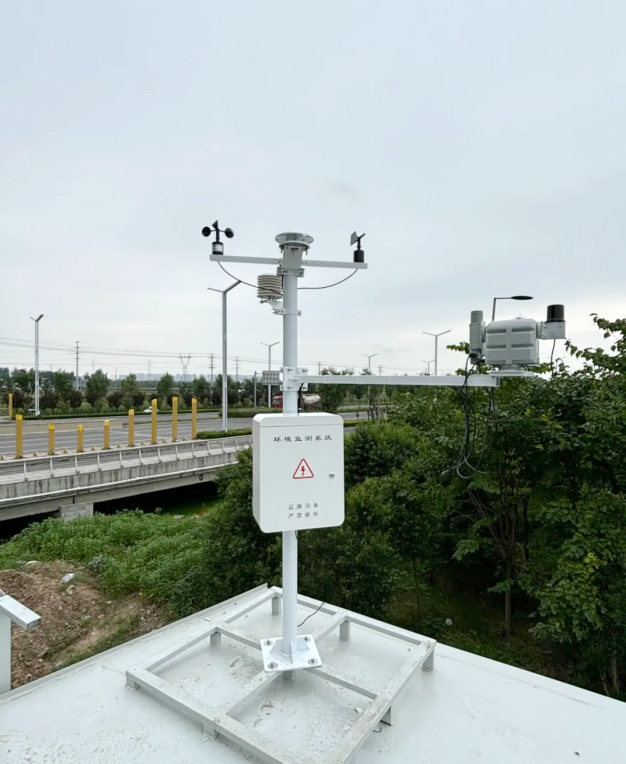
Not for a tilted array without an appropriate method. Use a suitable POA observation or a documented transposition calculation with the required geometry and assumptions.
No. That difference is the direct component on a horizontal plane. The corresponding DNI relationship includes the cosine of solar zenith angle under consistent measurement conditions.
It provides selected environmental inputs. An energy-based PR also needs electrical energy, rated capacity and a defined evaluation method. A weather logger alone cannot establish the complete result.
No. Range is only one specification. Instrument classification, calibration, installation, acquisition and the rest of the monitoring arrangement must be assessed against the project's stated requirements.
Keep them identifiable and apply the agreed exclusion or estimation rule. Never silently replace missing daylight records with zero, and align the accepted energy and irradiation periods.
No. It measures temperature near one contact location. Wider thermal inspection and fault diagnosis require their own methods; a single normal reading does not establish the condition of every cell.
Provide the array geometry, environmental channels, monitoring class or evidence requirements, SCADA interface, power arrangement and service access. Separate any PR calculation or forecasting work from the instrument supply.
A photovoltaic environmental monitor needs correctly defined radiation geometry, units, time windows and temperature observations before its data can support PR analysis. NiuBoL sensor selection should follow that measurement plan. Validate the complete data path and retain service records so a calculated change can be investigated rather than automatically labelled a plant loss.
The following documents describe different sensor models and output options. Match each document to the supplied instrument before applying its wiring or acquisition settings; the list does not establish a single standard package.
 NBL-W-HPRS-Solar-Radiation-Sensor-Instruction-Manual-V3.0.pdf
NBL-W-SRS-Solar-radiation-sensor-instruction-manual-V4.0.pdf
NBL-W-PPT-SMD-Solar-Panel-Temperature-Sensors.pdf
NBL-W-PSS Soiling Sensor Photovoltaic Dust Monitoring Instrument Data Sheet.pdf
Prev:Aquaculture Monitoring Buoy: Match Sensors to Freshwater or Brackish Water
Next:Scenic Area Weather Station: Match Visitor Displays to Measured Data
Related recommendations
Sensors & Weather Stations Catalog
Agriculture Sensors and Weather Stations Catalog-NiuBoL.pdf
Weather Stations Catalog-NiuBoL.pdf
Agriculture Sensors Catalog-NiuBoL.pdf
Water Quality Sensor Catalog-NiuBoL.pdf
Related products
 Combined air temperature and relative humidity sensor
 TDR Soil Moisture & Temperature Sensor for irrigation| RS485 |4-20mA| NBL-S-THR
 Soil pH sensor RS485 soil Testing instrument soil ph meter for agriculture |NBL-S-PH
 Wind Speed sensor Output Modbus/RS485/Analog/0-5V/4-20mA
 Tipping bucket rain gauge for weather monitoring auto rainfall sensor RS485/Outdoor/stainless steel
 Pyranometer Solar Radiation Sensor 4-20mA/RS485

Screenshot, WhatsApp to identify the QR code
WhatsApp number:+8615367865107
(Click on WhatsApp to copy and add friends)

