





— Blogs —
—Products—
 Consumer hotline +8618073152920
WhatsApp:+8615367865107
Address:Room 102, District D, Houhu Industrial Park, Yuelu District, Changsha City, Hunan Province, China
Product knowledge
Time:2025-02-16 17:37:08 Popularity:2013
A dust and noise event review should check measurement validity, local activity and weather context before identifying a source. A coincident particulate peak and sound-level rise justify investigation, but do not prove that one machine caused both. Retain the separate channel records and compare the event with site operations, wind exposure and other nearby activities.
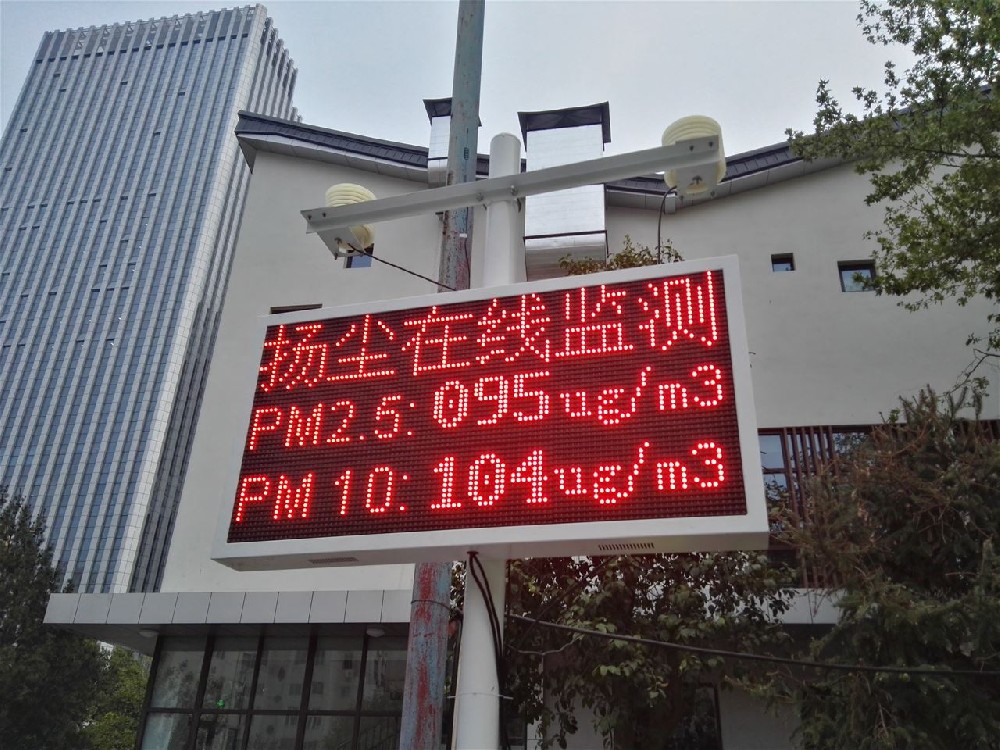
Construction sites, quarries and industrial yards can have several activities operating at once. Vehicle movement may raise dust near a particulate inlet while a different operation produces the sound reaching the microphone. A nearby road can affect both channels. A shared mast makes installation convenient; it does not make every observed change originate inside the same site boundary.
Describe the event as a time period and an observed change in a named channel. Keep the activity log separate from the measurement. Record when loading, vehicle movement, cutting or other work started and stopped, including gaps and uncertainty in those times. This gives the environmental manager a basis for investigation without turning a threshold message into a conclusion about liability.
The NiuBoL NBL-W-PM uses laser scattering with fan-assisted sampling to estimate airborne PM2.5 and PM10 mass concentrations. It measures the aerosol reaching its inlet. Wet droplets, inlet condition and local airflow can affect the indication, so a working digital connection is only the start of a valid event record.
| Component | Relevant specification | Event-review implication |
|---|---|---|
| NBL-W-PM ranges | PM2.5: 0-1000 ug/m3; PM10: 0-2000 ug/m3 | Keep each fraction and concentration unit explicit; a value at the range limit needs investigation. |
| NBL-W-PM measurement error | Specified as +/-15% or +/-10 ug/m3 at 25 C and 50% RH | Confirm the applicable error criterion for the ordered version and test conditions; do not promise a universal field percentage. |
| NBL-W-PM environment and interface | -20 to 60 C; non-condensing; DC 12-24 V; RS485 Modbus RTU | Inspect mist, inlet contamination and communication status separately. |
| NBL-W-NS | 30-130 dB; 31.5 Hz-8 kHz; 200 ms fast response | Identify the sound metric and processing period before comparing an event. |
| NBL-W-NS operating conditions | DC 12 V; -15 to 50 C; below 80% RH; IP65 | Do not apply the particulate sensor's wider environmental range to the sound channel. |
These are component specifications, not evidence that a complete installation meets a regulatory reporting method. If a contract requires a particular noise indicator, particulate method or calibration document, establish that requirement before ordering. A sound-level channel does not automatically provide every equivalent-level or statistical indicator required by a project.
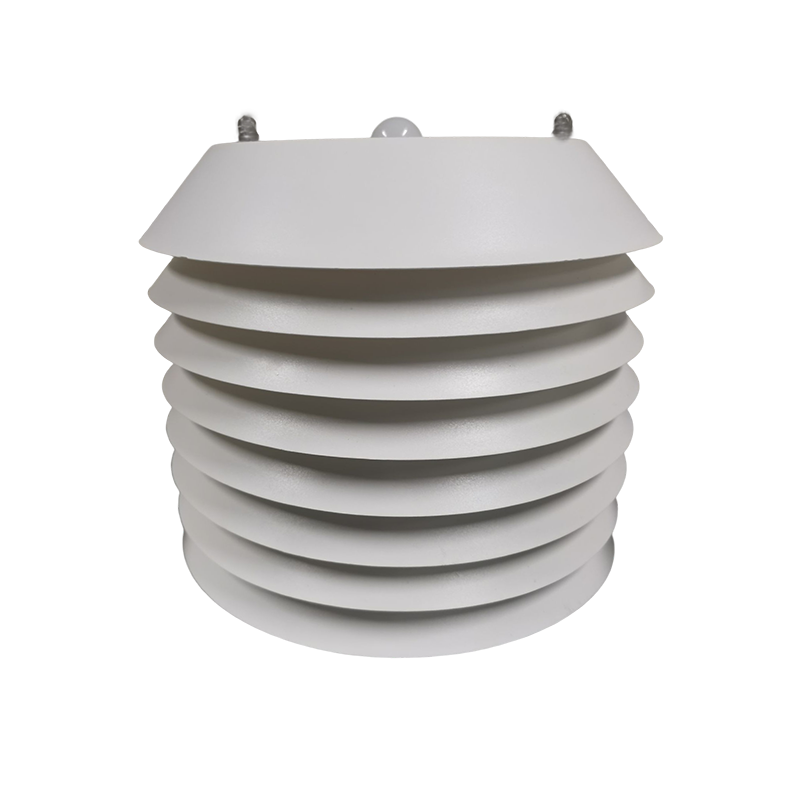
Wind speed and direction can help assess whether the sensor was downwind of a suspected dust activity. Record where the wind instrument sits relative to buildings, stockpiles and the inlet. A disturbed wind observation beside a wall may not describe the transport path between a source and the particulate sampler.
The NBL-W-SS wind-speed sensor and NBL-W-DS wind-direction sensor provide separate meteorological observations and have IP65 protection. Preserve the direction reference and the wind statistic used in the review. In weak or variable wind, assigning one direction to a long event can conceal changing exposure.
A background or comparison point can strengthen the investigation when its location and timing are suitable. Do not simply subtract readings from two poorly matched points and call the result the site's contribution. Nearby activities, different sampling exposure and aerosol conditions can produce differences unrelated to the suspected source.
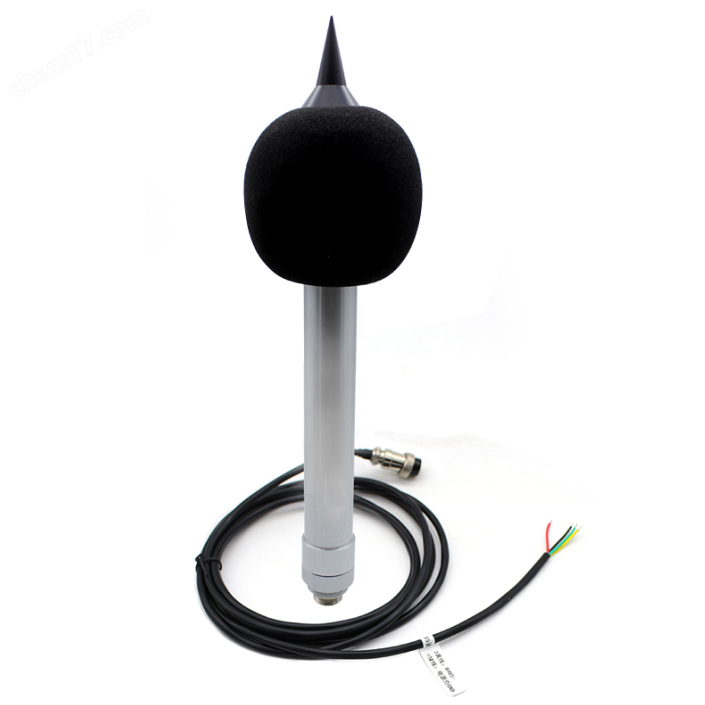
For a dust and noise event review, retain the observation times and the averaging or accumulation periods behind the displayed values. A PM interval and a rapidly changing noise number may represent different parts of the event. Check the recorded series rather than relying on the moment a notification reached a phone.
An optional camera can add operational context if it was included and its clock relationship is known. It does not measure particulate concentration or establish the acoustic source by itself. The NBL-W-NS reports a numerical sound level; it is not an audio recorder. State the actual camera and recording scope separately from the environmental sensors.
| Review question | Evidence to examine | Reason to withhold a conclusion |
|---|---|---|
| Did a valid PM rise occur? | Channel status, range, inlet inspection and matched time series | Condensation, mist exposure, a frozen value or missing samples. |
| Was the suspected activity operating? | Work log and available synchronized contextual records | Activity times are uncertain or another operation overlaps. |
| Was the inlet exposed to the suspected plume? | Wind record, layout and background conditions | Obstructed airflow or variable direction makes the path unclear. |
| Did the noise channel describe the same period? | Metric, averaging period and microphone location | A short sound reading is compared with a longer PM interval. |
Connect RS485 Modbus RTU instruments to a compatible data logger, PLC or RTU with unique addresses and the appropriate scaling. Retain each channel's unit and status. Missing noise data should not become zero decibels, and a delayed particulate record should not be stamped as a new event when it reaches the server.
Record dust-suppression activity too. A change after spraying needs interpretation alongside work activity and sampling conditions; it is not automatically a measured removal efficiency. Monitoring can help staff decide what to inspect or adjust. Pump control, feedback and any automatic response require a separately defined control arrangement.
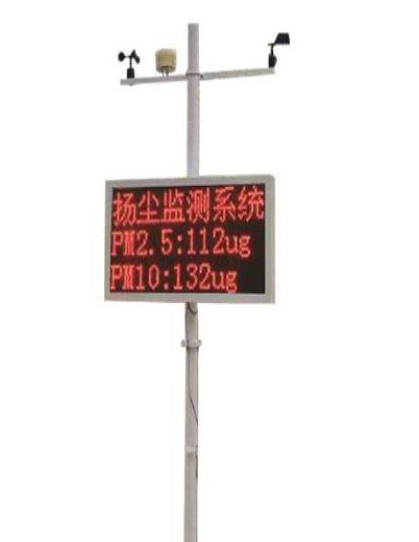
No. It identifies a period worth reviewing. Check activity timing, sensor exposure, nearby sources and wind context before assigning a cause. The two instruments measure different physical quantities and may not sample the same source area.
Not from its numerical sound-level output alone. Source identification needs appropriate additional evidence and analysis. Do not describe the NBL-W-NS as an audio-classification or voice-recording instrument.
No. An operational alarm reflects the configured rule. Formal conclusions require the applicable measurement method, instrument suitability, valid data and the responsible authority's process. Keep operational investigation separate from a compliance claim.
Not by itself. Work rate, wind, background aerosol and sampling conditions may have changed. Compare suitable periods and inspect the inlet's exposure to mist before interpreting the reduction as a control effect.
Provide the site layout, suspected activities, intended monitoring purpose, required PM and sound indicators, available work logs and receiving platform. NiuBoL can review the instrument and integration scope, with camera, control and formal reporting requirements identified separately.
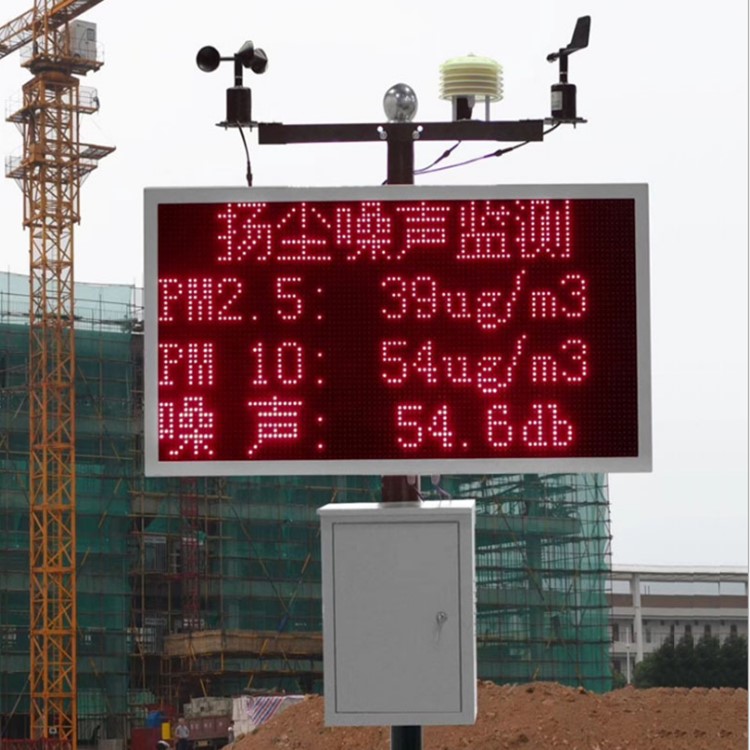
A dust and noise event review is useful when it explains what was observed and what remains uncertain. Preserve separate measurements, inspect the sampling conditions and compare the event with operations and wind. That supports targeted site management without overstating what a combined monitoring mast can prove.
Prev:Small Meteorological Station Temperature Range: Check Every Component
Next:Weather Station Comparison Report: Before You Request Calibration
Related recommendations
Sensors & Weather Stations Catalog
 Agriculture Sensors and Weather Stations Catalog-NiuBoL.pdf
Weather Stations Catalog-NiuBoL.pdf
Agriculture Sensors Catalog-NiuBoL.pdf
Water Quality Sensor Catalog-NiuBoL.pdf
Related products
 Combined air temperature and relative humidity sensor
 TDR Soil Moisture & Temperature Sensor for irrigation| RS485 |4-20mA| NBL-S-THR
 Soil pH sensor RS485 soil Testing instrument soil ph meter for agriculture |NBL-S-PH
 Wind Speed sensor Output Modbus/RS485/Analog/0-5V/4-20mA
 Tipping bucket rain gauge for weather monitoring auto rainfall sensor RS485/Outdoor/stainless steel
 Pyranometer Solar Radiation Sensor 4-20mA/RS485


Screenshot, WhatsApp to identify the QR code
WhatsApp number:+8615367865107
(Click on WhatsApp to copy and add friends)

