





— Blogs —
—Products—
 Consumer hotline +8618073152920
WhatsApp:+8615367865107
Address:Room 102, District D, Houhu Industrial Park, Yuelu District, Changsha City, Hunan Province, China
Product knowledge
Time:2025-01-20 15:26:40 Popularity:1892
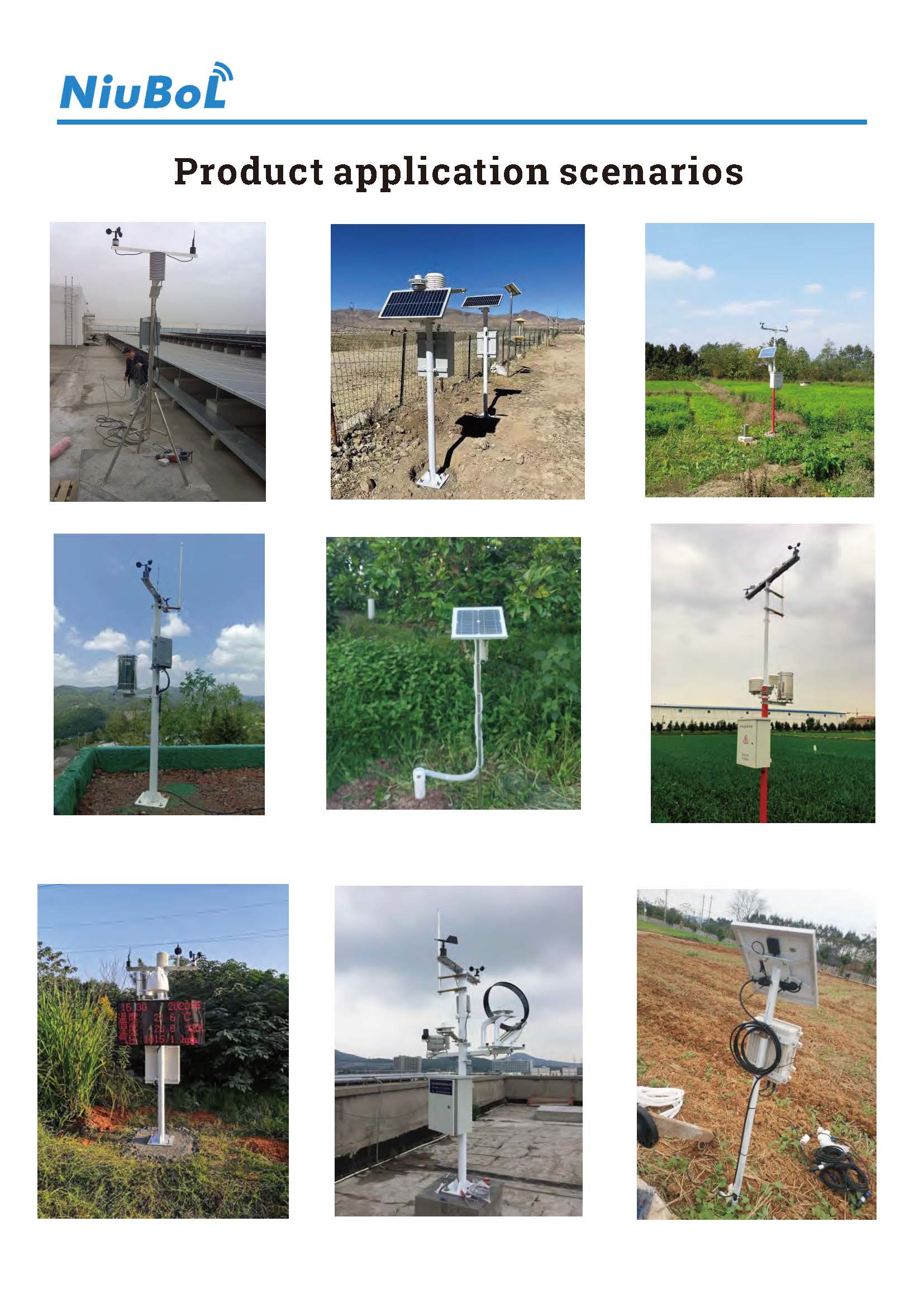
Farm weather station automation can mean automatic observation, data transfer, an advisory, or physical equipment control. These are separate functions. Specify the intended action and the equipment responsible for it. A station that reports soil or weather conditions does not automatically include irrigation control, shade movement, a forecasting service or autonomous machinery operation.
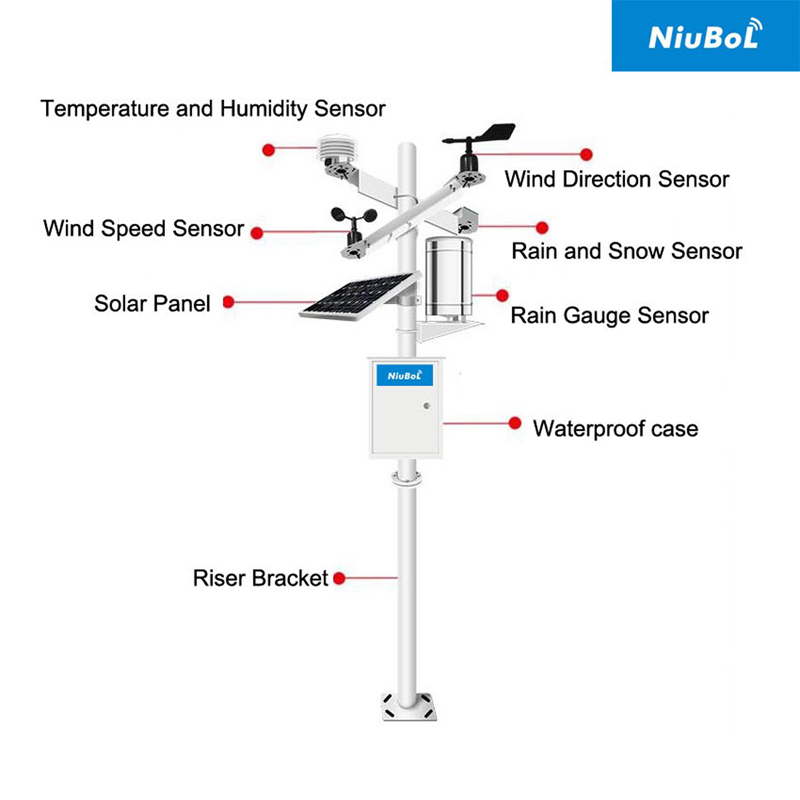
A farm station can remove routine manual reading and data entry. Its observations can also be used by another application to support irrigation planning, crop-environment assessment or work scheduling. The distinction matters to buyers because each step has a different delivery and acceptance requirement.
If the proposed system displays a low soil-moisture value, who reviews it? If it sends a notification, who receives it? If a controller is expected to start irrigation, which device issues the command and which measurement confirms water delivery? Writing down the intended sequence exposes missing equipment before installation.
A demonstration of a live temperature reading proves a much narrower function than a demonstration of an operating irrigation sequence. Compare quotations by demonstrated functions and the equipment included.
| Function | Required arrangement | Suitable acceptance demonstration |
|---|---|---|
| Automatic observation | Fitted sensors and compatible acquisition channels | Identified readings, units and measurement times |
| Remote data access | Configured communications and receiving system | Records reach the intended system and remain correctly associated with the site |
| Advisory or notification | Defined decision logic, limits and recipients | Test conditions produce the expected notification, including acknowledgement where required |
| Physical action | Controller logic, suitable electrical interfaces and the actual actuator system | Command, equipment response and required feedback agree |
Crop-growth prediction and weather forecasts are additional analytical services, not physical outputs from an air sensor. If a farm requires them, identify the service, its inputs and its validation method. Do not count the same function once as a sensor feature and again as a software feature without identifying what is actually supplied.
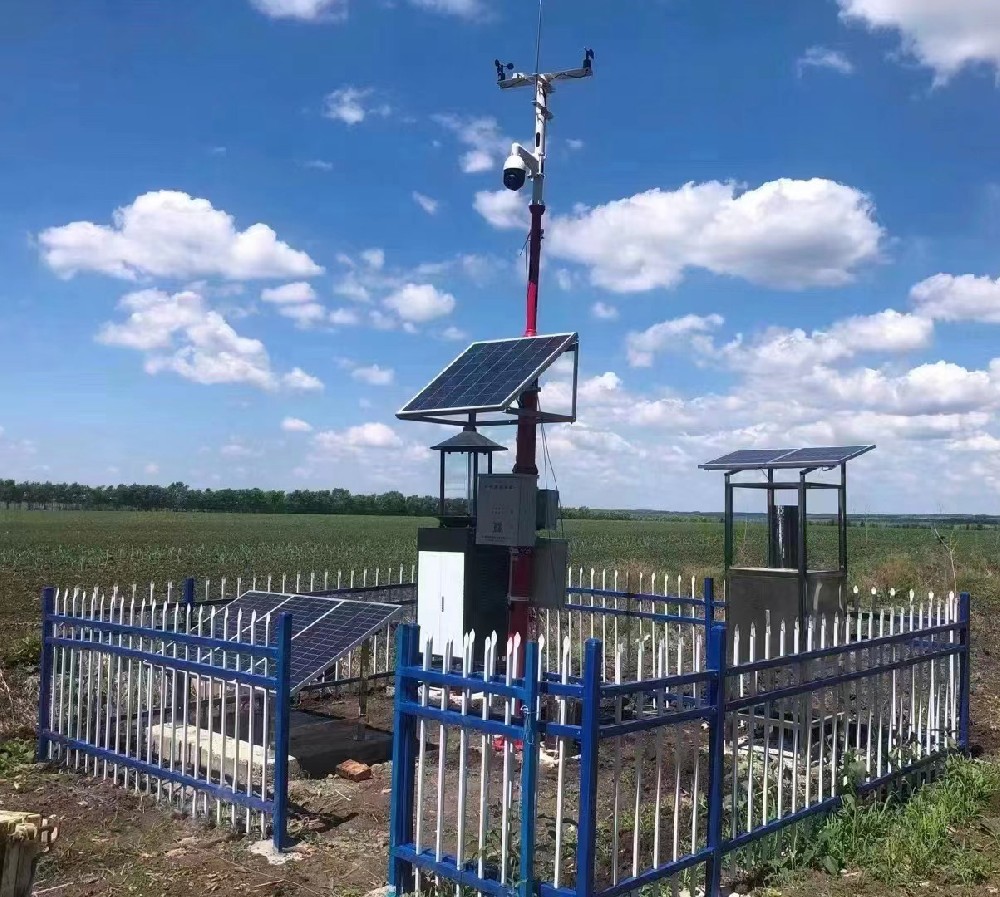
The NBL-W-LBTH measures atmospheric temperature, humidity and pressure. The NBL-W-SS measures wind speed, while the NBL-W-RS records collected liquid rain. Specify any soil or additional crop-environment instruments individually.
| Equipment | Relevant specification | Automation boundary |
|---|---|---|
| NBL-W-LBTH | Temperature -40 to 80 C, +/-0.5 C; humidity 0-100% RH, +/-5% RH; DC 12-24 V | Atmospheric measurements, not automatic crop or nutrient diagnosis |
| NBL-W-SS | 0-45 or 0-70 m/s version; 0.1 m/s resolution; IP65 | Wind observation; the operating response is defined elsewhere |
| NBL-W-RS | 0.2 mm resolution; 0-4 mm/min intensity range; 0-50 C operation | Collected liquid rainfall, not a forecast of incoming rain |
| TG462 / TG462S | 3 RS485 ports; 4 digital inputs; 4 relay outputs; input DC 5-35 V; IP30 | Configured acquisition and control interfaces, not a complete pump or valve installation |
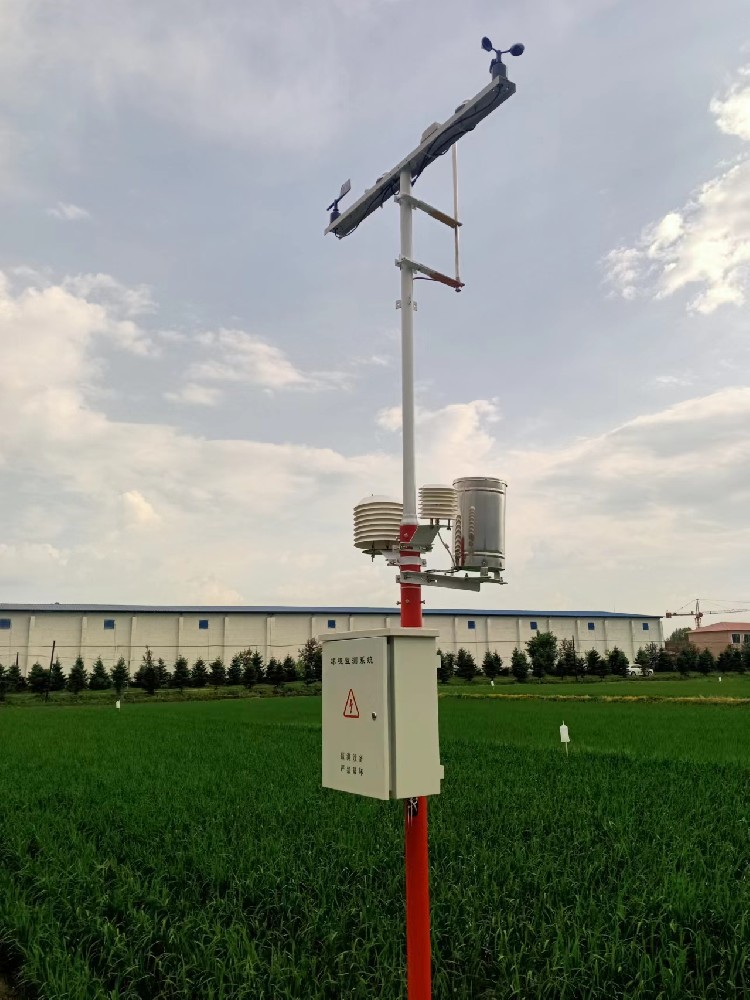
A weather station can contribute rainfall and atmospheric context. A soil probe can contribute a local root-zone measurement when installed appropriately. Neither observation establishes how much water a particular valve delivered. Irrigation integration therefore also needs the zone definition, hydraulic arrangement and any required flow or operating feedback.
The TG462 series provides relay interfaces, but a relay contact should not be treated as a power supply for a pump. Select the controlled circuit and protection through the project electrical design. The detailed weather-station control and valve-feedback guide covers that part of the system separately.
Outdoor reference weather and indoor crop conditions have different roles. Outdoor wind or rain may inform an operating restriction; indoor temperature, humidity or light may inform a crop-environment decision. Do not substitute an outside humidity value for the environment beneath a greenhouse covering.
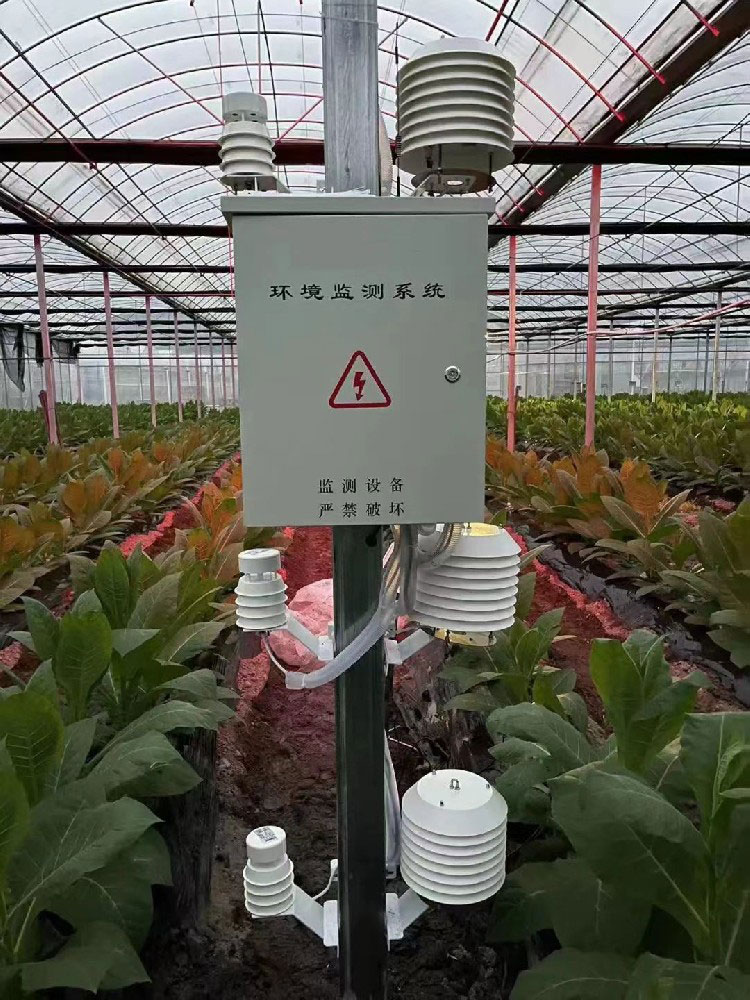
For a shading or ventilation project, identify the measuring point, chosen light quantity, controller and mechanism. The software must distinguish a request to move from confirmed movement if feedback is required. A sensor installation inside a greenhouse, such as the example below, illustrates the different measurement environment; it does not establish that motor control is included.
A lost sensor, a network interruption and a failed actuator are different events. Define how the proposed application recognizes each one and who is responsible for responding. The appropriate fallback depends on the crop, equipment and operation; stopping everything is not a universal answer, and neither is continuing indefinitely from an old reading.
For RS485 Modbus RTU channels, verify the delivered addresses, register maps and units at the receiver. Keep sensor data age visible to the logic using it. If a PLC or RTU controls equipment locally, state whether remote communications is only for supervision or part of the operating sequence.
A useful enquiry describes one complete sequence, such as an irrigation request for a named zone, together with the required observations, permission conditions and feedback. NiuBoL can then identify the sensing and acquisition equipment, while the controller and actuator responsibilities remain explicit in the project scope.
Not necessarily. Automatic observation and equipment control are different functions. Confirm the controller, interfaces, valves or pumps and operating logic in the quotation.
No. Air measurements provide environmental context. Fertilizer decisions need suitable soil, crop and management information, not a conversion from air temperature or humidity alone.
No. It shows an interface or command state. Confirmed water delivery requires the relevant field feedback and acceptance test.
They can when power, interfaces, wiring and acquisition capacity are compatible. Keep each location and purpose identifiable in the records and control logic.
That depends on the architecture. Specify which logic operates locally, what depends on remote services and what happens when required data becomes stale; demonstrate the result during testing.
Not as a general station feature. Machinery integration requires its own supported interfaces, operating permissions and validated control arrangement. Receiving a weather notification is not evidence of that capability.
Define farm weather station automation as a sequence of observations, decisions and actions. Purchase and test each required function separately. This allows useful sensing and data access without mistaking them for a complete irrigation, greenhouse or machinery-control system.
Prev:Meteorological Observation Station Data: Label Measurements and Calculations
Next:Agricultural Weather Sensor Power Supply: 5 V, 12 V or 24 V?
Related recommendations
Sensors & Weather Stations Catalog
 Agriculture Sensors and Weather Stations Catalog-NiuBoL.pdf
Weather Stations Catalog-NiuBoL.pdf
Agriculture Sensors Catalog-NiuBoL.pdf
Water Quality Sensor Catalog-NiuBoL.pdf
Related products
 Combined air temperature and relative humidity sensor
 TDR Soil Moisture & Temperature Sensor for irrigation| RS485 |4-20mA| NBL-S-THR
 Soil pH sensor RS485 soil Testing instrument soil ph meter for agriculture |NBL-S-PH
 Wind Speed sensor Output Modbus/RS485/Analog/0-5V/4-20mA
 Tipping bucket rain gauge for weather monitoring auto rainfall sensor RS485/Outdoor/stainless steel
 Pyranometer Solar Radiation Sensor 4-20mA/RS485


Screenshot, WhatsApp to identify the QR code
WhatsApp number:+8615367865107
(Click on WhatsApp to copy and add friends)

