





— Blogs —
—Products—
 Consumer hotline +8618073152920
WhatsApp:+8615367865107
Address:Room 102, District D, Houhu Industrial Park, Yuelu District, Changsha City, Hunan Province, China
Product knowledge
Time:2025-02-14 15:58:26 Popularity:1748
A highway weather station enclosure must protect its internal equipment from the roadside environment while keeping it within its operating limits. A metal box alone does not establish weather protection, thermal suitability or a maintainable installation. Select the cabinet around the actual logger, power equipment, cable entries and service conditions, not the air sensor's temperature range.
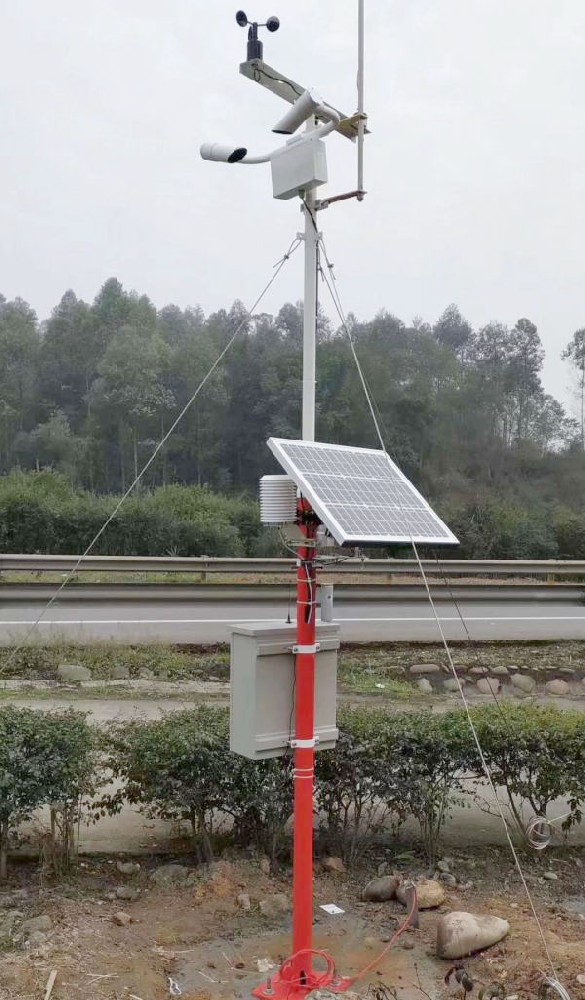
A highway weather station normally separates exposed sensing instruments from sheltered acquisition and power equipment. Wind, air and rain instruments need appropriate measurement exposure. The logger, terminals, communications equipment and power components need a suitable protected installation. Putting an air sensor inside the cabinet to protect it changes the measurement task.
Internal temperature can differ from the measured ambient temperature because of solar exposure and equipment heat. Temperature changes and moisture can also create condensation conditions. A cabinet that excludes direct rain can therefore still contain an unsuitable environment. Review both ingress protection and internal conditions before accepting the design.
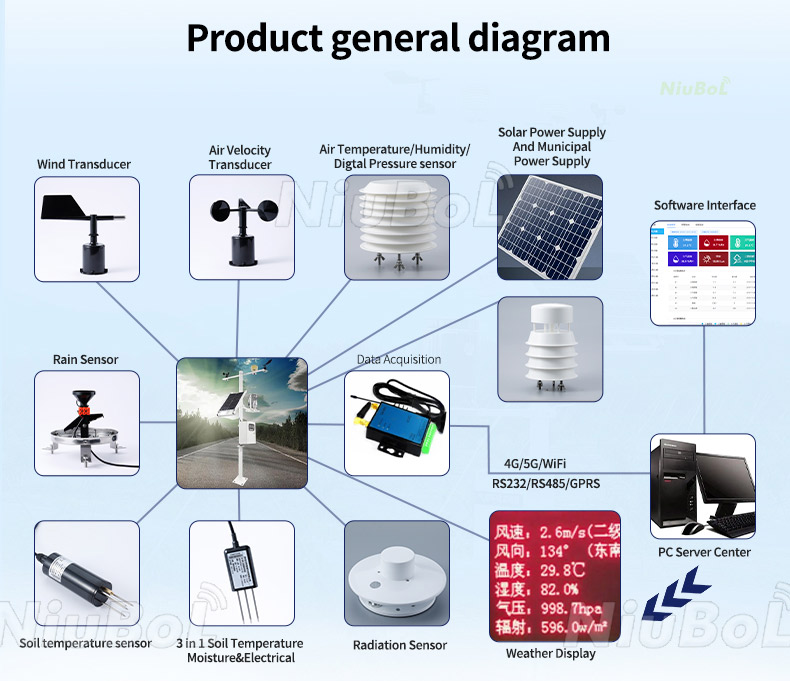
The NiuBoL TG462 / TG462S logger is an acquisition and networking device with IP30 protection. It requires a suitable outdoor enclosure; its presence inside a weather-station package does not change that rating. Include the selected power supply, charging controller, battery and communications accessories in the enclosure review.
| Equipment or boundary | Relevant specification or requirement | Cabinet implication |
|---|---|---|
| TG462 / TG462S | IP30; DC 5-35 V input | Provide suitable outdoor protection and the required supply at the device |
| NBL-W-LBTH | Atmospheric temperature -40 to 80 C; DC 12-24 V; RS485 Modbus RTU version available | Keep air sampling exposed as required; do not use its range as the cabinet specification |
| NBL-W-SS and NBL-W-DS | Separate wind speed and direction instruments; IP65 | Protect cable transitions and maintain the wind measurement exposure |
| NBL-W-RS | 0.2 mm resolution; liquid-rain operating temperature 0-50 C | A protected logger does not make an unheated collector suitable for frozen precipitation |
| Battery and power equipment | Limits depend on the selected components and battery type | Check charging, installation and enclosure requirements for the actual supplied equipment |
Do not assign one component's IP rating or temperature range to the complete station. The delivered cabinet assembly also includes doors, seals, glands, penetrations and mounting details. Its required rating and suitability need to cover that assembled condition.
List the equipment that dissipates heat inside the box and identify the expected operating states. A modem transmitting, a charging device and a power converter can have different loads from their idle states. Review the enclosure's exposure, material and location alongside the component limits. A suitable design may require thermal management, but the method depends on the actual site and assembly.
A fan, vent or air-conditioning opening changes the enclosure boundary. Do not cut holes into a weatherproof cabinet and assume the previous protection remains valid. Use a designed arrangement with suitable components, and include its power and service requirements. Likewise, a sun shield must not obstruct the weather sensors or interfere with safe cabinet access.
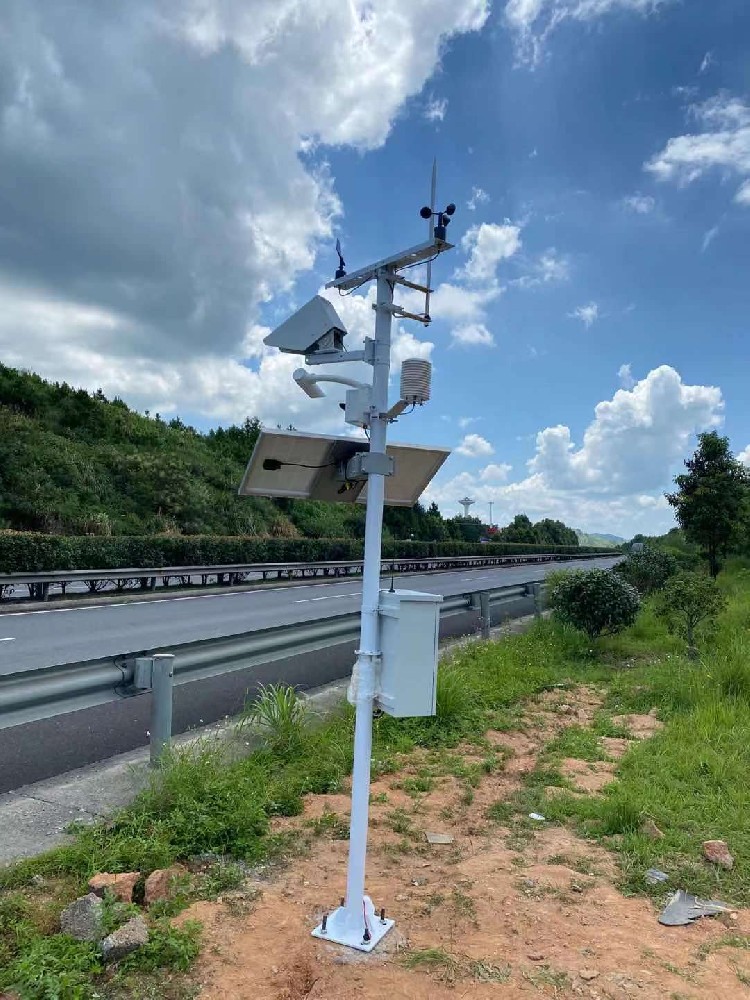
Inspect cable glands, connector transitions, door seals and cable routes for possible water entry. Select entries for the actual cable dimensions and installation. Support cables so movement and service work do not load the terminals or damage the entry seals.
Condensation requires a different assessment from direct rain entry. Opening a dry-looking box on one visit does not establish that moisture never accumulates during temperature changes. Where the site requires heaters, breathers, drains or humidity management, integrate those through the enclosure design and verify that the arrangement remains suitable for the equipment and required ingress protection.
Do not add an arbitrary drain hole or seal every internal gap as a universal remedy. Either approach can create a new problem. Have the enclosure and electrical design address moisture paths, component installation requirements and service access together.
Label the sensor circuits, supply branches and communication connections. RS485 Modbus RTU is a device interface, not an enclosure protection method. A successful remote connection says little about a loose terminal, damaged gland or moisture inside the cabinet.
Keep routing, bonding and surge protection consistent with the installation's electrical and lightning-protection design. Do not treat the metal cabinet or mast as a complete lightning solution. Protection devices and their connections also need suitable mounting, identification and access for inspection.
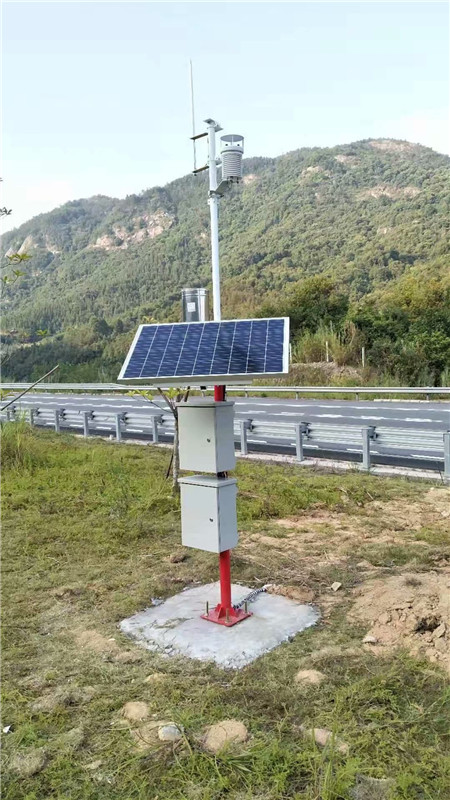
No. Its IP30 device protection is not sufficient for an exposed outdoor installation. Use a suitable field cabinet or protective enclosure and retain the required conditions inside it.
No. Material is only one selection factor. Check the assembled ingress protection, thermal conditions, cable entries, mechanical mounting and suitability of all internal components.
No. The air sensor observes the external environment. The logger, battery and power equipment have their own limits, while internal temperature can differ from the outside air.
Not automatically. Openings and ventilation components change the assembly. Review the complete arrangement for ingress protection, thermal performance, power use and maintenance before adopting it.
Provide the equipment list, power arrangement, site exposure, available space and access restrictions. Request the cabinet assembly, entries, thermal or moisture provisions and installation responsibilities as identifiable items. NiuBoL can review the acquisition and sensor configuration against that scope.
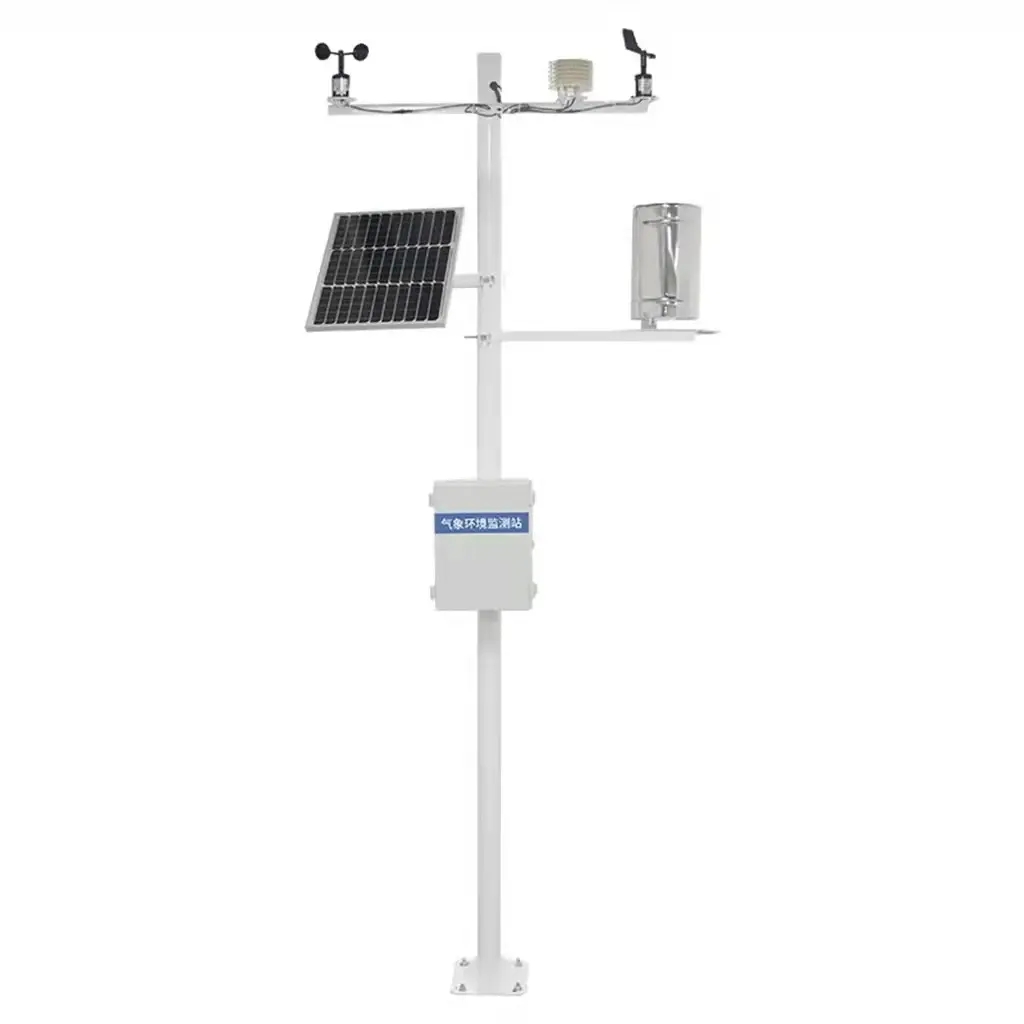
Check door operation, seals, cable support, labels and the actual installed devices. Inspect internal conditions during representative operation where practicable, and identify any conditions still requiring seasonal verification. A photograph of a closed cabinet does not establish its internal temperature or moisture performance.
Roadside work must follow the road operator's approved access and safety arrangements. Confirm that routine servicing can reach the necessary components without disturbing sensor exposure or requiring an unplanned installation change. Keep the cabinet drawing and component list with the station record.
A highway weather station enclosure is an engineered boundary around specified equipment. Match its protection and internal conditions to the logger and power assembly, maintain correct sensor exposure and preserve service access. Verify the assembled installation instead of relying on a metal-box description or an unrelated sensor rating.
Prev:Dust monitoring station technology architecture and core components
Next:Cup vs Ultrasonic Anemometer Maintenance: Plan the Actual Service Work
Related recommendations
Sensors & Weather Stations Catalog
 Agriculture Sensors and Weather Stations Catalog-NiuBoL.pdf
Weather Stations Catalog-NiuBoL.pdf
Agriculture Sensors Catalog-NiuBoL.pdf
Water Quality Sensor Catalog-NiuBoL.pdf
Related products
 Combined air temperature and relative humidity sensor
 TDR Soil Moisture & Temperature Sensor for irrigation| RS485 |4-20mA| NBL-S-THR
 Soil pH sensor RS485 soil Testing instrument soil ph meter for agriculture |NBL-S-PH
 Wind Speed sensor Output Modbus/RS485/Analog/0-5V/4-20mA
 Tipping bucket rain gauge for weather monitoring auto rainfall sensor RS485/Outdoor/stainless steel
 Pyranometer Solar Radiation Sensor 4-20mA/RS485


Screenshot, WhatsApp to identify the QR code
WhatsApp number:+8615367865107
(Click on WhatsApp to copy and add friends)

