





— Blogs —
—Products—
 Consumer hotline +8618073152920
 WhatsApp:+8615367865107
Address:Room 102, District D, Houhu Industrial Park, Yuelu District, Changsha City, Hunan Province, China
Product knowledge
Time:2026-03-08 15:13:21 Popularity:454
In the engineering practice of smart water affairs and flood prevention and mitigation projects, real-time acquisition of water level data serves as the underlying support for all decision-making logic. As IoT technology evolves from "perception" to "precise perception," traditional submersible and ultrasonic water level meters are gradually being replaced by non-contact radar technology due to limitations such as susceptibility to sediment accumulation, temperature drift interference, and measurement blind zones.
As a system integrator or project contractor, selecting a "reliable" radar water level meter not only concerns measurement accuracy but also the long-term stability and maintenance-free cost of the entire system under harsh outdoor conditions. The 77GHz~79GHz millimeter-wave radar water level meter developed by NiuBoL, with its high-frequency band, narrow beam, and industrial-grade signal processing algorithms, has become a standard configuration in the smart water conservancy field.
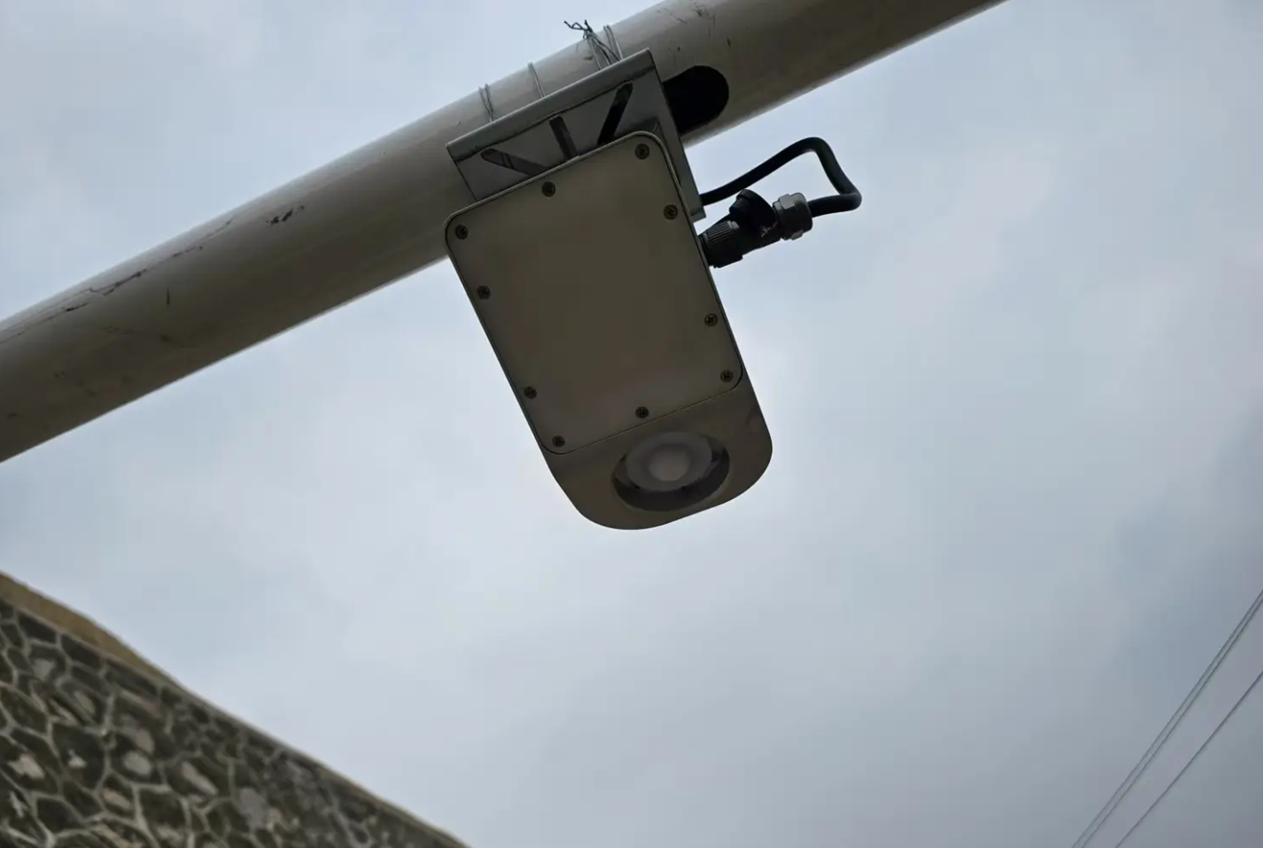
A radar water level meter (Radar Water Level Gauge) is essentially a precision electronic device that uses electromagnetic waves to detect targets. Its basic physical logic is: high-frequency electromagnetic wave pulses are emitted through the antenna; when the beam contacts the water surface, reflection occurs; the echo is captured by the receiving antenna. The system records the round-trip time T of the electromagnetic wave and calculates the distance D from the antenna to the water surface using the constant speed of light C.
NiuBoL adopts the leading 77GHz FMCW (Frequency Modulated Continuous Wave) technology. Compared to traditional pulse radar, its core advantages are:
Nanosecond-level time conversion: Converts extremely short time differences into millisecond-level frequency differences for measurement, greatly improving millimeter-level resolution.
High sampling frequency: Capable of 55 measurements per second, combined with digital filtering algorithms, effectively filters instantaneous errors caused by water surface fluctuations, outputting smooth data equivalent to "still water level."
When conducting B2B commercial procurement, system integrators should focus on the following parameters to ensure the equipment meets engineering requirements.
1. Frequency Bandwidth and Measurement Resolution
Higher frequency means greater bandwidth. 77GHz offers higher distance resolution compared to 24GHz radar. NiuBoL products achieve ±1mm accuracy at a 4m range, which is crucial for projects requiring precise reservoir capacity or flow calculations.
2. Antenna Beam Angle (Beam Angle)
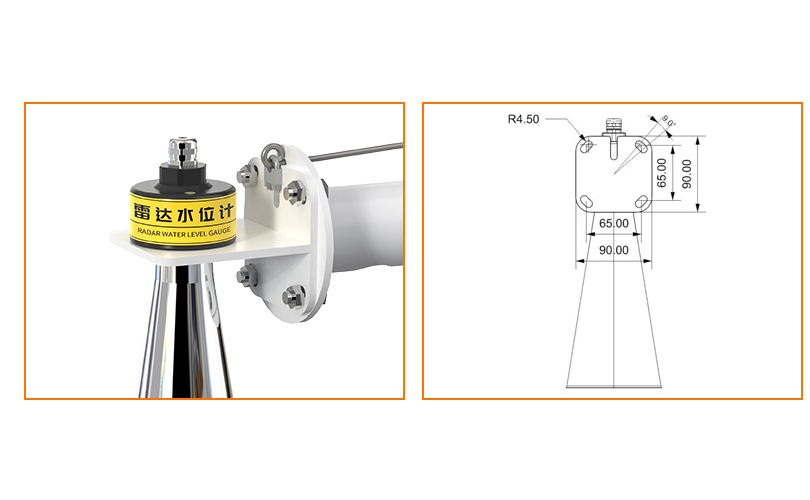
The beam angle determines the radar's "field of view." NiuBoL uses a horn antenna combined with an integrated lens design to compress the beam angle to 8°.
Engineering significance: A narrow beam allows installation in narrower wells, near riverbanks, or bridge piers without interference echoes from miscellaneous objects.
3. Measurement Blind Zone and Range
The blind zone determines the minimum installation height. NiuBoL achieves an extremely small blind zone within 15cm, with a maximum range up to 65m, covering full scenarios from shallow wetlands to deep reservoirs.
4. Industrial-Grade Power Consumption and Environmental Tolerance
Outdoor automatic monitoring stations typically rely on solar power.
Low power consumption design: Maximum power consumption of 0.6W significantly reduces battery configuration requirements.
Full-sealed design: IP67 protection rating, operating temperature covering -40℃~+80℃, unaffected by atmospheric pressure, air density, or relative humidity.
5. Communication Protocol and Integration Friendliness
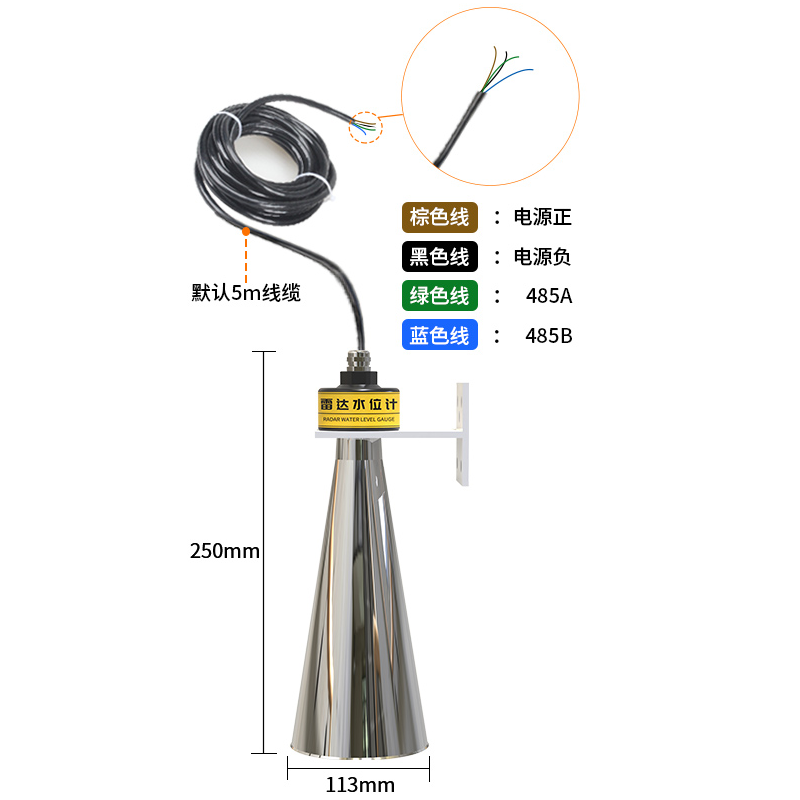
Supports standard RS485 interface and MODBUS protocol, seamlessly connecting to 4G/5G telemetry terminals (RTU) or local control PLCs.
Emphasizing reliability to increase hydrological customers' confidence in product lifespan.
Durability Adapted to Unattended Environments
Integrated lens design: This not only makes the volume more compact but more importantly eliminates the hidden dangers of traditional antenna covers accumulating water, dust, or condensation, ensuring optimal electromagnetic wave penetration at all times.
Wide voltage input (DC 10-30V): Considering the large voltage fluctuations of batteries in solar power systems, wide voltage design ensures normal operation during high-voltage charging or low-voltage discharge.
Acid and alkali corrosion resistance: IP67 protection rating combined with high-strength housing enables resistance to corrosive gases such as hydrogen sulfide in urban sewers.
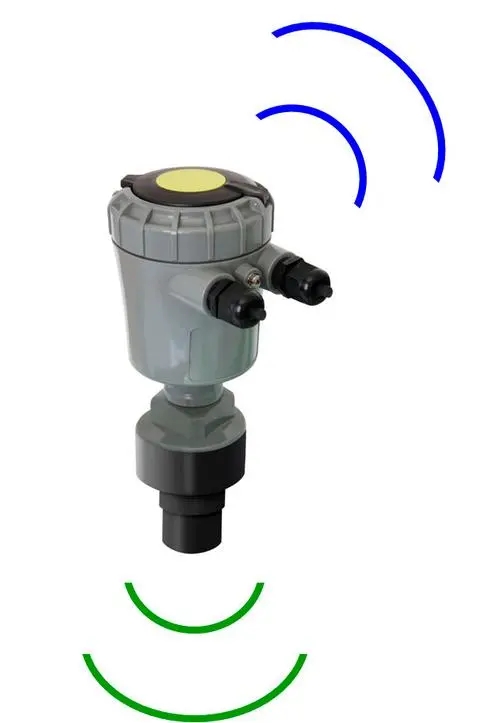
This content is aimed at professional engineers, explaining through underlying physical differences why 77GHz FMCW is the preferred choice for current industrial-grade monitoring.
Why FMCW Ensures Accuracy and Stability?
In radar technology, FMCW (Frequency Modulated Continuous Wave) differs fundamentally from traditional pulse radar:
Measurement resolution: Pulse radar measures distance by calculating extremely short time differences (Time of Flight). Due to the extremely fast speed of light, nanosecond errors lead to centimeter-level offsets. FMCW calculates distance by measuring the frequency difference between transmitted and echoed waves.
Signal-to-noise ratio (SNR): FMCW continuously transmits energy throughout the measurement cycle, resulting in a far higher SNR than pulse radar's instantaneous energy transmission.
Digital signal processing: Combined with FFT (Fast Fourier Transform), NiuBoL sensors can precisely identify the characteristic frequency of the real water surface from complex spectra, filtering out environmental clutter.
| Performance Indicator | Technical Parameter | Engineering Application Value |
|---|---|---|
| Transmission Frequency | 77GHz ~ 79GHz | High-frequency anti-interference, high-resolution accuracy |
| Measurement Range | 0.15m ~ 65m | Covers dams, deep wells, and wide river channels |
| Measurement Accuracy | ±1mm | Meets national hydrological primary monitoring standards |
| Antenna Beam Angle | 8° | Reduces sidewall echo interference, flexible installation |
| Power Supply Voltage | DC 10-30V | Adapts to industrial power and solar systems |
| Maximum Power Consumption | 0.6W | Suitable for long-term unattended outdoor operation |
| Communication Interface | RS485 (Modbus-RTU) | Standardized integration, reduces secondary development costs |
| Protection Rating | IP67 | Corrosion-resistant, withstands harsh climates |
1. Routine Monitoring of Lakes and Rivers
For rivers with large amounts of floating debris, aquatic plants, or sediment, non-contact radar measurement avoids sensor failure due to entanglement and has no impact on water flow dynamics, eliminating the need for complex wave-breaking wells.
2. Flash Flood Warning and Reservoir Flood Control
In flash flood-prone areas with rapid water level changes and heavy sediment, the high-frequency sampling of radar water level meters captures instantaneous steep increases in water level, buying valuable evacuation time for warning systems.
3. Urban Sewage Treatment and Open Channel Drainage
Industrial wastewater or urban sewage is highly corrosive. Radar water level meters do not contact the liquid, avoiding physical damage from chemical corrosion and extending service life.
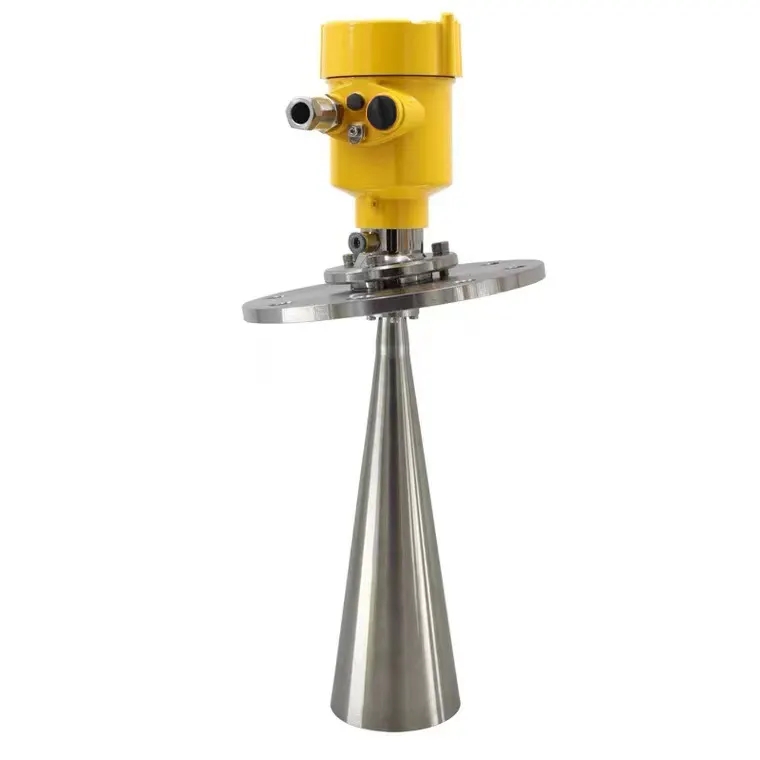
Even with reliable equipment, incorrect installation can lead to data anomalies. Integrators must strictly follow these specifications:
1. Vertical Calibration
The radar water level meter must be installed perpendicular to the water surface. Any tilt significantly weakens the echo signal amplitude, reducing SNR and affecting ranging stability. Use a level during pole or cantilever bracket construction for calibration.
2. Avoidance of Interfering Objects (Eliminating False Echoes)
Ensure no obstructions within the radar's 8° beam range.
Bridge/pumping station installation: Avoid bridge pier sidewalls, ladders, or pumping station pipes.
Well installation: Calculate the ratio of depth to well diameter to prevent false signals from well wall reflections.
3. Power Supply and Lightning Protection
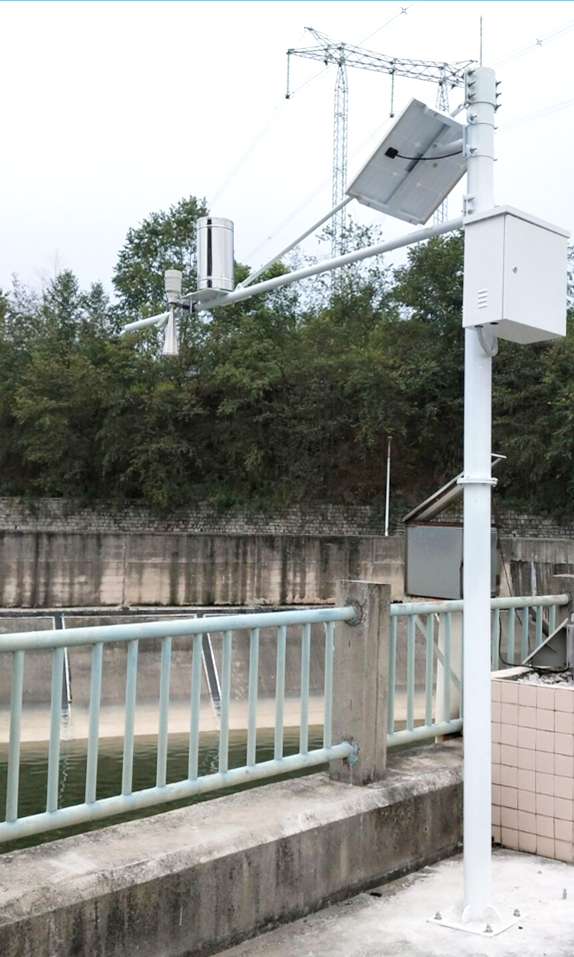
Although power consumption is low, fully sealed protective boxes are recommended outdoors, with lightning protection modules added to RS485 signal lines. NiuBoL automatic radar water level monitoring platform supports data storage for over 5 years, with configurable collection cycles of every 1 minute or 10 minutes based on project needs.
Beyond front-end sensing, NiuBoL automatic radar water level monitoring platform provides powerful backend support for contractors:
Historical Traceability: Supports storage of over 5 years of historical data, generates hourly, daily, and monthly average water level curves, and supports Excel report export to meet government audit requirements for raw data.
Multi-Point Visualization: Supports real-time display of data from multiple monitoring points nationwide via wireless networks, combined with electronic map (GIS) functions for global monitoring of regional water and rainfall conditions.
Remote Parameter Configuration: Integrators can remotely modify sampling cycles (e.g., shorten from 10 minutes to 1 minute during flood seasons) via the cloud, greatly saving after-sales maintenance costs.
Q1: What is the essential difference between 77GHz radar and 24GHz radar in selection?
A1: 77GHz has higher frequency and narrower beam (8° vs 24°), meaning stronger anti-interference capability and higher measurement accuracy, more suitable for environments with limited installation space.
Q2: Do rainfall, strong winds, and dense fog affect measurement accuracy?
A2: Basically no impact. Electromagnetic wave attenuation in these media is extremely low, and NiuBoL's built-in digital filtering algorithms effectively filter raindrop echoes and noise from water surface fluctuations.
Q3: Why don't radar water level meters require wave-breaking wells?
A3: Radar performs high-frequency sampling (55 times per second) and mathematical statistical filtering to calculate the average water surface height, eliminating wave fluctuations at the algorithm level, which is lower cost and more scientific than building physical wave-breaking wells.
Q4: Does the device support remote parameter modification?
A4: Yes. Through standard RS485 Modbus protocol, system integrators can remotely adjust key parameters such as sampling frequency, range, and filtering strength.
Q5: How is the blind zone of radar water level meters generated?
A5: The blind zone results from the physical response time during switching between antenna transmission and reception. NiuBoL, with its self-developed CMOS millimeter-wave chip, compresses the blind zone to 0.15m.
Q6: Is there a difference in accuracy between completely still water surfaces and turbulent flows?
A6: The measurement principle is the same; differences lie in signal processing. In turbulent flows, the algorithm increases sampling weights to stabilize values, maintaining millimeter-level accuracy.
Q7: How to address anti-theft and anti-vandalism issues in outdoor environments?
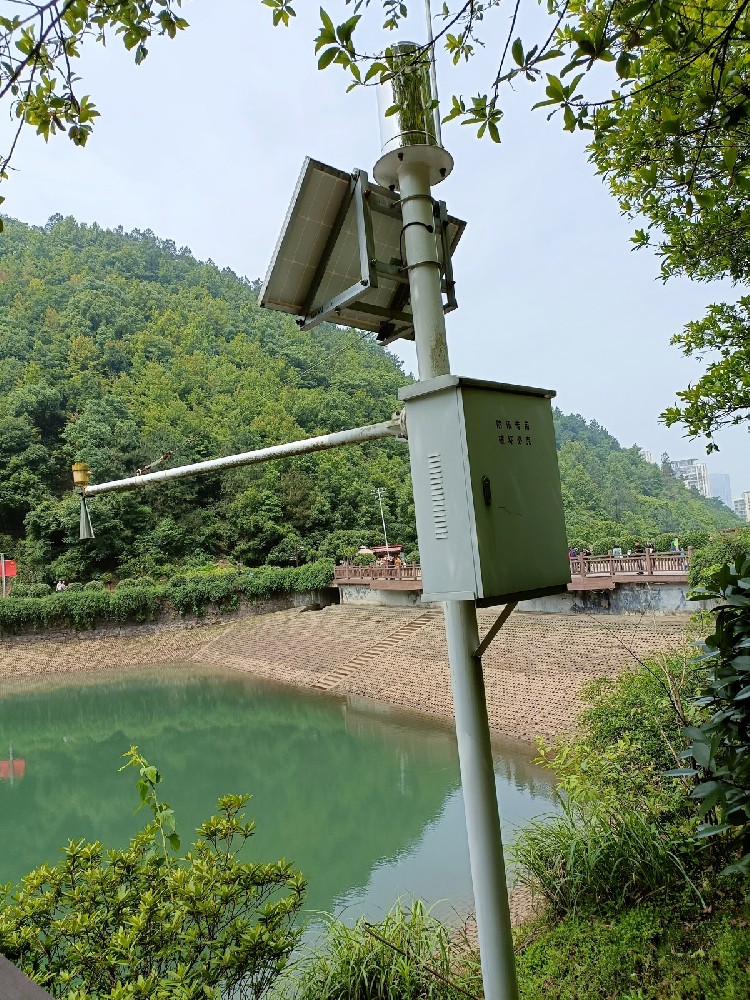
A7: NiuBoL provides dedicated outdoor protective boxes. Recommend installation under bridges or on poles over 3 meters high to increase physical disassembly difficulty, and use 4G/5G systems for real-time online monitoring of device status.
Q8: What is the calibration cycle for the device?
A8: Radar water level meters are non-wear, non-contact devices with extremely stable performance. Usually, after initial calibration during installation, unless the bracket undergoes physical displacement, frequent calibration is unnecessary; annual routine data verification is recommended.
Q9: Does higher installation height increase error in radar water level meters?
A9: Basically no. Radar wave transmission performance in air is stable. Within NiuBoL's specified 65m range, accuracy remains at millimeter level. However, higher heights increase the beam projection radius on the ground, requiring no obstructions in the range.
Q10: Can radar still measure accurately with thick foam or large amounts of duckweed on the water surface?
A10: Electromagnetic waves can penetrate light foam or thin layers of plants. If foam is extremely thick and dense, echo signals attenuate, but NiuBoL's high SNR architecture can capture weak signals, combined with algorithm compensation to ensure reliable data.
Q11: What is the transmission distance supported by RS485 communication?
A11: In industrial environments, RS485 bus using twisted shielded cable can achieve stable transmission over 1200 meters. For longer distances or complex wiring, pair with NiuBoL's 4G or LoRa acquisition terminals for wireless transparent transmission.
Selecting a reliable radar water level meter is not just purchasing hardware but choosing a mature signal processing solution. NiuBoL's 77GHz radar water level meter, through high-frequency FMCW technology, narrow beam design, and perfect integration of RS485 industrial protocols, addresses system integrators' pain points in water level perception under outdoor, high-elevation, and complex conditions.
For project contractors, low maintenance costs and long-term data stability are core to project acceptance and profitability. NiuBoL provides a full-chain solution from sensors and RTUs to cloud monitoring platforms, transforming complex technical indicators into intuitive business value, assisting every water conservancy project in achieving digital and intelligent transformation.
If you are conducting selection for smart water affairs projects or need detailed protocol specification documents, please contact NiuBoL Industrial Marketing Center for professional technical support.
Related recommendations
Sensors & Weather Stations Catalog
 Agriculture Sensors and Weather Stations Catalog-NiuBoL.pdf
Weather Stations Catalog-NiuBoL.pdf
Agriculture Sensors Catalog-NiuBoL.pdf
Water Quality Sensor Catalog-NiuBoL.pdf
Related products
 Combined air temperature and relative humidity sensor
 Soil Moisture Temperature sensor for irrigation|NBL-S-THR
 Soil pH sensor RS485 soil Testing instrument soil ph meter for agriculture |NBL-S-PH
 Wind Speed sensor Output Modbus/RS485/Analog/0-5V/4-20mA
 Tipping bucket rain gauge for weather monitoring auto rainfall sensor RS485/Outdoor/stainless steel
 Pyranometer Solar Radiation Sensor 4-20mA/RS485

Screenshot, WhatsApp to identify the QR code
WhatsApp number:+8615367865107
(Click on WhatsApp to copy and add friends)

