





— Blogs —
—Products—
 Consumer hotline +8618073152920
 WhatsApp:+8615367865107
Address:Room 102, District D, Houhu Industrial Park, Yuelu District, Changsha City, Hunan Province, China
Product knowledge
Time:2026-03-08 15:18:14 Popularity:574
Traditional fisheries are undergoing a profound transformation from "experience-dependent" to "data-driven." In the aquaculture process, subtle fluctuations in water quality environment directly determine the survival rate and meat quality of cultured organisms. For system integrators (SI) and project contractors, building a stable, precise, and remotely collaborative online water quality monitoring system is the core to achieving intensive farming and reducing operational risks.
NiuBoL is committed to providing full-chain hardware solutions from perception-layer sensors to data transmission terminals. By integrating IoT, wireless communication, and cloud big data analysis technologies, it provides 24-hour all-weather "data sentinels" for global aquaculture projects.
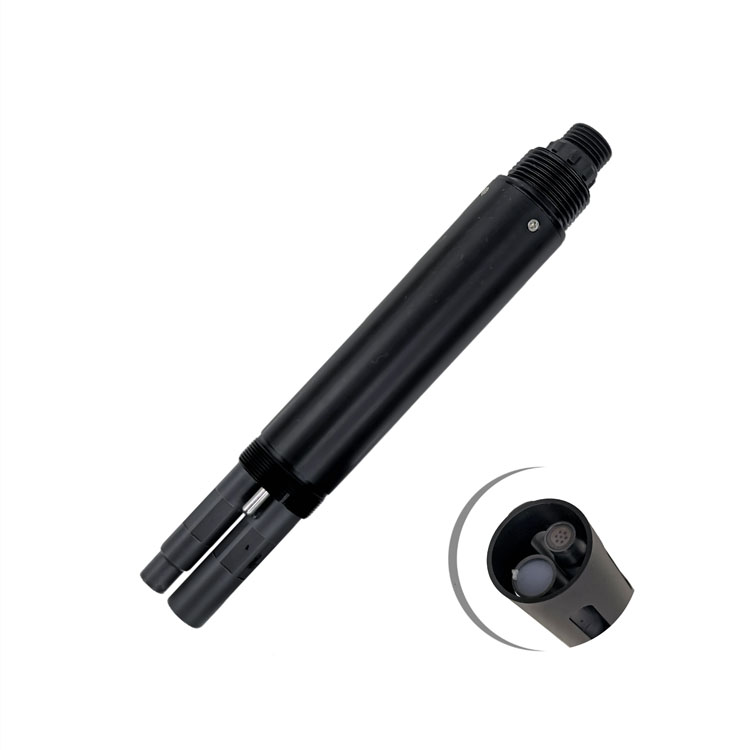
In aquaculture, especially during the high-temperature outbreak period in July-August, organic load in water bodies reaches its peak, easily causing large-scale pond overturns. Through NiuBoL online monitoring system, integrators can achieve real-time monitoring and logical linkage of the following key indicators.
1. Dissolved Oxygen (DO) — The Cornerstone of Aquaculture Life
Dissolved oxygen is the most critical dynamic parameter in aquaculture.
Engineering logic: Most water oxygen comes from algal photosynthesis and mechanical aeration. Mild hypoxia inhibits feeding, while severe hypoxia leads to asphyxiation and death.
Integration value: By online monitoring DO values, the system can automatically trigger aerator contactors for intelligent start-stop.
2. pH Value — The Balance Lever of Water Quality Acidity and Alkalinity
pH value not only directly affects the oxygen-carrying capacity of fish blood but also determines the toxic proportion of ammonia nitrogen in water.
Engineering logic: Freshwater aquaculture standard range is usually 6.5-9.0. Low pH can cause hypoxia in fish, while high pH corrodes gill tissue.
3. Ammonia Nitrogen (NH3-N) and Nitrite (NO2-) — Toxicity Accumulation Monitoring
These two indicators mainly come from residual feed and excrement decomposition.
Engineering logic: High concentrations of ammonia nitrogen cause acute poisoning, while nitrite oxidizes ferrous hemoglobin in fish blood, forming "yellow blood disease."
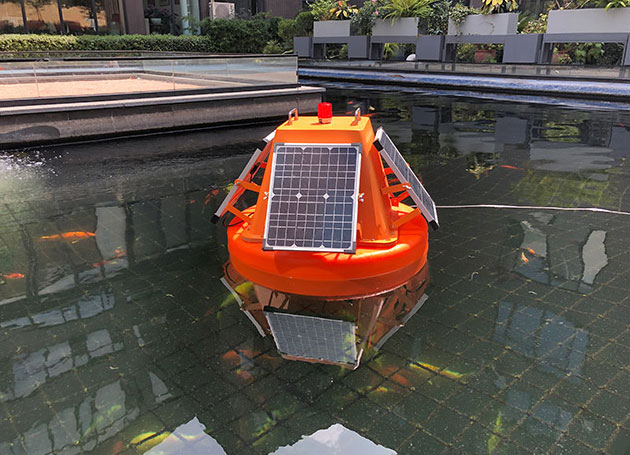
In system integration, the choice of sensor principle directly determines later maintenance costs. NiuBoL promotes fluorescence method technology for dissolved oxygen monitoring, which has significant technical advantages over traditional solutions.
No flow rate restriction: Fluorescence method does not consume oxygen during measurement, enabling accurate measurement even in static water bodies without stirring.
Anti-interference capability: Unaffected by sulfides, ions, and other chemical substances, very suitable for complex water bodies with extremely high organic content in later aquaculture stages.
Long-term maintenance-free: No need to replace electrolyte and membrane head, with minimal drift, significantly reducing after-sales service pressure for project contractors.

| Sensor Type | Measurement Range | Resolution | Accuracy | Signal Output |
|---|---|---|---|---|
| Dissolved Oxygen (Fluorescence) | 0-20mg/L or 0-200% | 0.01mg/L | ±1% F.S. | RS485 / 4-20mA |
| pH Sensor | 0-14 pH | 0.01 pH | ±0.02 pH | RS485 / 0-5V |
| Ammonia Nitrogen Sensor | 0-100mg/L | 0.01mg/L | ±5% F.S. | RS485 (Modbus) |
| Nitrite Sensor | 0-20mg/L | 0.01mg/L | ±5% F.S. | RS485 (Modbus) |
| Turbidity Sensor | 0-1000 NTU | 0.1 NTU | ±2% F.S. | RS485 / 4-20mA |
| Water Temperature Sensor | -10 ~ 60℃ | 0.1℃ | ±0.5℃ | With main protocol |
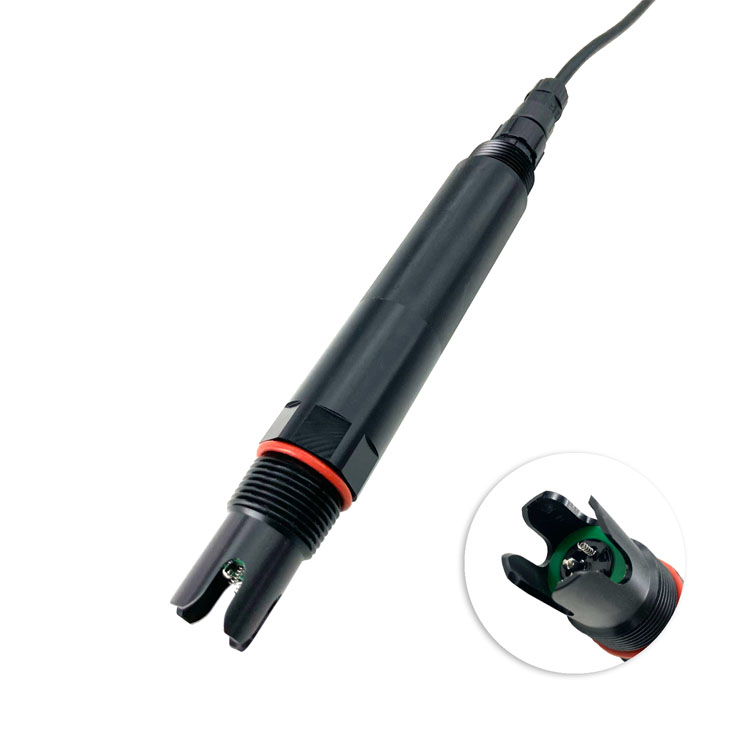
NiuBoL online water quality monitoring system is specially designed for unattended automatic monitoring stations, supporting complex SCADA integration and automatic closed-loop control.
1. Intelligent Closed-Loop Control Strategy (Smart Control)
The online water quality monitoring system is not only an "observer" but also a "controller." NiuBoL's RS485 signals can access PLC or intelligent gateways to achieve:
DO linkage: Set activation threshold (e.g., 3mg/L) and stop threshold (e.g., 6mg/L) to drive aerator groups for sequential switching or variable frequency operation.
Multi-level alarms: Level 1 warning pushed to technician APP; Level 2 alarm triggers on-site sound and light alarm and dials voice calls.
According to different project budgets and construction conditions, NiuBoL provides diversified deployment solutions.
| Scheme Type | Components | Applicable Scenarios | Core Advantages |
|---|---|---|---|
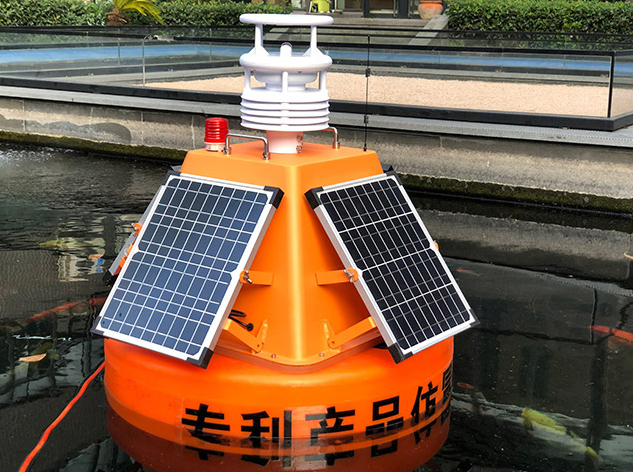
| Buoy Monitoring Station | Float + Solar + Sensors | Lakes, reservoirs, large ponds | No shore construction, highly representative |
| Shore-Based Monitoring Station | Pole Bracket + Box + Pump | Small ponds, factory RAS | Easy maintenance, anti-theft, easy power |
| Multi-Parameter All-in-One | Composite Electrode + Transmitter | Factory seedling, lab | Compact, very simple installation |
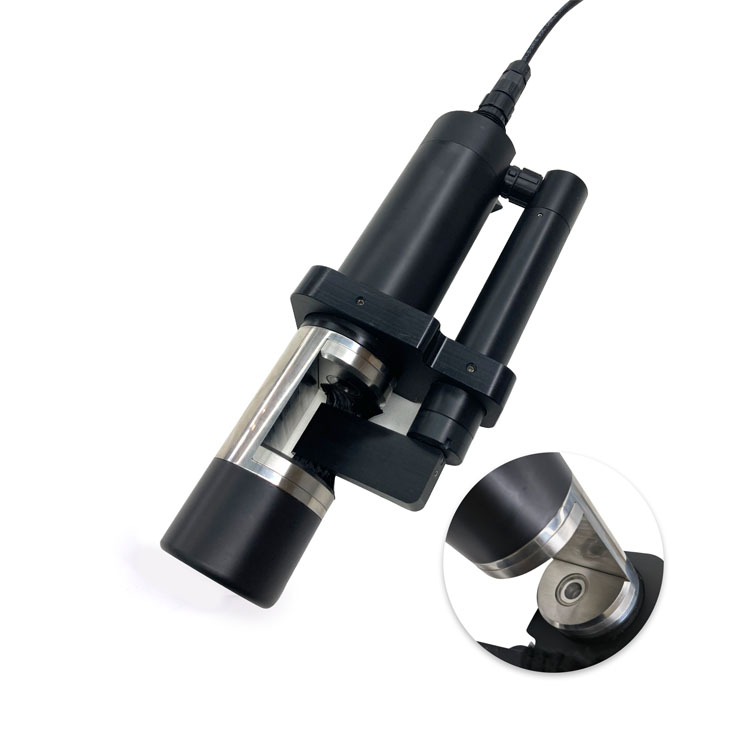
Sensor Placement: Avoid directly above aerators or dead corners in feeding areas to ensure acquisition of true average water body values.
Anti-Interference Design: In areas with dense high-power motors, shielded twisted-pair cables must be used for RS485 communication, and system common grounding ensured.
Power Stability: For outdoor environments, configure NiuBoL dedicated solar + battery solutions and add overvoltage protection circuits.
Maintenance Cycle: Regularly clean attachments on probe surfaces (e.g., biofilm, sediment) to ensure long-term measurement linearity.
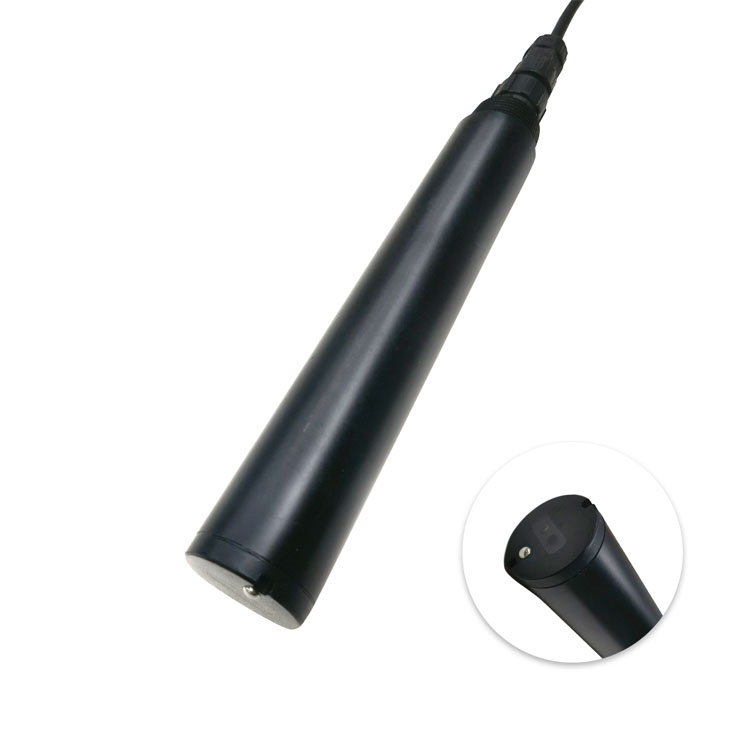
Q1: Does the dissolved oxygen sensor require frequent replacement of electrolyte or membrane head?
A1: NiuBoL fluorescence sensor requires no membrane or electrolyte replacement, with maintenance cycle over one year, and is unaffected by sulfides.
Q2: How does the system prevent attachment by aquatic organisms (e.g., algae, shellfish)?
A2: Industrial-grade sensors can be paired with automatic cleaning scraper devices. Timed cleaning of optical windows effectively extends on-site maintenance intervals.
Q3: Does the system support access to customers' existing environmental platforms?
A3: Yes. NiuBoL sensors follow standard Modbus-RTU protocol and provide complete register address tables for easy secondary development.
Q4: Is ammonia nitrogen sensor measurement affected by pH value and temperature?
A4: Yes. Ammonia equilibrium in water is determined by pH and temperature. NiuBoL ammonia nitrogen algorithm has built-in compensation models, performing real-time correction by synchronously reading pH data.
Q5: What power of aerators can the system control?
A5: Sensor outputs weak electrical signals; external AC contactors are controlled via RTU relays. Control power depends on contactor selection.
Q6: How to calibrate online water quality sensors?
A6: Supports standard solution calibration (e.g., pH buffer solution). Can be completed via host computer software or cloud remote commands.
Q7: Does cable length affect measurement accuracy of water quality sensors?
A7: Using RS485 digital signal transmission, accuracy is virtually lossless within 100 meters, far superior to analog signals.
Q8: Are sensors applicable in saltwater/seawater aquaculture environments?
A8: Yes. NiuBoL seawater version sensors use POM or titanium alloy housings with extremely strong salt spray corrosion resistance.
Q9: Can the monitoring system still work during power outages?
A9: Recommend configuring integrated lithium battery UPS or independent solar power systems; can maintain 3-7 days of monitoring capability after mains interruption.
The online water quality monitoring system is not only a guarantee for fishermen's increased production and harvest but also an important component of smart agriculture and digital environmental protection construction. With high-precision, low-power, and easy-to-integrate sensor products, NiuBoL provides strong hardware support for system integrators.
In today's deep integration of IoT and fisheries, selecting a reliable water quality monitoring solution means taking control of aquaculture risks. We will continue to optimize environmental perception technology to provide more competitive smart aquaculture solutions for global customers.
 NBL-RDO-206 Online Fluorescence Dissolved Oxygen Sensor.pdf
NBL-COD-208 Online COD Water Quality Sensor.pdf
NBL-CL-206 Water Quality Sensor Online Residual Chlorine Sensor.pdf
Related recommendations
Sensors & Weather Stations Catalog
Agriculture Sensors and Weather Stations Catalog-NiuBoL.pdf
Weather Stations Catalog-NiuBoL.pdf
Agriculture Sensors Catalog-NiuBoL.pdf
Water Quality Sensor Catalog-NiuBoL.pdf
Related products
 Combined air temperature and relative humidity sensor
 Soil Moisture Temperature sensor for irrigation|NBL-S-THR
 Soil pH sensor RS485 soil Testing instrument soil ph meter for agriculture |NBL-S-PH
 Wind Speed sensor Output Modbus/RS485/Analog/0-5V/4-20mA
 Tipping bucket rain gauge for weather monitoring auto rainfall sensor RS485/Outdoor/stainless steel
 Pyranometer Solar Radiation Sensor 4-20mA/RS485

Screenshot, WhatsApp to identify the QR code
WhatsApp number:+8615367865107
(Click on WhatsApp to copy and add friends)

