





— Blogs —
—Products—
 Consumer hotline +8618073152920
 WhatsApp:+8615367865107
Address:Room 102, District D, Houhu Industrial Park, Yuelu District, Changsha City, Hunan Province, China
Product knowledge
Time:2026-03-08 15:29:40 Popularity:481
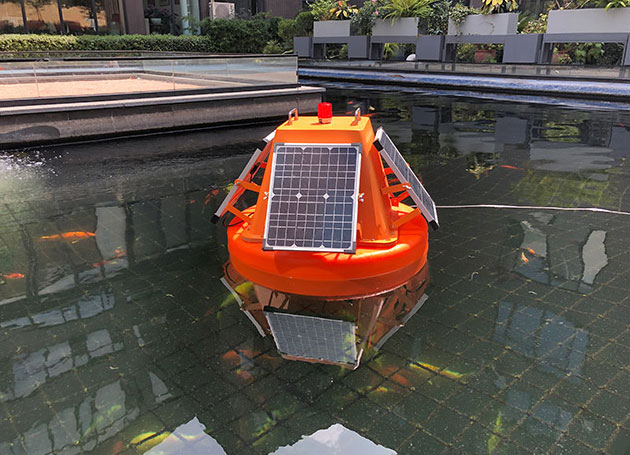
In aquaculture IoT and smart fisheries projects, online water quality monitoring stations have become the core equipment for system integrators and engineering companies to achieve precise water body management. The system supports real-time collection of key indicators such as water temperature, pH, dissolved oxygen (DO), conductivity, turbidity, ammonia nitrogen, COD, etc., and transmits data to the cloud platform via GPRS/4G for remote data analysis and early warning. As a professional manufacturer, NiuBoL provides buoy-type water quality monitoring stations and multi-parameter sensor integration solutions, suitable for aquaculture ponds, lakes, reservoirs, and river cross-section monitoring, helping project contractors reduce pond overturn risks, optimize farming benefits, and meet environmental compliance requirements.

NiuBoL online water quality monitoring station adopts buoy-type deployment, integrating multiple digital sensors for in-situ real-time monitoring. The system focuses on key parameters of aquaculture water bodies, preventing common issues such as hypoxia and ammonia nitrogen exceedance, and supports extension to biological indicators such as chlorophyll and cyanobacteria.
The system uses principles such as electrochemical, fluorescence, optical, and ion-selective electrodes to ensure accurate parameter acquisition. Dissolved oxygen adopts fluorescence method to avoid membrane pollution, pH and ORP use composite electrodes, and turbidity is based on laser scattering or 90° scattered light. The data acquisition module aggregates via RS485 (Modbus RTU protocol) bus, supporting multi-sensor access for easy IoT platform integration.
The monitoring station operates continuously 24 hours, with data uploaded to the cloud server via 4G/GPRS. The platform provides real-time curves, threshold alarms, historical queries, and report generation. Engineering companies can access SCADA or GIS systems to achieve automated feeding and aeration linkage control.
Compared to traditional manual sampling, the NiuBoL system excels in accuracy, deployment flexibility, and maintenance efficiency, providing reliable solutions for project pain points.
1. High Precision and Low Power Consumption Design
Sensor accuracy is controlled within ±2%~±5%, low power consumption supports solar power, suitable for long-term operation in remote waters. The buoy body uses polyurea polymer material, flame-retardant, corrosion-resistant, and non-sinking.
2. Flexible Deployment and Scalability
Buoy-type installation requires no fixed foundation and can be quickly deployed in ponds or lakes. Modular architecture allows on-demand sensor access, such as ammonia nitrogen, nitrate, chlorophyll a, cyanobacteria, achieving “five-parameter + nutrient salts + biological indicators” combination.
3. Cost Control and Reliability
Reduces manual inspection frequency and lowers operation and maintenance costs. IP68 protection rating ensures stability in harsh environments, with built-in GPS positioning and anti-drift anchoring system.
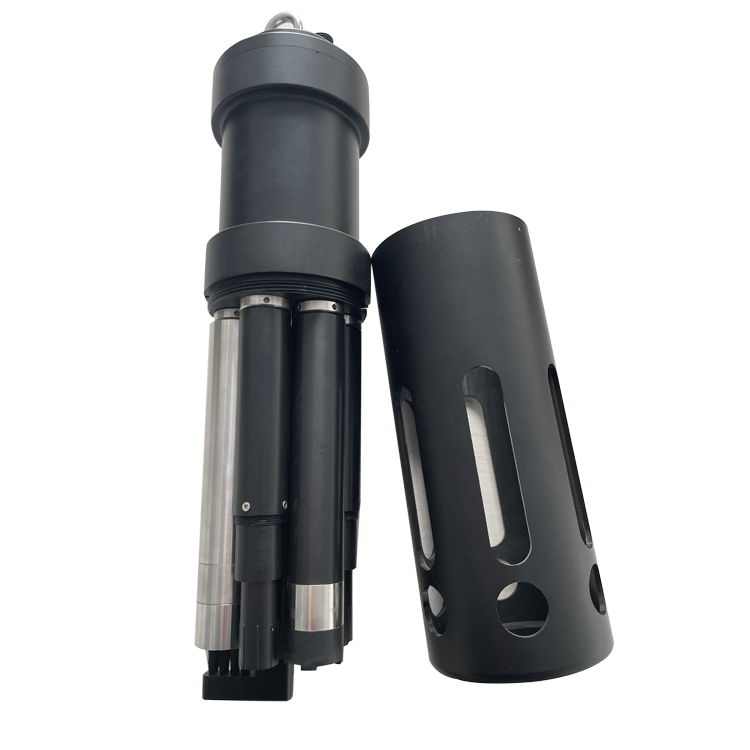
NiuBoL buoy-type water quality monitoring station typical parameters are shown in the table below, supporting custom configuration.
| Parameter Category | Measurement Principle | Range | Accuracy |
|---|---|---|---|
| Water Temperature | PT100/Thermistor | 0~50 ℃ | ±0.5 ℃ |
| pH | Composite Electrode | 0~14 | ±0.1 pH |
| Dissolved Oxygen (DO) | Fluorescence/Electrochemical | 0~20 mg/L | ±0.3 mg/L or ±2% |
| Conductivity | Electrode Method | 0~200 mS/cm | ±1% FS |
| Turbidity | Laser Scattering/90° Scattering | 0~1000 NTU | ±5% or ±2 NTU |
| Ammonia Nitrogen (NH3-N) | Ion Selective Electrode | 0~5 mg/L | ±5% or ±0.1 mg/L |
| COD | UV Absorption/Electrochemical | 0~200 mg/L | ±10% |
| Chlorophyll a | Fluorescence Method | 0~500 μg/L | ±5% |
| Cyanobacteria | Fluorescence Method | 0~1000 cells/mL | ±10% |
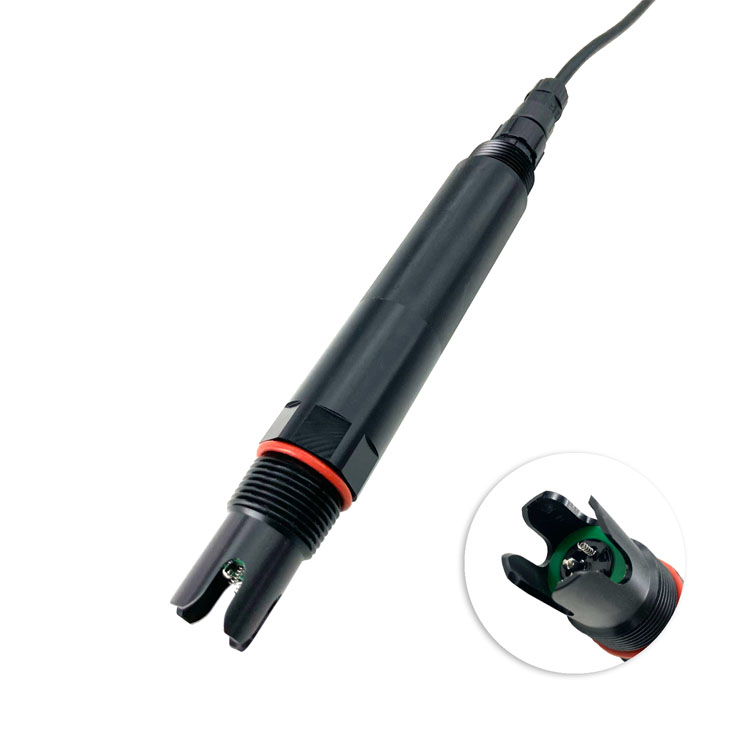
| Parameter Category | Specific Description |
|---|---|
| Power Supply Method | DC 12V; Solar + Lithium Battery Pack (more than 7 consecutive rainy days) |
| Output Interface | RS485 (Modbus RTU); Optional 4G/GPRS Upload |
| Protection Rating | IP68 (Sensor/Buoy Body) |
| Installation Method | Buoy Deployment + Anchoring Fixation |
| Data Storage | Local Cache ≥1 Year; No Loss on Power Failure |
| Communication Protocol | Modbus RTU; HJ 212 Data Transmission Standard |
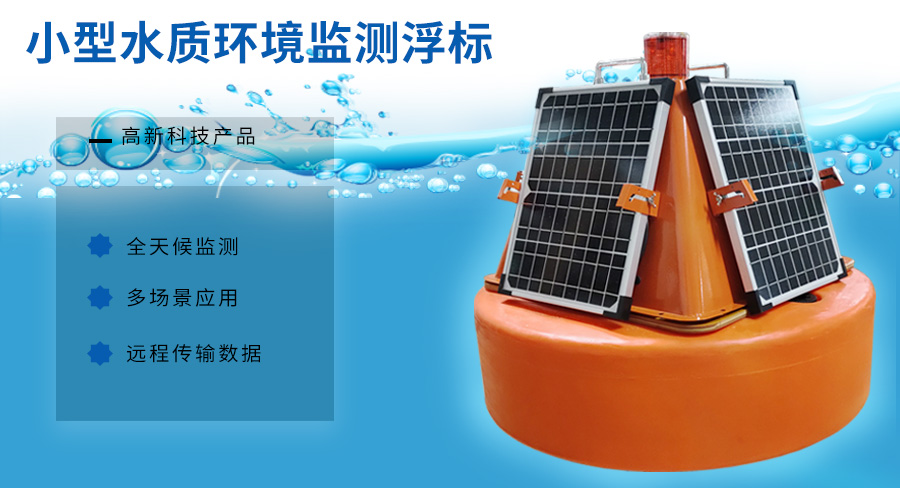
NiuBoL online water quality monitoring station is widely used in aquaculture and water environment management, supporting project contractors to build intelligent solutions.
1. Aquaculture Pond Management
Deployed in shrimp, crab, and fish farming ponds for real-time monitoring of DO and ammonia nitrogen, with threshold exceedance triggering aerator linkage. System integrators can access automatic feeding systems to optimize feed conversion rate and reduce pond overturn incidence.
2. Lake and Reservoir Ecological Monitoring
For large water bodies such as similar to Yangcheng Lake, buoy stations monitor cyanobacteria outbreaks and nutrient changes. IoT providers combine meteorological data for algal bloom early warning and water quality stratification analysis.
3. River Cross-Section and River Inlet Regulation
Engineering companies use for cross-boundary section monitoring, uploading data to environmental platforms for traceability and scheduling. Extension of turbidity and COD indicators assesses agricultural non-point source pollution impact.
4. Recirculating Aquaculture System (RAS)
Integrated in indoor or semi-enclosed systems with multi-parameter sensors to monitor biofilter efficiency and ammonia nitrogen conversion. The platform supports remote diagnosis, reducing on-site intervention.
These scenarios highlight the system's role in improving farming efficiency, reducing risks, and supporting sustainable development.
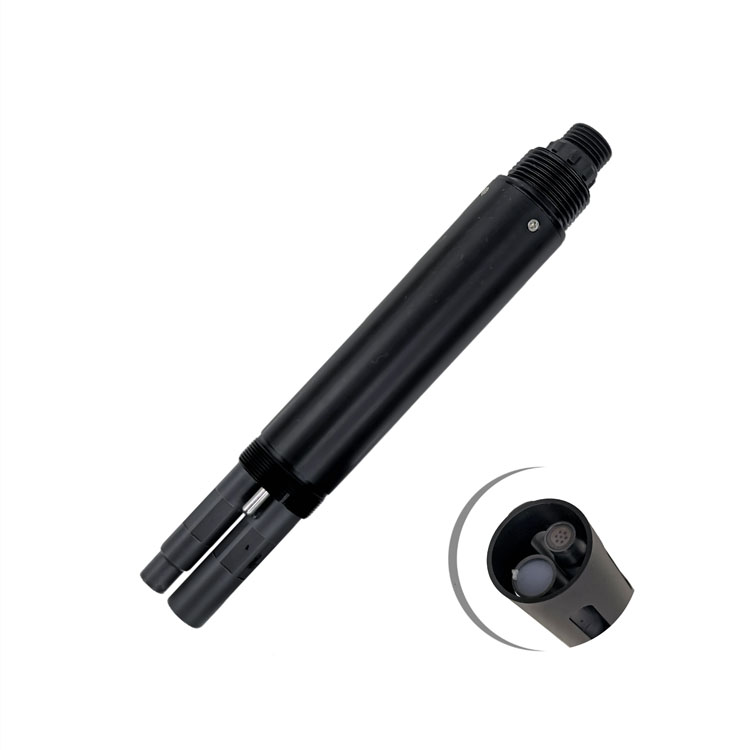
Deploying NiuBoL online water quality monitoring station requires adherence to engineering specifications to ensure long-term stable operation.
1. Site Selection and Installation
Select locations with moderate flow and strong representativeness, avoiding near pollution outlets or dead water zones near shores. After buoy deployment, fix with anchors, depth controlled at 1-3 meters to ensure sensor immersion. Consider wind, waves, and vessel interference, equip with navigation lights and radar reflectors.
2. Power Supply and Communication Configuration
Prioritize solar + battery combination, calculate consecutive rainy days. 4G module configured with SIM card, supporting dynamic IP. RS485 bus length not exceeding 1200 meters, use shielded cable for anti-interference.
3. Data Integration and Calibration
Modbus protocol defines register mapping for easy PLC/HMI access. Initial zero-point calibration, quarterly on-site comparison or standard sample verification. Cloud platform supports API for custom alarm thresholds and linkage logic.
4. Maintenance and Troubleshooting
Regularly clean sensor optical windows and electrodes, check buoy body integrity. Monitor communication logs, adjust antenna when signal is weak. Develop SOPs including spare parts inventory and remote diagnosis.
Q1. How to integrate the online water quality monitoring station with existing aquaculture control systems?
A1: Connect to PLC controller via RS485 Modbus protocol; system integrators map data points to achieve automatic aeration on low DO limit.
Q2. How stable is buoy deployment in severe weather?
A2: IP68 protection + polyurea buoy body is corrosion-resistant and impact-resistant; solar power ensures continuous operation. Actual deployment experience shows drift rate<5% during typhoon seasons.
Q3. What factors affect dissolved oxygen monitoring accuracy?
A3: Fluorescence method resists membrane pollution; automatic temperature compensation correction. Recommended operation within 0~30℃, calibrate quarterly.
Q4. What alarm and linkage functions does the system support?
A4: Cloud platform sets threshold alarms (SMS/APP push); supports DO<4 l="" linkage="" with="" ammonia="" nitrogen="">0.5 mg/L triggering water change reminders.
Q5. What is the calibration frequency after installation?
A5: Factory calibration is stable; monthly zero-point check recommended, quarterly actual water sample comparison. Adjust based on water body pollution level.
Q6. Is it suitable for saltwater aquaculture?
A6: Yes. Supports conductivity extension to seawater range (0~200 mS/cm), sensors resistant to salt corrosion.
Q7. How to handle data transmission interruption?
A7: Built-in cache stores locally during disconnection, automatic upload upon recovery. Supports manual export.
Q8. How to extend biological indicators such as cyanobacteria?
A8: Modular design allows later access to fluorescence sensors; add new parameters via platform configuration.
NiuBoL online water quality monitoring station, with buoy deployment and high-precision multi-parameter acquisition as its core, provides reliable water body management solutions for system integrators, IoT providers, and engineering companies. Through real-time monitoring of dissolved oxygen, pH, ammonia nitrogen, and other indicators, the system effectively prevents risks of hypoxia, algal blooms, and toxicity accumulation, supporting precise farming decisions and environmental compliance. In scenarios such as ponds, reservoirs, and rivers, its low-maintenance and flexible expansion features significantly reduce operational costs and improve benefits. As a professional manufacturer, NiuBoL is committed to industrial-grade equipment delivery, offering OEM/ODM services, protocol adaptation, and platform docking to assist in the implementation of smart fisheries and aquatic ecological environment projects. Welcome to consult for selection schemes and technical support.
 NBL-RDO-206 Online Fluorescence Dissolved Oxygen Sensor.pdf
NBL-COD-208 Online COD Water Quality Sensor.pdf
NBL-CL-206 Water Quality Sensor Online Residual Chlorine Sensor.pdf
Related recommendations
Sensors & Weather Stations Catalog
Agriculture Sensors and Weather Stations Catalog-NiuBoL.pdf
Weather Stations Catalog-NiuBoL.pdf
Agriculture Sensors Catalog-NiuBoL.pdf
Water Quality Sensor Catalog-NiuBoL.pdf
Related products
 Combined air temperature and relative humidity sensor
 Soil Moisture Temperature sensor for irrigation|NBL-S-THR
 Soil pH sensor RS485 soil Testing instrument soil ph meter for agriculture |NBL-S-PH
 Wind Speed sensor Output Modbus/RS485/Analog/0-5V/4-20mA
 Tipping bucket rain gauge for weather monitoring auto rainfall sensor RS485/Outdoor/stainless steel
 Pyranometer Solar Radiation Sensor 4-20mA/RS485

Screenshot, WhatsApp to identify the QR code
WhatsApp number:+8615367865107
(Click on WhatsApp to copy and add friends)

