





— Blogs —
—Products—
 Consumer hotline +8618073152920
 WhatsApp:+8615367865107
Address:Room 102, District D, Houhu Industrial Park, Yuelu District, Changsha City, Hunan Province, China
Product knowledge
Time:2025-12-22 14:16:19 Popularity:874
In an era increasingly focused on environmental protection and sustainable development, water turbidity sensors, as an important component of intelligent environmental monitoring, are receiving widespread attention. Water turbidity is not only an intuitive indicator of water sensory quality but also a key parameter reflecting the content of suspended particles (such as sediment, organic matter, microorganisms, etc.) in water.
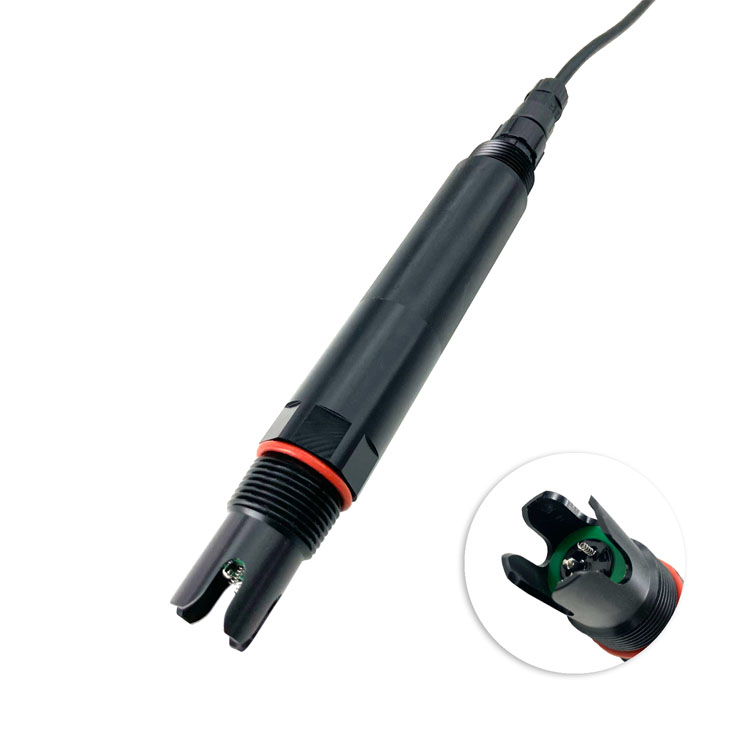
To address the challenges of complex and variable water environment monitoring, the NBL-ZS-206 digital turbidity sensor launched by NiuBoL Technology, with its advanced optical principles and industrial-grade design, provides reliable water quality monitoring solutions for various industries. Whether ensuring the safety of drinking water or monitoring industrial wastewater discharge, this device demonstrates excellent performance.
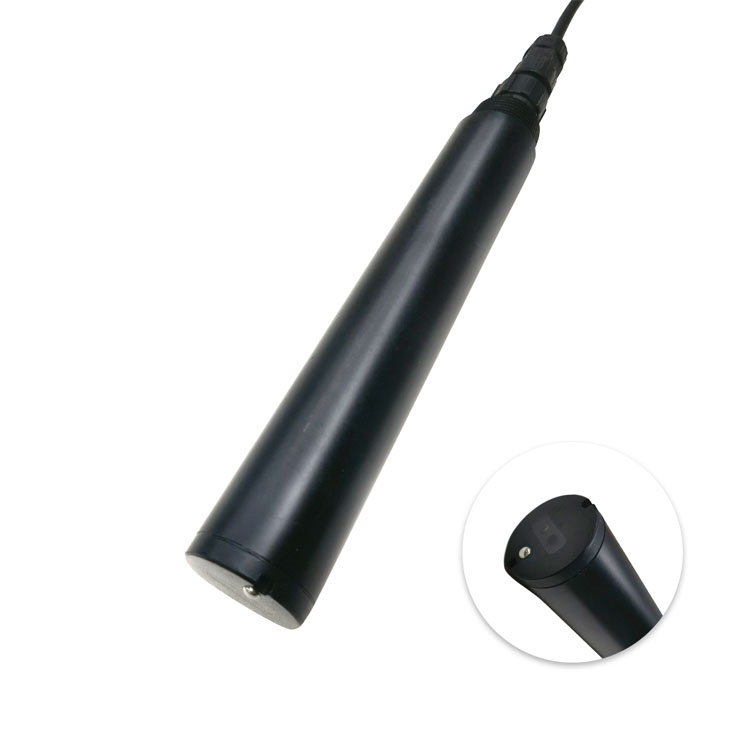
Water turbidity is usually caused by increased suspended particles in water. These suspended particles hinder light transmission through the water body, producing reflection, scattering, and absorption effects, thereby affecting water transparency.
To scientifically quantify this phenomenon, the international community generally adopts NTU (Nephelometric Turbidity Unit) as the measurement benchmark. The NBL-ZS-206 sensor is designed based on this standard, with a measurement range covering 0.01 to 4000 NTU (depending on range configuration), capable of accurately capturing subtle fluctuations from ultrapure water to high-turbidity sewage.
The NBL-ZS-206 adopts the internationally mainstream scattered light turbidity measurement method, strictly complying with EN27027 and ISO7027 international standards.
90° Angle Scattered Light Technology
When the light beam emitted by the sensor enters the water sample, suspended particles in the water cause light scattering. The sensing element of NBL-ZS-206 is located perpendicular (90° direction) to the incident light. By measuring the scattered light intensity in this specific direction and comparing it in real-time with internal preset calibration values, the sensor calculates the final turbidity value of the water sample through linearization processing.
860nm Infrared Light Source
The sensor uses an 860nm infrared LED as the light source. Compared to visible light, infrared light is minimally affected by sample chromaticity. This means that even if the water body has color (such as light yellow river water or dark industrial wastewater), it will not interfere with accurate turbidity measurement, greatly enhancing result reliability.
Fiber Optic Structure Design
The internal fiber optic structure design provides extremely strong resistance to external stray light interference. Even in strongly illuminated shallow water areas or semi-open canals, it maintains reading stability.
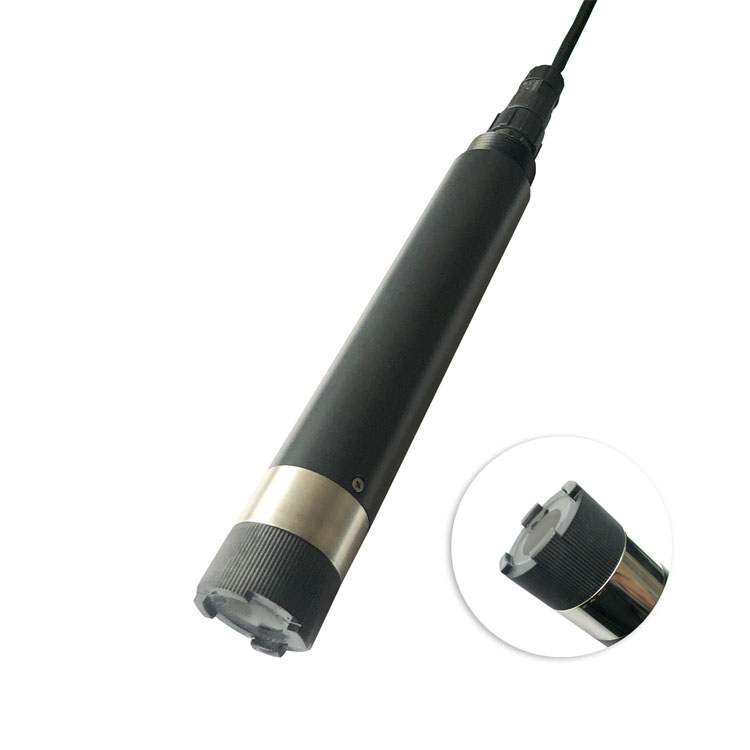
An excellent sensor must balance a precise core with a robust housing. NiuBoL demonstrates rigorous industrial standards in the hardware selection of NBL-ZS-206.
Housing Material: The shell uses POM (polyoxymethylene) or ABS alloy material, with excellent impact resistance and chemical stability.
Protection Level: Features the highest IP68 protection level, with design pressure supporting 20 meters underwater depth, suitable for long-term immersion continuous monitoring.
High Integration: Compact size, internally integrated temperature sensor (Pt1000), capable of real-time water temperature monitoring and automatic temperature compensation.
| Parameter Name | Technical Specification / Indicator |
|---|---|
| Model | NBL-ZS-206 |
| Measurement Principle | 90° Scattered Light Method |
| Measurement Range | 0-20.00 NTU / 0-200.0 NTU / 0-1000.0 NTU |
| Resolution | 0.01 NTU or 0.1 NTU (depending on range) |
| Measurement Accuracy | ±3% or ±5% F.S. (depending on range configuration) |
| Communication Method | RS-485 (Modbus/RTU Protocol) |
| Power Supply Voltage | 12 ~ 24V DC |
| Power Consumption Indicator | Low Power Design, Only 0.2W @ 12V |
| Response Time | < 30s (T90) |
| Operating Environment | Temperature 0 ~ 50℃, Pressure < 0.2MPa |
| Mechanical Interface | 3/4 NPT Pipe Thread, Convenient for Installation |
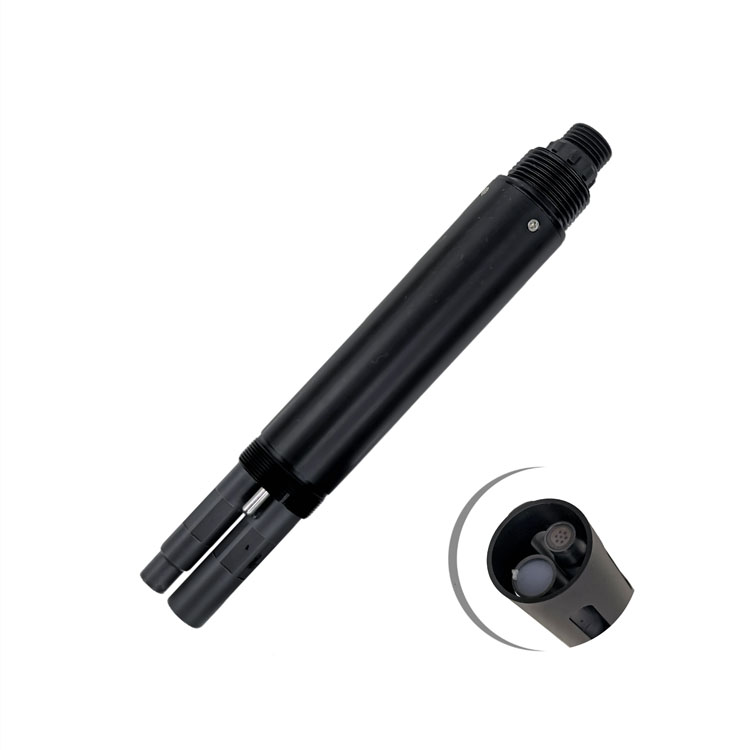
Digital Output, Strong Anti-Interference Performance
The sensor outputs standard RS-485 (Modbus/RTU) signals. Digital transmission solves attenuation and electromagnetic interference issues of analog signals in long-distance transmission, facilitating direct connection to PLC, DCS, or smart cloud platforms.
Excellent Stability and Low Drift
The stability of the infrared light source combined with internal temperature compensation algorithms ensures extremely low drift even in long-term monitoring tasks, reducing the need for frequent calibration.
Easy Maintenance and Deployment
The sensor is compact with extremely low power consumption. Standard 5-meter twisted shielded cable (customizable), with clear wiring definitions, making installation simple and convenient.
The NBL-ZS-206 turbidity sensor plays a monitoring role in water treatment and industrial production:
Tap Water and Drinking Water Safety: Continuously monitors filtered water from water plants and pipeline network water turbidity, ensuring compliance with drinking water hygiene standards.
Environmental Protection and Sewage Treatment: Monitors surface water quality in rivers and lakes, or suspended solids concentration at sewage treatment plant discharge outlets.
Industrial Circulating Water: In metallurgy, chemical, power generation, and other industries, monitors circulating cooling water turbidity to prevent equipment scaling and corrosion.
Aquaculture and Food Processing: Real-time monitors aquaculture water environment, ensuring quality stability of water used in food production.
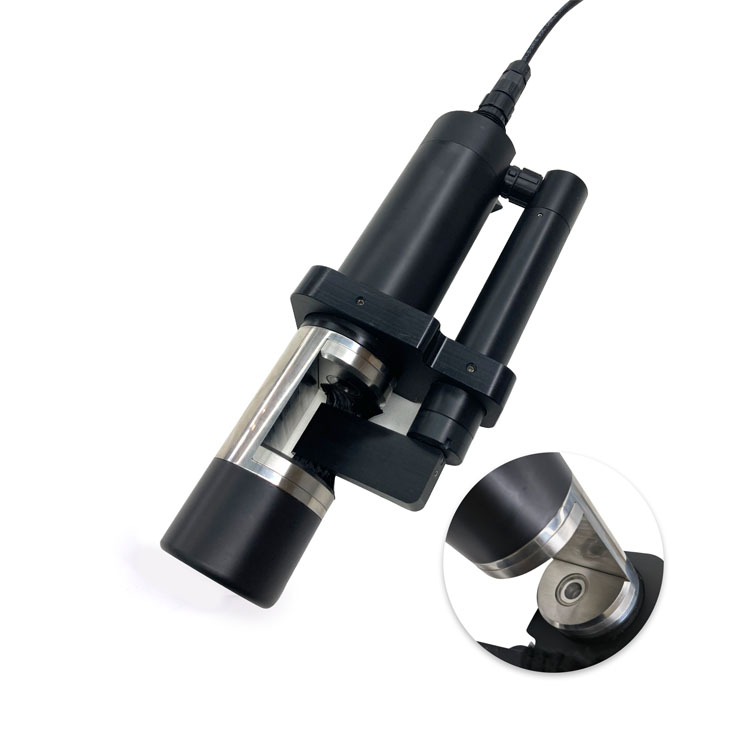
Physical Installation Requirements
To obtain the most authentic measurement values, strictly follow these spatial restrictions during installation:
Side Wall Distance: The sensor probe should maintain more than 5cm distance from container side walls to prevent wall reflection light interference.
Bottom Distance: The probe end face should maintain more than 10cm distance from container bottom or sediments to avoid bottom reflection or sediment disturbance false alarms.
Installation Method: Recommend immersion installation, using 3/4 NPT thread fixed with bracket.
Electrical Connection Instructions
Cable uses red (power +), black (power -), blue (485A), white (485B) standard definitions. All connection points must undergo strict waterproof treatment to ensure no oxidation or disconnection in humid environments.
The cleanliness of the measurement window is the cornerstone of turbidity measurement accuracy.
Daily Cleaning Methods
Housing Cleaning: Rinse with tap water.
Measurement Window: If the window has dirt, gently wipe with warm damp soft cloth. For stubborn dirt, add a small amount of household detergent.
Strictly Prevent Scratches: Prohibit using rough objects to contact the measurement end face to avoid damaging the optical window and affecting accuracy.
Calibration Procedure
NiuBoL recommends regular two-point calibration:
Zero Point Calibration: Use zero turbidity liquid (deionized or distilled water), ensuring the sensor is placed vertically and more than 10cm from container bottom.
Slope Calibration: Use corresponding range standard Formazin turbidity liquid for correction.
Q1: Why does NBL-ZS-206 use an 860nm infrared light source?
A: The greatest advantage of infrared light source is resistance to chromaticity interference. Many water samples may have natural colors; 860nm wavelength light effectively penetrates these colors, ensuring measurement only of scattered light from suspended particles, making readings more objective.
Q2: How to determine if the sensor needs cleaning?
A: When you find measurement values continuously rising without cause in still water, or readings become abnormally slow, it is usually because the optical window has attached biofilm or dirt; clean promptly at this time.
Q3: Can this sensor be used in seawater environments?
A: Yes. Its housing uses POM/ABS material with good salt fog resistance and corrosion resistance. However, after use in seawater, recommend strengthening maintenance checks for optical window calcification scaling.
Q4: If RS-485 communication shows no results, how to troubleshoot?
A: First check if wiring sequence (red black blue white) is correct; second check if power supply voltage is within 12-24V range; finally confirm if controller communication baud rate and device address match sensor settings.
Q5: Are there user-replaceable parts inside the sensor?
A: The sensor uses fully encapsulated structure with no user-maintainable parts. Strictly prohibit self-disassembly to avoid damaging IP68 protection performance. Contact NiuBoL technical support for faults.
In today's pursuit of digital environmental regulation, the NiuBoL NBL-ZS-206 turbidity sensor, with its 90° scattered light principle, infrared light source compensation, and IP68 industrial protection, transforms complex water quality assessment into precise, continuous data streams. It is not only an important reference for water treatment process optimization but also a solid barrier for protecting ecological water environments.
Through scientific installation and regular maintenance, NBL-ZS-206 will provide long-term, stable technical support for your smart water system. If you have any questions about turbidity monitoring or more water quality parameter solutions, the NiuBoL team will serve you wholeheartedly.
Next:Core Indicator of Smart Water Quality Monitoring: Introduction to NiuBoL Water Conductivity Sensor
Related recommendations
Sensors & Weather Stations Catalog
 Agriculture Sensors and Weather Stations Catalog-NiuBoL.pdf
Weather Stations Catalog-NiuBoL.pdf
Agriculture Sensors Catalog-NiuBoL.pdf
Water Quality Sensor Catalog-NiuBoL.pdf
Related products
 Combined air temperature and relative humidity sensor
 TDR Soil Moisture & Temperature Sensor for irrigation| RS485 |4-20mA| NBL-S-THR
 Soil pH sensor RS485 soil Testing instrument soil ph meter for agriculture |NBL-S-PH
 Wind Speed sensor Output Modbus/RS485/Analog/0-5V/4-20mA
 Tipping bucket rain gauge for weather monitoring auto rainfall sensor RS485/Outdoor/stainless steel
 Pyranometer Solar Radiation Sensor 4-20mA/RS485

Screenshot, WhatsApp to identify the QR code
WhatsApp number:+8615367865107
(Click on WhatsApp to copy and add friends)

