





— Blogs —
—Products—
 Consumer hotline +8618073152920
 WhatsApp:+8615367865107
Address:Room 102, District D, Houhu Industrial Park, Yuelu District, Changsha City, Hunan Province, China
Product knowledge
Time:2026-01-25 18:33:35 Popularity:745
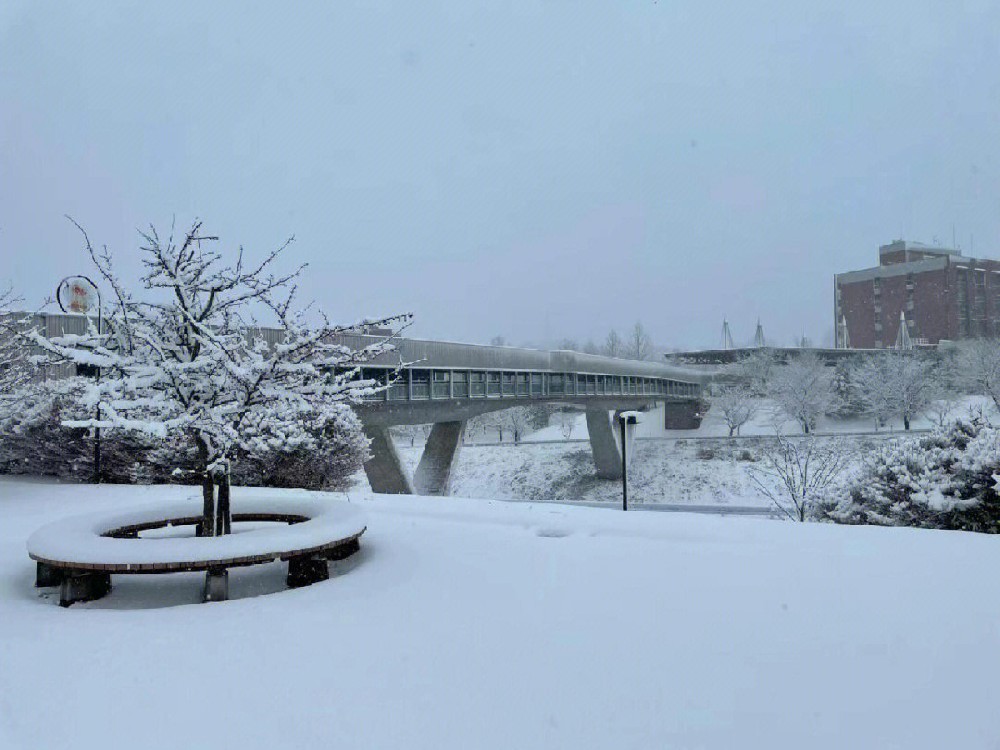
In high-latitude, high-altitude, or cold regions, extreme snowfall and low temperatures pose long-term risks to transportation, bridges, and public safety. For system integrators and engineering companies, extreme weather monitoring is not an optional function but a core requirement for urban infrastructure safety.
By deploying Snow sensors and Outside air temperature sensors, snow depth, temperature, and environmental parameters can be quantified and combined with data analysis to provide reliable bases for traffic control, bridge structural health, and emergency decision-making.
| Risk Type | Impact and Engineering Issues |
|---|---|
| Road Traffic | Snow accumulation reduces road friction coefficient, increases icing risk, affects vehicle driving safety |
| Bridge Structures | Snow load causes additional stress, low-temperature freeze-thaw cycles accelerate aging of concrete and steel structures |
| Emergency Management | Lack of real-time data, manual inspection lags, decisions rely on experience, difficult to quantify risk |
| Public Operations | Airport runways, port operations affected by snow depth and low temperatures, impacting all-weather operation plans |
Engineering Value of Automated Snow Depth Monitoring
Real-time quantification of snow depth change curves to support traffic restrictions and snow removal decisions
Unattended deployment reduces manual inspection costs
Provides reliable data interfaces for direct integration into smart traffic or meteorological monitoring systems
Quantifies additional stress on bridge and road structures from snow load
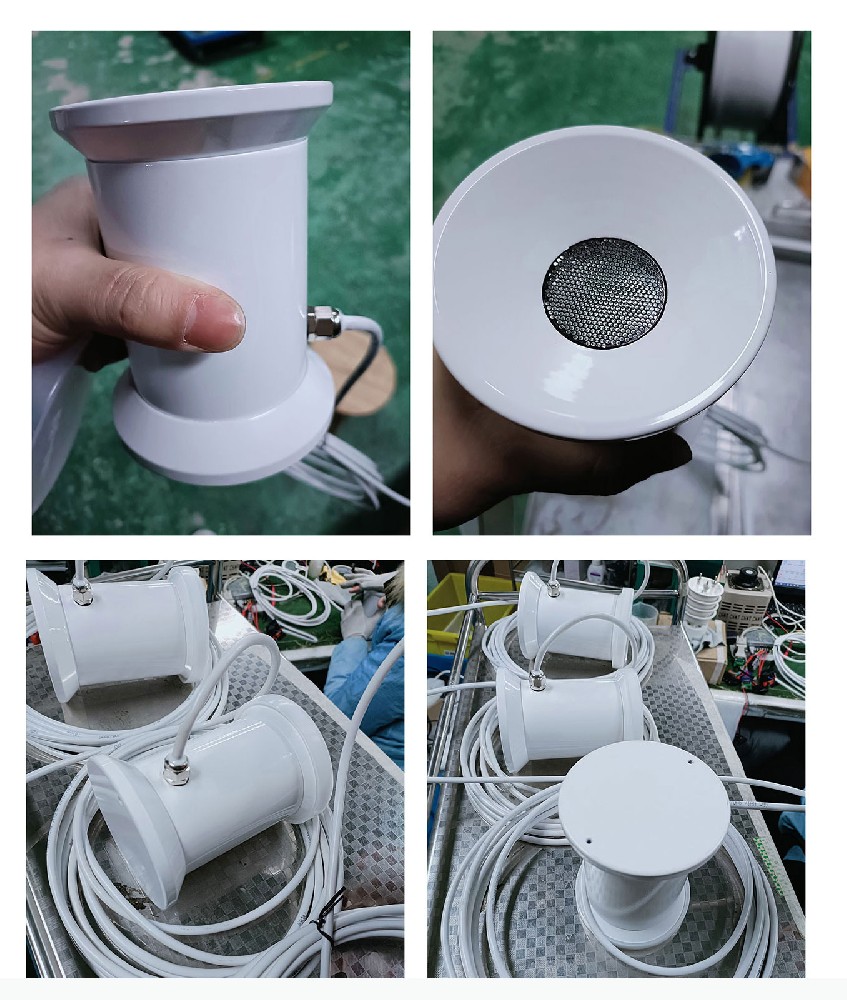
| Parameter Category | Technical Specification |
|---|---|
| Measurement Principle | Ultrasonic telemetry |
| Ultrasonic Frequency | 50 kHz |
| Measurement Range | 0–1000 mm |
| Measurement Accuracy | ±0.1% FS |
| Communication Method | RS485 |
| Baud Rate | 9600 bps |
| Power Supply | DC 12 V (mains power) |
| Power Consumption | Normal temperature 180 mW, low-temperature heating 3 W |
| Operating Environment | –40 ℃ ~ +50 ℃, ≤100% RH |
| Storage Environment | –40 ℃ ~ +65 ℃, ≤100% RH |
| Cable Length | Standard 5 m |
Note: Low-temperature heating function ensures stable sensor operation under extreme low temperatures, suitable for long-term deployment in high-latitude and high-altitude regions.
Why Must It Work in Coordination with Snow Depth Sensors?
Snow melting or icing status depends on ambient temperature
Snow density and load vary with temperature
Freeze-thaw cycle frequency affects fatigue of bridge and road materials
Temperature change is a key variable for predicting snow load risk and traffic safety decisions
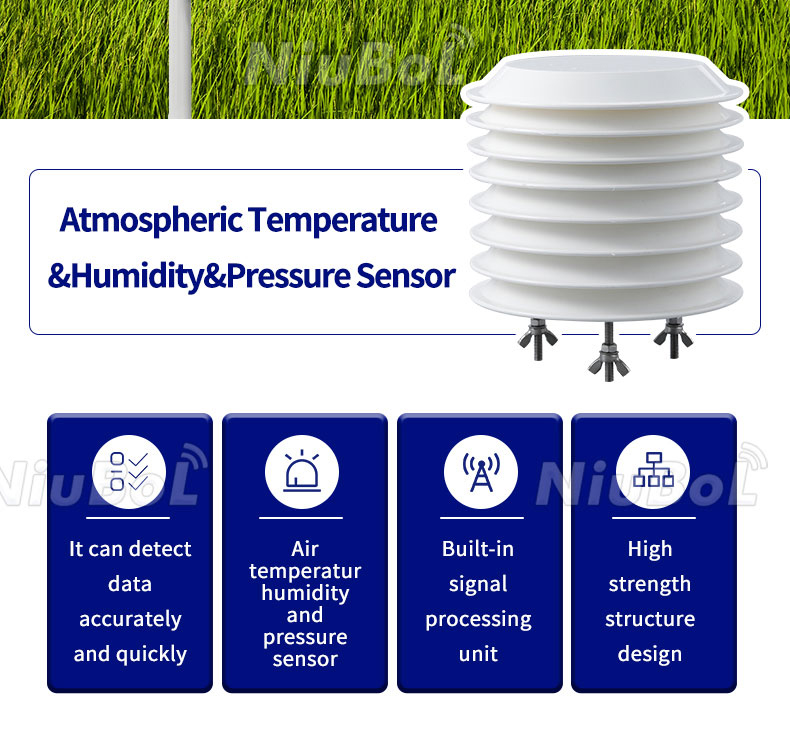
| Parameter Category | Technical Specification |
|---|---|
| Temperature Measurement Range | –40 ~ 80 ℃ |
| Temperature Accuracy | ±0.5 ℃ |
| Temperature Resolution | 0.1 ℃ |
| Humidity Measurement Range | 0 ~ 100% RH |
| Humidity Accuracy | ±5% RH |
| Humidity Resolution | 0.1% RH |
| Pressure Measurement Range | 10 ~ 1200 hPa |
| Pressure Accuracy | ±1.5 hPa |
| Pressure Resolution | 0.1 hPa |
| Power Supply | DC 12–24 V |
| Output Type | RS485 |
| Operating Temperature | –40 ℃ ~ 80 ℃ |
| Relative Humidity | 0 ~ 100% RH |
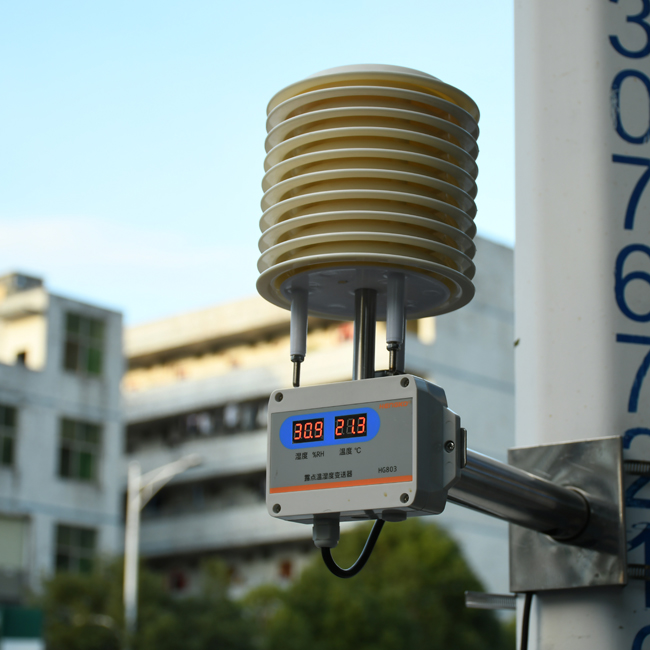
The louvered box structure effectively isolates solar radiation interference, improving temperature measurement accuracy. Suitable for long-term outdoor deployment and smart city infrastructure monitoring.
Real-time collection of snow depth and temperature data
Supports road snow removal, salting, and traffic restriction decisions
Can link with traffic management center control systems
Snow load data used for structural stress analysis
Temperature and humidity data used for freeze-thaw cycle evaluation
Supports bridge safety early warning systems and long-term lifespan prediction
Real-time runway snow monitoring
Quantifies ice and snow coverage risk
Supports all-weather operations and emergency scheduling
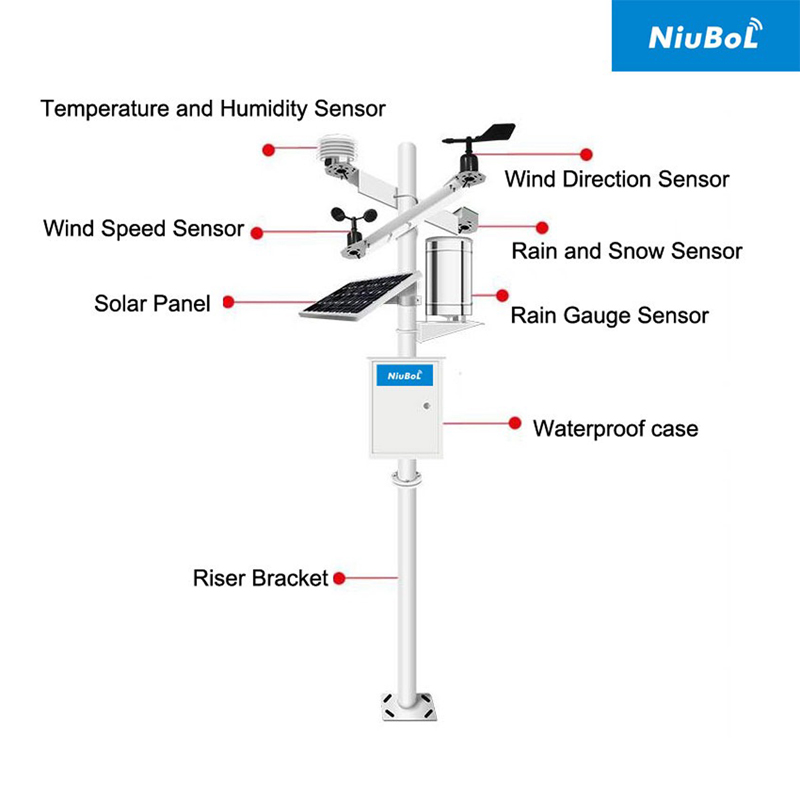
| Design Key Points | Engineering Description |
|---|---|
| Communication Interface | RS485, compatible with PLC, RTU, IoT gateways |
| Data Transmission | Long-distance stable transmission, strong anti-electromagnetic interference |
| Power Supply Scheme | DC 12–24 V, connectable to mains or solar power |
| Low-Temperature Operation | Snow sensor heating mechanism ensures stable operation at –40 ℃ |
| Integration Note | Recommend unified access of snow depth, temperature, humidity, and pressure sensors to the same acquisition node to reduce wiring complexity |
| Project Type | Configuration Recommendation | System Functions |
|---|---|---|
| Basic Road Monitoring Point | Snow sensor + Outside temperature sensor + RS485 | Real-time snow depth monitoring, temperature collection, traffic restriction and snow removal decisions |
| Standard Smart Traffic Station | Snow depth sensor + temperature-humidity-pressure sensor + data collector + control center | Snow load analysis, road/bridge safety assessment, early warning generation |
| Comprehensive Extreme Weather Monitoring System | Snow depth + temperature + humidity + pressure + IoT cloud platform | Full coverage monitoring and decision support for smart traffic, bridges, airports, ports |
OEM branding and appearance customization
Interface protocol adaptation (RS485/Modbus, etc.)
Cable length and installation method customization
Bulk project consistency assurance
System integration technical support and installation documentation
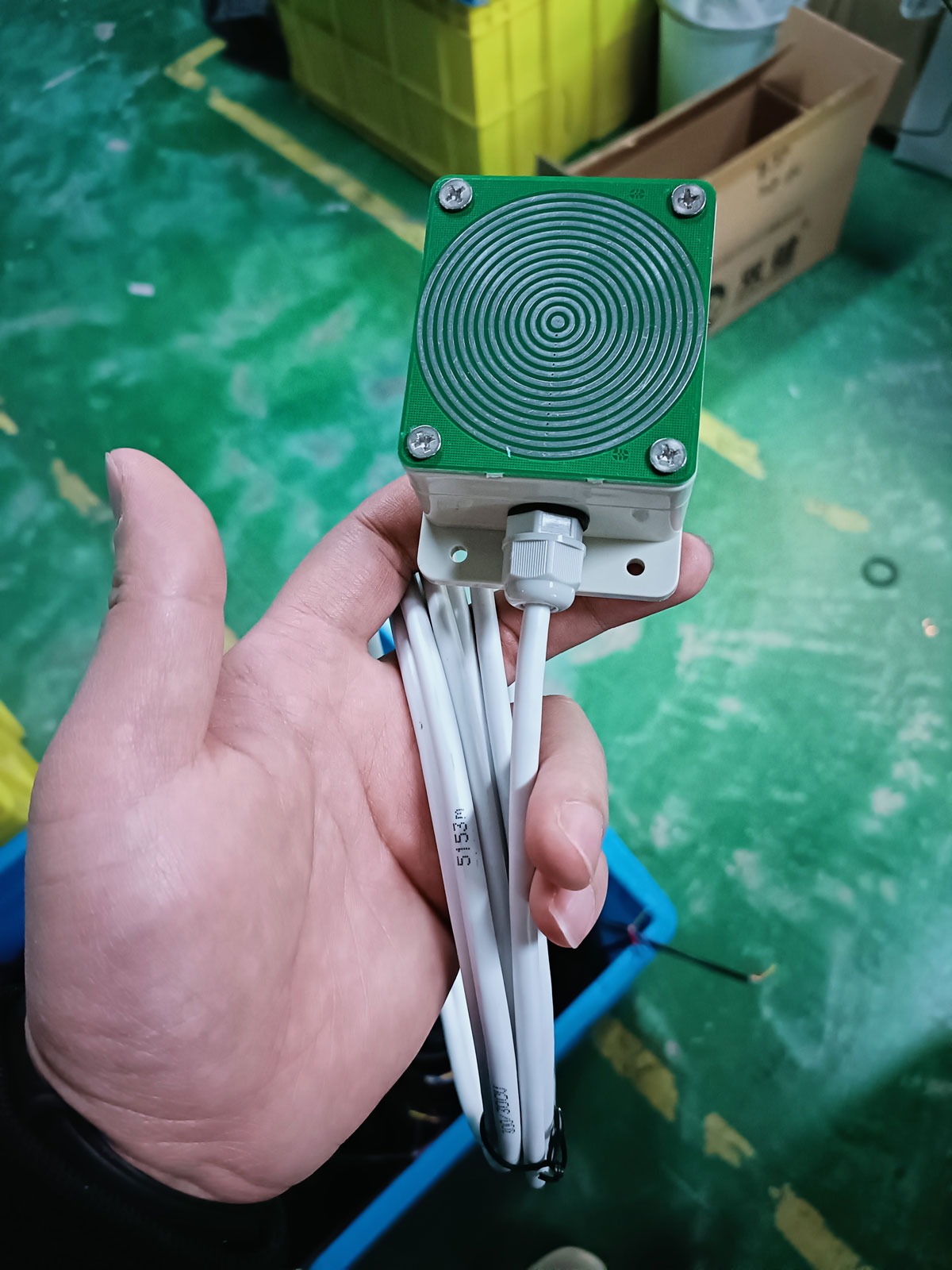
Q1: How does the snow depth sensor ensure measurement accuracy under extreme low temperatures?
A1: NBL-W-SNOW has a built-in low-temperature heating mechanism to maintain stable temperature for transmitting and receiving elements, combined with ±0.1% FS accuracy. Even at –40 ℃, it continuously outputs reliable data, suitable for unattended long-term deployment.
Q2: How is temperature sensor data applied to road safety decisions?
A2: Combined with snow depth data, it enables real-time judgment of road icing risk, snow melting speed, and snow density changes. The system can automatically trigger snow removal, salting, or traffic restriction strategies, improving intelligent traffic management.
Q3: Is the RS485 interface stable in long-distance deployment?
A3: RS485 supports industrial-grade long-distance transmission (up to 1200 m), with strong anti-electromagnetic interference, suitable for large-area monitoring points on bridges, roads, and airports. Can be directly integrated with PLC, RTU, or IoT gateways.
Q4: What are the engineering advantages of the louvered box structure?
A4: The louvered box blocks solar radiation interference to the temperature sensor while ensuring air circulation for more accurate temperature measurement, suitable for long-term outdoor monitoring, especially stable in snowy and high-wind conditions.
Q5: How to ensure consistency in bulk project deployment?
A5: NiuBoL provides bulk calibration, factory testing, and engineering documentation to ensure consistent performance across each set of sensors, while supporting OEM/customized interfaces for rapid integration into large-scale smart traffic or meteorological systems.
Q6: Can the snow depth sensor work jointly with automatic weather stations?
A6: Yes. Snow depth, temperature-humidity-pressure sensors can be uniformly accessed via RS485 to the weather station acquisition system, with data uploaded to cloud platforms in real time for comprehensive analysis and early warning generation.
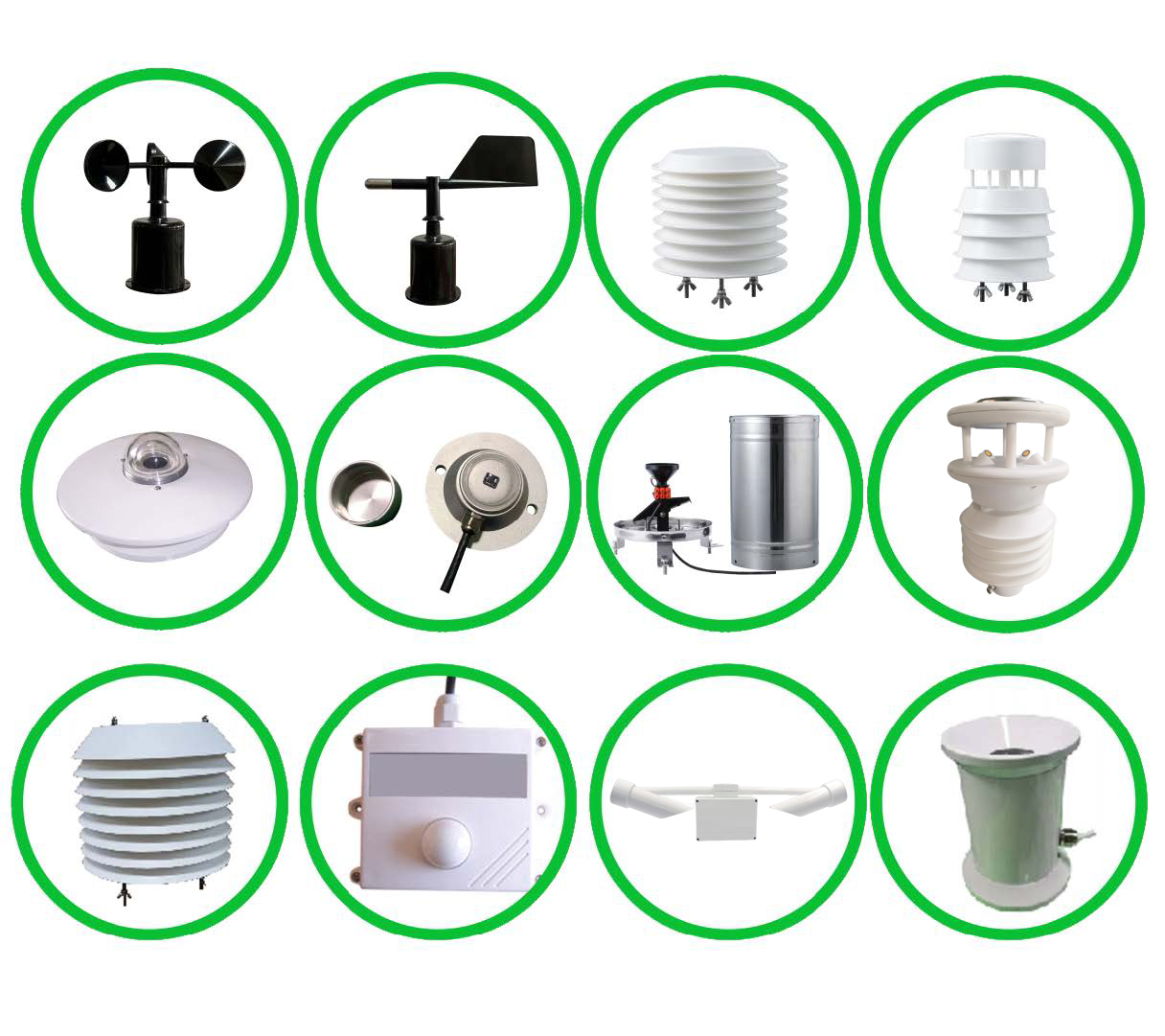
In regions with frequent cold and extreme weather, Snow sensors and Outside air temperature sensors have become core perception units in smart city traffic, bridge, and public infrastructure safety systems.
Through engineering-grade continuous monitoring and data integration, system integrators can achieve:
Real-time quantification of road and bridge safety
Analysis of ice-snow loads and freeze-thaw cycles
Optimization of smart traffic and emergency management decisions
NiuBoL's industrial-grade sensor solutions feature high reliability, standardized communication interfaces, bulk supply capabilities, and system integration support, suitable for long-term deployment in traffic monitoring, bridge safety, and extreme weather monitoring projects.
 NBL-W-SNOW-Ultrasonic-Snow-depth-sensor-Manual4.0.pdf
NBL-W-RSS-Rain-Snow-Sensor-instruction-manual.pdf
NBL-W-LBTH-Atmosphere-temperature-humidity-and-pressure-sensor-instruction-manual-V4.0.pdf
NBL-W-WHT-Wall-Mounted-Temperature-Humidity-Sensors-Instruction-Manual.pdf
Related recommendations
Sensors & Weather Stations Catalog
Agriculture Sensors and Weather Stations Catalog-NiuBoL.pdf
Weather Stations Catalog-NiuBoL.pdf
Agriculture Sensors Catalog-NiuBoL.pdf
Water Quality Sensor Catalog-NiuBoL.pdf
Related products
 Combined air temperature and relative humidity sensor
 TDR Soil Moisture & Temperature Sensor for irrigation| RS485 |4-20mA| NBL-S-THR
 Soil pH sensor RS485 soil Testing instrument soil ph meter for agriculture |NBL-S-PH
 Wind Speed sensor Output Modbus/RS485/Analog/0-5V/4-20mA
 Tipping bucket rain gauge for weather monitoring auto rainfall sensor RS485/Outdoor/stainless steel
 Pyranometer Solar Radiation Sensor 4-20mA/RS485

Screenshot, WhatsApp to identify the QR code
WhatsApp number:+8615367865107
(Click on WhatsApp to copy and add friends)

