





— Blogs —
—Products—
 Consumer hotline +8618073152920
 WhatsApp:+8615367865107
Address:Room 102, District D, Houhu Industrial Park, Yuelu District, Changsha City, Hunan Province, China
Product knowledge
Time:2026-01-25 18:27:17 Popularity:652
In the early days of the PV industry, module soiling was largely regarded as an “O&M phase issue.” However, in today’s large-scale ground-mounted power plants, centralized projects, and high-standard EPC engineering, module soiling has evolved into a performance liability issue.
When actual generation consistently deviates from design models, system integrators and EPC contractors first face not “how to clean,” but rather:
Low PR — how to assign responsibility?
Generation losses — should they be attributed to the system or the environment?
Cleaning strategy — is it supported by data?
It is precisely in this engineering context that industrial-grade Soiling Sensor PV has gradually moved from an “optional configuration” to appearing in the technical specification lists of more and more projects.
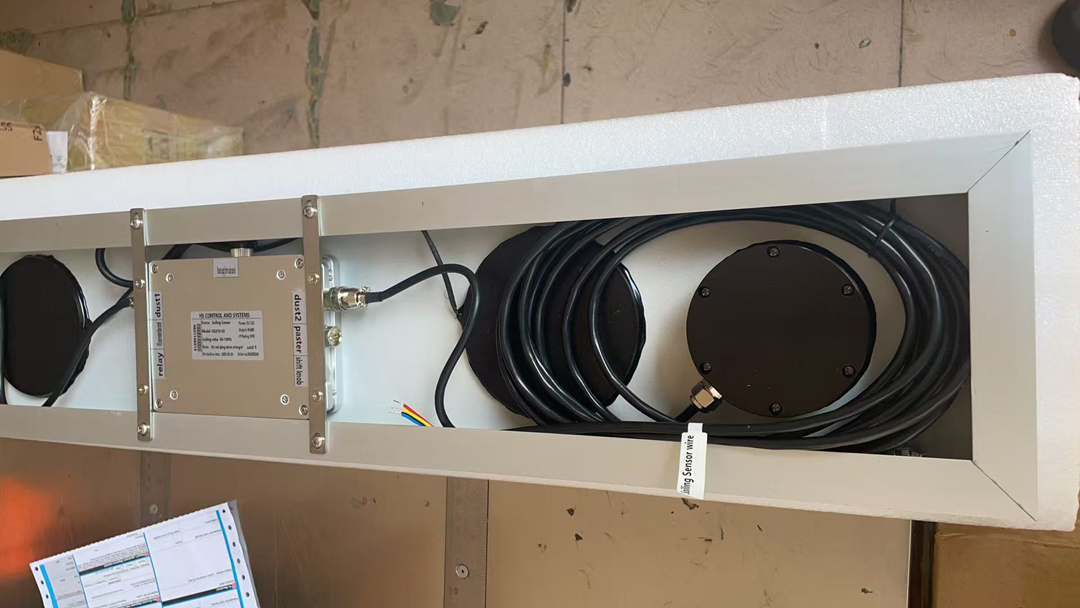
Pollutants on module glass surfaces come from extremely diverse sources, including sand, dust, industrial particulates, salt spray, biological deposits, etc. These do not occur suddenly but accumulate continuously and slowly, reducing transmittance.
Engineering challenges include:
Soiling losses are highly coupled with irradiance fluctuations
Generation drops are often misattributed to system efficiency issues
Lack of direct quantitative indicators
Without Soiling Sensors, soiling losses are typically estimated only indirectly or empirically, which carries extremely high risk in the following scenarios:
EPC performance acceptance phase
Long-term PR evaluation and guarantees
O&M cost reasonableness audits
The core role of Soiling Sensors is to transform “invisible environmental factors” into “quantifiable, traceable data items.”
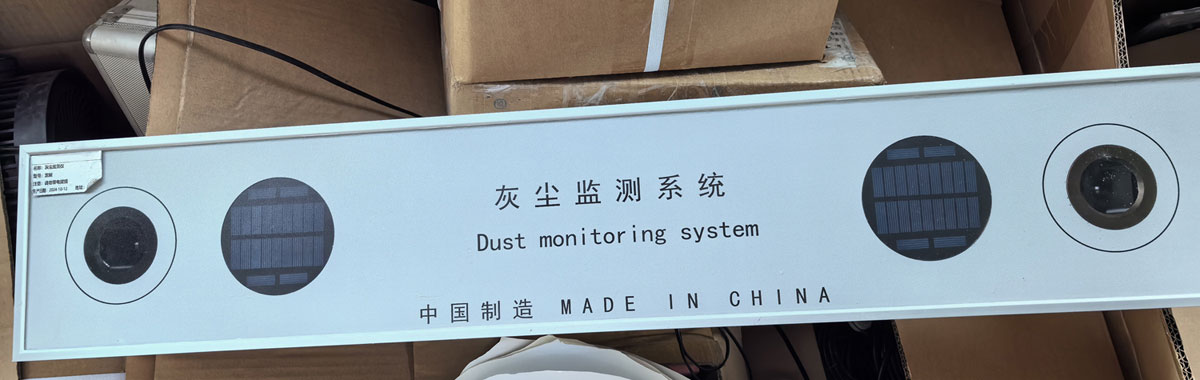
In professional PV engineering, data from any single sensor is insufficient to support serious performance analysis.
From the perspective of PR calculation and performance attribution, changes in system output power mainly stem from three categories of environmental variables:
Actual solar irradiance input
Module temperature-induced electrical performance degradation
Optical losses due to module surface soiling
Therefore, a truly deliverable and auditable solution must involve multi-parameter coordinated monitoring:
Soiling Sensor: Quantifies soiling losses
Solar Radiation Sensor: Provides true irradiance baseline
PV Module Temperature Sensor: Corrects temperature degradation effects
These three data types together form the minimum closed loop for PV performance analysis.
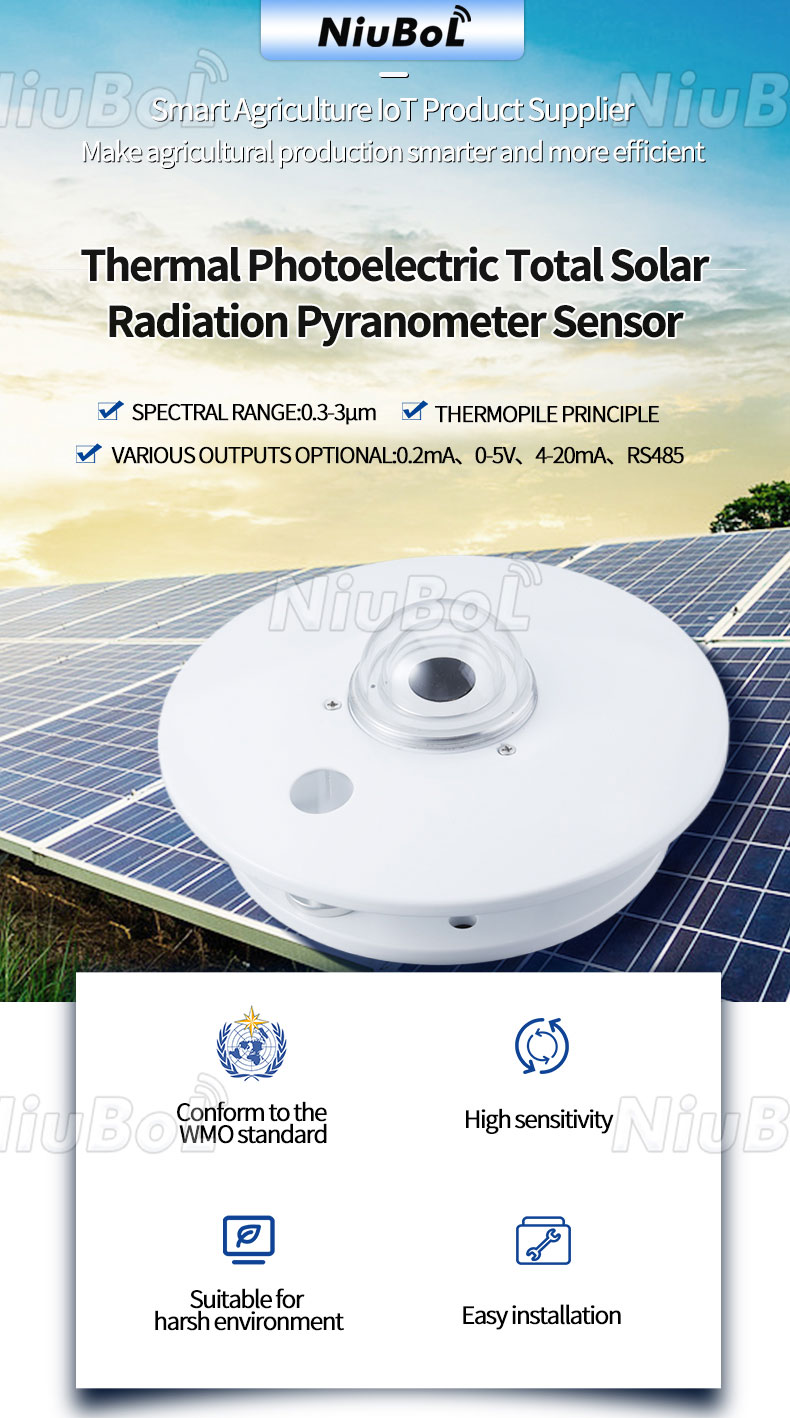
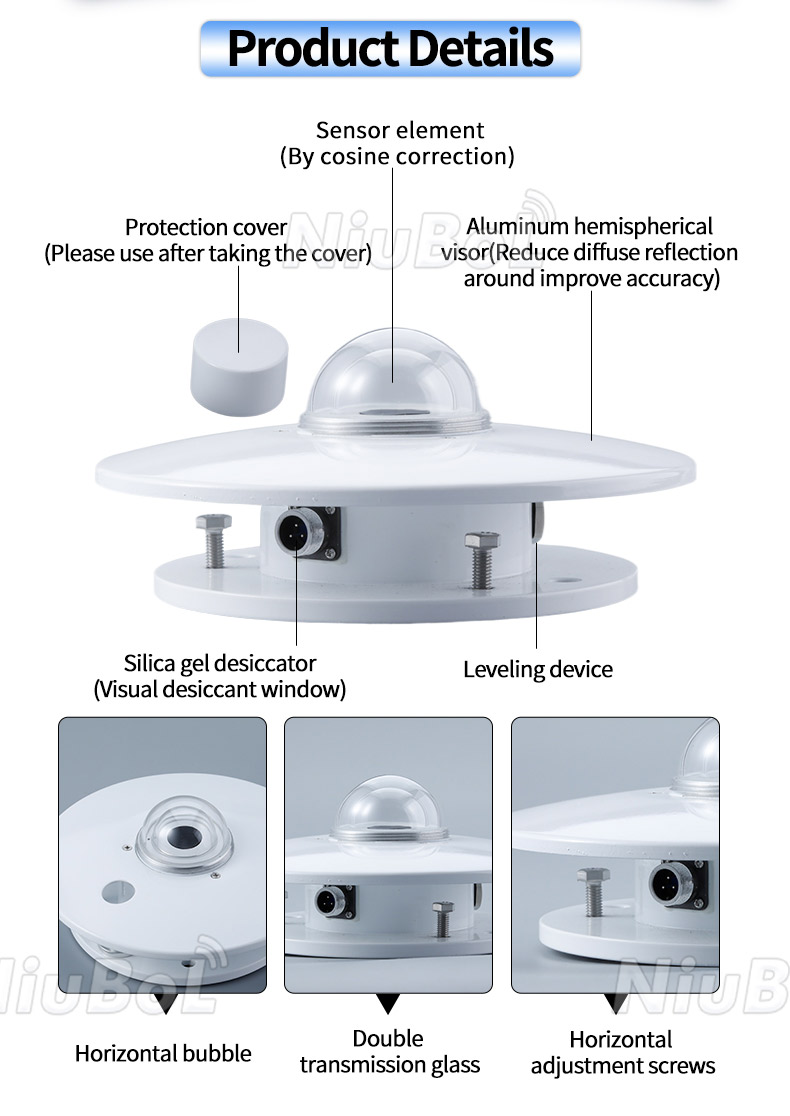
In many projects, irradiance data still comes from models or third-party meteorological sources, which inherently carries uncertainty in engineering delivery and dispute scenarios.
The NBL-W-HPRS solar global radiation sensor uses the thermopile sensing principle to measure on-site solar radiation energy.
Key technical parameters:
Spectral range: 0.3–3 μm
Measurement range: 0–2000 W/m²
Sensitivity: 7–14 μV/(W·m⁻²)
Response time: ≤35 seconds (99%)
Annual stability: ≤±2%
Non-linearity: ≤2%
Double-layer glass dome design suppresses air convection and infrared interference, ensuring long-term measurement stability.
Practical significance for system integrators:
Provides auditable irradiance input data
Reduces dependence on modeled irradiance
Offers a reliable baseline for PR calculation
In actual operation, module backsheet temperature is typically significantly higher than ambient temperature. Using air temperature instead of module temperature directly leads to output model deviation.
The NBL-W-PPT uses high-precision thermistors, designed for long-term outdoor deployment.
Technical parameters:
Measurement range: -50~100 ℃
Accuracy: ±0.5 ℃
Output: 4–20 mA / 0–2.5 V / 0–5 V / RS485
High anti-interference, suitable for long-distance transmission
Engineering application value:
Precisely corrects power deviation caused by temperature
Improves credibility of PR calculation
Assists in identifying local anomalies or heat dissipation issues
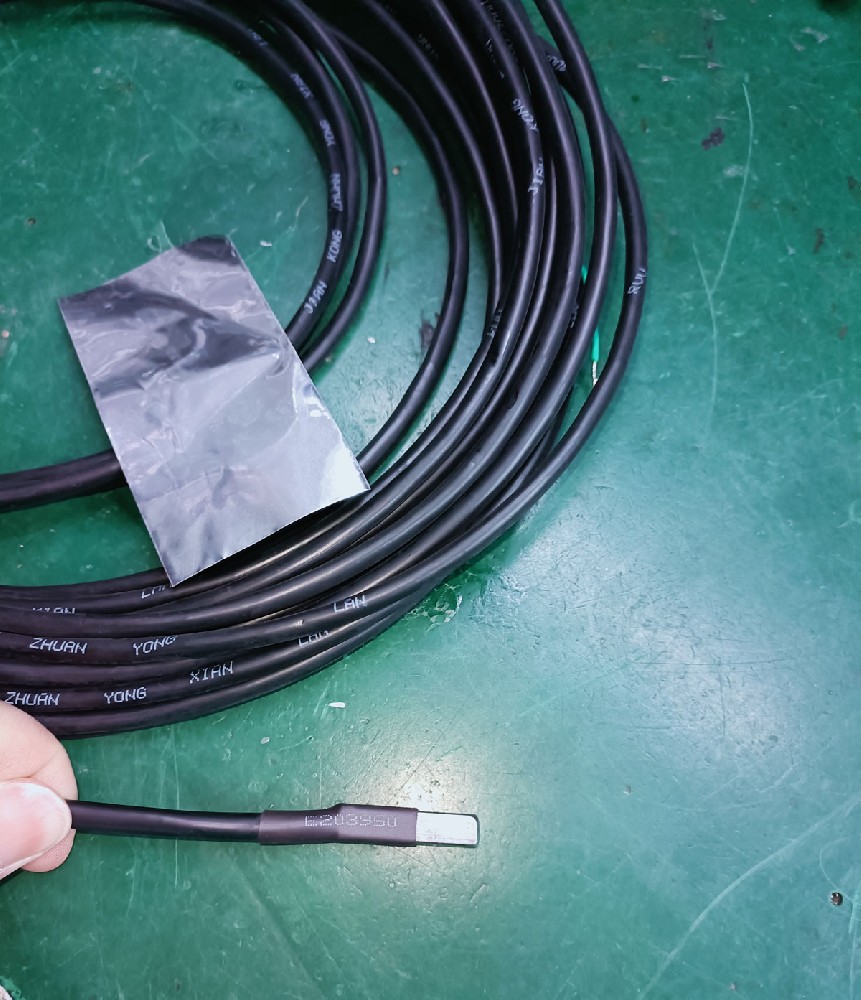
The NBL-W-PSS employs blue-light pollutant optical closed-loop measurement technology, installed at the module frame position to continuously monitor the soiling ratio (SR) on the glass surface.
Technical parameters:
Power supply voltage: DC 12 V
Communication: RS485
Protocol: Modbus
Average power consumption: 1 W
Soiling ratio measurement accuracy:
±1% (90–100%)
±3% (80–90%)
±5% (50–80%)
The system maps soiling ratio in real time to corresponding generation losses, providing a quantitative basis for cleaning strategies.
1. Engineering Liability Level
Clearly distinguishes system losses from environmental losses
Supports performance acceptance and PR interpretation
Reduces dispute risk
2. O&M Decision Level
Determines cleaning critical points
Avoids over- or under-cleaning
Controls long-term O&M costs
3. System Integration Level
RS485 + Modbus for easy integration
Compatible with mainstream data loggers and SCADA
Suitable for large-scale deployment
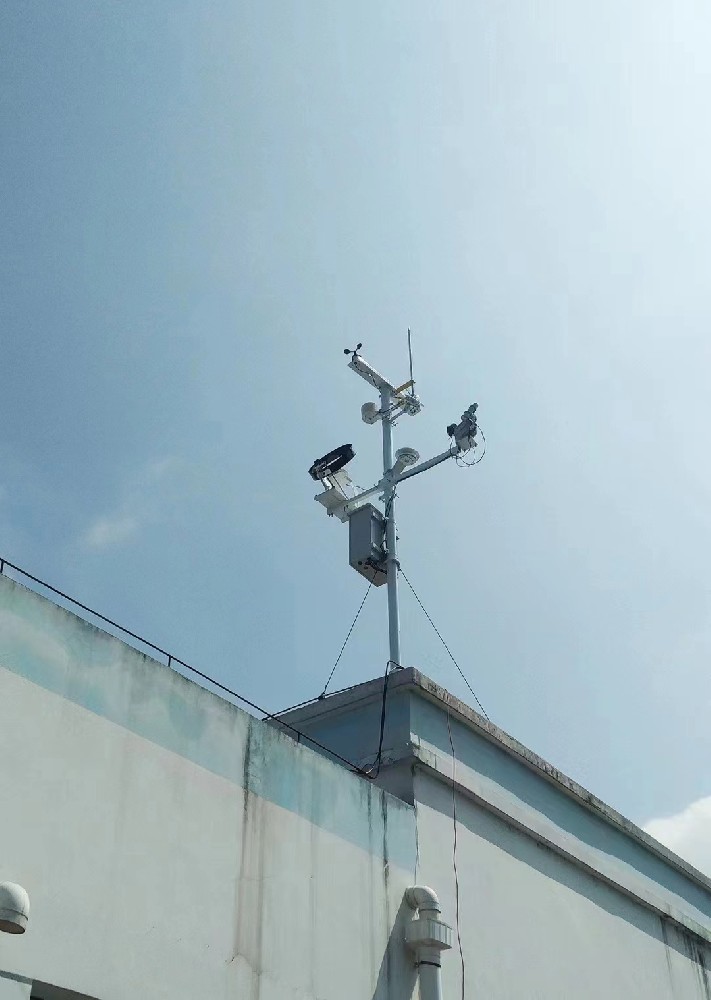
System integrators should focus on the following during scheme design:
Whether communication protocols are unified
Whether long-term unattended operation is supported
Whether data can be directly used for PR calculation
Whether OEM and project customization are supported
Whether suitable for multi-project replication
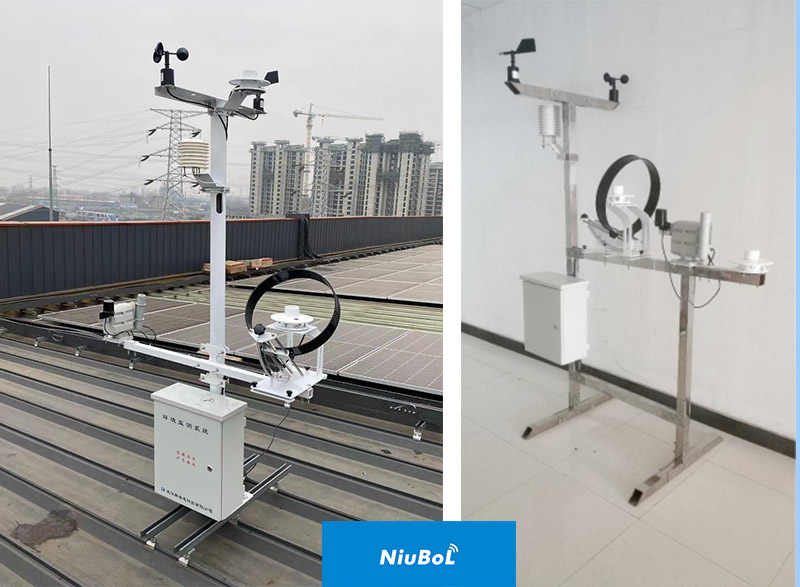
As a manufacturer, NiuBoL can provide engineering clients with:
OEM / private branding
Output form and cable customization
Protocol and system adaptation
Project-level bulk supply
This helps integrators build standardized, replicable technical systems.
1. Is Soiling Sensor a mandatory device?
In high-standard EPC and PR-constrained projects, it is nearly mandatory.
2. How many should be deployed in one plant?
Typically deployed in representative areas; large plants may use multi-point deployment.
3. Is it suitable for retrofit of existing plants?
Yes, no structural modification required.
4. Does it require maintenance or calibration?
No, cleaned synchronously with modules.
5. Does it support third-party platforms?
Yes, supports standard Modbus protocol.
6. How does the data reflect return on investment?
Through reducing ineffective cleaning and minimizing irrecoverable generation losses.
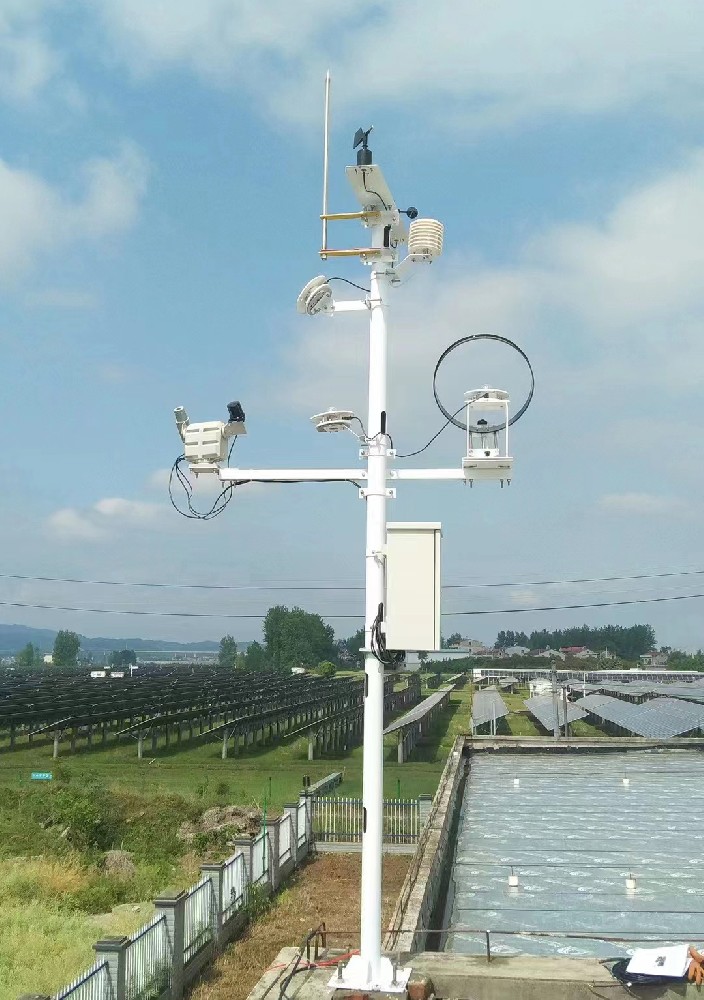
In modern PV projects, the value of Soiling Sensor PV has upgraded from a “monitoring device” to a “performance liability and O&M decision tool.”
When combined with solar global radiation sensors and PV module temperature sensors to form a complete closed loop, system integrators can truly deliver:
Quantifiable, auditable, and replicable PV O&M and performance management solutions.
If you are seeking industrial-grade, customizable, easily integrable environmental sensor solutions for EPC or large-scale PV projects, NiuBoL can serve as a long-term stable manufacturing and technical partner.
 NBL-W-HPRS-Solar-Radiation-Sensor-Instruction-Manual-V3.0.pdf
NBL-W-SRS-Solar-radiation-sensor-instruction-manual-V4.0.pdf
NBL-W-PPT-SMD-Solar-Panel-Temperature-Sensors.pdf
NBL-W-PSS Soiling Sensor Photovoltaic Dust Monitoring Instrument Data Sheet.pdf
Related recommendations
Sensors & Weather Stations Catalog
Agriculture Sensors and Weather Stations Catalog-NiuBoL.pdf
Weather Stations Catalog-NiuBoL.pdf
Agriculture Sensors Catalog-NiuBoL.pdf
Water Quality Sensor Catalog-NiuBoL.pdf
Related products
 Combined air temperature and relative humidity sensor
 TDR Soil Moisture & Temperature Sensor for irrigation| RS485 |4-20mA| NBL-S-THR
 Soil pH sensor RS485 soil Testing instrument soil ph meter for agriculture |NBL-S-PH
 Wind Speed sensor Output Modbus/RS485/Analog/0-5V/4-20mA
 Tipping bucket rain gauge for weather monitoring auto rainfall sensor RS485/Outdoor/stainless steel
 Pyranometer Solar Radiation Sensor 4-20mA/RS485

Screenshot, WhatsApp to identify the QR code
WhatsApp number:+8615367865107
(Click on WhatsApp to copy and add friends)

