





— Blogs —
—Products—
 Consumer hotline +8618073152920
 WhatsApp:+8615367865107
Address:Room 102, District D, Houhu Industrial Park, Yuelu District, Changsha City, Hunan Province, China
Product knowledge
Time:2026-01-25 18:20:01 Popularity:729
In large-scale ground-mounted PV power plants and distributed PV projects, soiling on module surfaces has become one of the major non-technical loss factors affecting generation performance. According to IEA-PVPS reports and IEC 61724-1 standards, global average soiling losses range from 3%–7%, and up to 15%–25% or more in arid regions. For EPC general contractors, O&M operators, and system integrators, real-time monitoring of Soiling Ratio (SR, soiling ratio) combined with solar global radiation (GHI/POA), PV module temperature, and other parameters has become the core means to determine scientific cleaning cycles, reduce LCOE (levelized cost of electricity), and improve Performance Ratio (PR).
As a manufacturer of Soiling sensor PV and PV environmental monitoring sensors, NiuBoL provides integrated solutions including the NBL-W-PSS Soiling Sensor, NBL-W-HPRS solar global radiation sensor, and NBL-W-PPT PV module temperature sensor. These products feature industrial-grade design and support Modbus RTU protocol for easy integration into PV SCADA systems or plant monitoring platforms, enabling data-driven O&M decisions. This article, from the perspective of system integration, details Soiling sensor selection, Soiling Ratio quantification, integration practices, project applications, and bulk supply advantages to help PV project teams build efficient and reliable PV power plant O&M integration solutions.
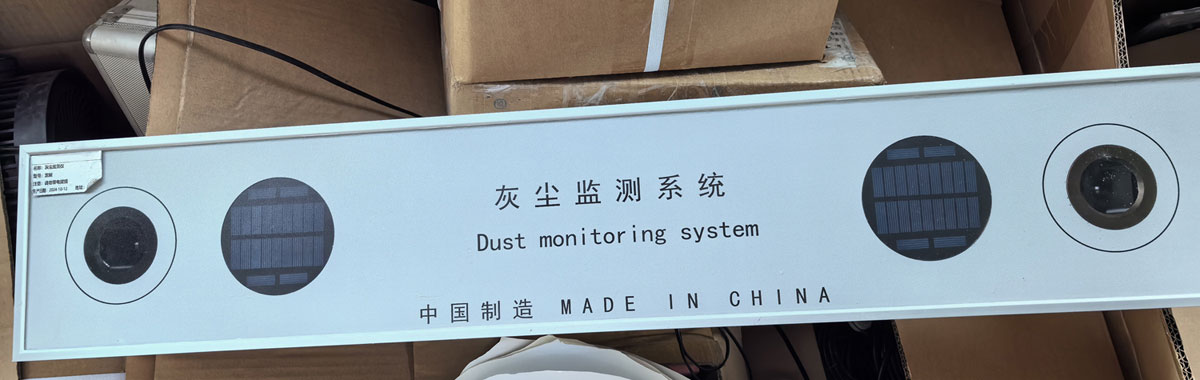
Accumulation of dust, bird droppings, pollen, industrial dust, and other pollutants on PV module glass surfaces significantly reduces light transmittance, leading to decreased effective irradiance. Soiling losses are quantified by Soiling Ratio (SR):
SR = (Actual output power / Expected output power under clean condition)
or more precisely (per IEC 61724-1):
SR = (Soiled module short-circuit current / Clean reference module short-circuit current) × temperature and irradiance correction factor
Soiling loss = 1 - SR
Typical Soiling sensor scenarios:
Arid/desert regions: Daily soiling rate 0.3%–0.5%/day, annual cumulative loss 15%–25%
Temperate/agricultural areas: Annual loss 3%–7%
Unoptimized cleaning: Additional generation loss 1%–4%
Deploying Soiling sensors combined with solar global radiation sensors (for irradiance correction) and PV module temperature sensors (for temperature coefficient correction) enables accurate quantification of soiling impact on PR, supports PVSyst modeling, and cleaning economic evaluation (generation loss value vs. water/labor cleaning cost), avoiding blind or delayed cleaning.
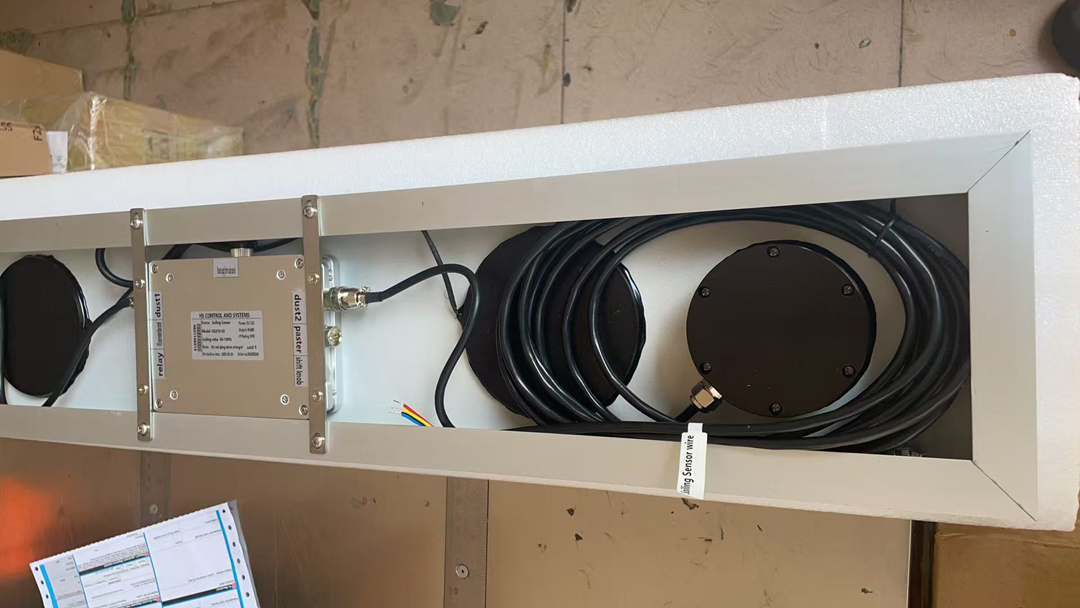
Adopts blue-light pollutant optical closed-loop measurement technology with dual-sensor design (clean reference + natural soiling), installed on the same plane frame as the PV array. Core advantage: Direct output of Soiling Ratio with minimal maintenance required.
| Parameter | Specification |
|---|---|
| Power Supply Voltage | DC 12V |
| Signal Output | RS485 |
| Communication Protocol | Standard MODBUS protocol, baud rate 9600 bps |
| Average Power Consumption | 1W |
| Soiling Ratio | Dual-sensor value 50%–100% |
| Soiling Measurement Accuracy | ±1% (90%–100% range) ±3% (80%–90% range) ±5% (50%–80% range) |
| Temperature Measurement (Optional) | -50℃~+100℃ |
| Temperature Measurement Accuracy | ±0.5℃ @25℃ |
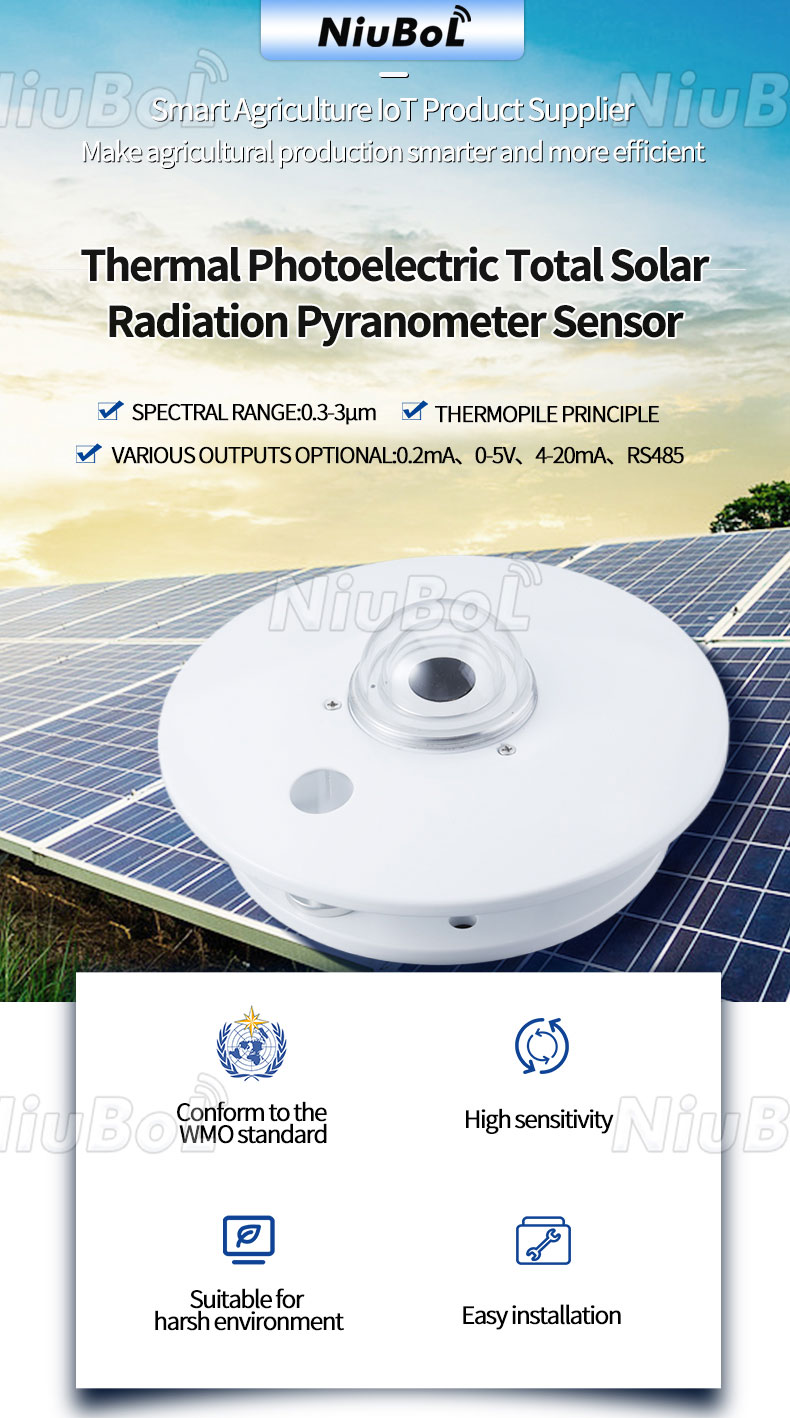
Based on thermopile principle, measures 0.3–3μm solar global radiation (GHI), supports reflected/diffuse radiation configuration, meets IEC 61724-1 high-precision irradiance monitoring requirements.
| Parameter | Specification |
|---|---|
| Sensitivity | 7~14 μV/(W·m⁻²) |
| Spectral Range | 0.3–3μm |
| Measurement Range | 0~2000 W/m² |
| Power Supply | DC 12V / DC 24V (other customizable) |
| Output Type | Current: 4~20mA Voltage: 0~5V RS485 (other customizable) |
| Cable Length | Standard: 2.5 m (other customizable) |
| Response Time | ≤35 seconds (99%) |
| Internal Resistance | Approx. 350Ω |
| Annual Stability | ≤±2% |
| Cosine Response | ≤7% (at solar zenith angle 10°) |
| Azimuth Response Error | ≤5% (at solar zenith angle 10°) |
| Temperature Characteristic | ±2% (-10℃~+40℃) |
| Operating Temperature | -40℃~+50℃ |
| Non-linearity | ≤2% |
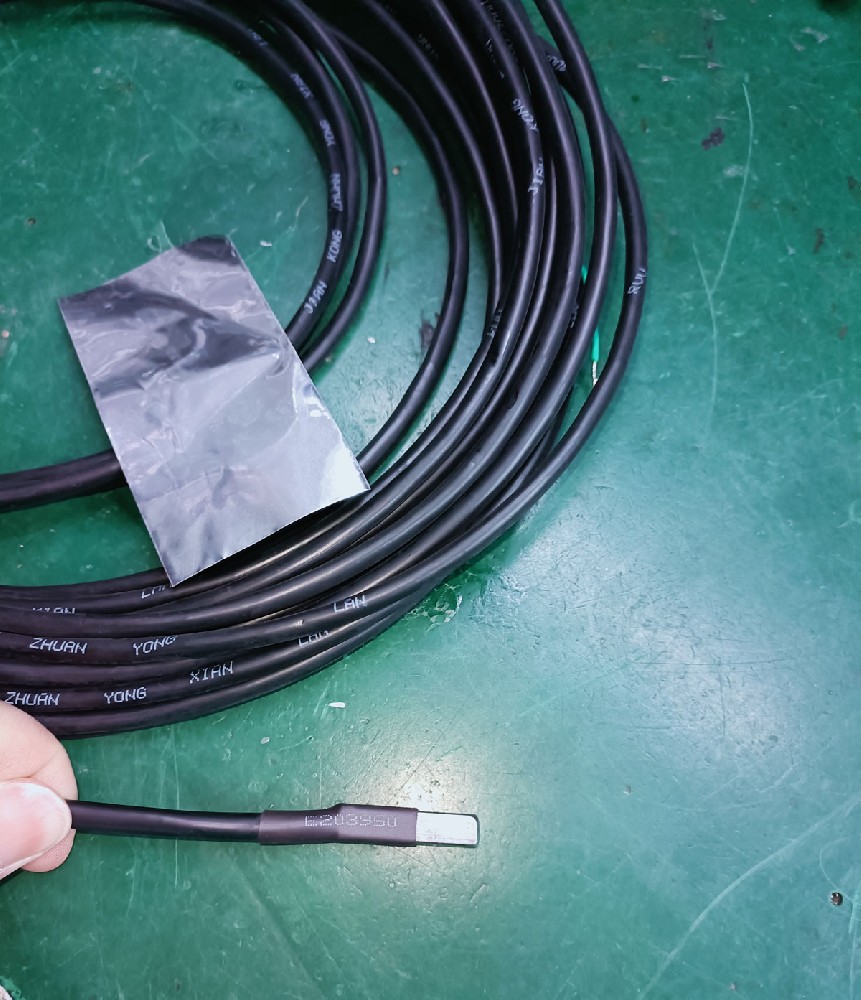
High-precision thermistor + signal transmitter, specially designed for PV module backsheet temperature monitoring, supports temperature coefficient correction.
| Parameter | Specification |
|---|---|
| Measurement Range | -50~+100℃ (optional -20~+50℃) |
| Accuracy | ±0.5℃ |
| Power Supply | DC 5V / DC 12V / DC 24V (other customizable) |
| Output Type | Current: 4~20mA Voltage: 0~2.5V / 0~5V RS485 (other customizable) |
| Cable Length | Standard: 5 m (other customizable) |
| Load Resistance | Voltage type: RL≥1KΩ Current type: RL≤250Ω |
| Operating Temperature | -50℃~+100℃ |
| Relative Humidity | 0~100% RH |
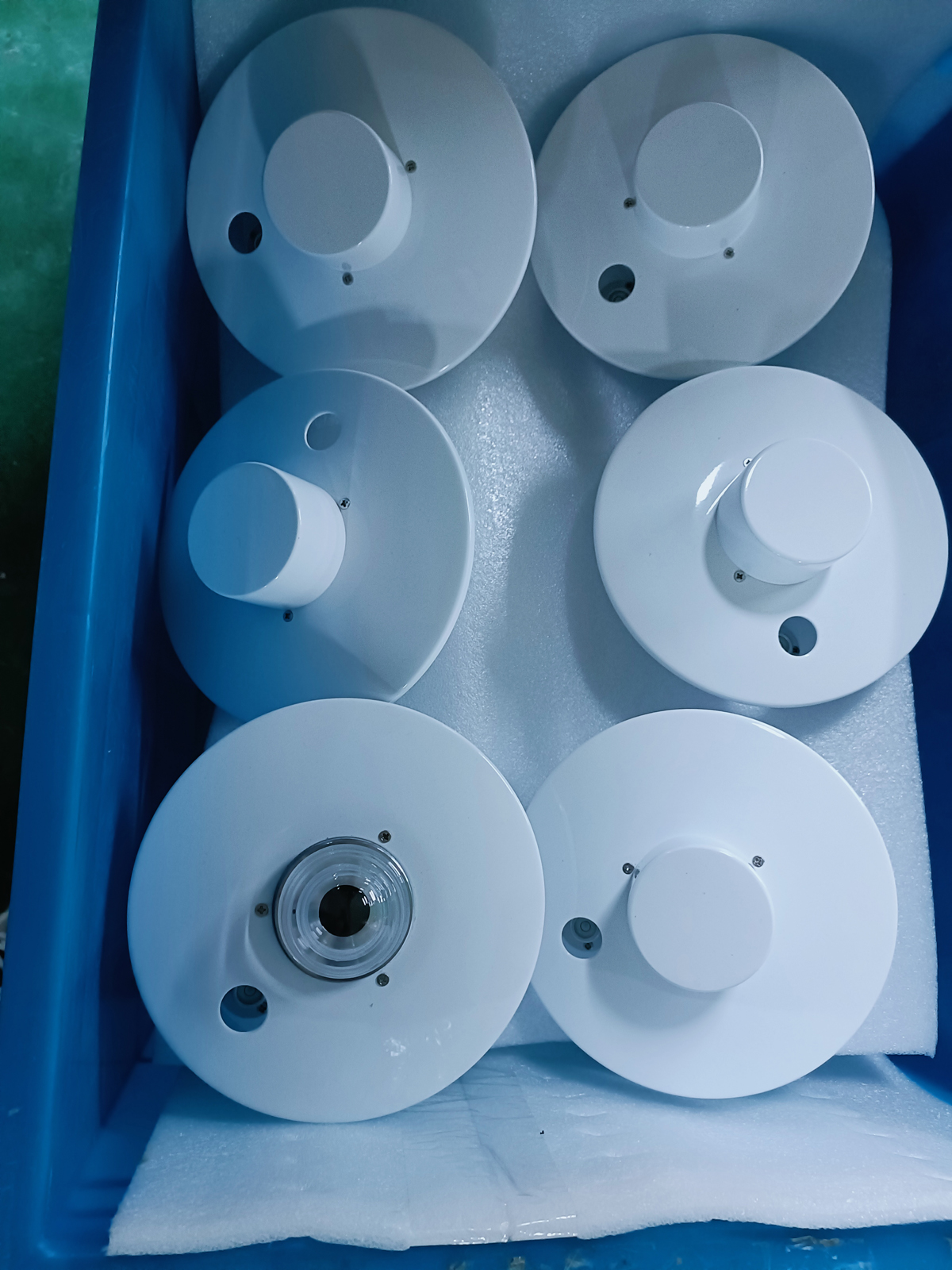
Large ground-mounted plant O&M optimization: Deploy Soiling sensors at representative arrays, integrate radiation/temperature data into SCADA, set SR thresholds (e.g., SR<92% alarm), dynamically optimize cleaning cycles, reducing ineffective cleaning by 20%–40%.
EPC performance guarantee and acceptance: Soiling data corrects PR, provides owners with more accurate generation forecasts, supports financing/insurance evaluation.
Distributed PV clusters: Multi-site data aggregated via LoRaWAN/4G to cloud platforms for regional Soiling heatmaps and intelligent scheduling.
High-soiling regions (e.g., Northwest desert): Model daily soiling rate, predict 14–35 day cleaning cycles, improve IRR.
NiuBoL sensors offer strong Modbus compatibility, easily interfacing with mainstream platforms such as Huawei FusionSolar and Sungrow SCADA, supporting PV power plant O&M integration solutions.
1. Monitoring objective: Primary Soiling Ratio quantification → NBL-W-PSS; need high-precision irradiance correction → NBL-W-HPRS; need temperature correction → NBL-W-PPT.
2. Interface compatibility: Prioritize RS485 Modbus RTU; analog output for legacy systems.
3. Environmental adaptation: -40℃~+50℃ (radiation) / -50℃~+100℃ (temperature/soiling), IP65+ protection.
4. Accuracy and standards: Soiling accuracy ±1%–±5%, radiation annual stability ≤±2%, compliant with IEC 61724-1 Class A/B.
5. Power consumption and supply: Low power (within 1W) suitable for solar-powered nodes.
6. Bulk and lead time: Tiered discounts from 100 units, standard products delivered in 4 weeks.
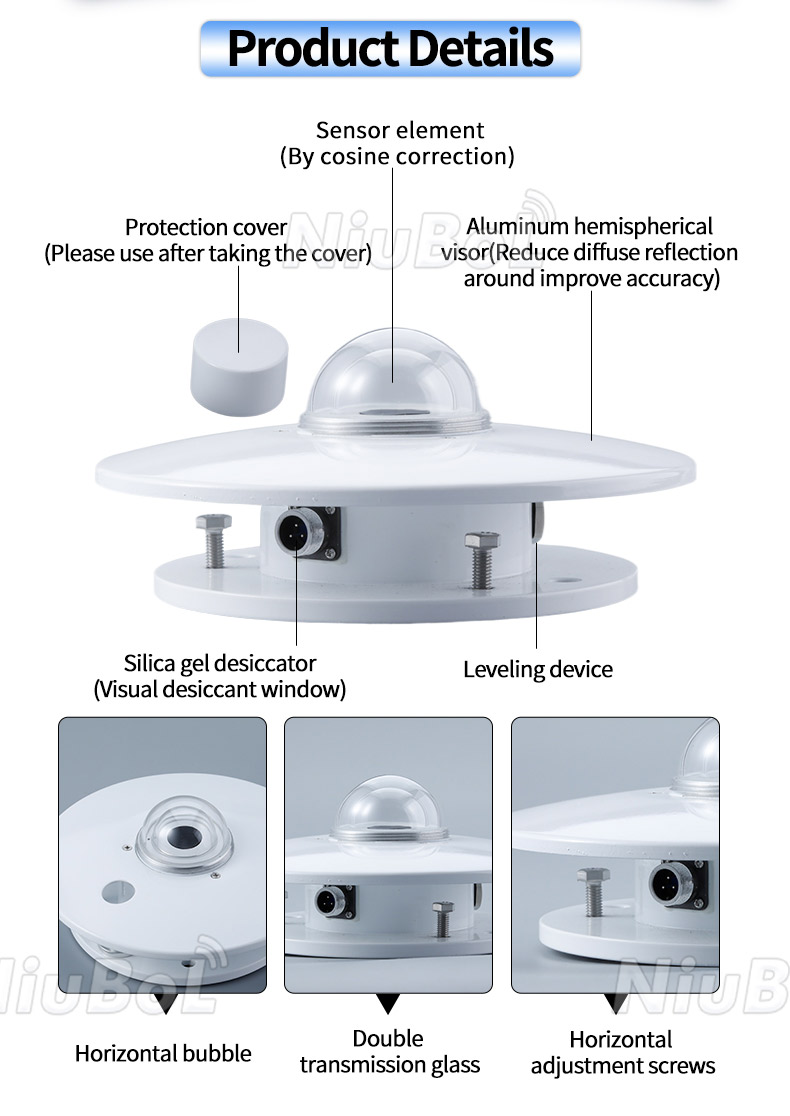
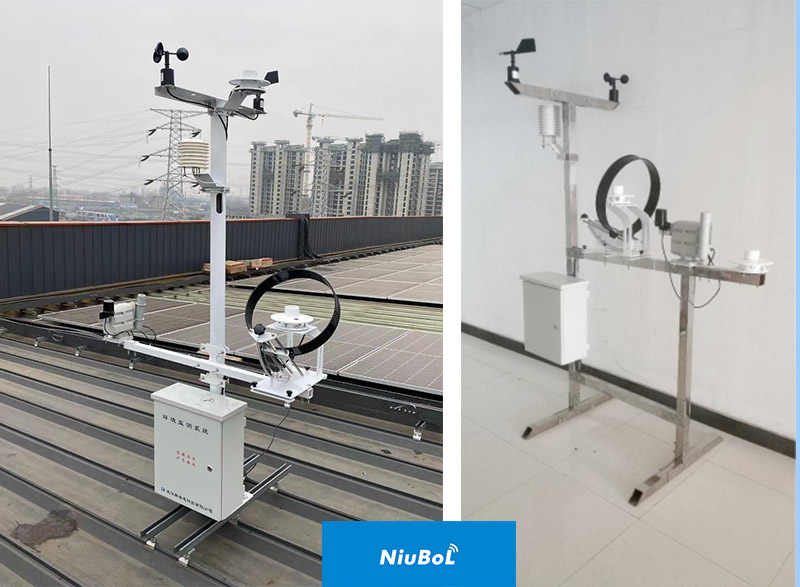
Installation: Soiling sensor at same array tilt/orientation; radiation sensor unobstructed; temperature sensor tightly attached to backsheet center.
Calibration: Initial comparison with clean reference, quarterly verification.
Communication: Shielded cable + surge protection, RS485 bus<1200 m.
Data fusion: SCADA implements SR + irradiance + temperature linkage, generates soiling loss reports.
Economic model: Daily calculate loss value (kWh loss × electricity price) vs. cleaning cost to determine thresholds.
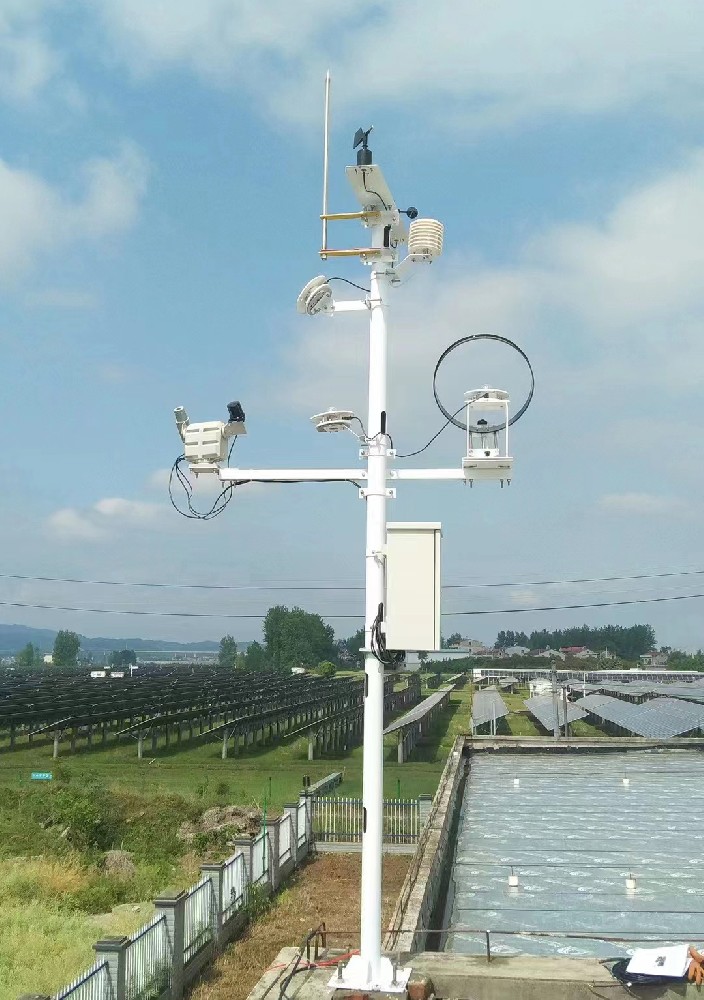
Supports OEM private labeling, interface expansion (LoRa/NB-IoT), integrated PV weather station (Soiling + radiation + temperature + wind speed + wind direction, etc.), minimum order 50 units, fast delivery, factory temperature-vibration/EMC testing.
Northwest 50MW plant: 20 sets of NBL-W-PSS + radiation sensors integrated into Huawei SCADA, dynamic cleaning cycle adjustment, annual gain ≈2.8%, water consumption reduced 35%.
Southeast Asia 100MW project: Full integration with cloud platform, PR improvement >1.5%.
Q1: How is Soiling Ratio calculated and used in PV power plant O&M?
A: SR = actual output / clean expected output (IEC 61724-1 definition), corrected with irradiance/temperature, directly estimates generation loss for cleaning decisions.
Q2: Advantages of NBL-W-PSS compared to traditional reference cell soiling stations?
A: No need for frequent reference cell cleaning, simple installation, segmented accuracy ±1%–±5%, suitable for large-scale deployment.
Q3: How to connect sensors to mainstream PV SCADA?
A: Standard Modbus RTU protocol, supports Huawei, Sungrow, Envision, etc.; SDK available.
Q4: Factors affecting bulk purchase price of Soiling sensor PV?
A: Quantity, temperature option, communication customization, warranty period; obvious discounts from 100 units.
Q5: How to optimize cleaning cycles based on Soiling data?
A: Set SR thresholds (92%–95%), combine with generation loss economic model (loss value vs. cleaning cost), dynamic 14–35 days.
Q6: How do Soiling, radiation, and temperature link in PV weather stations?
A: RS485 unified collection, SCADA fusion calculates PR correction, supports alarms, reports, API.
PV power plant O&M has shifted to data-driven mode. NiuBoL Soiling sensors, Solar radiation sensors, and PV module temperature sensors provide reliable industrial-grade solutions to help teams precisely quantify soiling losses, optimize PV power plant O&M (PV Soiling), and improve generation efficiency and economic returns.
Welcome PV project teams to contact NiuBoL engineering support: technical solution discussions, bulk quotes, and PV weather station customization. We look forward to collaborating to promote efficient development of the PV industry.
 NBL-W-HPRS-Solar-Radiation-Sensor-Instruction-Manual-V3.0.pdf
NBL-W-SRS-Solar-radiation-sensor-instruction-manual-V4.0.pdf
NBL-W-PPT-SMD-Solar-Panel-Temperature-Sensors.pdf
NBL-W-PSS Soiling Sensor Photovoltaic Dust Monitoring Instrument Data Sheet.pdf
Related recommendations
Sensors & Weather Stations Catalog
Agriculture Sensors and Weather Stations Catalog-NiuBoL.pdf
Weather Stations Catalog-NiuBoL.pdf
Agriculture Sensors Catalog-NiuBoL.pdf
Water Quality Sensor Catalog-NiuBoL.pdf
Related products
 Combined air temperature and relative humidity sensor
 TDR Soil Moisture & Temperature Sensor for irrigation| RS485 |4-20mA| NBL-S-THR
 Soil pH sensor RS485 soil Testing instrument soil ph meter for agriculture |NBL-S-PH
 Wind Speed sensor Output Modbus/RS485/Analog/0-5V/4-20mA
 Tipping bucket rain gauge for weather monitoring auto rainfall sensor RS485/Outdoor/stainless steel
 Pyranometer Solar Radiation Sensor 4-20mA/RS485

Screenshot, WhatsApp to identify the QR code
WhatsApp number:+8615367865107
(Click on WhatsApp to copy and add friends)

