





— Blogs —
—Products—
 Consumer hotline +8618073152920
 WhatsApp:+8615367865107
Address:Room 102, District D, Houhu Industrial Park, Yuelu District, Changsha City, Hunan Province, China
Product knowledge
Time:2026-03-25 11:11:29 Popularity:602
In the evolution of modern smart agriculture, the paradigm shift from “passive chemical control” to “active precise early warning” cannot be achieved without the underlying support of high-precision sensing equipment. The agricultural pest forecasting system (Pest Monitoring System), as the core of plant protection automation, its integration level directly determines the response speed and environmental cost of pest and disease control.
NiuBoL is committed to developing high-performance smart insect pest forecasting lamps and supporting monitoring systems. Through modern integrated light, electricity, and numerical control technology, it provides closed-loop pest perception and analysis decision support for agriculture, forestry, animal husbandry, and scientific research institutions.
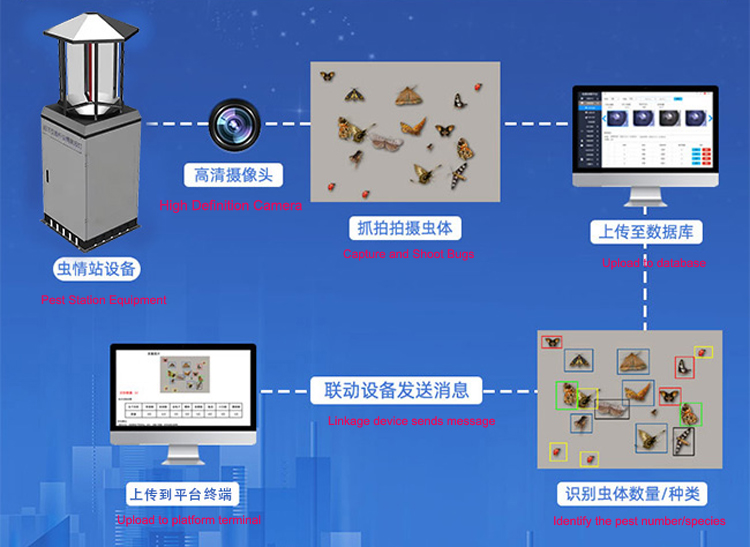
The NiuBoL smart pest forecasting system is not a simple insect trapping device, but a rigorous industrial automation processing flow. Its core logic is divided into the following four key stages:
1. Trapping and Environmental Perception (Induction Stage)
The system uses a black light lamp with a specific wavelength (main wavelength 365nm) as the insect-attracting light source, utilizing the phototaxis of pests for trapping.
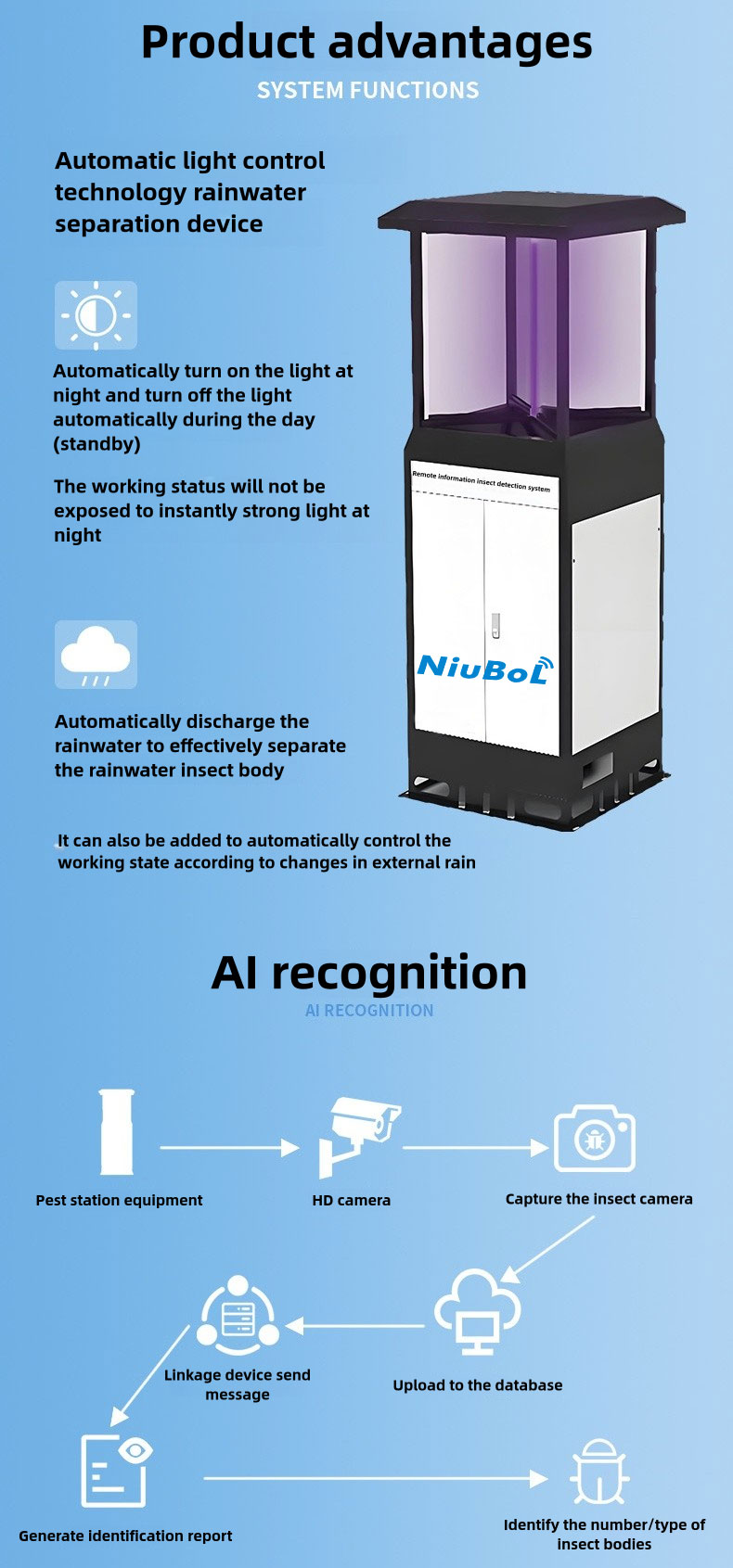
Light-controlled triggering: Built-in high-precision photosensitive sensor. When the ambient illuminance is ≤4lux for one consecutive minute, the system automatically closes the contact and enters working mode; otherwise, it enters standby mode to ensure optimal efficiency.
Rain-insect separation: Integrated rain-control sensor. When humidity ≥95% or rainfall is detected, the system automatically switches to drainage mode to prevent rainwater from entering the insect drop channel and maintain a dry internal environment.
2. Far-infrared Heat Treatment (Inactivation Stage)
Insects falling into the trapping port pass through the far-infrared treatment chamber.
High-temperature killing: Adopts 85±5°C far-infrared heating technology. Live pests are inactivated by high temperature within 3-5 minutes, with a mortality rate of no less than 98%.
Cyclic drying: The upper and lower double-layer far-infrared chambers work alternately, cooperating with automated movable doors to ensure that every insect body undergoes a complete drying cycle, preventing decay from affecting identification.
3. Image Acquisition and Flattening Transportation (Perception Stage)
This is the core advantage of the intelligent system.
Vibration flattening mechanism: Dried insect bodies are evenly spread on the conveyor belt through a vibration motor to avoid stacking.
High-definition imaging: Built-in 1200W high-definition industrial camera automatically triggers shooting when the conveyor belt transports the insect bodies to the designated area.
4. Data Transmission and AI Analysis (Decision Stage)
Image data is uploaded to the NiuBoL agricultural cloud platform via 4G/RJ45 and other network links. Plant protection personnel can perform remote manual verification or use AI algorithms for automatic classification and counting to generate trend reports.
For engineering integration requirements in procurement, the following table details the key technical parameters of the NiuBoL smart insect pest forecasting system:
| Technical Indicator | Specification Parameters | Remarks |
|---|---|---|
| Equipment Material | 304 stainless steel overall structure | Corrosion resistant, anti-aging |
| Working Power Supply | 220V AC / solar power supply system optional | Suitable for remote areas without electricity |
| Insect-attracting Light Source | 20W black light tube (main wavelength 365nm) | Wavelength can be customized according to target pests |
| Industrial Camera Pixels | 12 million pixels (1200W HD) | Industrial-grade photosensitive element |
| Mortality/Processing Rate | Mortality rate ≥98%; completion rate ≥95% | Far-infrared processing technology |
| Communication Interface | 4G / RJ45 Ethernet / GPS positioning | Supports cloud bidirectional control |
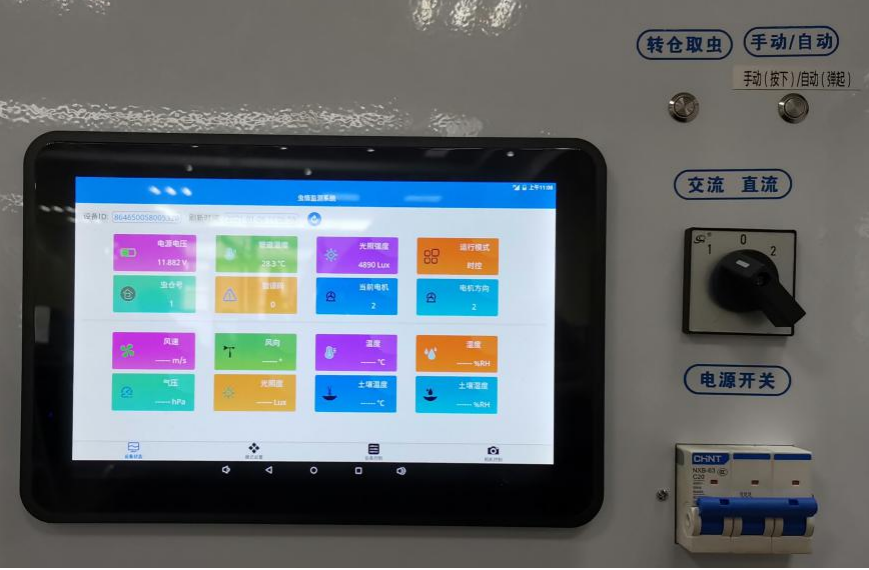
| Operating System | Android intelligent control system | 7-inch industrial touch screen interaction |
| Processing Temperature | 85±5°C (adjustable) | Double-layer far-infrared chamber structure |
| Image Transmission Speed | ≥ 1M/s | Ensures real-time upload of high-definition images |
1. All-weather Unattended Operation
The NiuBoL system integrates automatic trapping, insect killing, flattening, photographing, and transportation. Through multi-dimensional logic of light control, rain control, and time period control, the equipment can operate autonomously for a long time in the field, greatly reducing the intensity and frequency of manual inspections.
2. High-precision Image Acquisition and Recognition
Different from the traditional insect collection box mode, our system adopts a worm screw dispersion flattening mechanism. The vibration motor evenly spreads the insect bodies on the conveyor belt, ensuring that the morphological characteristics (wing veins, antennae, body color) of each pest can be clearly presented, laying a solid foundation for remote manual correction and AI model recognition.
3. Industrial-grade Environmental Adaptability
Lightning protection design: Built-in industrial-grade lightning protection module, effectively resisting lightning strike risks.
Large insect filtering: The insect trapping port is equipped with a physical filter to prevent large non-target insects (such as large moths and beetles) from entering the machine, avoiding interference with the identification accuracy of small-sized pests.
GPS anti-theft: The device has built-in positioning function, allowing real-time viewing of station dynamics on the cloud map with traceability capability in case of theft.
4. Seamless System Compatibility
The system supports pushing data to third-party agricultural management platforms via API interfaces, or integrating with NiuBoL’s weather stations and soil monitoring stations to build a comprehensive microclimate and disaster early warning matrix.
| Dimension | Traditional Manual Forecasting | NiuBoL Automated Monitoring System |
|---|---|---|
| Labor Input | Daily on-site counting, classification, and recording required | Unattended, only periodic remote viewing via APP |
| Real-time Performance | 24-48 hours delay | Second-level transmission, real-time early warning |
| Data Quality | Manual visual identification, high error rate | 1200W high-definition imaging + AI assistance, objective and accurate |
| Environmental Impact | Use of chemical agents for killing, easy to cause pollution | Pure physical far-infrared drying, green and environmentally friendly |
| Long-term Investment | Increasing labor costs every year | One-time hardware investment, service life of more than 5 years |
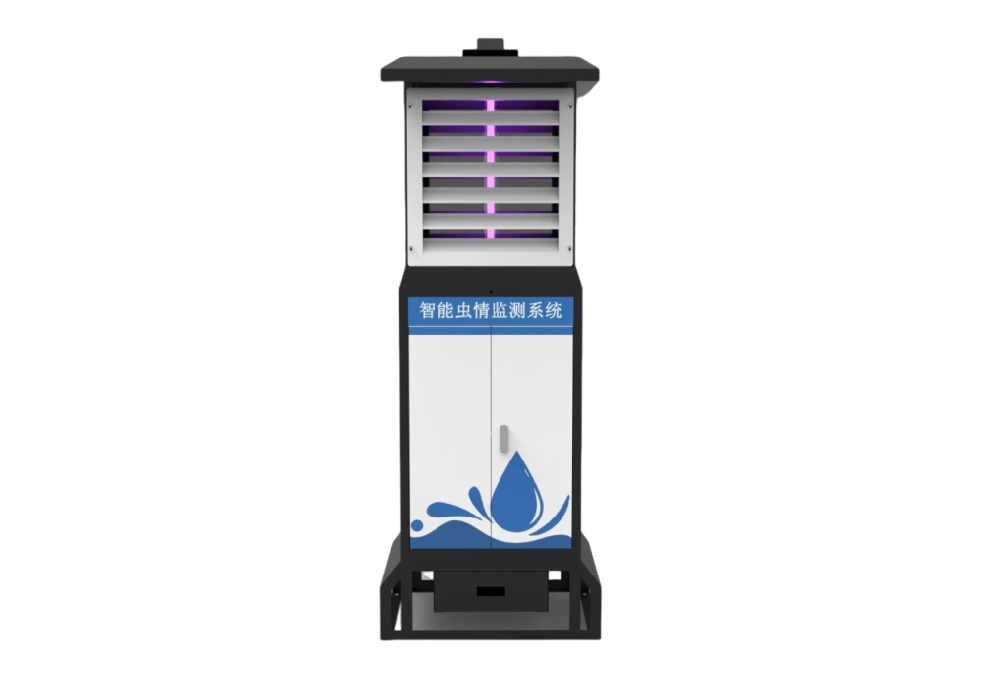
1. Smart Grain Fields and High-standard Farmland
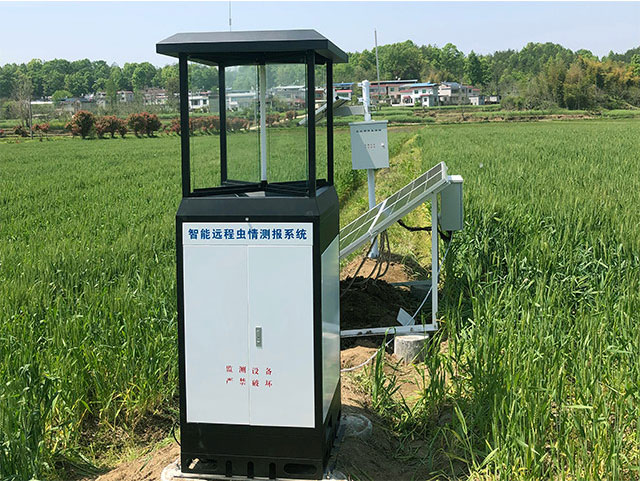
In thousands of acres of contiguous farmland, deploying the NiuBoL pest forecasting system allows managers to monitor the invasion dynamics of migratory pests (such as migratory locusts and fall armyworms) in real time at the command center, achieving precise pesticide application and reducing chemical pesticide usage by more than 30%.
2. Forestry Resources and National Park Protection
For major forestry pests and diseases such as pine wilt disease, the system can be deployed in remote mountainous areas. Combined with solar power supply and 4G transmission, it effectively solves monitoring difficulties caused by inconvenient transportation and power shortages.
3. High-value Economic Crop Areas (Tea Gardens/Orchards)
In tea and medicinal herb planting areas with extremely strict requirements on pesticide residues, the forecasting function of the NiuBoL system can guide producers to seize the best control window, using biological or physical control methods instead of chemical control to ensure high quality and safety of crops.

Q1: What are the advantages of far-infrared treatment compared to chemical treatment (such as pesticides)?
A: Far-infrared treatment is a pure physical process that not only quickly inactivates insect bodies but also keeps them dry and morphologically intact, which is beneficial for identification. Most importantly, it avoids secondary pollution of the monitoring environment by pesticides, protects the health of operation and maintenance personnel, and meets the requirements of green plant protection.
Q2: How to ensure the equipment is not damaged in thunderstorms?
A: NiuBoL equipment has multiple protections: first, the rain-control sensor closes the trapping system and opens the drainage channel upon detecting rainfall; second, the whole machine uses a 304 stainless steel frame and integrated high-performance lightning protection device to ensure circuit safety under high induced voltage.
Q3: Can the image acquisition frequency be customized?
A: Yes. Users can remotely set the working mode via PC or APP. The automatic shooting frequency can be adjusted arbitrarily between 10 minutes and 3 hours. In addition, the system supports remote manual instant shooting.
Q4: What are the power supply requirements of the system?
A: The system design takes into account the diversity of industrial sites. It supports 220V AC access in areas with mains power; in remote areas, we provide matching solar photovoltaic arrays and industrial battery packs to ensure normal data collection during continuous rainy days.
Q5: Does the data transmission protocol support private cloud deployment?
A: Yes. In addition to the NiuBoL official cloud platform, we also support standard industrial communication protocols based on MQTT or HTTP to help enterprise customers integrate data into their own ERP or smart agriculture big data platforms.
Q6: How does the flattening mechanism handle pests with large differences in body size?
A: The system is equipped with size-based insect identification filters to filter out non-target large insects. For target pests, high-frequency vibration motors combined with conveyor belt step control ensure that insect bodies do not overlap or compress in the photographing area, guaranteeing the effectiveness of image recognition.
Q7: What is the usual equipment maintenance cycle?
A: Due to the use of automated drainage and far-infrared drying technology, maintenance workload is extremely low. It is recommended to clean the insect collection box once per quarter (for non-automatic discharge versions) and check the brightness of the insect-attracting lamp tube, and wipe the camera lens once a year.
Q8: Does NiuBoL provide installation services and technical training?
A: We provide detailed installation instruction manuals and video tutorials. For large bidding projects or integrated solutions, we can provide on-site installation guidance and supporting plant protection system operation training.
Q9: How does the NiuBoL smart insect forecasting lamp handle interference from non-target objects (such as fallen leaves and dust) on photography?
A: Our system features multi-stage physical filtering structures at the insect drop port, and the conveyor belt has a micro-vibration cleaning function. On the image algorithm side, background modeling technology is used to automatically identify and filter background impurities, ensuring that the generated reports focus only on target pests.
Q10: If my project is distributed across multiple provinces, how does the cloud platform achieve centralized management?
A: The NiuBoL cloud platform supports multi-level decentralized management. The super administrator can view the distribution map and summary data of all stations, while regional operators can only manage devices within their jurisdiction. The system supports GIS map visualization, allowing one computer to oversee nationwide monitoring dynamics.
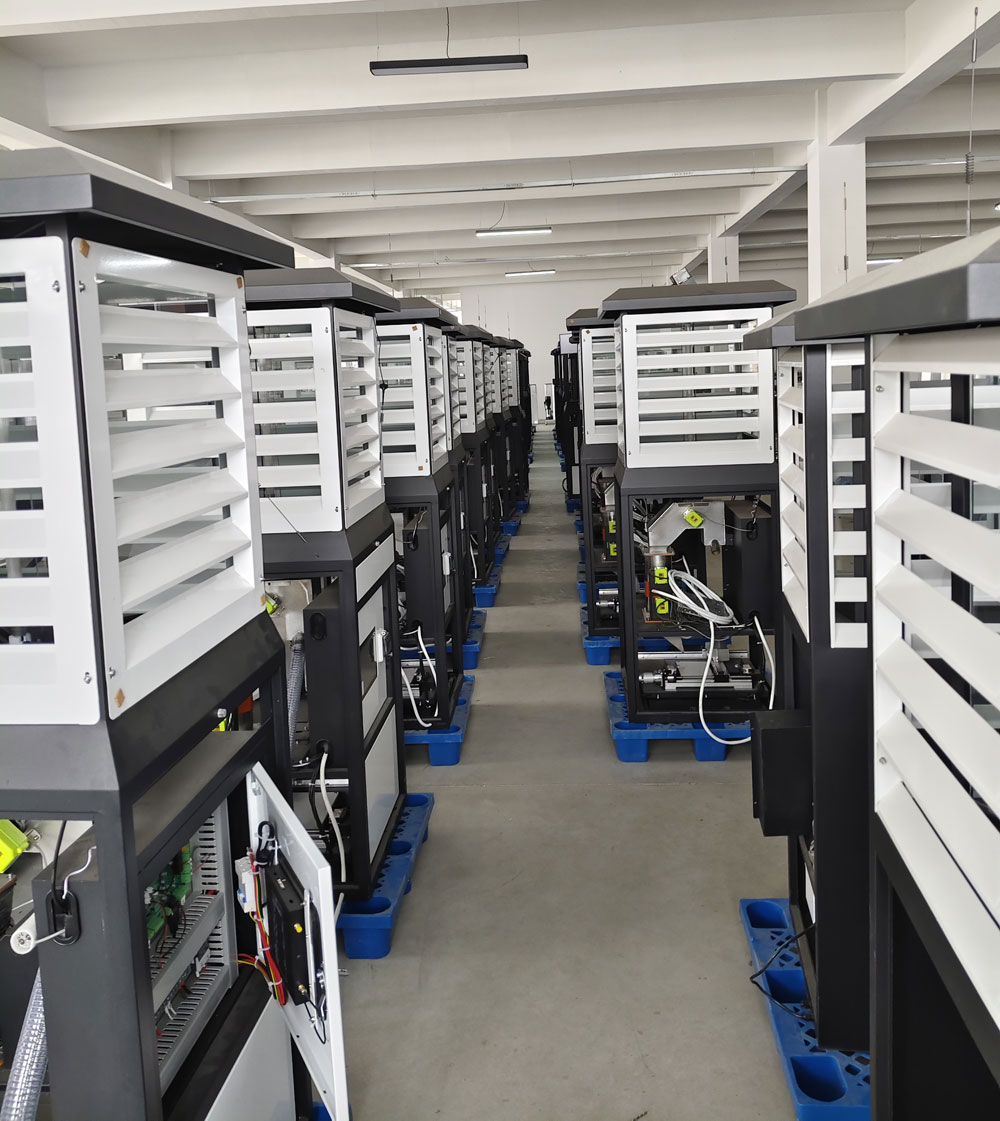
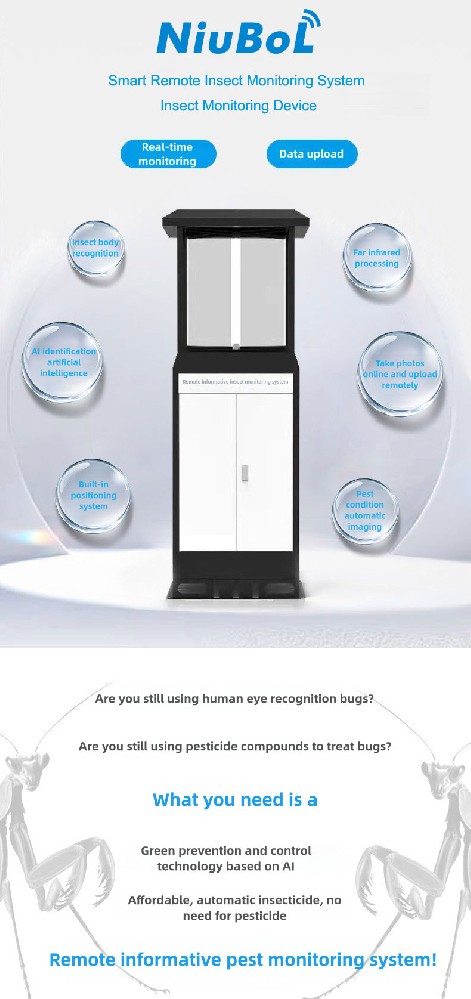
The agricultural pest forecasting system is the “outpost” for realizing agricultural modernization. With its robust physical architecture, innovative flattening and photographing mechanism, and highly compatible IoT platform, the NiuBoL smart insect pest forecasting instrument is becoming the preferred solution for agricultural integrators, forestry protection units, and scientific research institutions.
In the data-driven plant protection era, choosing NiuBoL means choosing higher data accuracy and lower operation and maintenance costs.
Follow-up Support:
If you need customized configuration quotations or system topology diagrams for specific projects (such as “high-standard farmland construction” or “forestry pest survey”), please contact our project engineers directly. We will provide professional advice.
 Intelligent Remote Insect Monitoring and Reporting System(Insect Monitoring Device) Data Sheet.pdf
Related recommendations
Sensors & Weather Stations Catalog
Agriculture Sensors and Weather Stations Catalog-NiuBoL.pdf
Weather Stations Catalog-NiuBoL.pdf
Agriculture Sensors Catalog-NiuBoL.pdf
Water Quality Sensor Catalog-NiuBoL.pdf
Related products
 Combined air temperature and relative humidity sensor
 TDR Soil Moisture & Temperature Sensor for irrigation| RS485 |4-20mA| NBL-S-THR
 Soil pH sensor RS485 soil Testing instrument soil ph meter for agriculture |NBL-S-PH
 Wind Speed sensor Output Modbus/RS485/Analog/0-5V/4-20mA
 Tipping bucket rain gauge for weather monitoring auto rainfall sensor RS485/Outdoor/stainless steel
 Pyranometer Solar Radiation Sensor 4-20mA/RS485

Screenshot, WhatsApp to identify the QR code
WhatsApp number:+8615367865107
(Click on WhatsApp to copy and add friends)

