





— Blogs —
—Products—
 Consumer hotline +8618073152920
 WhatsApp:+8615367865107
Address:Room 102, District D, Houhu Industrial Park, Yuelu District, Changsha City, Hunan Province, China
Product knowledge
Time:2025-12-10 11:45:32 Popularity:738
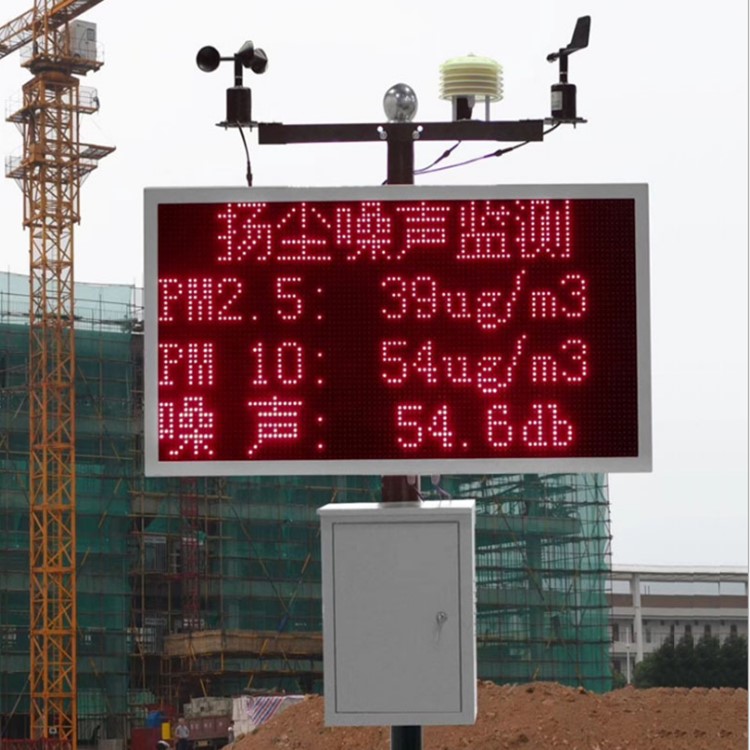
A smart city environmental monitoring system is a modern monitoring network that integrates intelligent sensor technology, Internet of Things (IoT) communication, and big data analytics. Its core function is to automatically, real-time, and continuously collect environmental parameters across urban areas without human intervention — including temperature, humidity, air pressure, air quality (PM2.5/PM10, CO₂), noise, wind speed/direction, and rainfall.
The system uploads data via wired or wireless networks to a designated data center, enabling fine-grained, visual management of the urban environment. It provides scientific and accurate decision-making support for city managers, environmental protection departments, and citizens. It is a crucial tool to fill spatial gaps in traditional monitoring stations and enhance urban environmental governance efficiency.
As a manufacturer with over a decade of expertise in intelligent sensors and environmental monitoring, NiuBoL’s solutions deliver the following core values:
High cost-effectiveness and reliability: High-performance, reasonably priced IoT products ensuring data accuracy and long-term system stability.
Comprehensive parameter coverage: From basic meteorological elements to critical environmental indicators (dust, CO₂, noise), achieving full perception of the urban environment.
Automation and integration: Fully automatic detection and data upload; all sensors and data loggers are highly integrated for easy deployment and maintenance.
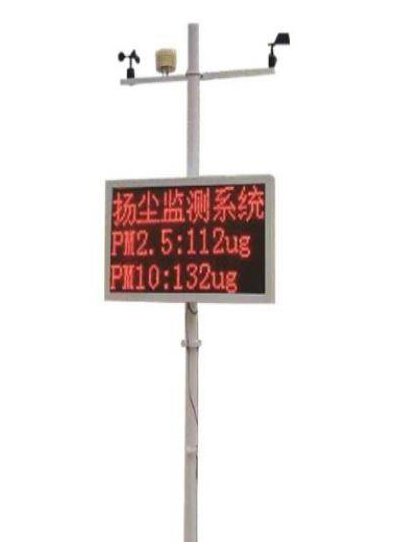
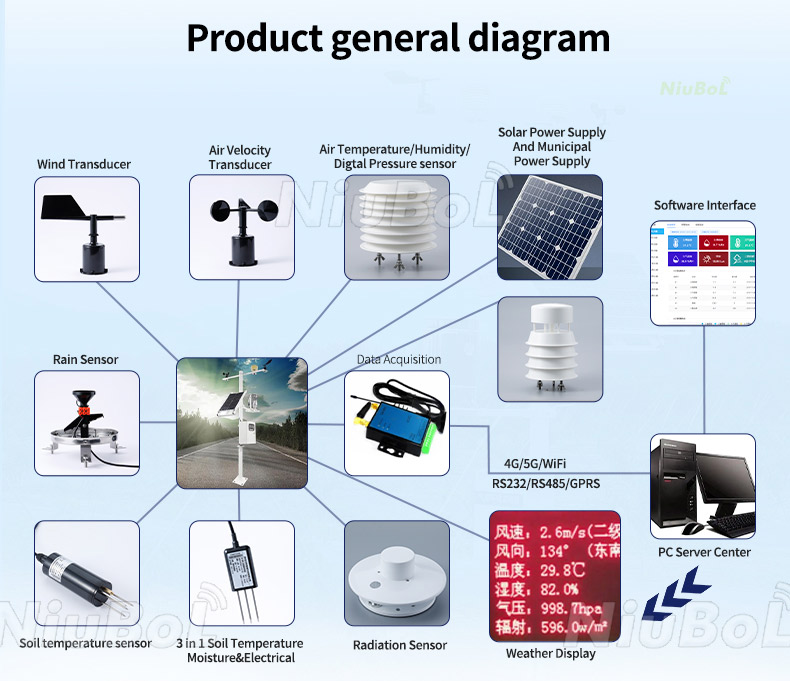
A complete NiuBoL automatic meteorological environmental monitoring system consists of the following components:
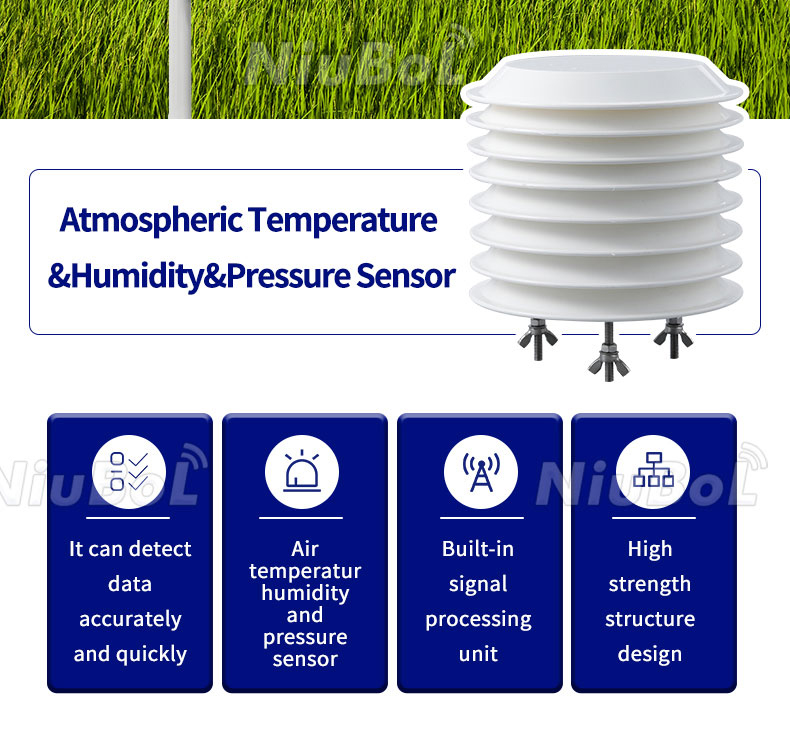
Meteorological/Environmental Sensors (Perception Layer): The system’s “eyes and ears” that convert physical quantities (e.g., temperature, wind speed) into electrical signals. Examples: atmospheric temperature-humidity-pressure sensor, noise sensor, dust sensor, wind speed/direction sensor, etc.
Intelligent Data Logger (Core Layer): The system’s “brain” that receives, processes, stores sensor signals, converts them into standard digital data, and performs preliminary validation and management.
Communication Module (Transmission Layer): Handles remote data transmission via GPRS/4G/5G, LoRa, or Ethernet, uploading data in real time to the cloud data center.
Power Supply System: Provides continuous power, typically using mains electricity or solar panels + battery combination, ensuring stable operation in field or off-grid environments.
Auxiliary Structures: Radiation shields (protect temperature/humidity sensors), protective enclosures (for logger and power), meteorological observation brackets (to mount all equipment).
| Sensor Name | NiuBoL Model | Core Measurement Principle | Key Features |
|---|---|---|---|
| Atmospheric Temp/Humidity/Pressure Sensor | NBL-W-LBTH | Capacitive/Resistive (Temp/Humidity), MEMS (Pressure) | Waterproof, UV-resistant, highly integrated |
| Dust Sensor | NBL-W-PM | Laser scattering principle | Detects ≥1.0μm particles, excellent consistency & stability |
| Carbon Dioxide Sensor | NBL-W-CO2 | Non-Dispersive Infrared (NDIR) | Built-in temperature compensation, no oxygen dependency, long lifespan |
| Rainfall Sensor | NBL-W-RS | Tipping-bucket mechanical principle | Converts rainfall into countable pulses, simple maintenance |
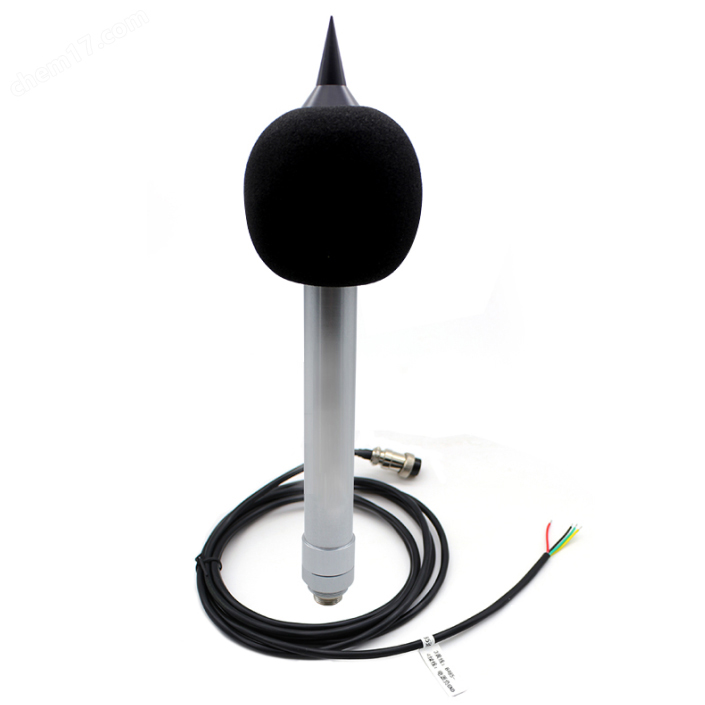
| Noise Sensor | NBL-W-NS | Digital Signal Processing (DSP)/Digital detection | High reliability, stability, wide frequency band |
Proper installation directly affects data accuracy and system lifespan.
Site selection principles: Choose open areas without obvious obstructions. Ensure wind speed/direction sensors have no obstacles within 10× obstacle height radius. Avoid tall buildings, trees, or strong electromagnetic interference sources.
Sensor heights:
• Atmospheric temp/humidity/pressure: 1.5–2.0 m (standard meteorological height)
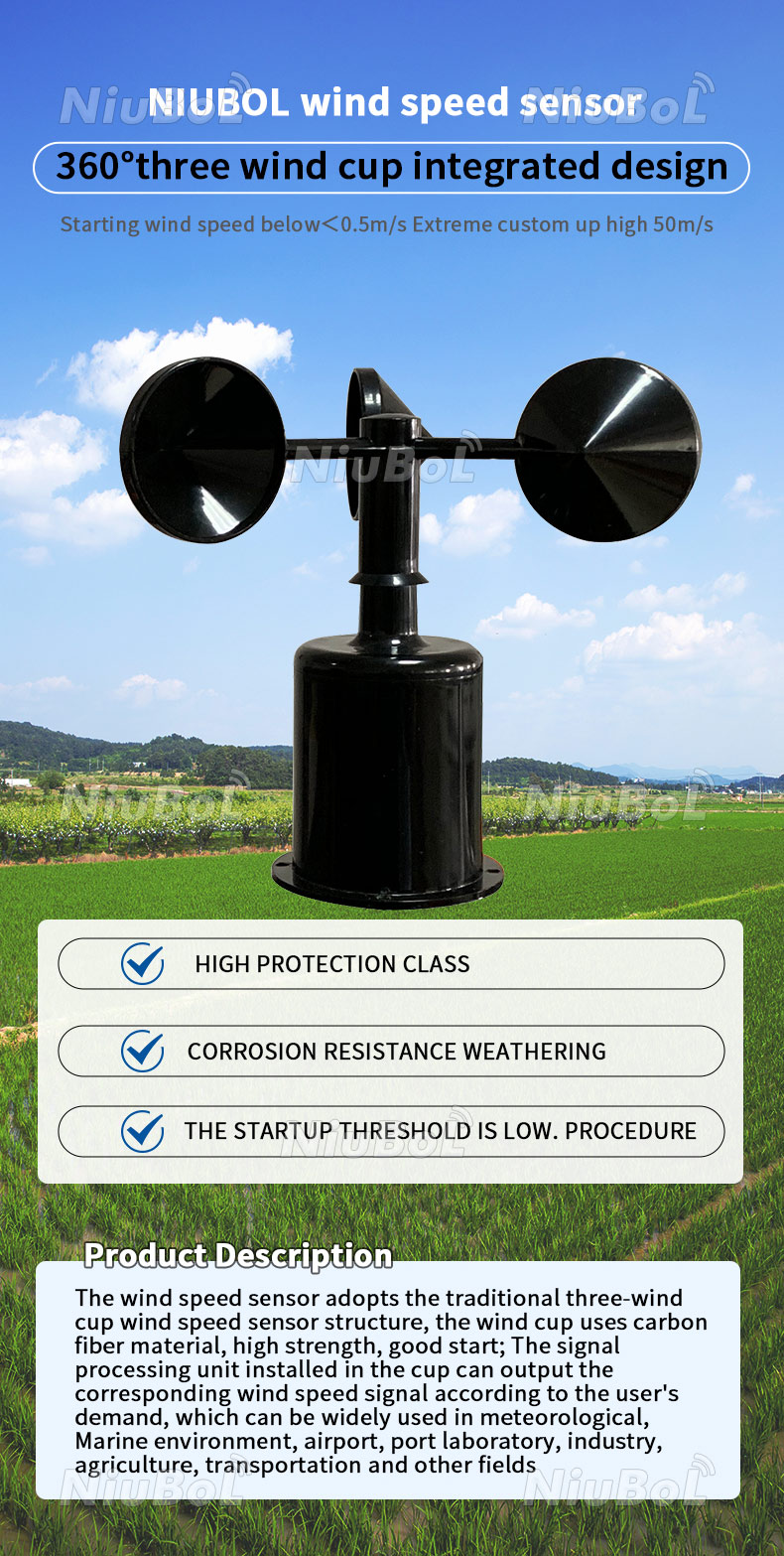
• Wind speed/direction: Standard 10 m (adjustable for specific applications, but actual height must be recorded)
• Rainfall sensor: Level ground with horizontal inlet
Power system: Solar panels face south-southwest (5°–10° offset), tilted according to local latitude for maximum sunlight capture.
Lightning protection: Tall meteorological masts must have reliable lightning grounding.
1. Erect bracket → Install meteorological observation mast securely according to site and height requirements.
2. Install logger & power → Mount data logger, communication module, and battery in protective enclosure at appropriate height.
3. Sensor installation → Place temp/humidity/pressure sensor inside radiation shield; mount wind sensors at mast top and level; place rain gauge on flat base and calibrate horizontally.
4. Wiring & connections → Connect sensors via aviation plugs or waterproof connectors; secure all exposed cables.
5. Commissioning & calibration → Power on, check logger indicators, configure upload parameters, time sync, and verify all data is collected and uploaded in real time.
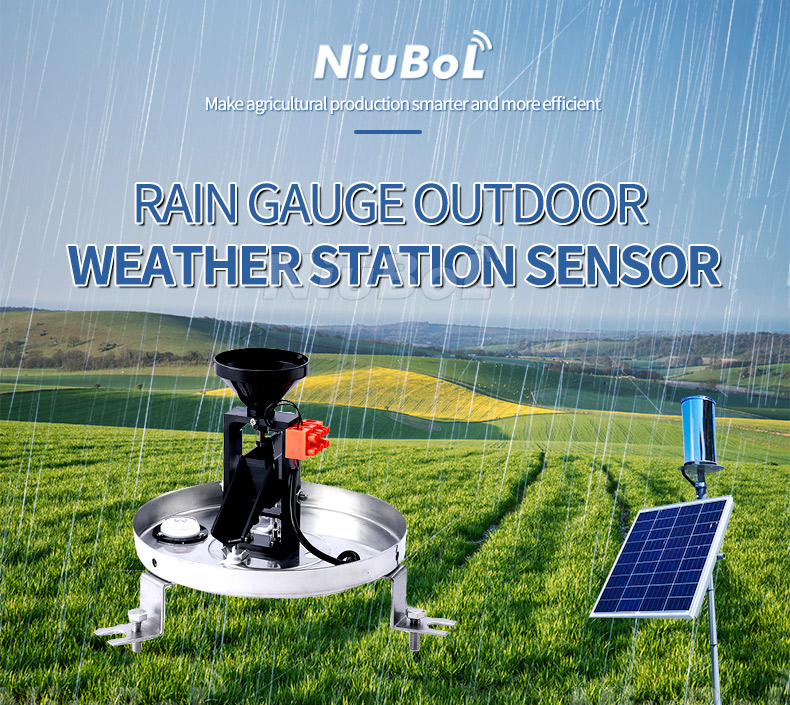
Smart Agriculture / Aquaculture: Monitor temperature, humidity, light, soil moisture, CO₂ for precise irrigation and ventilation control.
Photovoltaic / Wind Power Plants: Accurately measure wind speed/direction, solar radiation, and ambient temperature to optimize power generation forecasting and efficiency.
Smart City Environmental Management (Core): Deploy on streets, industrial parks, and residential areas to monitor PM/CO₂ and noise in real time, supporting pollution source tracing and enforcement.
Hydrological & Meteorological Stations: Monitor rainfall, wind, pressure in reservoirs and disaster-prone areas for flood control and water resource management.
Traffic Monitoring: Provide road weather data (fog, strong wind) for traffic safety.
| Monitoring Objective | Recommended Core Sensors | Key Considerations |
|---|---|---|
| Urban Air Quality Station | Dust (PM2.5/PM10), CO₂, Temp/Humidity/Pressure, Noise | Monitoring frequency, pollution source type, power & communication stability |
| Farmland Microclimate Station | Temp/Humidity/Pressure, Soil Moisture, Solar Radiation, Rainfall | Harsh environment resistance, data interval |
| Wind/PV Power Plant | Wind Speed/Direction, Solar Radiation, Temp/Humidity/Pressure | High precision, anti-interference, installation height |
| Construction/Community Noise Station | Noise Sensor, Dust Sensor | National standard certification, alarm thresholds |
Q: What is the data acquisition frequency of NiuBoL sensors?
A: Configurable — common intervals are 1 min, 5 min, or 1 hour. High-speed monitoring (e.g., wind gusts) can reach 1 second or faster.
Q: How does the system ensure stable and reliable data transmission?
A: Supports multiple wireless methods (GPRS/4G/5G/LoRa). The logger has local storage — data is saved during network outages and automatically retransmitted when connection resumes.
Q: Does the NDIR CO₂ sensor require calibration?
A: Built-in temperature compensation and auto-calibration algorithms maintain high accuracy throughout its lifespan. Professional calibration every 1–2 years is recommended.
Q: How does the tipping-bucket rain gauge ensure accuracy?
A: Accuracy depends on horizontal installation and regular cleaning of the inlet. NiuBoL uses high-precision buckets for superior performance.
Q: How long can the off-grid power system operate?
A: Designed based on local sunlight, sensor power consumption, and sampling frequency — typically supports 5–7 consecutive rainy days.
Q: What is the lifespan of the laser-scattering dust sensor?
A: Laser lifespan >8,000 hours. Actual life depends on environmental cleanliness.
Q: How to choose indoor vs. outdoor dust sensors?
A: Outdoor versions have higher protection (IP65/IP66) with rain shields and heating/dehumidification. Indoor versions prioritize high accuracy and low power.
Q: Do wind sensors need lightning protection?
A: Yes — especially at 10 m height. Professional lightning modules and reliable grounding are mandatory.
Q: How many sensors can one data logger support?
A: Depends on model — NiuBoL loggers typically support 16+ sensors via analog, digital, and RS485/Modbus interfaces.
Q: How to perform secondary development with the data?
A: Standard API and Modbus-RTU protocol enable seamless integration with city big data platforms, GIS, or mobile apps.
Q: What certifications does NiuBoL have?
A: CE, ISO9001, RoHS, and nationally recognized meteorological calibration certificates.
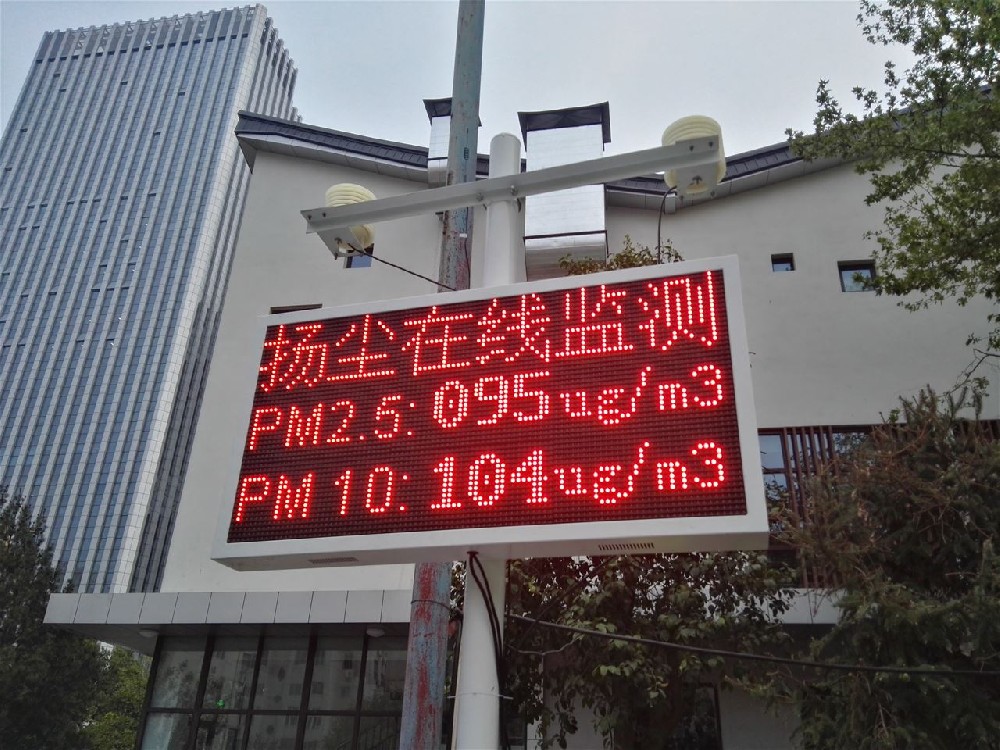
NiuBoL’s smart city environmental monitoring solutions, backed by mature intelligent sensor technology and highly integrated IoT systems, have become a cornerstone of refined urban environmental management and sustainable development. From micro-level air quality indicators to macro meteorological and hydrological parameters, NiuBoL’s comprehensive monitoring capabilities effectively fill gaps in traditional networks, providing timely, accurate, and reliable data support for smart city operations and decision-making.
In the future, with further advancements in 5G and AI, NiuBoL solutions will continue to evolve, delivering smarter early warnings, pollution source tracing, and environmental simulation — helping cities move toward a greener, healthier, and more livable future.
Do you have a specific urban monitoring project? Feel free to contact us anytime for customized solutions and detailed selection materials.
Prev:Soil Conductivity Sensor: The Key to Smart Agriculture and Environmental Monitoring
Next:Smart Transportation: Definition, Core Technologies & Road Weather Monitoring Analysis
Related recommendations
Sensors & Weather Stations Catalog
 Agriculture Sensors and Weather Stations Catalog-NiuBoL.pdf
Weather Stations Catalog-NiuBoL.pdf
Agriculture Sensors Catalog-NiuBoL.pdf
Water Quality Sensor Catalog-NiuBoL.pdf
Related products
 Combined air temperature and relative humidity sensor
 TDR Soil Moisture & Temperature Sensor for irrigation| RS485 |4-20mA| NBL-S-THR
 Soil pH sensor RS485 soil Testing instrument soil ph meter for agriculture |NBL-S-PH
 Wind Speed sensor Output Modbus/RS485/Analog/0-5V/4-20mA
 Tipping bucket rain gauge for weather monitoring auto rainfall sensor RS485/Outdoor/stainless steel
 Pyranometer Solar Radiation Sensor 4-20mA/RS485

Screenshot, WhatsApp to identify the QR code
WhatsApp number:+8615367865107
(Click on WhatsApp to copy and add friends)

