





— Blogs —
—Products—
 Consumer hotline +8618073152920
WhatsApp:+8615367865107
Address:Room 102, District D, Houhu Industrial Park, Yuelu District, Changsha City, Hunan Province, China
Product knowledge
Time:2025-11-24 16:35:39 Popularity:818
Quick Answer: Meteorological detection equipment measures atmospheric conditions such as temperature, humidity, pressure, wind and precipitation. The category includes handheld instruments, temporary field stations and permanent automatic installations. Choose the equipment by the observation you need: a survey reading, a campaign record or continuous site monitoring. Portability and the number of channels do not determine measurement quality on their own.
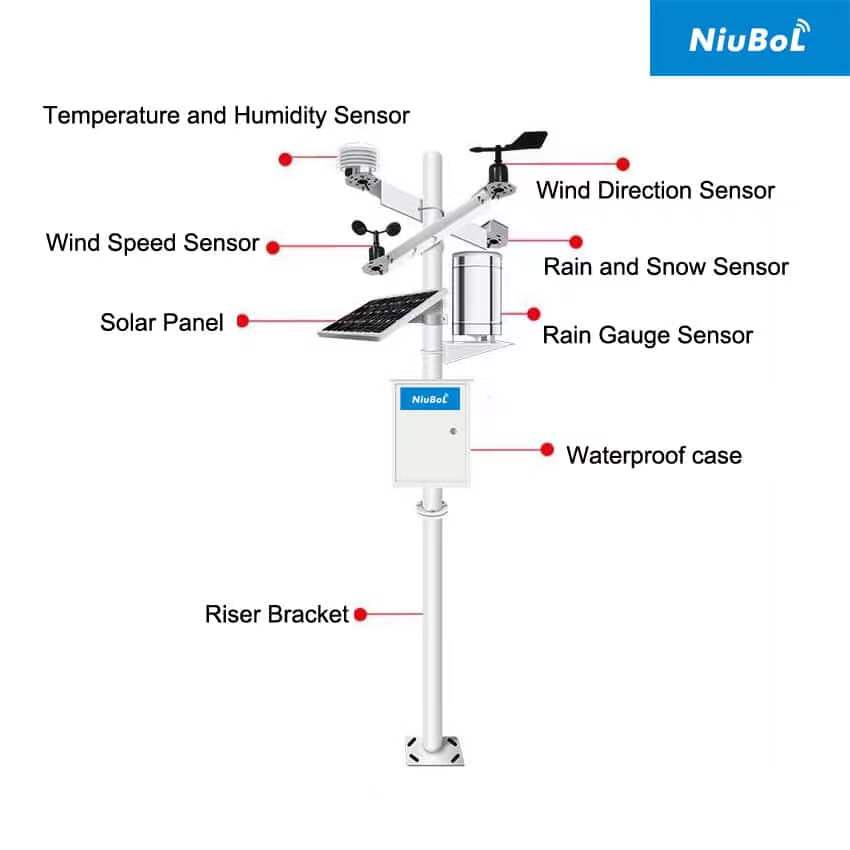
The term covers both individual instruments and systems that combine them. A wind sensor is a meteorological instrument; a mast with sensors, acquisition equipment and a power source is a monitoring installation. A weather dashboard displays observations but does not take the measurements itself.
The first useful distinction is between equipment that measures at its current position and a system that maintains a consistent observation site. Carrying an instrument between locations is appropriate for some surveys, while a continuous record needs stable exposure and identifiable changes to the installation.
| Equipment format | Observation task and limitation |
|---|---|
| Handheld weather instrument | Attended inspections and short surveys; readings depend on operator position and exposure |
| Portable field station | A temporary campaign at a recorded location; still needs secure mounting, power and exposure checks |
| Compact integrated sensor | Several channels in one head; channel options and common mounting height require review |
| Modular automatic station | Permanent or semi-permanent observation with separate sensor positions; needs a complete installation and service plan |
These formats overlap. A portable station may use an integrated head, while a permanent installation may use the same sensing principle on a fixed mast. Separate the physical format from the measurement method before comparing quotations.
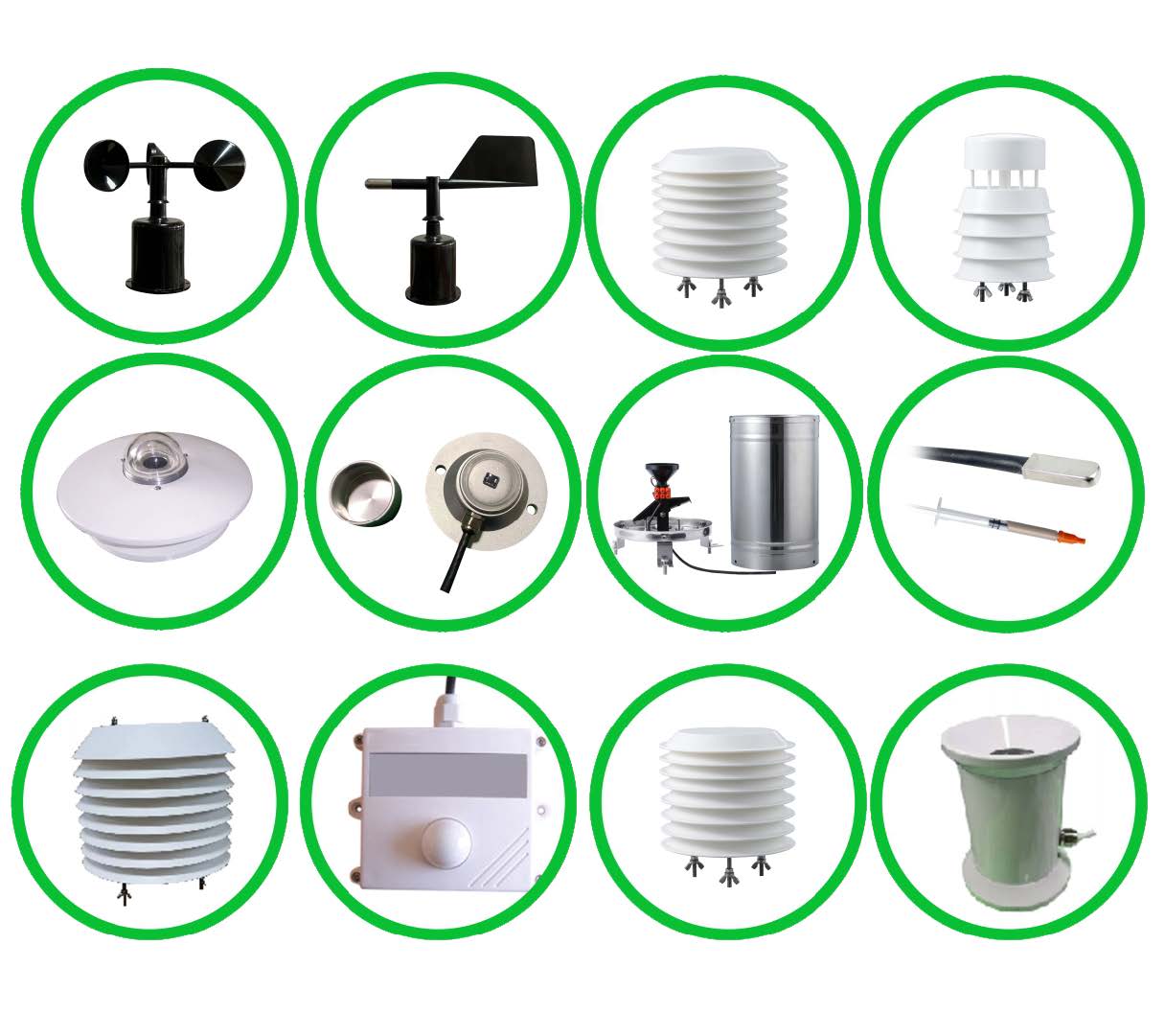
Electronic air-temperature sensors use a temperature-sensitive electrical response. Humidity sensors commonly measure a moisture-dependent capacitive response, and pressure sensors convert atmospheric pressure into an electrical signal. Their location matters: sunlight, warm surfaces and a poorly ventilated shelter can bias air measurements without any electronics fault.
Wind speed may be measured by rotating cups or by ultrasonic transit times. A separate vane or an ultrasonic head provides direction. The ultrasonic method avoids conventional rotating bearings, but obstructions, contamination and icing still need assessment. It should not be described as requiring no inspection.
Rainfall can be measured with a tipping bucket, weighing arrangement or another specified sensing method. A pyranometer measures solar irradiance in W/m2; an illuminance sensor reports lux. These are not interchangeable quantities. An equipment list should name the quantity as well as the sensor type.
A temporary field station suits a monitoring campaign when the required record extends beyond a single visit. Examples include comparing field environments, documenting conditions during a study or observing a site before a permanent installation is planned. Define the campaign duration and maximum gap the study can accept.
Before deployment, check transport dimensions, assembly, mounting stability and the planned download method. A compact package does not remove the need to level a rain collector, orient wind direction and keep the air sensor clear of vehicle exhaust. Record its location and mounting height each time it moves.
For repeated comparisons, use the same exposure method at each point. A reading beside a sun-heated vehicle and one in open shade do not represent an instrument comparison. Allow for sensor stabilization and document whether the observation is instantaneous or averaged over a defined interval.
Handheld equipment suits attended inspection when the measurement can be made at a controlled position. Keep the operator and nearby structures from obstructing the wind path, and avoid warming the air sensor through handling. Ease of operation does not replace an agreed observation procedure.
The NiuBoL NBL-HWS is one handheld configuration for wind, air temperature, RH and pressure, with USB download and replaceable batteries. Its measurement spans and complete-instrument environment limits are different specifications.
| NBL-HWS item | Configuration |
|---|---|
| Wind speed | 0-45 m/s; stated accuracy +/-0.3 m/s |
| Wind direction | 16 directions; specified in direction sectors, not a one-degree digital vane |
| Air temperature | -50 to 80 degrees C measurement span; stated accuracy +/-0.3 degrees C |
| Relative humidity | 0-100% RH measurement span; stated accuracy +/-5% RH |
| Pressure | 10-1100 hPa; stated accuracy +/-0.3 hPa |
| Power and data | Three AAA batteries; USB connection for data download |
| Instrument environment | -20 to 80 degrees C; 5-95% RH |
The -50-degree-C measurement limit does not establish permission to operate the whole instrument below its -20-degree-C environment limit. Also confirm storage capacity and recording interval for the supplied revision rather than converting a general memory claim into an unconditional year of data.
Direction detail also differs between formats. Sixteen equally spaced direction sectors are 22.5 degrees apart. A sector observation cannot be made into a one-degree measurement merely by converting its compass label into a number. Preserve the original direction convention when comparing a handheld survey with an installed digital wind vane.
For a repeatable survey, record the observation time, height, position and duration alongside the value. When two instruments disagree, first check whether one reports a short observation and the other an interval average. Compare under similar exposure before judging calibration. A field comparison can reveal a problem, but it does not automatically provide a traceable calibration for either instrument.
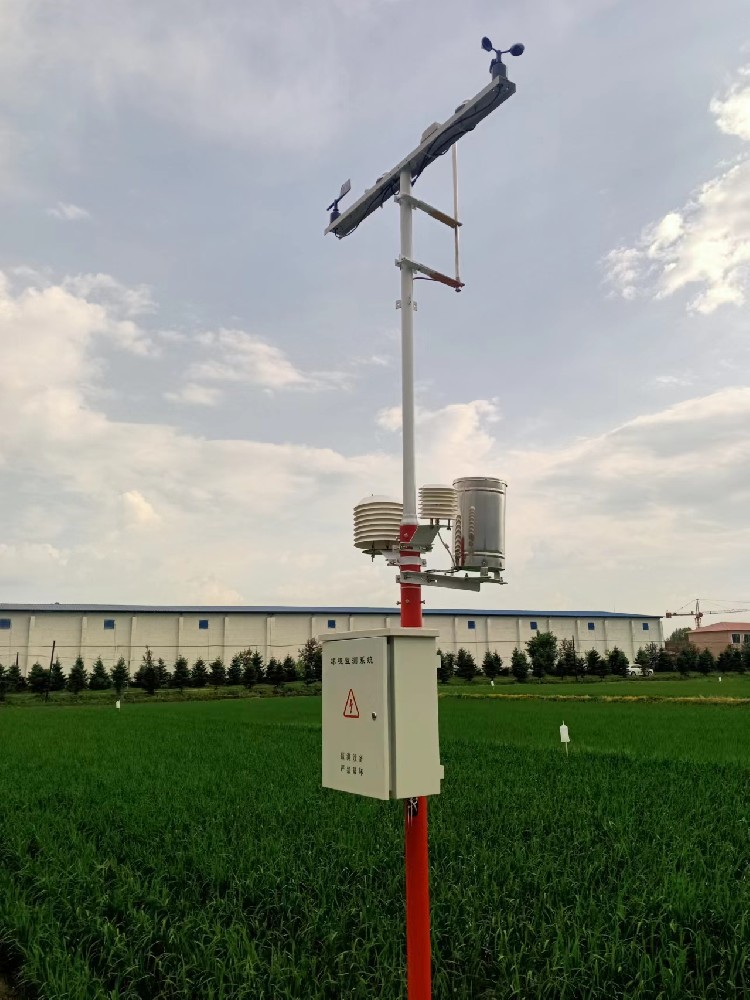
The mast-based arrangement is a different deployment format from an attended handheld instrument. Its separate wind, air and rain positions need installation checks as well as instrument checks.
A compact head reduces the number of separate instrument bodies and can simplify the cable arrangement. It can be appropriate for space-limited installations, subject to the required exposure. Check the included channels: wind, temperature, RH and pressure do not automatically include rainfall, radiation, particles or noise.
The head normally provides measurements to a data logger or RTU. A housing that integrates several sensors does not necessarily contain a cellular modem, local archive or weather-forecasting service. Choose those functions explicitly if the project needs remote monitoring.
Common mounting also creates a trade-off. A convenient position for local wind may not be the desired reference height for air temperature or rainfall. Where a research method requires separate exposure positions, a modular installation can be more suitable than putting every measurement in one head.
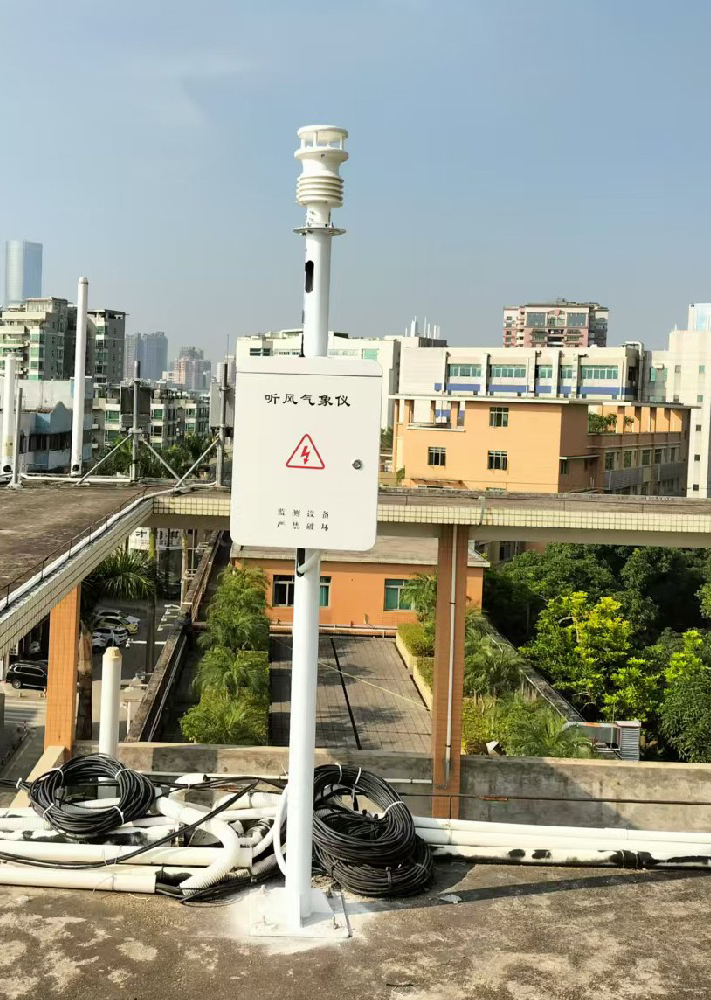
A permanent station is useful when decisions depend on comparable observations over months or years. Survey obstructions and heat sources before setting the foundation. Record the instrument height, orientation, nearby surfaces and sensor identity so later changes can be distinguished from real environmental trends.
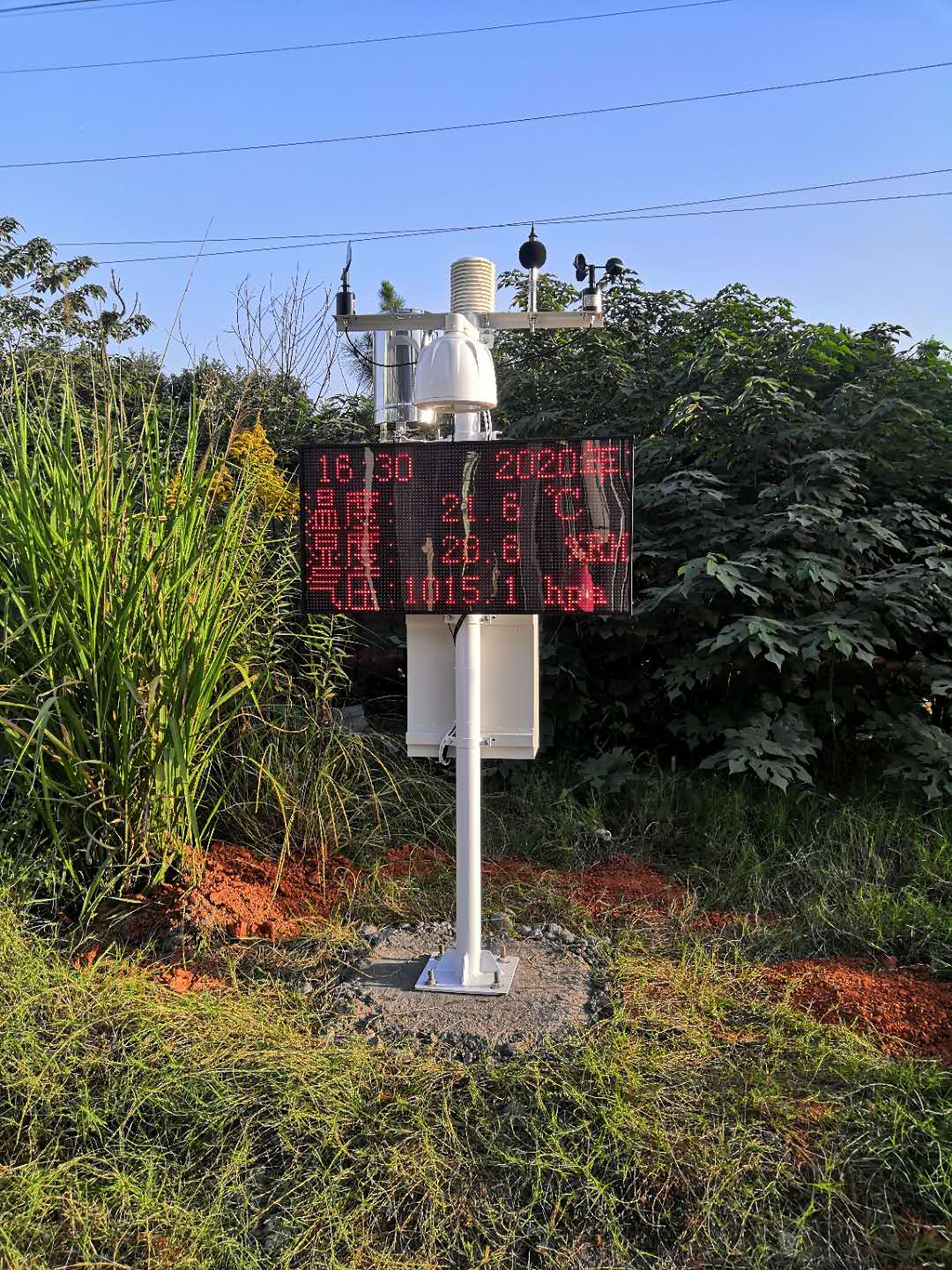
Do not treat a rooftop, roadside verge and open field as equivalent sites. Each can provide useful local data, but the exposure determines what those data represent. A roof-mounted air sensor may reflect rooftop conditions rather than the surrounding agricultural field.
Maintenance access belongs in the siting decision. A point that is easy to install but cannot be safely inspected may accumulate fouling or alignment errors for longer than expected. Include access, replacement and power-system checks in the observation plan.
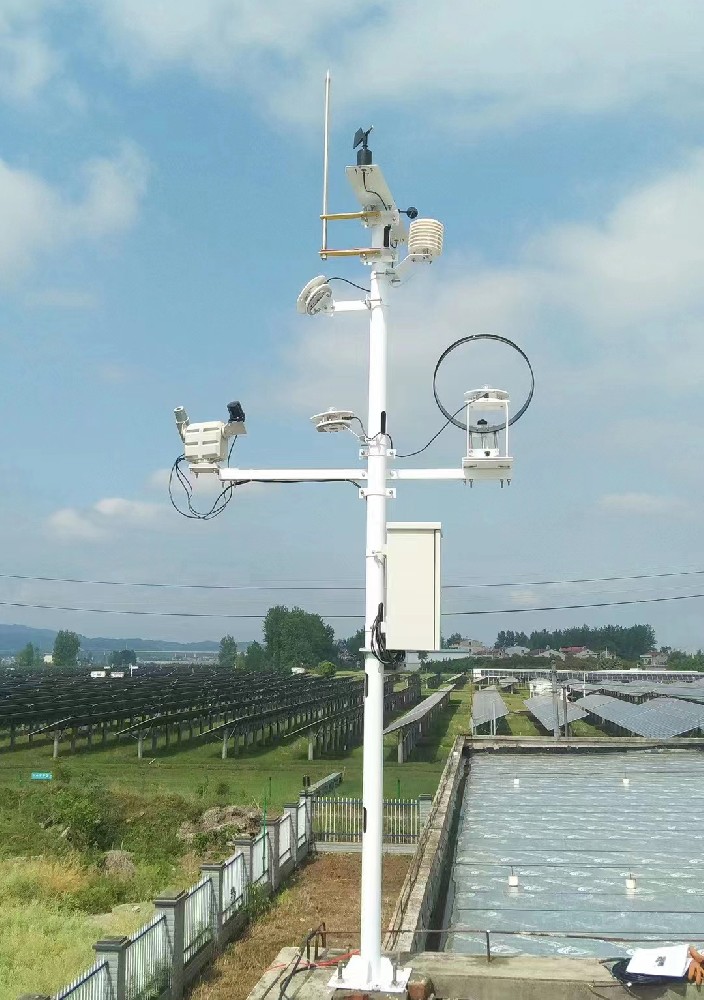
A handheld instrument can support an attended weather check, while a fixed station records conditions between visits. For irrigation planning, decide whether the project needs only rainfall and air observations or also representative soil measurements. An isolated air reading is not a complete irrigation recommendation.
Choose equipment around the experiment's uncertainty, interval and exposure requirements. A handheld station is useful for demonstrations and survey exercises, but not automatically sufficient for an unattended seasonal dataset. Keep instrument changes and relocation dates with the records.
Local weather can support operational review and alarms, but instrument suitability must match the actual task. General-purpose meteorological equipment is not automatically approved for aviation reporting, hazardous locations or a safety-related shutdown. Identify any application-specific qualification before selecting the configuration.
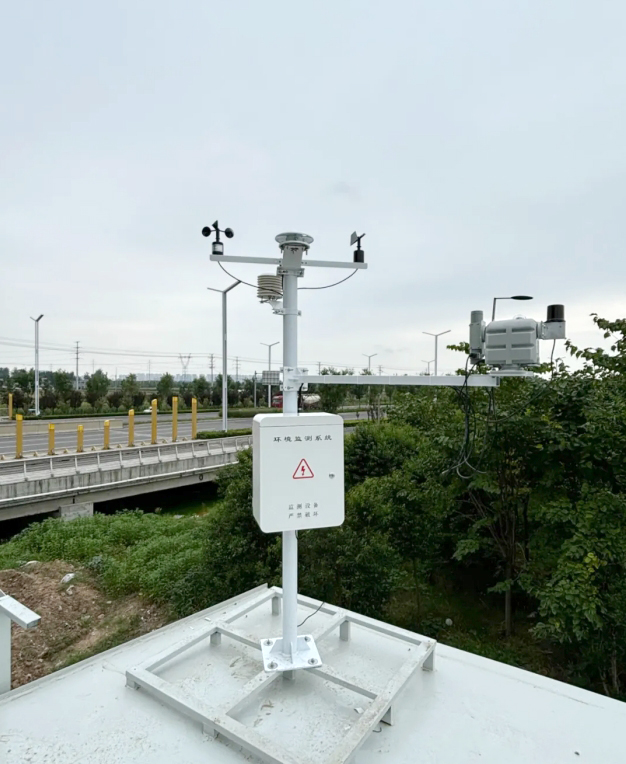
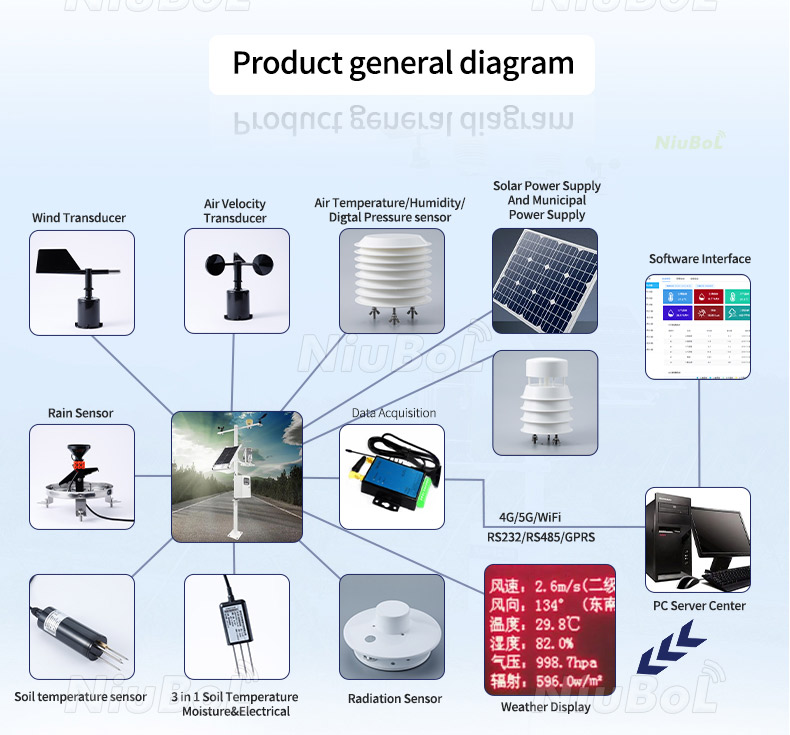
For installed sensors, check whether the output is analog, pulse or RS485 / Modbus RTU. The acquisition device must support that electrical input and the relevant protocol or conversion. USB download on a handheld instrument is not the same connection as a shared RS485 field bus.
Request an example record with its units and time convention. A pressure value in Pa is numerically 100 times the same pressure in hPa. Rainfall accumulated since reset and rainfall during the last reporting interval also require different handling. Plausible-looking dashboard values can hide either mistake.
Confirm power for the selected deployment. Battery operation, external DC and solar charging are different arrangements, and the complete station's energy demand includes acquisition and communications. Do not transfer a handheld standby claim to an unattended modem-equipped installation.
For component-level planning after choosing the deployment format, use the separate weather station components guide. It explains logger inputs, storage and power dependencies without treating all station formats as one package.
Not always. The term can mean one measuring instrument, a handheld assembly or an installed monitoring system. Specify the observations and delivery requirements before comparing products with different scopes.
Only when its mounting, weather exposure, power and data retention suit the intended period. Portability describes transport and deployment; it does not establish unattended operation or storm resistance.
No. Compare the selected instruments' accuracy definitions and conditions, then consider exposure and serviceability. The absence of rotating parts changes the maintenance tasks, not every source of measurement error.
No. Those channels must be included in the selected configuration. Ask whether rainfall is accumulated or interval-based, and distinguish solar irradiance from illuminance when radiation data are required.
It can supplement an investigation but cannot recreate the unobserved period. Compare readings only with compatible positions and averaging methods, allowing for the instruments' response and uncertainty.
Describe the measurement purpose, attended or unattended use, deployment duration, environment and required data interface. Include any method-specific accuracy, mounting or certification requirements so the equipment format can be matched to the task.
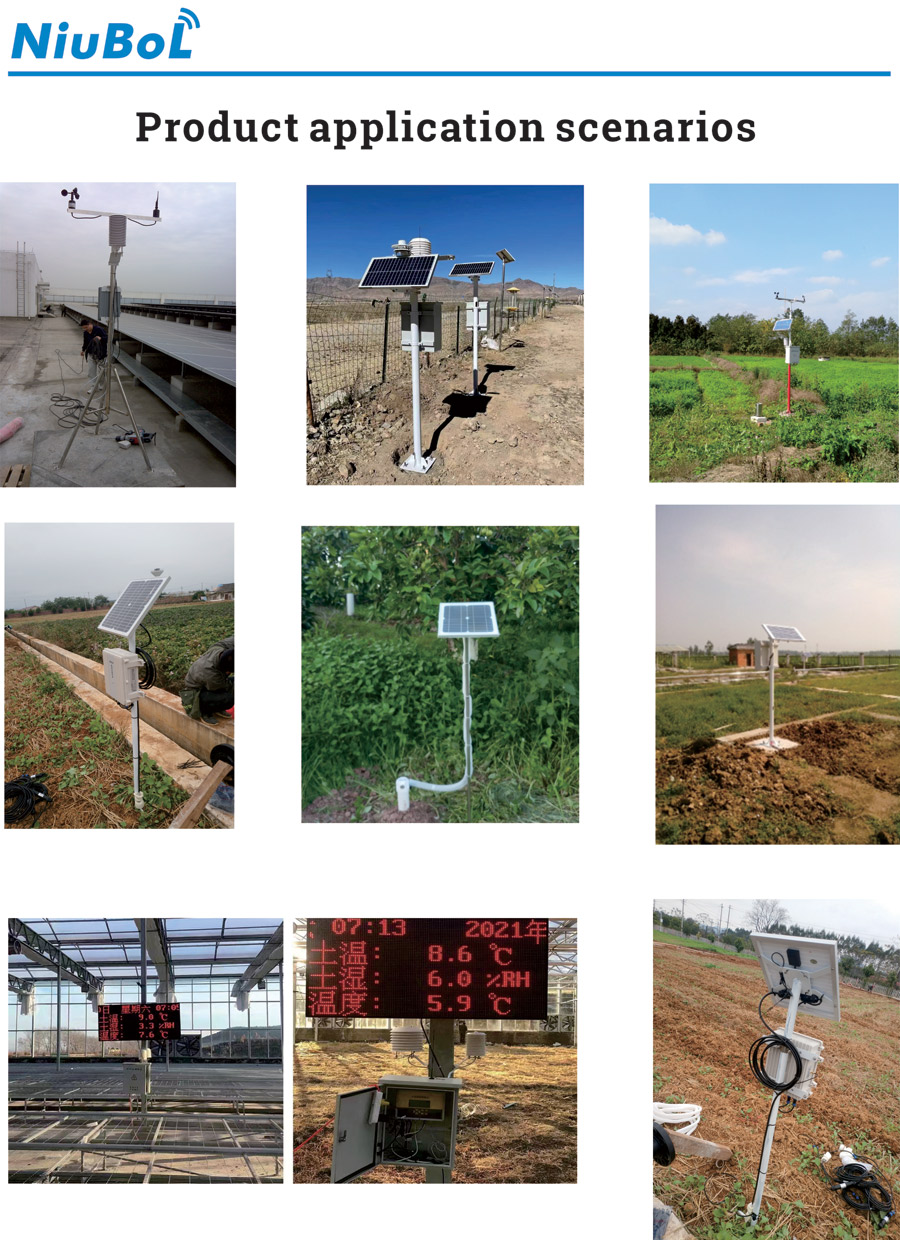
Meteorological detection equipment should be chosen around how and where observations are made. Separate handheld checks, temporary campaigns and permanent records, then match the sensing method and data connection. NiuBoL can review the required measurements and deployment conditions before proposing an appropriate configuration.
Prev:Visibility Sensor Accuracy: Interpret Range and Verification Conditions
Next:Weather Monitor vs Weather Station: Define the Equipment Scope
Related recommendations
Sensors & Weather Stations Catalog
 Agriculture Sensors and Weather Stations Catalog-NiuBoL.pdf
Weather Stations Catalog-NiuBoL.pdf
Agriculture Sensors Catalog-NiuBoL.pdf
Water Quality Sensor Catalog-NiuBoL.pdf
Related products
 Combined air temperature and relative humidity sensor
 TDR Soil Moisture & Temperature Sensor for irrigation| RS485 |4-20mA| NBL-S-THR
 Soil pH sensor RS485 soil Testing instrument soil ph meter for agriculture |NBL-S-PH
 Wind Speed sensor Output Modbus/RS485/Analog/0-5V/4-20mA
 Tipping bucket rain gauge for weather monitoring auto rainfall sensor RS485/Outdoor/stainless steel
 Pyranometer Solar Radiation Sensor 4-20mA/RS485


Screenshot, WhatsApp to identify the QR code
WhatsApp number:+8615367865107
(Click on WhatsApp to copy and add friends)

