





— Blogs —
—Products—
 Consumer hotline +8618073152920
 WhatsApp:+8615367865107
Address:Room 102, District D, Houhu Industrial Park, Yuelu District, Changsha City, Hunan Province, China
Product knowledge
Time:2026-06-23 11:28:40 Popularity:210
Agricultural sensors are the information source of modern farm monitoring systems. They convert soil, weather, light, crop and water conditions into data that can be used by farm managers, system integrators and project contractors. For a buyer, selecting an agricultural sensor manufacturer is not only about purchasing a probe. It is about whether the supplier can provide stable instruments, communication documents, integration support and a product range that matches different crop scenarios.
NiuBoL agricultural sensors cover soil moisture, soil temperature, soil electrical conductivity, soil pH, soil salinity, atmospheric temperature and humidity, pressure, rainfall, illumination, CO2, photosynthetically active radiation and plant growth sensors. These devices can be used in farmland, greenhouses, orchards, research bases, irrigation systems and smart agriculture demonstration projects.

Farm IoT projects normally involve more than one sensor type. A greenhouse may need air temperature humidity, CO2, light and soil moisture. An orchard may need rainfall, wind, soil temperature, soil moisture and leaf wetness. A soil improvement project may need pH, salinity and conductivity. A manufacturer with a wider product range helps buyers build one consistent monitoring architecture instead of combining many unrelated devices.
The evaluation should include sensing principle, measurement range, accuracy, protection class, cable material, power supply, RS485 or Modbus compatibility, calibration requirement and after-sales support. Good project documentation reduces commissioning time and helps local teams maintain sensors after delivery.
| Parameter | Reference Value | Procurement Note |
|---|---|---|
| Soil moisture sensor | Measures volumetric water content by dielectric or electromagnetic principle | Used for irrigation scheduling and drought monitoring |
| Soil temperature sensor | Uses a temperature sensing element for root-zone temperature | Supports germination, root activity and crop stress review |
| Soil EC and salinity sensor | Measures conductivity and salinity trend | Useful for fertigation, saline soil and substrate management |
| Soil pH sensor | 0 to 14 pH, typical RS485 output | Supports crop suitability and soil amendment decisions |
| Agricultural weather sensors | Air temperature humidity pressure, wind, rainfall, illumination, PAR and CO2 | Builds field climate context around crop growth |
| Plant growth sensor | Fruit or stem diameter monitoring with temperature compensation | Used for research and crop growth trend analysis |
| Data acquisition | Collector, gateway or station host | Connects field sensors to platform or local system |
| Communication | RS485 / Modbus RTU common for field devices | Confirm register map and baud rate before integration |
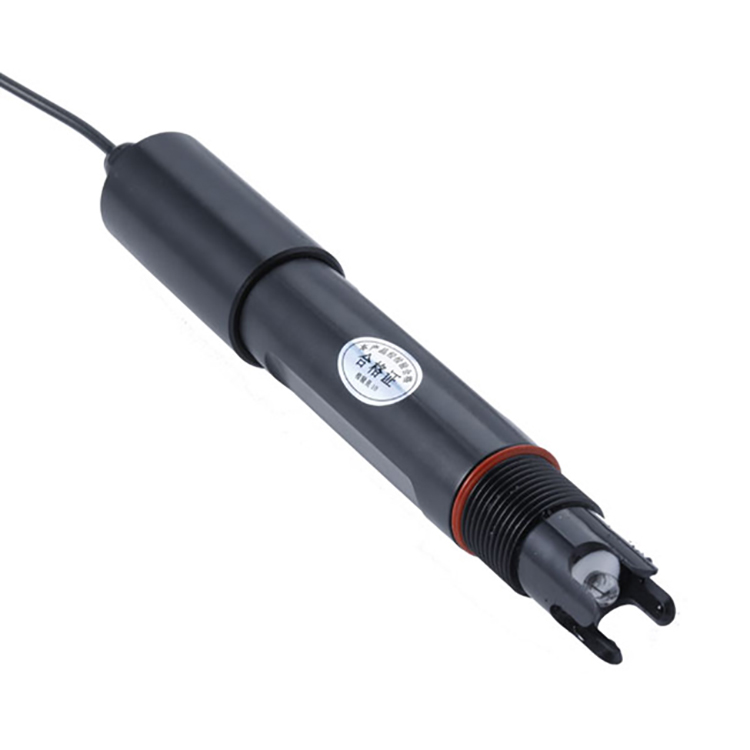
RS485 / Modbus RTU is commonly selected for agricultural sensors because field projects often need several sensors connected to one collector. The integrator should confirm sensor address, baud rate, register table, polling interval, cable length, power budget and lightning protection. In outdoor sites, connector waterproofing and cable routing are as important as the sensor itself.
When sensors are uploaded to a cloud platform, data naming should be standardized from the beginning. Soil moisture, soil temperature, EC, pH, salinity, rainfall and light should use consistent units and station names. This makes data easier to compare across plots and seasons.
Site challenge: Temperature, humidity, CO2, light and soil moisture change quickly inside greenhouses.
System integration scheme: Use agricultural weather sensors and soil sensors connected to a collector and platform.
User value: Managers can adjust ventilation, irrigation and fertigation with measured evidence.
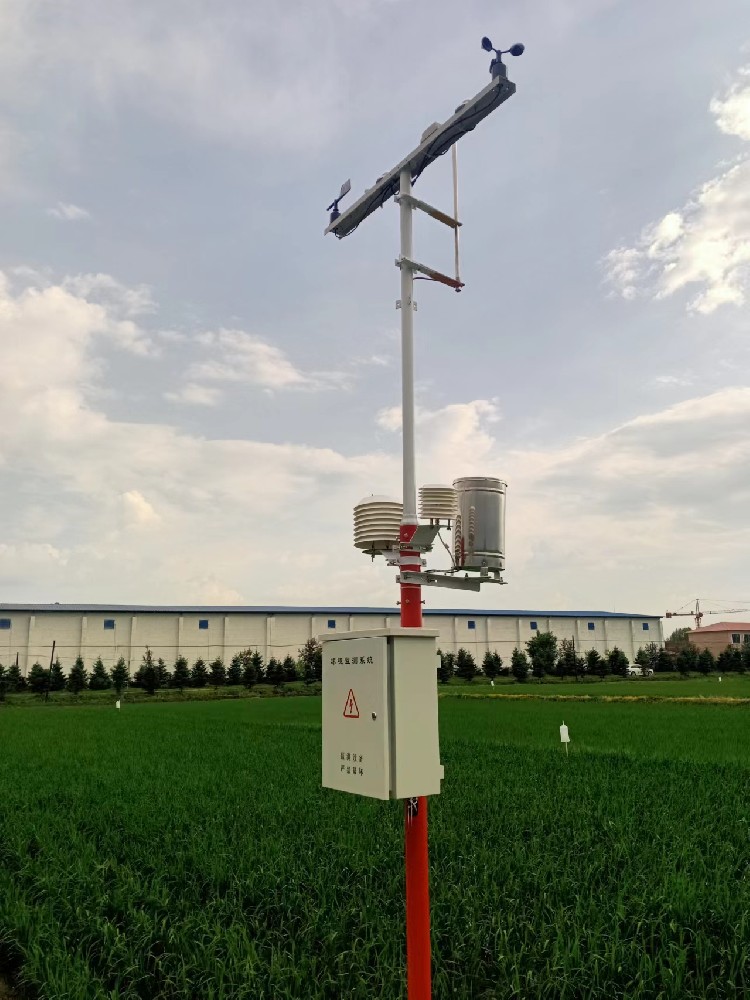
Site challenge: Rainfall, wind, frost and soil moisture affect fruit quality and disease pressure.
System integration scheme: Install weather station sensors with soil moisture, soil temperature and leaf wetness devices.
User value: Growers can review microclimate and plan field operations more accurately.
Site challenge: Water use decisions require soil moisture and rainfall data from representative plots.
System integration scheme: Build multi-point soil sensor networks with wireless or wired collectors.
User value: Operators can reduce guesswork and improve irrigation scheduling.
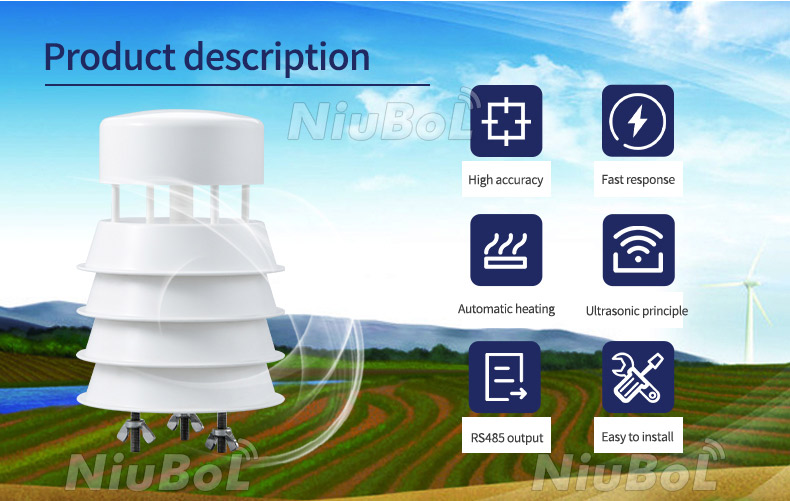
Site challenge: pH, EC and salinity influence fertilizer efficiency and crop suitability.
System integration scheme: Use soil pH, EC and salinity sensors with periodic calibration and lab comparison when needed.
User value: Project teams can track soil amendment results over time.
Site challenge: Projects need repeatable data, exportable records and clear sensor metadata.
System integration scheme: Use standardized sensor models and document installation depth, height and location.
User value: Researchers can compare treatments and publish more defensible results.
Agricultural projects often fail when sensors are purchased one by one without a system plan. A useful agricultural sensor manufacturer should provide soil, weather and crop monitoring devices that can be integrated under one data architecture. This reduces wiring conflict, inconsistent units and platform confusion.
Buyers should evaluate whether the manufacturer provides technical documents, stable output signals, field-proven housing, reasonable cable options and support for RS485 / Modbus integration. For distributors, consistent documentation is especially important because it reduces support pressure when different customers use different sensor combinations.
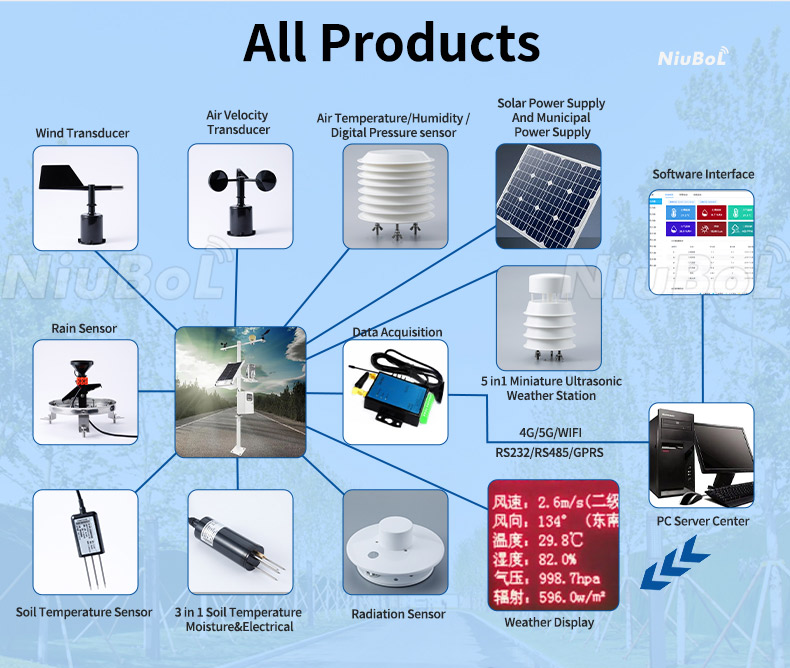
Soil moisture supports irrigation. Soil temperature supports germination and root activity review. Soil pH and EC support fertility and salinity management. Weather sensors explain frost, rainfall, wind, light and humidity. Leaf wetness supports disease risk decisions. A strong sensor package connects each parameter to a farm action.
Before confirming a supplier, buyers should request datasheets, wiring diagrams, protocol documents, installation guidance and warranty terms. They should also ask whether cable length, protocol, sensor range or platform integration can be adapted for the project. The goal is to buy a maintainable monitoring system, not only a low-price probe.
Agricultural sensor procurement should start by grouping sensors into soil, weather, crop and water-related families. A manufacturer that can supply several related families makes it easier to build a consistent farm monitoring system. This matters when the project expands from one greenhouse to several plots or from soil moisture to full weather and fertigation monitoring.
Buyers should check whether different sensor models share similar power supply, communication settings and documentation style. Consistency reduces training time for installers and helps distributors support customers more efficiently.
Before purchase, ask whether the sensor supports RS485 / Modbus RTU, whether the register table is available, whether the address can be changed, whether cable length can be customized and whether the sensor can connect to the buyer's existing collector. These questions are more useful than asking only for the lowest price.
For soil and crop sensors, ask about installation depth, calibration method, waterproofing, response time and maintenance. For weather sensors, ask about mounting height, radiation shielding, rain gauge leveling, wind exposure and lightning protection.
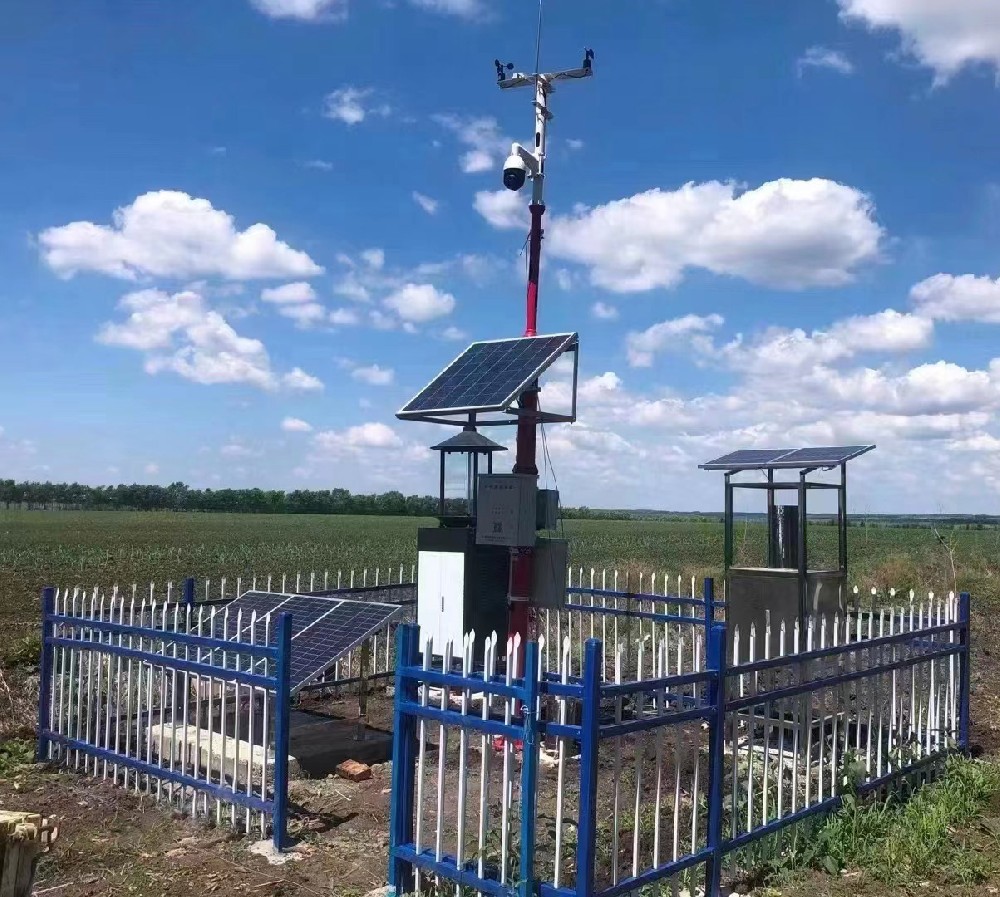
Distributors need stable product naming, clear images, datasheets and troubleshooting guidance. Contractors need wiring diagrams, installation notes and acceptance checklists. A manufacturer that supports both sales and engineering documentation helps the channel respond faster to project inquiries.
For agricultural sensor distributors, documentation quality directly affects customer support cost. A sensor with a clear wiring diagram, Modbus register table, installation illustration and troubleshooting note is easier to sell and easier to support than a cheaper sensor with unclear instructions.
Project contractors should also ask whether the manufacturer can provide consistent product images, labels and model naming. In multi-sensor projects, inconsistent labels create confusion during installation and maintenance. A clear label on each cable or sensor body can save hours in the field.
When buyers plan to integrate sensors into a platform, sample data and unit definitions should be confirmed before bulk purchase. Soil moisture may be displayed as percentage, EC may use us/cm, and salinity may use mg/L. Unit consistency is essential for useful dashboards.
For large farm or distributor projects, a small pilot is often useful before bulk purchase. The pilot should test communication stability, installation method, platform display and whether the sensor data matches the management decision. This is especially important for soil pH, soil EC, salinity and crop-specific sensors because installation conditions can strongly affect data interpretation.
During the pilot, record the soil type, installation depth, irrigation condition, cable length and data interval. If the pilot results are stable and easy for the farm team to understand, the buyer can expand to more plots with lower risk.
A manufacturer that supports pilot testing with clear documents, sample register tables and troubleshooting guidance is usually easier to work with in long-term agricultural monitoring projects.
For export and distributor projects, packaging and model consistency should also be checked. Clear labels, stable part numbers and matching manuals help local teams avoid mistakes when several sensor types arrive in the same shipment.
A: A suitable manufacturer provides multiple sensor categories, stable specifications, clear communication documents, field installation guidance and support for integration with collectors or platforms.
A: Common sensors include soil moisture, soil temperature, soil EC, soil salinity, soil pH, air temperature humidity, pressure, rainfall, wind, illumination, PAR, CO2 and leaf wetness sensors.
A: Farm projects usually need several parameters. A broader product range helps buyers build one consistent monitoring system instead of mixing unrelated devices with different outputs and documents.
A: Check measurement principle, range, accuracy, resolution, response time, protection rating, cable material, output signal, calibration requirement and field installation record.
A: RS485 / Modbus supports multi-sensor field wiring and clear register-based data acquisition. It is practical for data collectors, gateways and automation projects.
A: Depth should match crop root distribution and the management decision. For irrigation, sensors are usually placed at representative root-zone depths and documented carefully.
A: Distributors should request datasheets, wiring diagrams, Modbus register tables, installation photos, packing lists, troubleshooting guides and recommended spare parts.
A: Yes. They can connect to local displays or data loggers. A cloud platform becomes valuable when remote viewing, alarms, history and multi-site comparison are needed.
A: The most common mistake is buying a sensor list without defining installation position, data interval, platform field, cable length and acceptance method.
A: Compare complete system value: sensor stability, protocol clarity, installation support, product range, customization ability, delivery scope, warranty and after-sales response.
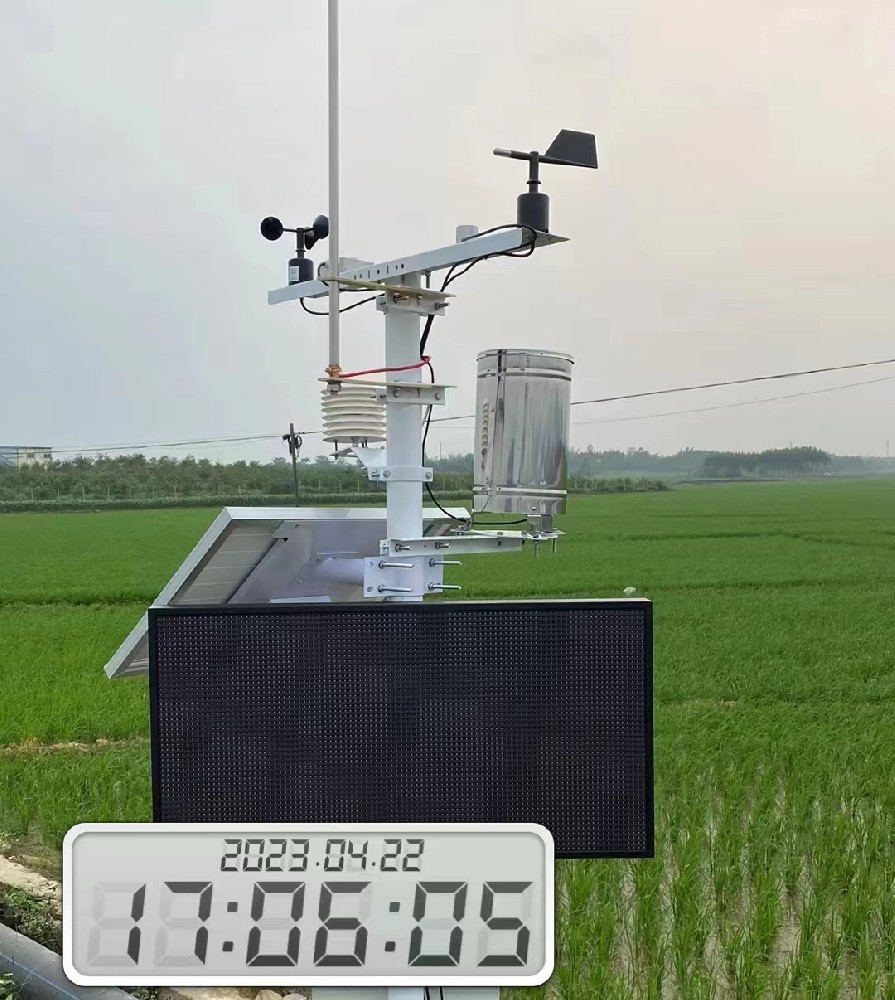
An agricultural sensor manufacturer should be evaluated by the whole project workflow: sensing, communication, data acquisition, installation, platform use and maintenance. NiuBoL provides soil sensors, agricultural weather sensors and crop monitoring devices that can support greenhouse, orchard, irrigation, research and smart farming projects when the procurement specification is written clearly.
Related recommendations
Sensors & Weather Stations Catalog
 Agriculture Sensors and Weather Stations Catalog-NiuBoL.pdf
Weather Stations Catalog-NiuBoL.pdf
Agriculture Sensors Catalog-NiuBoL.pdf
Water Quality Sensor Catalog-NiuBoL.pdf
Related products
 Combined air temperature and relative humidity sensor TDR Soil Moisture & Temperature Sensor for irrigation| RS485 |4-20mA| NBL-S-THR
 Soil pH sensor RS485 soil Testing instrument soil ph meter for agriculture |NBL-S-PH
 Wind Speed sensor Output Modbus/RS485/Analog/0-5V/4-20mA
 Tipping bucket rain gauge for weather monitoring auto rainfall sensor RS485/Outdoor/stainless steel
 Pyranometer Solar Radiation Sensor 4-20mA/RS485

Screenshot, WhatsApp to identify the QR code
WhatsApp number:+8615367865107
(Click on WhatsApp to copy and add friends)

