





— Blogs —
—Products—
 Consumer hotline +8618073152920
 WhatsApp:+8615367865107
Address:Room 102, District D, Houhu Industrial Park, Yuelu District, Changsha City, Hunan Province, China
Product knowledge
Time:2026-07-27 10:40:12 Popularity:231
Ammonia monitoring in aquaculture should not be separated from pH, temperature and dissolved oxygen. A farm can have the same ammonia nitrogen reading but a different toxicity risk when pH or temperature changes.
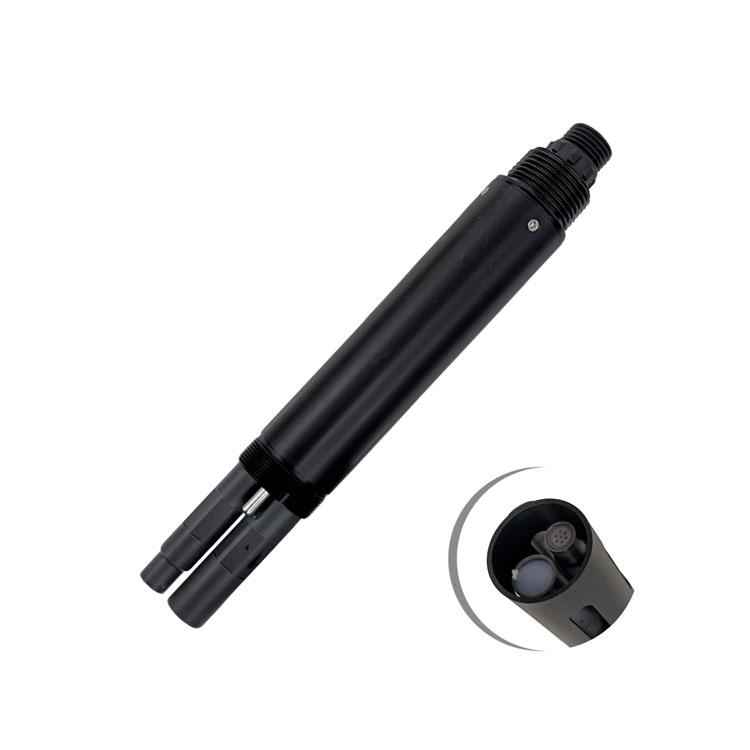
This guide uses aquaculture sensors as the main decision point and explains the practical details that affect model choice, project cost, commissioning work and long-term maintenance.
For aquaculture sensors, one reading rarely explains farm risk. pH, temperature and dissolved oxygen should be reviewed with ammonia trend before an alarm rule is accepted.
The practical RFQ action for aquaculture sensors is to state range, water condition, mounting limit, output, cable length, calibration owner and acceptance evidence in one scope. Without that scope, two aquaculture sensors offers may look comparable while excluding different accessories or service work. For aquaculture sensors channel sales, naming brackets, cable work and site checks protects the offer from unpaid follow-up service.
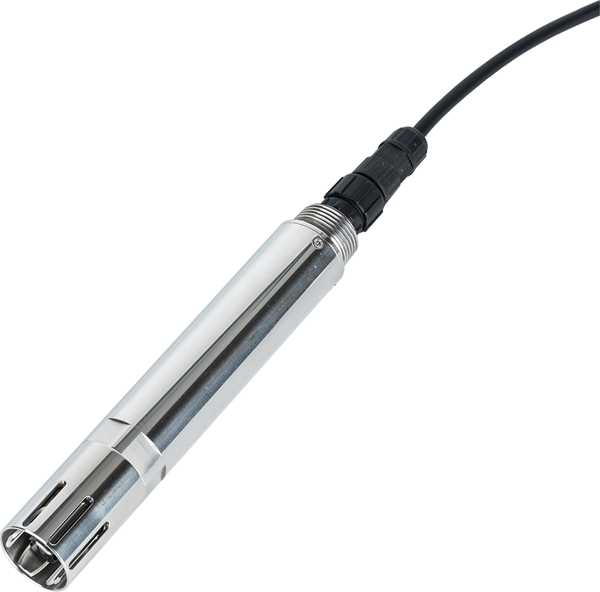
For aquaculture sensors, one reading rarely explains farm risk. pH, temperature and dissolved oxygen should be reviewed with ammonia trend before an alarm rule is accepted.
The practical RFQ action for aquaculture sensors is to state range, water condition, mounting limit, output, cable length, calibration owner and acceptance evidence in one scope. Without that scope, two aquaculture sensors offers may look comparable while excluding different accessories or service work. Engineers can then compare the aquaculture sensors package as an installed measurement point, not as a loose probe price.
For aquaculture sensors, one reading rarely explains farm risk. pH, temperature and dissolved oxygen should be reviewed with ammonia trend before an alarm rule is accepted.
The practical RFQ action for aquaculture sensors is to state range, water condition, mounting limit, output, cable length, calibration owner and acceptance evidence in one scope. Without that scope, two aquaculture sensors offers may look comparable while excluding different accessories or service work. For aquaculture sensors channel sales, naming brackets, cable work and site checks protects the offer from unpaid follow-up service.
For aquaculture sensors, one reading rarely explains farm risk. pH, temperature and dissolved oxygen should be reviewed with ammonia trend before an alarm rule is accepted.
The practical RFQ action for aquaculture sensors is to state range, water condition, mounting limit, output, cable length, calibration owner and acceptance evidence in one scope. Without that scope, two aquaculture sensors offers may look comparable while excluding different accessories or service work. Engineers can then compare the aquaculture sensors package as an installed measurement point, not as a loose probe price.
| Item | Typical value or option | Why the buyer should care |
|---|---|---|
| Principle | Ammonium ion selective electrode | For aquaculture sensors, confirm this item before price comparison and site acceptance. |
| Range | 0-10, 0-100 or 0-1000 mg/L | For aquaculture sensors, confirm this item before price comparison and site acceptance. |
| Resolution | 0.01 or 0.1 mg/L | For aquaculture sensors, confirm this item before price comparison and site acceptance. |
| Accuracy | +/-10% or +/-0.5 mg/L | For aquaculture sensors, confirm this item before price comparison and site acceptance. |
| Condition | 0 to 40 degC, pH 4 to 10 | For aquaculture sensors, confirm this item before price comparison and site acceptance. |
| Communication | RS485 Modbus RTU, 9600,n,8,1 default | For aquaculture sensors, confirm this item before price comparison and site acceptance. |
| Calibration | Two-point calibration | For aquaculture sensors, confirm this item before price comparison and site acceptance. |
| Protection | PVC/POM, 3/4 NPT, IP68 | For aquaculture sensors, confirm this item before price comparison and site acceptance. |
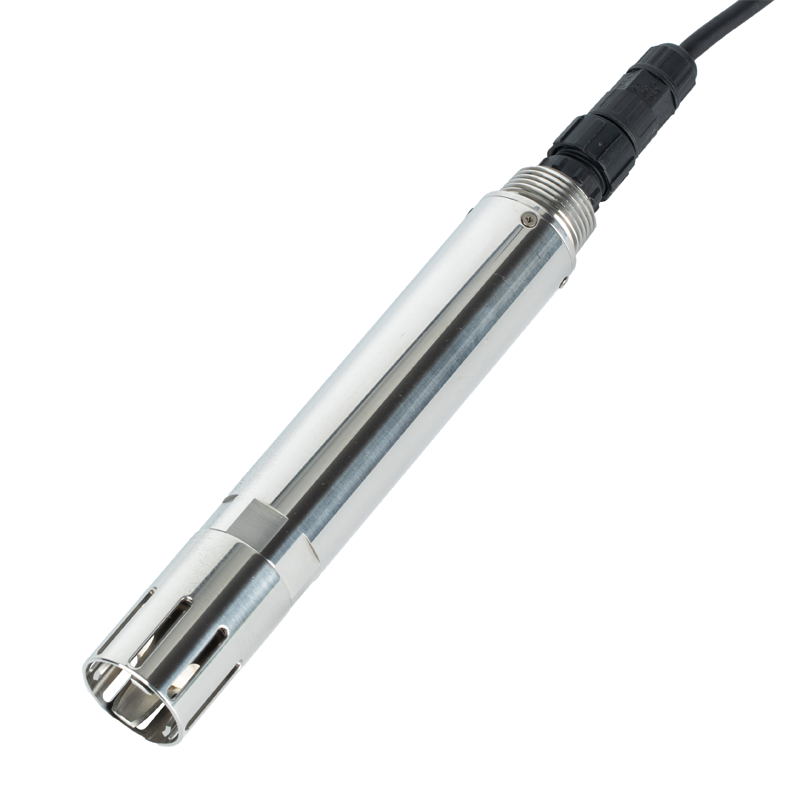
| Decision point | Practical recommendation |
|---|---|
| Primary use | Separate the aquaculture sensors role into control, alarm, trend or compliance-support before model selection. |
| Interface | Use RS485 Modbus RTU when aquaculture sensors data joins other sensors; use 4-20 mA only when the existing PLC loop requires it. |
| Installation | Place the aquaculture sensors point where water is representative, cleaning is possible and the cable route is protected. |
| Budget | Compare aquaculture sensors sensor, cable, mounting parts, calibration material, spares and commissioning support together. |
| Custom needs | State aquaculture sensors cable length, label, packaging, document language and batch quantity early. |
Field environment challenge: For aquaculture sensors, changing chemistry, pumps and cleaning cycles can hide the real process condition when the point is poorly chosen.
System integration plan: Install the aquaculture sensors sensor at a verified point, document scaling and keep calibration records with the control file.
User value: The plant receives aquaculture sensors trend data that operators can use for action instead of questioning every isolated reading.
Field environment challenge: For aquaculture sensors, power, fouling, sunlight, sediment and service interval often limit data quality more than nominal range.
System integration plan: Use an IP68 aquaculture sensors configuration with planned cable length, RTU or gateway polling and a realistic cleaning schedule.
User value: The project keeps continuous aquaculture sensors records between field visits and can respond earlier to abnormal water changes.
Field environment challenge: aquaculture sensors packages need repeatable wiring, fixed address rules and a model that can be shipped consistently.
System integration plan: Lock the aquaculture sensors model number, output, register map, accessories and packing documents before batch purchase.
User value: The aquaculture sensors design can then be repeated across sites with less debugging and lower spare-part confusion.
A useful RFQ for aquaculture sensors should include the water type, target range, process objective, expected installation depth, cable length, power supply, output interface and controller or gateway model. These aquaculture sensors details let the supplier check compatibility instead of guessing from a broad inquiry.
The aquaculture sensors RFQ should also state who owns calibration and site acceptance. If a contractor installs the aquaculture sensors point and the plant operates it, both sides need the same wiring map, register list, calibration method and cleaning schedule.
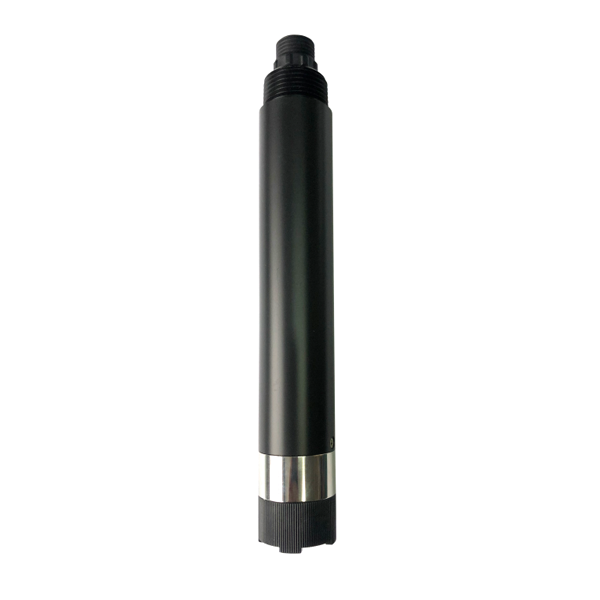
For distributors handling aquaculture sensors, aquaculture sensors articles should also explain what is suitable and what is not suitable. This makes the aquaculture sensors article useful as a buying guide and gives the buyer a reason to send real project data.
For engineering contractors installing aquaculture sensors, the value is in reducing rework. For aquaculture sensors, a clear register map, cable route, mounting drawing and calibration record can save more time than a small price difference.
For industrial buyers comparing aquaculture sensors, lifecycle cost should include maintenance visits, consumables, spare sensors, operator training and the cost of downtime when a measurement point is unavailable.
For distributors handling aquaculture sensors, aquaculture sensors articles should also explain what is suitable and what is not suitable. This makes the aquaculture sensors article useful as a buying guide and gives the buyer a reason to send real project data.
For engineering contractors installing aquaculture sensors, the value is in reducing rework. For aquaculture sensors, a clear register map, cable route, mounting drawing and calibration record can save more time than a small price difference.
For industrial buyers comparing aquaculture sensors, lifecycle cost should include maintenance visits, consumables, spare sensors, operator training and the cost of downtime when a measurement point is unavailable.
For distributors handling aquaculture sensors, aquaculture sensors articles should also explain what is suitable and what is not suitable. This makes the aquaculture sensors article useful as a buying guide and gives the buyer a reason to send real project data.
For engineering contractors installing aquaculture sensors, the value is in reducing rework. For aquaculture sensors, a clear register map, cable route, mounting drawing and calibration record can save more time than a small price difference.
For industrial buyers comparing aquaculture sensors, lifecycle cost should include maintenance visits, consumables, spare sensors, operator training and the cost of downtime when a measurement point is unavailable.
For distributors handling aquaculture sensors, aquaculture sensors articles should also explain what is suitable and what is not suitable. This makes the aquaculture sensors article useful as a buying guide and gives the buyer a reason to send real project data.
For engineering contractors installing aquaculture sensors, the value is in reducing rework. For aquaculture sensors, a clear register map, cable route, mounting drawing and calibration record can save more time than a small price difference.
For industrial buyers comparing aquaculture sensors, lifecycle cost should include maintenance visits, consumables, spare sensors, operator training and the cost of downtime when a measurement point is unavailable.
For distributors handling aquaculture sensors, aquaculture sensors articles should also explain what is suitable and what is not suitable. This makes the aquaculture sensors article useful as a buying guide and gives the buyer a reason to send real project data.
A: Ammonia stress can rise before visible fish or shrimp behavior changes. Online NHN monitoring helps farms detect biofilter weakness, feeding overload or poor water exchange earlier.
A: It can measure NHN, but risk interpretation is weaker. pH and temperature affect un-ionized ammonia toxicity, so farms should monitor them together when decisions affect feeding or water exchange.
A: Place them in representative production water, not at a stagnant corner or only at the inlet. In RAS, check positions around tanks, return flow and biofilter performance.
A: Use warning and action levels instead of one emergency threshold. Link ammonia trend with pH, DO and temperature so staff know whether to reduce feed, aerate or exchange water.
A: Set the interval from the first month of operation. High feeding load, biofilm and suspended solids require more frequent checks than clean, low-density systems.
A: Yes. RS485 Modbus RTU allows NHN sensors to connect with RTU, PLC or IoT gateways, especially when pH and DO are collected in the same system.
A: For aquaculture, NHN, pH, DO and temperature are the minimum practical package. Salinity and conductivity are also useful in brackish or shrimp systems.
A: Common causes include fouling, old calibration solution, poor placement, pH outside the suitable range, electrode aging and comparison samples taken from a different water zone.
A: It is useful when the farm has high stocking density, remote ponds, limited night staff or repeated water quality swings. Lower-risk farms may start with key points first.
A: Send species, pond or tank size, water exchange method, salinity, expected ammonia range, pH range, point quantity, power and communication requirements.
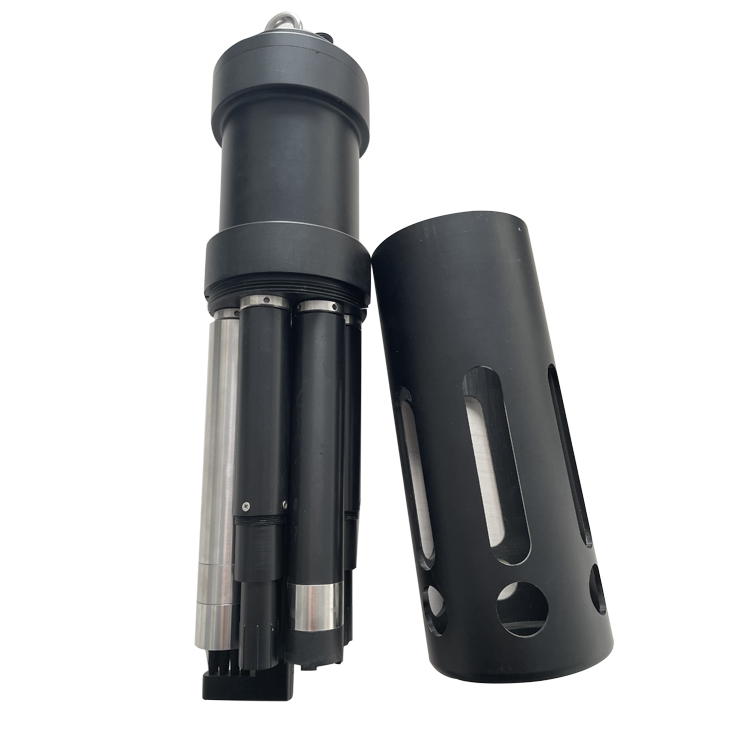
Ammonia Monitoring in Aquaculture: Sensor Placement and Alert Strategy should help buyers reduce selection risk. For NiuBoL aquaculture sensors projects, the correct choice depends on range, output, installation point, calibration plan, accessories and acceptance evidence. Send these aquaculture sensors project details before quotation so the offer reflects an installed measurement point rather than only a sensor price.
Prev:Nephelometric Turbidity Meter: Principle, Units and Purchasing Criteria
Next:Online TSS Sensor for Wastewater: Selection, Installation and Maintenance
Related recommendations
Sensors & Weather Stations Catalog
 Agriculture Sensors and Weather Stations Catalog-NiuBoL.pdf
Weather Stations Catalog-NiuBoL.pdf
Agriculture Sensors Catalog-NiuBoL.pdf
Water Quality Sensor Catalog-NiuBoL.pdf
Related products
 Combined air temperature and relative humidity sensor
 TDR Soil Moisture & Temperature Sensor for irrigation| RS485 |4-20mA| NBL-S-THR
 Soil pH sensor RS485 soil Testing instrument soil ph meter for agriculture |NBL-S-PH
 Wind Speed sensor Output Modbus/RS485/Analog/0-5V/4-20mA
 Tipping bucket rain gauge for weather monitoring auto rainfall sensor RS485/Outdoor/stainless steel
 Pyranometer Solar Radiation Sensor 4-20mA/RS485

Screenshot, WhatsApp to identify the QR code
WhatsApp number:+8615367865107
(Click on WhatsApp to copy and add friends)

