





— Blogs —
—Products—
 Consumer hotline +8618073152920
 WhatsApp:+8615367865107
Address:Room 102, District D, Houhu Industrial Park, Yuelu District, Changsha City, Hunan Province, China
Product knowledge
Time:2026-07-20 13:28:48 Popularity:304
A differential pH sensor is usually considered when ordinary pH electrodes drift too quickly or require too much maintenance. The decision should be based on water condition, fouling risk, required stability and maintenance access. A combination electrode can still be the correct choice for many water projects, especially where the water is not highly polluted and calibration work is easy.
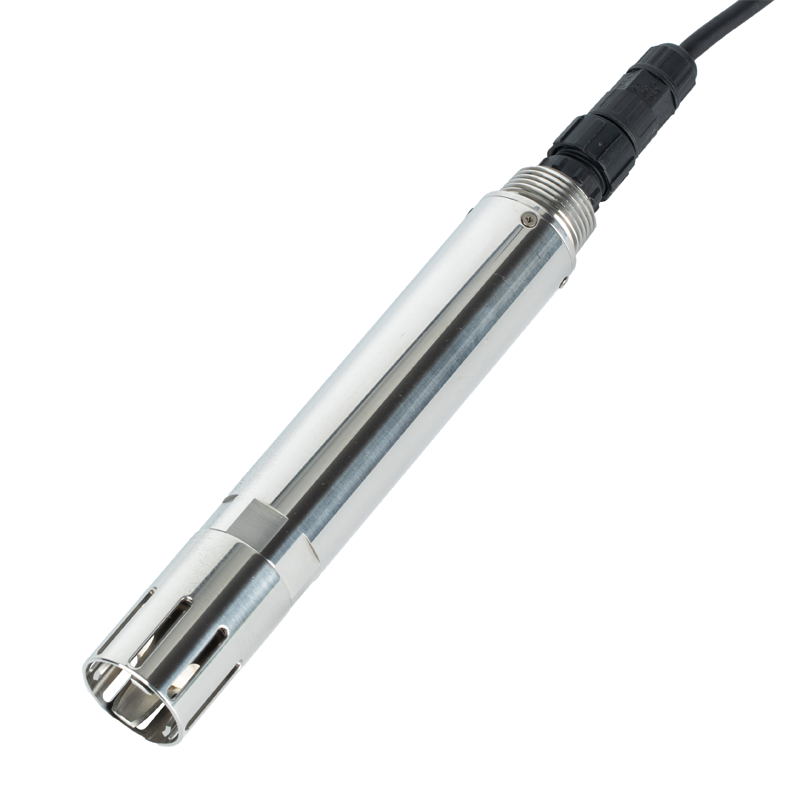
The comparison is not only electrode design. Buyers are comparing lifecycle cost: purchase price, calibration labor, downtime, cleaning frequency, spare electrode availability and the risk of wrong dosing or wrong discharge decisions. A cheaper probe can cost more if it needs frequent replacement in industrial wastewater.
| Choice | Strength | Project risk |
|---|---|---|
| Combination pH electrode | Simple, common, cost-effective for many clean and moderately dirty waters | Reference junction fouling or drift in difficult water. |
| Differential pH sensor | Better suited to difficult industrial conditions when stability is the main concern | Higher initial cost and model-specific maintenance. |
| Online pH analyzer package | Sensor, controller, output and alarm designed as a system | Needs clear installation and calibration responsibility. |
| Portable pH meter | Low-cost verification and field inspection | Not continuous; no automatic control output. |
| Parameter | Verified specification or buyer note |
|---|---|
| Model | NBL-WQ-PH / NBL-WQ-PH-4A / NBL-WQ-PH-4S |
| Measuring range | 0 to 14 pH |
| Resolution | 0.01 pH |
| Accuracy | ±0.1 pH, temperature ±0.3°C |
| Temperature compensation | Automatic, NTC |
| Power supply | 12 to 24 VDC |
| Signal output | RS485 Modbus RTU; 4-20 mA optional on 4-series models |
| Protection | IP68, immersion mounting, 3/4 NPT |
NiuBoL pH sensor manuals describe online pH measurement for environmental water quality, acid or alkali solutions, chemical reaction processes and industrial production processes. The verified parameters include 0 to 14 pH range, 0.01 pH resolution, ±0.1 pH accuracy, automatic temperature compensation and IP68 protection. These values are useful as a baseline, but the final choice should still consider contamination and installation.
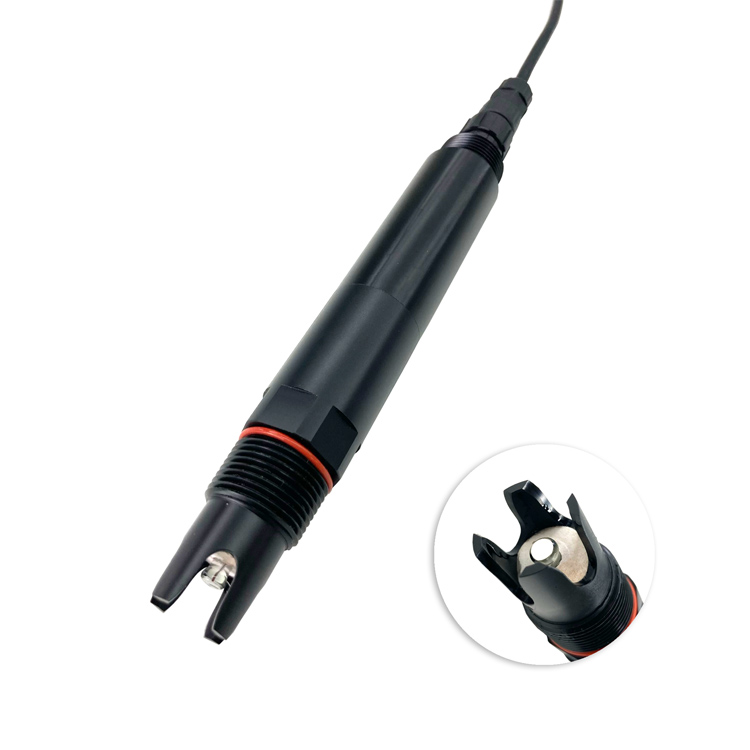
A standard industrial pH sensor is usually enough for surface water monitoring, drinking water treatment, aquaculture pH trend tracking and process points where cleaning and calibration are easy. In these cases, the buyer should focus on correct mounting, stable flow, buffer calibration and host compatibility rather than paying for a more complex sensor structure.
Ask about differential pH or a more durable industrial pH solution when the water contains oil, sludge, high suspended solids, strong chemical swings or materials that block the reference junction. Also consider it when a wrong pH reading can stop a discharge line, damage dosing equipment or create repeated maintenance visits at remote stations.
The same pH probe can behave differently in a tank, pipe, open channel or bypass flow cell. Immersion mounting is simple, but the probe must stay wet and be reachable for cleaning. Flow-through mounting gives better control of flow, but the sampling line, drain and blockage risk become part of the instrument. For RS485 integration, confirm address, baud rate, register map and scaling before field commissioning.
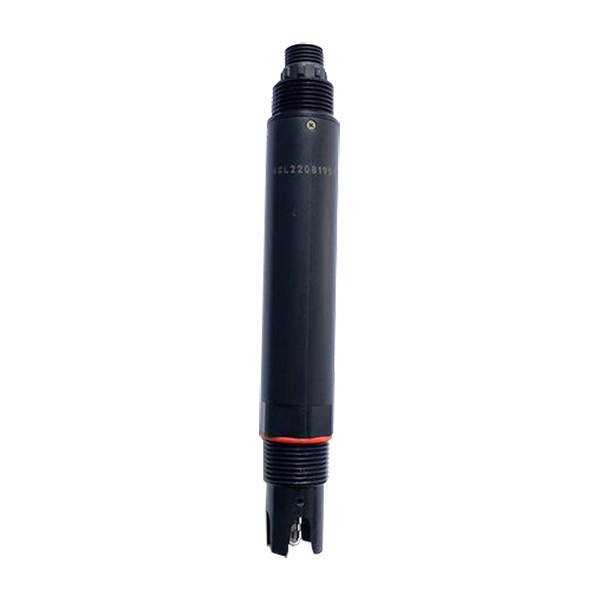
The RFQ should state whether the supplier provides only the pH probe or also the controller, display, cabinet, calibration solution, mounting bracket and communication gateway. Lifecycle cost should include electrode replacement, buffer use, cleaning labor and calibration downtime. For export projects, ask for manuals, wiring diagrams, Modbus register map and spare part recommendations with the quotation.
For an RFQ, send water type, expected concentration range, temperature, pressure, installation method, cable length, output preference, quantity and destination country. For industrial pH monitoring, include whether the point is for spot checking, closed-loop control, alarm evidence or long-term trend records.
For contractor projects, also define who supplies the cabinet, controller, sampling line, power supply, lightning protection, civil work and communication card. Clear supply boundaries prevent delays during commissioning and make quotations easier to compare.

Water difficulty can be estimated before ordering. High suspended solids, oil, proteins, strong oxidants, sticky sludge, chemical shock and infrequent maintenance all increase risk. If the process is clean water with stable flow, a standard combination pH electrode may be practical. If the process is a neutralization tank, plating rinse, landfill leachate or dirty industrial discharge, the buyer should discuss a more durable pH configuration.
The right question is not whether differential pH is fashionable. The question is whether the reference system, glass membrane, housing and installation method can survive the operating cycle. A plant that cleans a probe every day may tolerate a simpler electrode. A remote station that is inspected once a month needs more conservative selection.
| Site condition | Combination electrode | More durable pH option |
|---|---|---|
| Clean water or light process water | Usually practical | May not be necessary. |
| High solids wastewater | Higher fouling risk | Consider stronger housing and easier cleaning. |
| Chemical dosing tank | Risk from concentration gradients | Use representative mounting or bypass. |
| Remote monitoring station | Maintenance cost may dominate | Prioritize stability and spare plan. |
Lifetime cost includes purchase price, electrode replacement, calibration labor, downtime, site access and wrong-control risk. A low-cost electrode can be reasonable for a local inspection point. It can be expensive when the site is remote or the sensor controls chemical dosing. Procurement teams should ask suppliers to separate sensor, controller, accessories, calibration materials and spare parts in the quotation.
For integrators, the after-sales boundary is also important. If several brands are mixed, the integrator owns the troubleshooting work. If one supplier provides sensor, communication information and accessories, responsibility is clearer during commissioning.
A pH system should be accepted with buffer response, site-water stability and host-system verification. The test should record buffer values, temperature, Modbus reading, analog output if used, cable routing, grounding and alarm setpoint. The site team should also test whether the sensor can be removed and cleaned without stopping the whole process.
If the sensor is installed in a difficult water body, schedule the first maintenance inspection earlier than the normal interval. The first inspection tells the buyer whether fouling, coating or deposits are worse than expected.
Many procurement teams do not have complete water chemistry at the quotation stage. In that case, use a conservative description: wastewater with oil risk, variable pH, possible suspended solids, outdoor installation and monthly maintenance access. This gives the supplier a reason to avoid the weakest configuration. If later sampling proves the water is clean, the specification can be simplified.
A trial installation can be useful for difficult water. Install the selected pH probe where cleaning is possible, record drift, note coating type and compare with a portable meter. After two or three maintenance cycles, the buyer will know whether the selected electrode is acceptable or whether a different structure is justified.
| Unknown factor | Conservative assumption | Reason |
|---|---|---|
| Fouling | Assume cleaning access is needed | Dirty water often surprises buyers. |
| Cable route | Assume waterproof extension is required | Field junctions are frequent failure points. |
| Host input | Ask for both RS485 and 4-20 mA needs | Avoid redesigning the panel later. |
| Maintenance skill | Include clear calibration instructions | Local staff may not know pH electrode handling. |
For distributors, the practical explanation is simple: a combination electrode is a good default for many water projects, while a differential or more durable pH solution is considered when water conditions punish ordinary electrodes. This is a more credible sales discussion than describing one option as universally superior.
When a customer asks for the lowest price, ask about replacement history, cleaning interval and whether pH controls a dosing pump. If the customer replaces probes often or cannot visit the site regularly, a higher-grade solution may reduce total cost. If the customer only performs local inspection, a simpler setup may be enough.
Before issuing the purchase order, confirm whether the quotation is based on a standard pH probe, a 4-series probe with optional analog output or a more durable industrial configuration. The purchase order should also state cable length, installation thread, output, required documents and whether calibration supplies are included. These details are small on paper but often decide whether field installation finishes in one visit.
If the site has already had pH failures, send photos of the failed probe, deposits and mounting position. A supplier can often identify whether the problem is fouling, drying, chemical attack or poor sampling. That information is more useful than only asking for a replacement electrode.
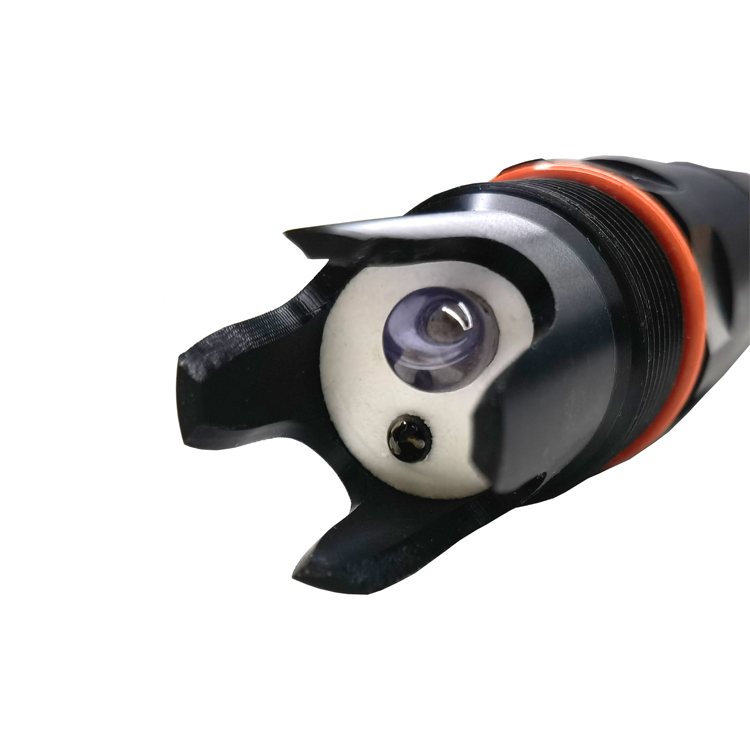
A: Not automatically. It may be more stable in difficult water, but accuracy still depends on calibration, installation and sample representativeness.
A: Avoid it when the water is dirty, chemically aggressive, remote, or used for dosing control. Maintenance access and drift risk matter more than the unit price.
A: Yes. The pH sensor range supports RS485 Modbus RTU, and 4-series models can provide optional 4-20 mA output for analog control systems.
A: Compare electrode type, output, cable length, mounting method, controller, calibration supplies, spare probes, documentation, lead time and after-sales support.
A: Check pH response in buffer solution, temperature compensation, Modbus communication, alarm threshold, analog scaling if used and stable reading in site water.
A: Usually aquaculture does not need differential pH unless the water is unusually dirty or maintenance access is poor. DO, temperature and ammonia often matter more.
A: Send water composition, suspended solids, temperature, pressure, installation photos, expected pH range and whether the reading controls dosing.
A: Only if the fitting keeps the electrode wet, protected and accessible. Many process lines use a flow cell or bypass for easier maintenance.
A: NiuBoL can match standard pH, 4-series pH and multi-parameter packages when the buyer provides water condition and host system details.

A differential pH sensor should be considered when standard electrodes cannot provide stable service in difficult water. For many projects, a correctly installed NiuBoL online pH sensor with RS485 Modbus RTU, IP68 protection and planned calibration gives a more practical balance of cost, integration and maintenance.
 NBL-WQ-PH Online Water Quality pH Sensor.pdf
Prev:How to Choose a pH Meter for Water Testing: Buyer Checks for Projects
Next:Dissolved Oxygen Measurement in Water: Method, Errors and Calibration Checks
Related recommendations
Sensors & Weather Stations Catalog
Agriculture Sensors and Weather Stations Catalog-NiuBoL.pdf
Weather Stations Catalog-NiuBoL.pdf
Agriculture Sensors Catalog-NiuBoL.pdf
Water Quality Sensor Catalog-NiuBoL.pdf
Related products
 Combined air temperature and relative humidity sensor
 TDR Soil Moisture & Temperature Sensor for irrigation| RS485 |4-20mA| NBL-S-THR
 Soil pH sensor RS485 soil Testing instrument soil ph meter for agriculture |NBL-S-PH
 Wind Speed sensor Output Modbus/RS485/Analog/0-5V/4-20mA
 Tipping bucket rain gauge for weather monitoring auto rainfall sensor RS485/Outdoor/stainless steel
 Pyranometer Solar Radiation Sensor 4-20mA/RS485

Screenshot, WhatsApp to identify the QR code
WhatsApp number:+8615367865107
(Click on WhatsApp to copy and add friends)

