





— Blogs —
—Products—
 Consumer hotline +8618073152920
 WhatsApp:+8615367865107
Address:Room 102, District D, Houhu Industrial Park, Yuelu District, Changsha City, Hunan Province, China
Product knowledge
Time:2026-07-20 13:28:51 Popularity:236
Dissolved oxygen measurement in water is used to judge whether aquatic life, biological treatment or process water has enough oxygen for the required operation. A single DO value can trigger aeration, feeding decisions, alarm response or compliance investigation, so the measurement method and installation quality matter as much as the sensor model.
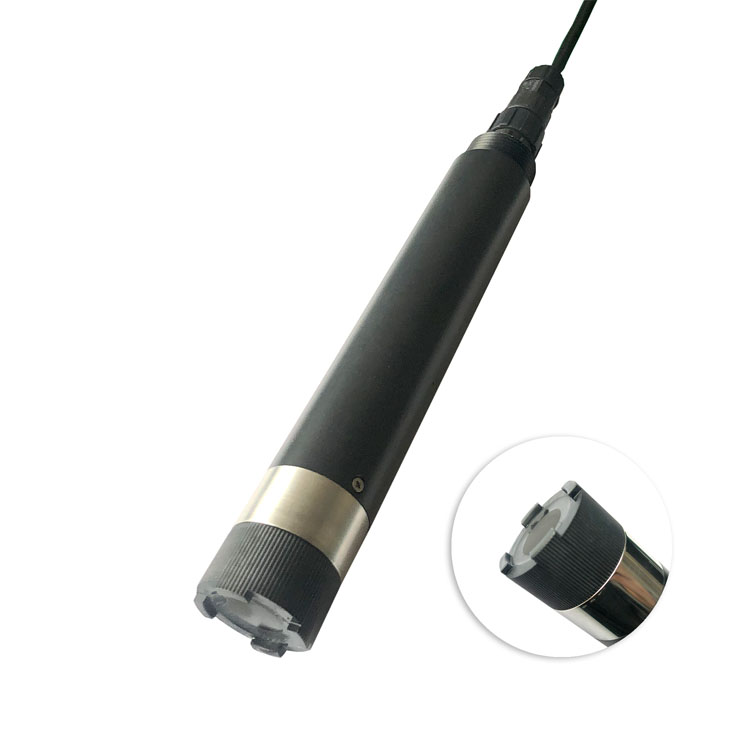
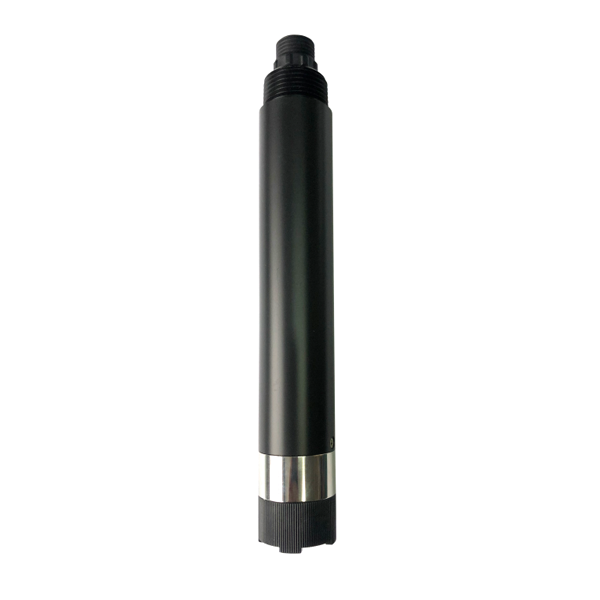
Fluorescence dissolved oxygen sensors do not consume oxygen during measurement, which makes them suitable for continuous monitoring in aquaculture, wastewater treatment and environmental stations. The verified NiuBoL DO range is 0 to 20 mg/L and 0 to 200% saturation at 25°C, with 0.01 mg/L resolution and automatic temperature compensation using Pt1000.
| Parameter | Verified specification or buyer note |
|---|---|
| Model | NBL-WQ-DO / NBL-WQ-DO-4A |
| Measuring principle | Fluorescence method |
| Range | 0 to 20 mg/L, 0 to 200% saturation at 25°C |
| Resolution | 0.01 mg/L, 0.1°C |
| Accuracy | ±2% F.S., temperature ±0.3°C |
| Working condition | 0 to 45°C,<0.2 MPa |
| Signal output | RS485 Modbus RTU; 4-20 mA optional on 4A |
| Protection | IP68; POM and 316L stainless steel shell |
Temperature changes DO solubility and sensor response. Salinity changes oxygen solubility in seawater or brackish aquaculture. Atmospheric pressure affects saturation calculation, especially when sites are at different elevations. If a project compares DO saturation across sites, compensation settings should be written into the commissioning checklist.
| Error source | What happens | Buyer check |
|---|---|---|
| Biofilm or sludge | Response becomes slow and readings may drift | Plan cleaning interval and probe access. |
| Air bubbles | Readings may spike above real dissolved oxygen | Avoid turbulent mounting points. |
| Poor circulation | Sensor reads stagnant water, not the process | Choose representative flow or mixing location. |
| No cross-check | Operators cannot separate sensor drift from process change | Use portable DO or lab check during audit. |
| Wrong alarm logic | Aeration starts too late or runs too long | Use warning and emergency thresholds. |
The NiuBoL DO manuals describe two-point calibration and a fluorescent cap life guaranteed for one year under normal use. Project acceptance should not stop at seeing values on a platform. It should check reading stability, temperature value, communication, data storage, alarm output and comparison with a controlled reference or portable meter.
In aquaculture, DO measurement supports aerator control and feeding risk management. In wastewater, it helps operators manage biological treatment and energy use. In rivers and lakes, DO trends help identify oxygen depletion events. The sensor is not a replacement for site operation knowledge; it gives measured evidence for decisions that previously relied on experience or delayed sampling.
For an RFQ, send water type, expected concentration range, temperature, pressure, installation method, cable length, output preference, quantity and destination country. For NBL-WQ-DO or NBL-WQ-DO-4A, include whether the point is for spot checking, closed-loop control, alarm evidence or long-term trend records.
For contractor projects, also define who supplies the cabinet, controller, sampling line, power supply, lightning protection, civil work and communication card. Clear supply boundaries prevent delays during commissioning and make quotations easier to compare.
Spot tests and portable meters are useful when the buyer needs inspection data, commissioning checks or a backup method. Online DO sensors are needed when oxygen values drive aeration, alarms, water exchange or continuous records. A wastewater plant that adjusts aeration by DO needs online data. A small pond that only checks conditions weekly may begin with portable verification, then add online monitoring when risk or labor cost justifies it.
Online fluorescence DO measurement is often preferred because it is suitable for continuous monitoring and does not consume oxygen at the sensing surface. The buyer still has to manage biofilm, mud, algae, bubbles and poor circulation. Method choice reduces some risks, but it does not remove installation responsibility.
| Application | Recommended DO approach | Reason |
|---|---|---|
| Fish pond with aerators | Online DO plus alarms | Night oxygen drops can be missed by manual checks. |
| Wastewater aeration basin | Online DO with trend records | Supports aeration control and energy review. |
| River station | Online DO plus periodic verification | Trend data supports event detection. |
| Commissioning audit | Portable meter and reference check | Verifies online sensor performance. |
Probe position should represent the managed water volume. In a pond, avoid direct aerator bubbles unless the purpose is to monitor aerator discharge. In an aeration basin, avoid dead zones and places where sludge can bury the sensor. In rivers, consider water depth, seasonal level change, floating debris and maintenance safety.
Cable routing also matters. An IP68 sensor can be immersed, but junction points and user-side cable extensions still need waterproof treatment. Poor cable protection is a common reason for unstable readings after rain or maintenance work.
A DO value becomes useful for management only when operators trust it. Keep records of calibration date, cleaning date, comparison method, sensor cap replacement and abnormal events. When a DO alarm happens, the operator should know whether the probe was recently cleaned or whether the value may be affected by maintenance.
For NiuBoL DO sensors, the fluorescent cap life is specified as guaranteed for one year under normal use. Buyers should include this part in spare planning, especially for remote stations and aquaculture farms that cannot wait for emergency replacement.
The first month of DO data should be treated as both operation data and commissioning evidence. In aquaculture, compare DO values with feeding time, aerator operation, weather and mortality or stress signs. In wastewater, compare DO trends with blower status, influent load and treatment performance. The goal is to learn whether the sensor position and alarm values match the actual process.
If readings look too stable, inspect the sensor for fouling or poor water exchange. If readings jump suddenly, check bubbles, cable noise, cleaning activity and communication records. A DO sensor should not be blamed or trusted blindly; the site team should use maintenance notes and cross-checks to decide whether the data are valid.
| Data pattern | Possible meaning | Action |
|---|---|---|
| Gradual downward trend | Oxygen demand increasing or sensor fouling | Check process and clean probe. |
| Sharp high spikes | Bubbles or turbulence | Review mounting point. |
| Flat line | Sensor stuck, communication issue or no water exchange | Inspect probe and logger. |
| Daily cycle | Normal pond biology or aeration schedule | Set alarms around local pattern. |
For remote sites, include at least one spare fluorescent cap, cleaning supplies and cable protection material in the maintenance plan. If the project has several ponds or basins, label sensors by location and keep cap replacement records separately. This makes it easier to diagnose whether one point is a process problem or one probe is aging faster than the rest.
A system integrator should focus on output, power, register map, cable length and mounting. A farm manager cares more about night-time oxygen risk, aerator response and cleaning access. A wastewater engineer cares about aeration efficiency and basin control. The same DO sensor may serve all three users, but the quotation and documentation should answer different questions.
For distributors, prepare two packages: sensor-only for integrators with their own controllers, and a monitoring package with data logger, platform and accessories for end users. This makes the DO offer easier to match to the buyer's skill level and project scope.
| Buyer | Main concern | Quote detail to include |
|---|---|---|
| Integrator | Host compatibility | RS485 settings, 4-20 mA option, register map. |
| Farm owner | Alarm and response | Platform, notification method, cleaning access. |
| Wastewater plant | Process control | Mounting, calibration, trend export. |
Before ordering, decide whether the sensor will be used for display, alarm or automatic control. Display-only projects can tolerate slower response and simpler workflow. Alarm or control projects need more careful placement, reliable power, manual override and an acceptance test that proves the operator can respond correctly. This decision changes the controller and platform requirement.
Also confirm whether the water is freshwater, seawater, sludge-rich wastewater or a mixed process. Salinity, solids and biological growth affect compensation and cleaning. For NiuBoL selection support, send the water type, expected DO range, installation depth, cable length and required output.
For a fish pond project, acceptance can be performed at one high-risk pond and one normal pond. The team checks DO readings at the installed probe, compares with a portable meter, starts the aerator, watches whether the trend responds and confirms that the platform stores the event. This is more useful than checking only whether the sensor value appears online.
For a wastewater basin, the same idea applies with blower operation instead of aerators. The buyer should record whether DO changes after control action and whether the value returns to a reasonable trend. This links the sensor to the operating process.
A: Most water projects use mg/L for concentration and percent saturation for comparison against temperature and pressure conditions.
A: Photosynthesis, respiration, feeding, aeration and temperature create daily cycles. A single daytime measurement may miss night-time oxygen risk.
A: Use continuous DO monitoring when aeration, fish safety, biological treatment or alarm response depends on oxygen changes.
A: The NiuBoL online fluorescence DO sensor range is 0 to 20 mg/L, or 0 to 200% saturation at 25°C.
A: Yes. Biofilm, sludge and algae can slow response. Cleaning frequency depends on water condition and installation access.
A: Yes. NiuBoL DO sensors support RS485 Modbus RTU, and the 4A model can provide optional 4-20 mA output.
A: Check sensor position, DO response, alarm thresholds, manual override, aerator feedback and historical records.
A: Use more points when ponds, tanks or basins have uneven depth, flow, aeration or stocking density.
A: Include water type, DO range, temperature, salinity, installation method, cable length, output type, quantity and whether aeration control is required.
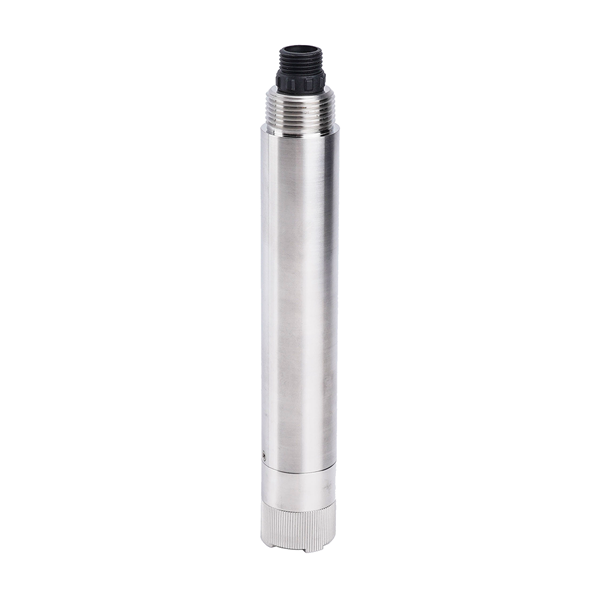
Dissolved oxygen measurement in water is useful when the project controls installation, calibration and data interpretation. NiuBoL fluorescence DO sensors provide RS485 Modbus RTU, IP68 protection, automatic temperature compensation and practical specifications for aquaculture, wastewater and environmental monitoring projects.
 NBL-WQ-CL Water Quality Sensor Online Residual Chlorine Sensor.pdf
NBL-WQ-DO Online Fluorescence Dissolved Oxygen Sensor.pdf
NBL-WQ-NHN Ammonia Nitrogen Water Quality Sensor.pdf
NBL-WQ-COD Online Water Quality COD Sensor.pdf
NBL-WQ-PH Online pH Water Quality Sensor.pdf
NBL-WQ-EC water quality conductivity sensor.pdf
Prev:Differential pH Sensor vs Combination Electrode: Practical Selection for Industrial Water
Next:Free Chlorine vs Total Chlorine Analyzer: Which Measurement Does Your Process Need?
Related recommendations
Sensors & Weather Stations Catalog
Agriculture Sensors and Weather Stations Catalog-NiuBoL.pdf
Weather Stations Catalog-NiuBoL.pdf
Agriculture Sensors Catalog-NiuBoL.pdf
Water Quality Sensor Catalog-NiuBoL.pdf
Related products
 Combined air temperature and relative humidity sensor
 TDR Soil Moisture & Temperature Sensor for irrigation| RS485 |4-20mA| NBL-S-THR
 Soil pH sensor RS485 soil Testing instrument soil ph meter for agriculture |NBL-S-PH
 Wind Speed sensor Output Modbus/RS485/Analog/0-5V/4-20mA
 Tipping bucket rain gauge for weather monitoring auto rainfall sensor RS485/Outdoor/stainless steel
 Pyranometer Solar Radiation Sensor 4-20mA/RS485

Screenshot, WhatsApp to identify the QR code
WhatsApp number:+8615367865107
(Click on WhatsApp to copy and add friends)

