





— Blogs —
—Products—
 Consumer hotline +8618073152920
 WhatsApp:+8615367865107
Address:Room 102, District D, Houhu Industrial Park, Yuelu District, Changsha City, Hunan Province, China
Product knowledge
Time:2026-07-20 13:28:54 Popularity:297
A total chlorine analyzer and a free chlorine sensor answer different questions. Free chlorine is usually tied to available disinfectant in water. Total chlorine includes combined chlorine species as well. Before buying a water chlorine sensor, the project team should identify the disinfectant chemistry, reporting requirement and control purpose.
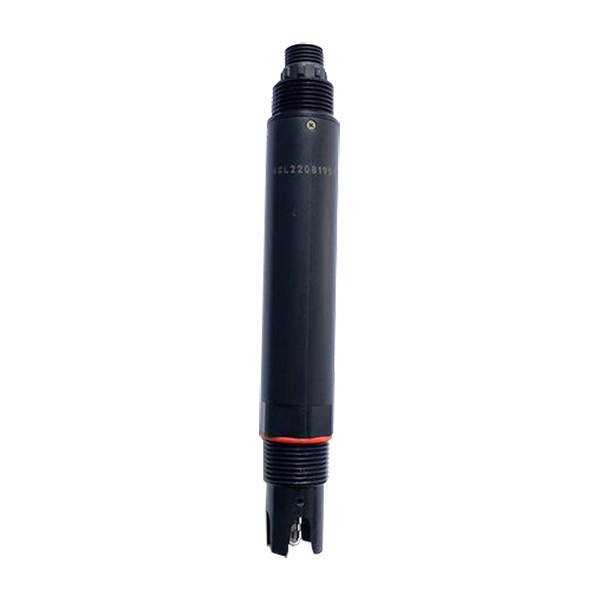
If the site is a drinking water plant or secondary disinfection point, the required indicator may be free residual chlorine. If the process involves chloramine or requires combined chlorine evaluation, total chlorine may be required. A buyer should not substitute one measurement for the other only because the sensor name contains chlorine.
| Parameter | Verified specification or buyer note |
|---|---|
| Model | NBL-WQ-CL / NBL-WQ-CL-4A / NBL-WQ-CL-4S |
| Method | Constant voltage method for HClO |
| Range options | 0 to 2.000 mg/L or 0 to 20.00 mg/L |
| Resolution | 0.001 mg/L or 0.01 mg/L by range |
| Accuracy | ±5% or ±0.05 mg/L, temperature typically ±0.3 to ±0.5°C |
| Medium pH | pH 4 to 9 |
| Installation | Flow tank or circulation pool, 30 to 60 L/h for NBL-WQ-CL |
| Output | RS485 Modbus RTU; 4-20 mA optional on 4-series |
NiuBoL residual chlorine sensors use the constant voltage method for HClO. The verified ranges include 0 to 2.000 mg/L and 0 to 20.00 mg/L by model, with flow tank or circulation pool installation. The medium pH range is 4 to 9, which is important because chlorine chemistry and sensor response are affected by pH.
| Process | Likely measurement | Engineering note |
|---|---|---|
| Municipal drinking water | Free residual chlorine or project-defined residual disinfectant | Confirm local standard before choosing range. |
| Swimming pool or clean water loop | Residual chlorine trend and alarm | Stable flow and pH control improve reliability. |
| Wastewater disinfection | Residual chlorine or total chlorine depending on permit | High solids may require sampling and maintenance review. |
| Food and beverage wash water | Residual disinfectant monitoring | Check sanitary installation and verification method. |
The NBL-WQ-CL manual specifies circulation pool installation and a 30 to 60 L/h flow speed. That detail is not minor. If flow is too low, response becomes slow. If flow is unstable, the reading may not represent the process. Flow cell, pump, filter, drain and cleaning access should be included in the quotation scope when needed.
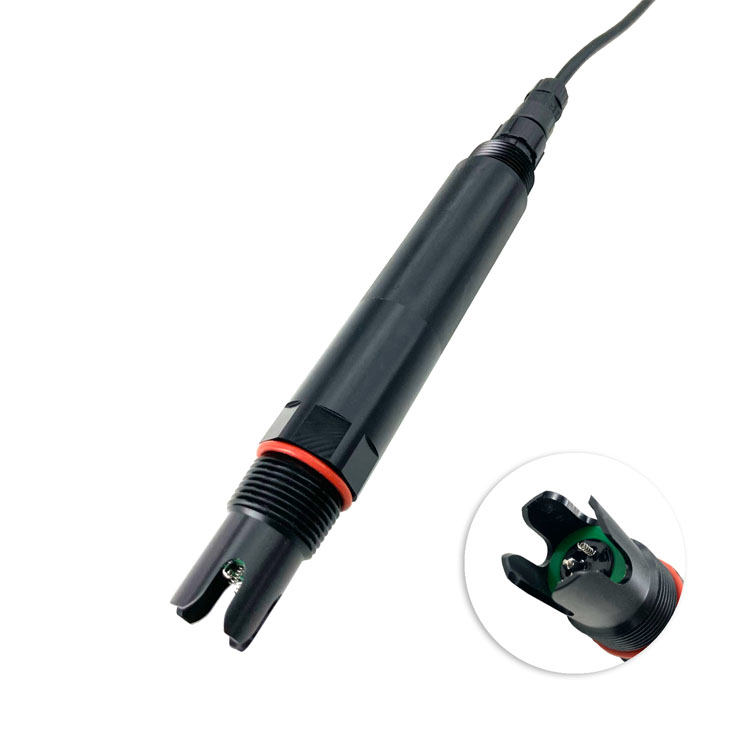
Ask whether the quotation includes sensor, controller, flow cell, mounting parts, calibration supplies, signal output and communication documentation. For a PLC or SCADA system, confirm RS485 Modbus RTU registers or 4-20 mA scaling. For remote monitoring, confirm how alarms are stored and how maintenance periods are marked in the data record.
For an RFQ, send water type, expected concentration range, temperature, pressure, installation method, cable length, output preference, quantity and destination country. For NBL-WQ-CL or NBL-WQ-CL-4, include whether the point is for spot checking, closed-loop control, alarm evidence or long-term trend records.
For contractor projects, also define who supplies the cabinet, controller, sampling line, power supply, lightning protection, civil work and communication card. Clear supply boundaries prevent delays during commissioning and make quotations easier to compare.
Start by asking what the site must report. If the site must show available disinfectant in a clean water process, free residual chlorine may be required. If the process uses chloramination or combined chlorine must be known, total chlorine becomes relevant. If the site only needs to protect a downstream process from excess disinfectant, the acceptable indicator may be different again.
The second question is whether the value is used for compliance, process control or internal trend review. Compliance and control points need stronger documentation, verification and alarm design. Internal trend points may tolerate simpler instrumentation if staff perform regular checks.
| Question | If yes | Procurement action |
|---|---|---|
| Is a regulation or permit involved? | Measurement type is not optional | Confirm free or total chlorine before quotation. |
| Is dosing controlled automatically? | Response and stability matter | Specify flow, pH and alarm logic. |
| Is the water dirty? | Sampling design may dominate | Plan filter, flow cell and cleaning. |
| Is remote data required? | Digital integration matters | Request Modbus register map and data units. |
Residual chlorine sensors do not operate in isolation from water chemistry. pH changes chlorine species, while flow changes response time and measurement stability. A chlorine project should therefore include pH condition and sampling flow in the RFQ. If pH varies widely, chlorine readings should be interpreted with caution and cross-checked during commissioning.
For NBL-WQ-CL, the documented flow speed is 30 to 60 L/h. For 4-series flow tank models, the buyer should confirm the proposed sampling assembly and installation orientation. If these parts are excluded from the quotation, the local contractor must design them correctly.

A chlorine analyzer handover package should include model, range, wiring diagram, output scaling, Modbus register map, calibration method, flow requirement, pH operating range and maintenance schedule. This information is useful for the owner after the integrator leaves the site.
For distributors, the same documents reduce repeated support questions. When the buyer knows the required chlorine type and sends water chemistry details, NiuBoL can recommend a more accurate configuration and avoid unnecessary replacement after installation.
If the buyer does not know whether the project requires free or total chlorine, stop the model selection and ask for the process standard, disinfectant type and reporting form. This is not a small wording issue. A sensor chosen for the wrong chlorine form may be technically functional but commercially useless because it does not satisfy the acceptance document.
Contractors should put this question in the pre-bid clarification list. It is better to clarify before quotation than to discover during commissioning that the owner expected a different chlorine measurement. If the specification is ambiguous, quote the assumption clearly and list the alternative measurement separately.
| Specification wording | Risk | Clarification needed |
|---|---|---|
| Chlorine analyzer | Measurement type unclear | Free, total or residual chlorine? |
| Residual disinfectant | May depend on local standard | Required reporting method. |
| Online chlorine meter | Installation scope unclear | Sensor only or complete flow cell? |
| SCADA output | Signal not defined | RS485 register or 4-20 mA scaling. |
Chlorine monitoring needs regular comparison with a recognized field method. The owner should decide whether operators, lab staff or an outsourced service team perform verification. If no one owns this task, a chlorine analyzer may keep sending data but lose credibility when the process changes.
The contract or purchase order should name the required chlorine form, range, output and sampling arrangement. If the buyer writes only chlorine analyzer, both sides may interpret the requirement differently. A precise description such as online residual chlorine sensor, 0 to 2 mg/L HClO, RS485 Modbus RTU, flow tank installation and pH 4 to 9 operating condition is easier to deliver and accept.
For projects with uncertain final approval, include an assumption note in the quotation. State whether the offer is based on free residual chlorine, total chlorine or another residual disinfectant requirement. This protects both the buyer and supplier from a wrong measurement basis.
| Contract line | Acceptable detail |
|---|---|
| Measurement | Free residual chlorine, total chlorine or project-defined residual disinfectant. |
| Range | 0 to 2 mg/L or 0 to 20 mg/L as required. |
| Installation | Flow tank, circulation pool, sampling pump or pipe arrangement. |
| Output | RS485 Modbus RTU or optional 4-20 mA. |
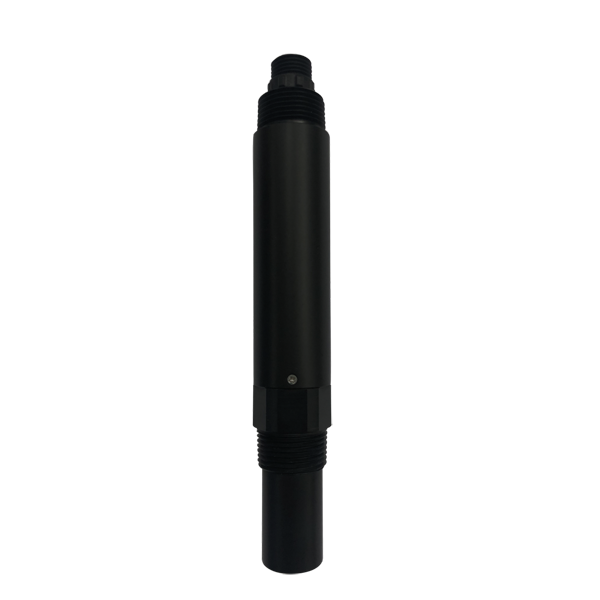
Before ordering, ask the owner or regulator to confirm the measurement basis in writing. If the requirement is free chlorine, do not assume a total chlorine analyzer will be accepted. If the requirement is total chlorine, do not quote only a residual chlorine sensor without explaining the assumption. This protects the buyer from buying a technically sound instrument for the wrong acceptance target.
The purchase order should also mention flow arrangement, pH range, output interface and comparison method. A chlorine instrument is usually judged against site testing, so the comparison method should be available during commissioning.
In a water plant retrofit, the existing panel may already have analog input, while the new monitoring platform prefers digital data. In that case, a 4-series chlorine sensor with RS485 Modbus RTU and optional 4-20 mA can reduce conflict between old and new systems. The buyer should state whether both outputs are required at the same time.
The retrofit team should also inspect whether the existing sample line provides stable flow. Reusing old plumbing may save cost, but only if flow, bubbles and drain conditions are acceptable for the new sensor.
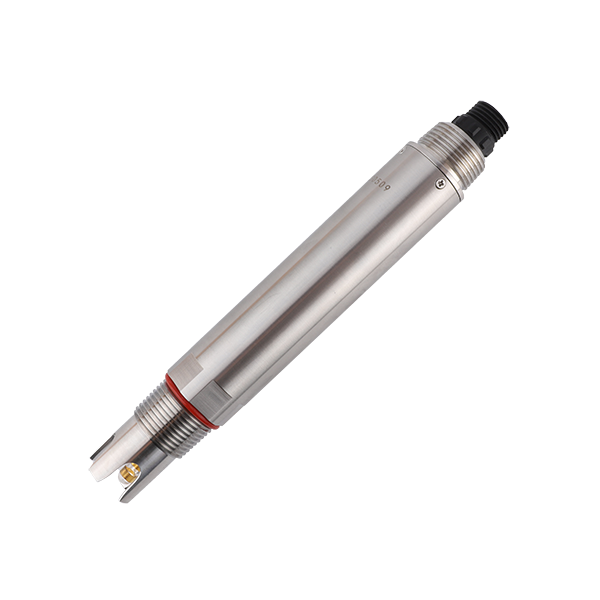
A: No. Free chlorine indicates available disinfectant species, while total chlorine includes free and combined chlorine. The required measurement depends on the process and standard.
A: No. Range, method, pH condition, flow cell design and reporting requirement must match the site. The project team should confirm the installation point, maintenance access, output interface and acceptance record before using the value for routine operation.
A: NiuBoL residual chlorine sensor specifications list medium pH 4 to 9. Outside this range, sensor suitability should be reviewed before ordering.
A: The sensor depends on representative water movement. Poor or unstable flow can cause slow response, drift or values that do not match the main process.
A: NiuBoL residual chlorine sensors support RS485 Modbus RTU, and 4-series models can provide optional 4-20 mA output. The project team should confirm the installation point, maintenance access, output interface and acceptance record before using the value for routine operation.
A: Use portable or laboratory verification during commissioning, calibration checks, abnormal events and compliance audits.
A: Range, output, controller, flow cell, installation accessories, calibration parts, spare components and quantity all affect price.
A: Check flow, pH condition, sensor response, communication, alarm threshold, calibration record and comparison with a reference test.
NBL-WQ-CL Water Quality Sensor Online Residual Chlorine Sensor.pdf
NBL-WQ-DO Online Fluorescence Dissolved Oxygen Sensor.pdf
NBL-WQ-NHN Ammonia Nitrogen Water Quality Sensor.pdf
NBL-WQ-COD Online Water Quality COD Sensor.pdf
NBL-WQ-PH Online pH Water Quality Sensor.pdf
NBL-WQ-EC water quality conductivity sensor.pdf
Prev:Dissolved Oxygen Measurement in Water: Method, Errors and Calibration Checks
Next:CO2 Water Sensor Planning for Aquaculture: What to Monitor With Dissolved Oxygen
Related recommendations
Sensors & Weather Stations Catalog
 Agriculture Sensors and Weather Stations Catalog-NiuBoL.pdf
Weather Stations Catalog-NiuBoL.pdf
Agriculture Sensors Catalog-NiuBoL.pdf
Water Quality Sensor Catalog-NiuBoL.pdf
Related products
 Combined air temperature and relative humidity sensor
 TDR Soil Moisture & Temperature Sensor for irrigation| RS485 |4-20mA| NBL-S-THR
 Soil pH sensor RS485 soil Testing instrument soil ph meter for agriculture |NBL-S-PH
 Wind Speed sensor Output Modbus/RS485/Analog/0-5V/4-20mA
 Tipping bucket rain gauge for weather monitoring auto rainfall sensor RS485/Outdoor/stainless steel
 Pyranometer Solar Radiation Sensor 4-20mA/RS485

Screenshot, WhatsApp to identify the QR code
WhatsApp number:+8615367865107
(Click on WhatsApp to copy and add friends)

