





— Blogs —
—Products—
 Consumer hotline +8618073152920
 WhatsApp:+8615367865107
Address:Room 102, District D, Houhu Industrial Park, Yuelu District, Changsha City, Hunan Province, China
Product knowledge
Time:2026-07-20 13:28:58 Popularity:296
A CO2 water sensor request in aquaculture usually signals a broader problem: the buyer needs to understand respiration, aeration, pH shift and fish stress together. In many pond and recirculating aquaculture systems, dissolved oxygen, temperature, pH and ammonia nitrogen are the first online parameters to specify. CO2 may need a dedicated method when carbon dioxide control is a defined operational requirement.
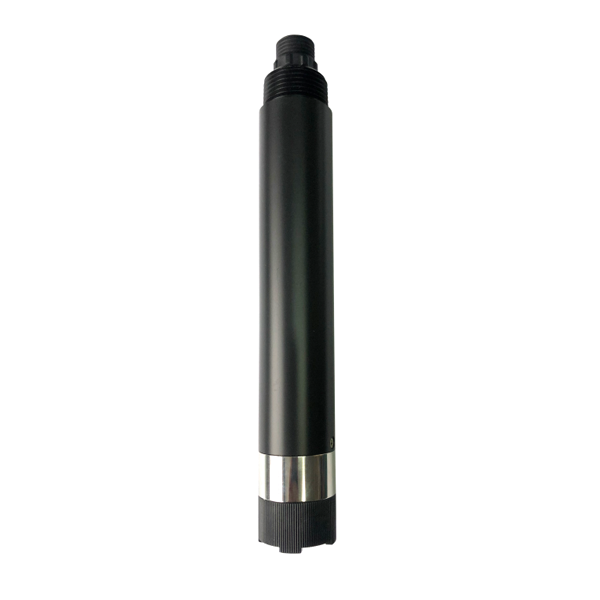
Carbon dioxide and dissolved oxygen move in opposite directions during many aquaculture cycles. At night, respiration consumes oxygen and can increase CO2. During daylight, algae and plants may change pH and oxygen. If a buyer only watches one parameter, the operator may miss the real risk signal. DO, pH, temperature and ammonia provide a more practical first layer of control.
| Parameter | Why it matters in aquaculture | Sensor note |
|---|---|---|
| Dissolved oxygen | Direct fish stress and aeration control indicator | Fluorescence DO, 0 to 20 mg/L. |
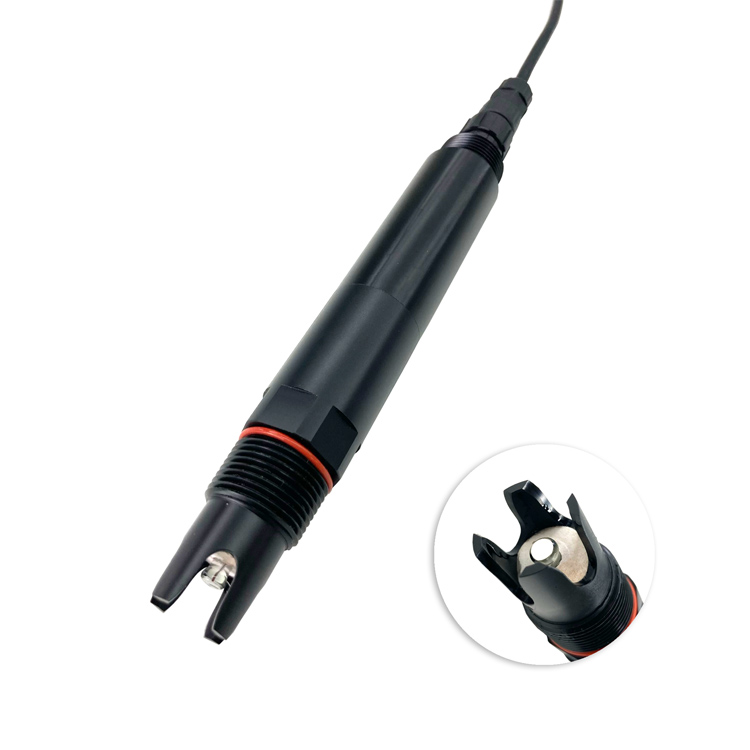
| pH | Affects fish comfort and ammonia toxicity | Online pH, 0 to 14 pH. |
| Temperature | Changes metabolism, oxygen solubility and feeding | Built into several sensor packages. |
| Ammonia nitrogen | Toxicity risk, especially when pH is high | NBL-WQ-NHN range options up to 1000 mg/L. |
| Conductivity or salinity | Useful for brackish or recirculating systems | EC or salinity sensor package. |
| Parameter | Verified specification or buyer note |
|---|---|
| Model | NBL-WQ-DO / NBL-WQ-DO-4A |
| Measuring principle | Fluorescence method |
| Range | 0 to 20 mg/L, 0 to 200% saturation at 25°C |
| Resolution | 0.01 mg/L, 0.1°C |
| Accuracy | ±2% F.S., temperature ±0.3°C |
| Working condition | 0 to 45°C, <0.2 MPa |
| Signal output | RS485 Modbus RTU; 4-20 mA optional on 4A |
| Protection | IP68; POM and 316L stainless steel shell |
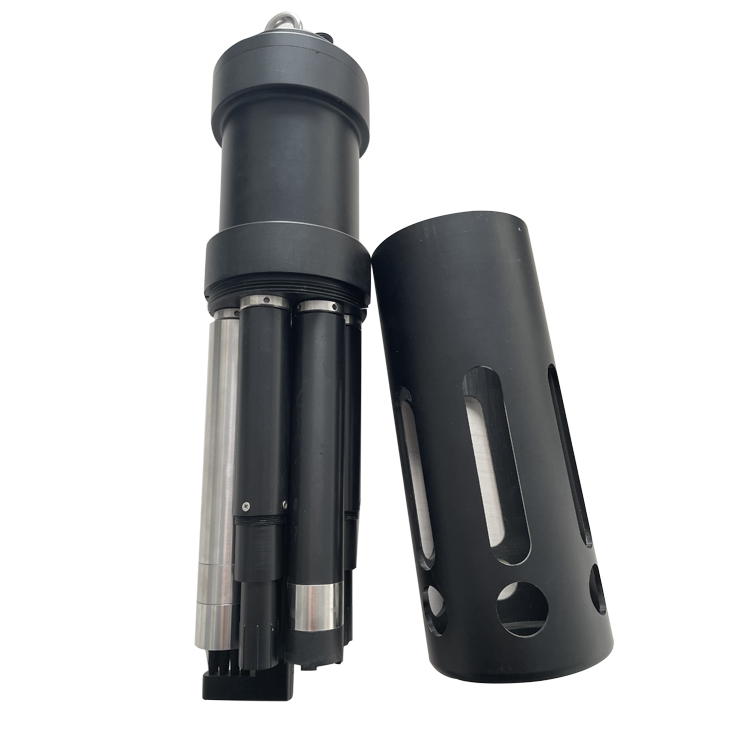
A multi-parameter probe can reduce cabling, simplify installation and make one monitoring point easier to maintain. NiuBoL multi-parameter packages can combine DO, turbidity, conductivity or salinity, COD option, pH, ORP and ammonia nitrogen options depending on configuration. For floating stations or remote ponds, fewer underwater cables and self-cleaning design may reduce service visits.
| Parameter | Verified specification or buyer note |
|---|---|
| Model | NBL-WQ-MPS-5A / multi-parameter package |
| DO | 0 to 20 mg/L, ±2%, 0.01 mg/L |
| Turbidity | 0 to 100 NTU or 0 to 1000 NTU, 0.1 NTU |
| Conductivity/salinity | 0 to 5000 µS/cm, 0 to 200 mS/cm, 0 to 70 PSU |
| pH | 0 to 14 pH, ±0.1 pH, 0.01 pH |
| ORP | -1500 mV to +1500 mV, ±6 mV |
| COD option | 0 to 200 or 0 to 500 mg/L equivalent KHP |
| Use case | Buoy, river, aquaculture and station packages where cleaning and fewer cables matter |
A large pond may need several points because wind, aerator position, depth and feeding zones create uneven water quality. A tank system may need one sensor per recirculation loop or biofilter outlet. A recirculating aquaculture system often needs DO before and after treatment, pH in the main loop and ammonia nitrogen at the risk point. The monitoring layout should follow the management decision, not only the pond count.
Alarm logic should separate warning values from emergency values. A warning gives the operator time to adjust aeration or feeding. A emergency alarm may trigger immediate aeration or inspection. The platform should store alarm history, manual actions and sensor maintenance periods so that managers can review what happened before fish stress or mortality.
For an RFQ, send water type, expected concentration range, temperature, pressure, installation method, cable length, output preference, quantity and destination country. For aquaculture water quality monitoring, include whether the point is for spot checking, closed-loop control, alarm evidence or long-term trend records.
For contractor projects, also define who supplies the cabinet, controller, sampling line, power supply, lightning protection, civil work and communication card. Clear supply boundaries prevent delays during commissioning and make quotations easier to compare.
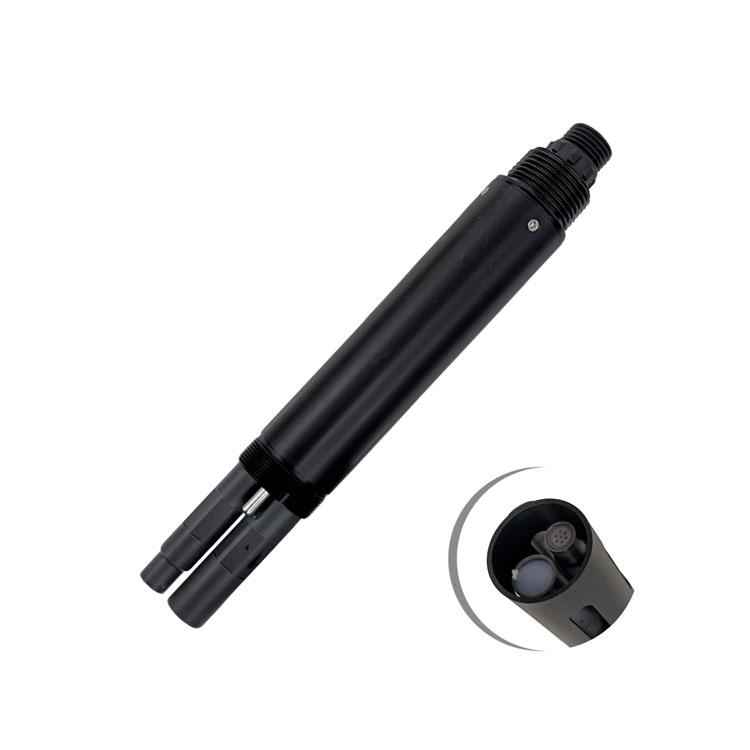
Aquaculture buyers may ask for a CO2 water sensor because fish are stressed, aeration cost is high or pH changes are difficult to explain. In many cases, the practical monitoring package starts with DO, pH, temperature and ammonia nitrogen. These values help the operator understand whether the risk is oxygen depletion, pH shift, biological load, feeding pressure or water exchange problem.
Dedicated CO2 measurement can be added when the project has a defined carbon dioxide control target, especially in recirculating aquaculture systems. For ordinary pond monitoring, a parameter package with clear alarm logic often provides better operating value than one isolated CO2 value.
| Aquaculture system | First parameter package | When to add CO2 focus |
|---|---|---|
| Earthen pond | DO, pH, temperature, ammonia nitrogen | When night-time stress remains unexplained. |
| RAS | DO, pH, ammonia nitrogen, conductivity/salinity | When degassing or carbon dioxide control is part of design. |
| Shrimp or brackish water | DO, pH, salinity, temperature | When stocking density and alkalinity create CO2 risk. |
| Research site | DO, pH, temperature plus dedicated CO2 | When data model requires carbon balance. |
A useful aquaculture monitoring system should tell the operator what to do. Low DO may trigger aeration. High ammonia with high pH may trigger feeding reduction or water exchange. Fast pH movement may require checking alkalinity, algae and CO2 risk. The platform should show trends, not only numbers, because pond water changes over hours.
Alarm thresholds should be reviewed with the farm manager. Imported thresholds without local context can create too many alarms or miss the real risk. During the first weeks, use the system to learn daily cycles before allowing automatic control to run without supervision.
Sensors must be mounted where fish, nets, feed residue and workers will not damage them. Cable protection, floating brackets, easy lifting and cleaning access matter. A sensor that is difficult to clean will not be maintained regularly, even if its specification is suitable.
For farms buying several sets, label each sensor and keep records by pond. This helps compare ponds and avoids mixing calibration history between sensors.
Not every farm should buy every parameter at once. A practical first phase may monitor DO, pH and temperature at the highest-risk ponds. After operators understand daily patterns, the second phase can add ammonia nitrogen, salinity or more monitoring points. This staged approach controls cost while still improving decisions.
A high-density RAS project may justify a broader package from the beginning because water quality changes faster and failures can affect many fish. Earthen pond projects may start with fewer points and portable verification. The correct path depends on risk, labor cost and how quickly the operator can respond to alarms.
| Farm condition | Suggested first step | Expansion trigger |
|---|---|---|
| Small pond farm | DO and pH trend monitoring | Add ammonia when feeding density rises. |
| Large pond area | Several DO points plus platform alarms | Add multi-parameter stations after risk mapping. |
| RAS | DO, pH, temperature, ammonia nitrogen | Add CO2 focus when degassing is a control target. |
| Brackish water | DO, pH, salinity and temperature | Add ammonia and turbidity as load increases. |
Send pond count, pond size, depth, water source, species, stocking density, aeration method, power availability and whether the farm has mobile network coverage. Also state whether the buyer wants alarms only, remote viewing or automatic aerator control. These details decide sensor count, gateway type and installation accessories.
A farm monitoring project should end with operator training, not only equipment installation. Operators need to know how to clean probes, identify suspicious data, respond to low DO alarms and record maintenance. If the system includes remote alarms, test them at night or during the operating period when risk is highest.
The handover should also define who changes thresholds. If every operator can change alarm values, the farm may lose consistency. A simple permission rule, written log and periodic review help keep the monitoring system useful after the first month.
| Handover item | Why it matters |
|---|---|
| Alarm test | Confirms operators receive and understand warnings. |
| Cleaning demo | Reduces sensor drift and false alarms. |
| Threshold owner | Prevents uncontrolled setting changes. |
| Pond labeling | Keeps data and maintenance records traceable. |
For multiple ponds, avoid buying the same package for every point before the first site review. Start by mapping high-risk ponds: high stocking density, low water exchange, weak aeration, warm water or previous mortality events. Put the first online monitoring points there, then expand after the farm understands data patterns and maintenance effort.
If the buyer is a contractor, clarify whether installation includes floating brackets, cable protection, gateway, platform account and operator training. Farm projects often fail when hardware is delivered but no one has planned how staff will clean sensors and respond to alarms.
A: Usually no. DO, pH, temperature and ammonia nitrogen are often specified first because they directly support daily operation and risk control.
A: Fish respiration, aeration, photosynthesis and water exchange affect both. Watching only one value may miss stress conditions.
A: NiuBoL fluorescence DO sensors measure 0 to 20 mg/L with 0.01 mg/L resolution and RS485 Modbus RTU output.
A: It depends on pond size, depth, aerator placement and feeding zones. One point may be enough for a small uniform tank, not for a large pond.
A: Yes. Higher pH can increase the toxic un-ionized ammonia fraction, so pH and ammonia nitrogen should be interpreted together.
A: Use it when the site needs several parameters at one point, fewer cables, remote installation or easier maintenance.
A: Include pond count, water type, stocking density, depth, aeration method, power, communication coverage, required parameters and alarm action.
A: Yes, if the project includes a controller, compatible relay or actuator output, manual override and acceptance testing.
A: Check sensor readings, alarm thresholds, historical data, communication stability, cleaning access and operator response procedure.

A CO2 water sensor question should be handled as an aquaculture water quality package decision. Start with DO, pH, temperature, ammonia nitrogen and salinity or conductivity where relevant, then add dedicated CO2 monitoring if the operating target requires it. NiuBoL can match single-parameter and multi-parameter sensor packages for pond, tank and RAS projects.
Prev:Free Chlorine vs Total Chlorine Analyzer: Which Measurement Does Your Process Need?
Next:TDS Sensor vs Conductivity Sensor: What Is Actually Being Measured?
Related recommendations
Sensors & Weather Stations Catalog
 Agriculture Sensors and Weather Stations Catalog-NiuBoL.pdf
Weather Stations Catalog-NiuBoL.pdf
Agriculture Sensors Catalog-NiuBoL.pdf
Water Quality Sensor Catalog-NiuBoL.pdf
Related products
 Combined air temperature and relative humidity sensor
 TDR Soil Moisture & Temperature Sensor for irrigation| RS485 |4-20mA| NBL-S-THR
 Soil pH sensor RS485 soil Testing instrument soil ph meter for agriculture |NBL-S-PH
 Wind Speed sensor Output Modbus/RS485/Analog/0-5V/4-20mA
 Tipping bucket rain gauge for weather monitoring auto rainfall sensor RS485/Outdoor/stainless steel
 Pyranometer Solar Radiation Sensor 4-20mA/RS485

Screenshot, WhatsApp to identify the QR code
WhatsApp number:+8615367865107
(Click on WhatsApp to copy and add friends)

