





— Blogs —
—Products—
 Consumer hotline +8618073152920
 WhatsApp:+8615367865107
Address:Room 102, District D, Houhu Industrial Park, Yuelu District, Changsha City, Hunan Province, China
Product knowledge
Time:2026-07-20 13:29:01 Popularity:319
A TDS sensor request often means the buyer wants to monitor dissolved ionic content, scaling risk or RO treatment performance. In many online systems, TDS is calculated from electrical conductivity using a conversion factor. That means the buyer should understand what is directly measured, what is calculated and whether the conversion factor fits the water type.
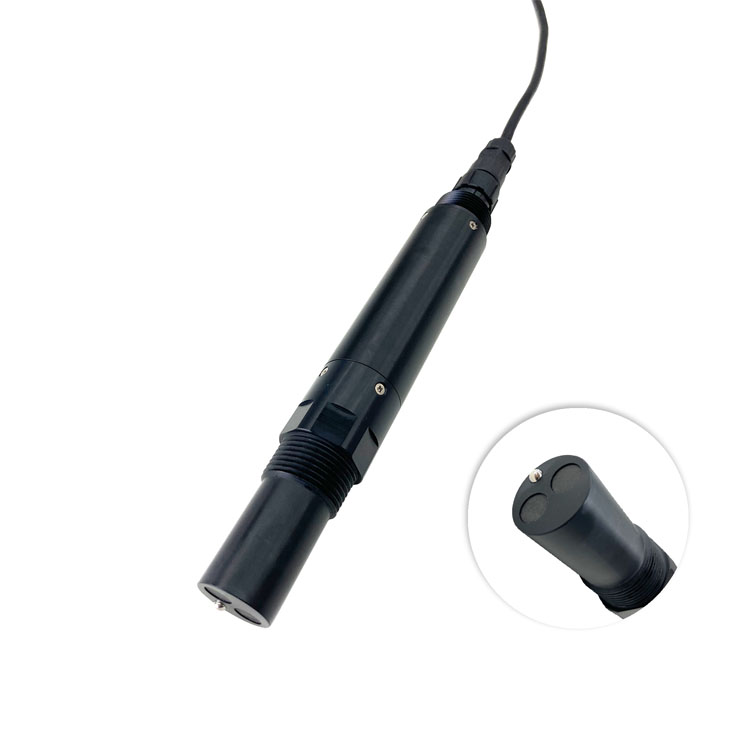
Conductivity measures how well water conducts electrical current. TDS estimates dissolved solids concentration. The relationship changes with water chemistry, so a single conversion factor may not fit pure water, groundwater, seawater, process water and wastewater equally. For control projects, conductivity is often the more defensible primary measurement.
| Parameter | Verified specification or buyer note |
|---|---|
| Model | NBL-WQ-EC / NBL-WQ-EC-4A / NBL-WQ-EC-4S |
| Conductivity range | 0 to 5000 µS/cm standard; other ranges up to 200 mS/cm available by model |
| TDS reference range | 0 to 3000 mg/L on the 0 to 5000 µS/cm range |
| Accuracy | ±1% F.S. or ±1.5% F.S. by model, temperature ±0.3°C |
| Temperature compensation | Automatic, Pt1000 |
| Power supply | 12 to 24 VDC |
| Output | RS485 Modbus RTU; 4-20 mA optional on 4-series |
| Protection | IP68; immersion mounting, 3/4 NPT |
TDS is useful for operators and buyers because it is easy to understand. RO inlet and outlet monitoring, boiler feedwater checks, irrigation salinity review and drinking water treatment can all use TDS-style reporting. For engineering design, however, the sensor specification should still state conductivity range, temperature compensation, output signal and calibration method.
| Buyer requirement | Preferred measurement | Reason |
|---|---|---|
| RO membrane performance | Conductivity with calculated TDS | Shows ionic removal trend before and after membrane. |
| High-salt aquaculture | Conductivity or salinity | Salinity range and compensation matter more than generic TDS. |
| Industrial water scaling risk | Conductivity, TDS and hardness-related checks | TDS alone does not identify scaling chemistry. |
| Wastewater event monitoring | Conductivity trend plus pH/turbidity/COD as needed | A conductivity spike can show contamination but not pollutant identity. |
NiuBoL conductivity sensors support RS485 Modbus RTU, and 4-series models can provide optional 4-20 mA output. For PLC integration, write down the register map, scaling, temperature channel and alarm units. If the platform displays TDS, state the conversion factor and make it visible to operators.
Conductivity readings change with temperature. The manuals specify automatic temperature compensation using Pt1000 and two-point calibration. Buyers should request calibration solution, expected calibration interval and whether the controller or platform stores both raw conductivity and converted TDS.
For an RFQ, send water type, expected concentration range, temperature, pressure, installation method, cable length, output preference, quantity and destination country. For NBL-WQ-EC or online TDS monitoring, include whether the point is for spot checking, closed-loop control, alarm evidence or long-term trend records.
For contractor projects, also define who supplies the cabinet, controller, sampling line, power supply, lightning protection, civil work and communication card. Clear supply boundaries prevent delays during commissioning and make quotations easier to compare.
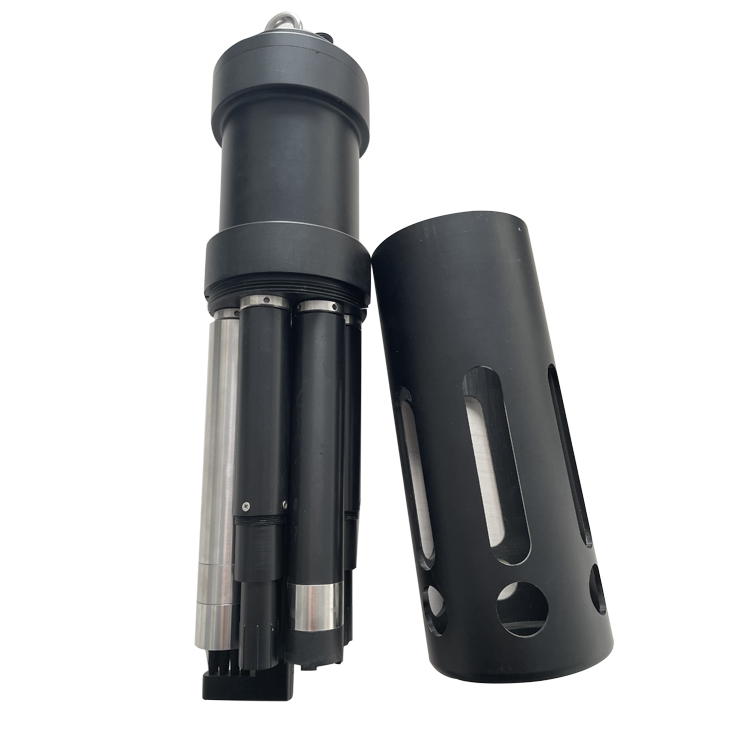
A TDS display looks simple, but the conversion factor behind it can change the reported value. Sodium chloride solutions, groundwater, softened water, RO permeate and industrial process water do not share the same ion composition. If the buyer needs traceable process control, conductivity should be kept as the engineering value and TDS should be treated as a configured display value.
This is why the RFQ should state whether the platform must display conductivity, TDS or both. If both are displayed, the conversion factor should be documented during commissioning. Operators should not change it without recording the reason.
| Water type | TDS display risk | Better specification |
|---|---|---|
| RO permeate | Low values need stable range and calibration | Conductivity range suited to low µS/cm. |
| Groundwater | Mineral composition varies by source | Conductivity plus project-specific factor. |
| Seawater or brackish water | Generic TDS may be misleading | Salinity or conductivity/salinity sensor. |
| Industrial wastewater | Ions do not identify pollutant type | Conductivity plus pH, COD or turbidity if needed. |
In RO systems, useful points include raw water, pretreated water, permeate and concentrate. A single sensor after RO may show product quality, but it does not tell whether the problem is raw water change, pretreatment failure or membrane performance. Multiple points make troubleshooting faster.
For cooling water or boiler feedwater, conductivity may be linked with blowdown, scaling or concentration cycles. In those applications, pressure, temperature and installation fitting should be reviewed before selecting the sensor body and cable length.
Conductivity sensors usually need less chemical handling than pH or chlorine sensors, but deposits, oil and air bubbles can still affect readings. Calibration solution and cleaning method should be included in the maintenance plan. If the project uses a displayed TDS value, calibration should verify conductivity first, then check the conversion setting.
For remote stations, specify whether the platform stores raw conductivity, temperature and calculated TDS separately. This makes later troubleshooting much easier.
A clear specification should say: online conductivity sensor, expected range, whether TDS display is required, conversion factor if known, water temperature, pipe or tank installation, output signal and host system. If the buyer only writes TDS sensor, suppliers may quote different ranges or different conversion assumptions.
For RO projects, specify whether the purpose is membrane performance, product water alarm or pretreatment monitoring. For irrigation, state crop sensitivity and water source. For industrial water, describe whether conductivity is used for blowdown, contamination alarm or general trend display.
| Application | Recommended RFQ wording | Avoid this wording |
|---|---|---|
| RO plant | Conductivity before and after RO, TDS display required | TDS sensor price. |
| Cooling water | Conductivity for concentration cycle control | Water quality meter. |
| Aquaculture salinity | Salinity or conductivity/salinity sensor | Generic TDS meter. |
| River event | Conductivity trend with alarm threshold | One sensor for all pollution. |
Handover should include conductivity standard check, temperature value, TDS conversion factor, output scaling, alarm values and data export. If the platform stores only TDS and not conductivity, troubleshooting later becomes harder. Store both when possible.
Conductivity or TDS alarms should be tied to a specific response. In RO, a rising permeate value may indicate membrane leakage, pretreatment failure or instrument drift. In cooling water, high conductivity may trigger blowdown. In irrigation, high salinity may change water source choice or dilution plan. Without a response rule, an alarm is only a number.
Set warning and emergency levels separately. A warning lets operators inspect trend and process condition. A emergency alarm should trigger a defined action, such as stopping product water use or checking the dosing system. The alarm logic should be reviewed after the first operating period.
| Use case | Warning response | Emergency response |
|---|---|---|
| RO permeate | Check trend and calibration | Inspect membrane or stop product line. |
| Cooling water | Review blowdown setting | Start corrective water management. |
| Irrigation | Check source and crop tolerance | Change source or dilute if available. |
| River monitoring | Inspect upstream activity | Trigger event sampling. |
Before ordering, ask whether the owner needs conductivity, TDS, salinity or all three. The answer changes sensor range, platform display and acceptance method. If the system is for RO, specify inlet and outlet points. If it is for irrigation, include crop sensitivity and water source. If it is for industrial water, define whether the alarm protects equipment, product quality or discharge operation.
The purchase order should include the expected conductivity range, temperature range, installation type, cable length, output interface and whether the displayed TDS conversion factor must be adjustable. For long-term records, request that raw conductivity and temperature remain available even if the dashboard also displays TDS.
This detail is useful for troubleshooting. If TDS changes suddenly, engineers can check whether raw conductivity changed, temperature compensation changed or only the conversion setting changed. Without raw values, the owner may not know whether the water changed or the display configuration changed.
In an RO system, one conductivity or TDS value after the membrane can show that product water quality changed, but it may not show why. Adding a raw-water point and a permeate point lets the operator separate source water change from membrane performance. A reject-water or concentrate point may also help evaluate operating condition in larger systems.
For procurement, this means the buyer should not only ask for one TDS sensor. The RFQ should list every monitoring point and the expected range at each point. Low-range permeate monitoring and raw-water monitoring may need different range selection.
A: In many online systems, conductivity is directly measured and TDS is calculated using a conversion factor. Confirm how the value is generated before purchase.
A: The NBL-WQ-EC range includes 0 to 5000 µS/cm with TDS reference up to 3000 mg/L on that range, with other conductivity ranges available by model.
A: Use salinity for seawater, brackish aquaculture and high-salt processes where PSU or salinity control is more meaningful than generic TDS.
A: Yes. NiuBoL EC sensors support RS485 Modbus RTU, with optional 4-20 mA on selected 4-series models.
A: Different dissolved ions conduct differently. A wrong factor can make displayed TDS look precise while being poorly matched to the water sample.
A: Range, output, material, cable length, controller, calibration accessories, quantity and platform requirement affect final cost.
A: Common points are raw water, post-filter, RO permeate and reject water. The selected points should match control or reporting goals.
A: Check calibration solution, temperature reading, output scaling, TDS conversion factor, alarm thresholds and data export.
A: Send water source, expected conductivity or TDS range, temperature, pressure, installation method, output requirement and number of points.
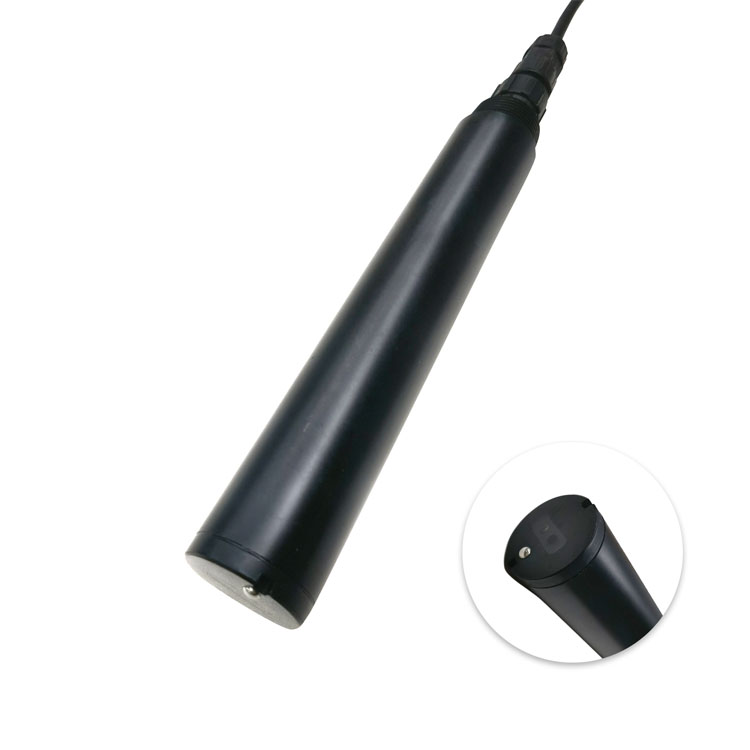
A TDS sensor purchase should be treated as a conductivity measurement decision with a clear conversion method. NiuBoL EC sensors provide RS485 Modbus RTU, optional 4-20 mA on 4-series models, automatic temperature compensation and IP68 protection for water treatment, RO and industrial monitoring projects.
 NBL-WQ-CL Water Quality Sensor Online Residual Chlorine Sensor.pdf
NBL-WQ-DO Online Fluorescence Dissolved Oxygen Sensor.pdf
NBL-WQ-NHN Ammonia Nitrogen Water Quality Sensor.pdf
NBL-WQ-COD Online Water Quality COD Sensor.pdf
NBL-WQ-PH Online pH Water Quality Sensor.pdf
NBL-WQ-EC water quality conductivity sensor.pdf
Prev:CO2 Water Sensor Planning for Aquaculture: What to Monitor With Dissolved Oxygen
Next:Chlorine Sensor in Water: Continuous Measurement Without Unreliable Readings
Related recommendations
Sensors & Weather Stations Catalog
Agriculture Sensors and Weather Stations Catalog-NiuBoL.pdf
Weather Stations Catalog-NiuBoL.pdf
Agriculture Sensors Catalog-NiuBoL.pdf
Water Quality Sensor Catalog-NiuBoL.pdf
Related products
 Combined air temperature and relative humidity sensor
 TDR Soil Moisture & Temperature Sensor for irrigation| RS485 |4-20mA| NBL-S-THR
 Soil pH sensor RS485 soil Testing instrument soil ph meter for agriculture |NBL-S-PH
 Wind Speed sensor Output Modbus/RS485/Analog/0-5V/4-20mA
 Tipping bucket rain gauge for weather monitoring auto rainfall sensor RS485/Outdoor/stainless steel
 Pyranometer Solar Radiation Sensor 4-20mA/RS485

Screenshot, WhatsApp to identify the QR code
WhatsApp number:+8615367865107
(Click on WhatsApp to copy and add friends)

