





— Blogs —
—Products—
 Consumer hotline +8618073152920
 WhatsApp:+8615367865107
Address:Room 102, District D, Houhu Industrial Park, Yuelu District, Changsha City, Hunan Province, China
Product knowledge
Time:2026-07-21 13:44:56 Popularity:216
A dissolved oxygen probe becomes valuable after it has been installed for several months, not on the first day. The buyer should therefore evaluate maintenance before placing the order. In aquaculture, wastewater aeration and river monitoring, poor DO data can cause wrong aeration decisions, missed oxygen stress or false alarms.
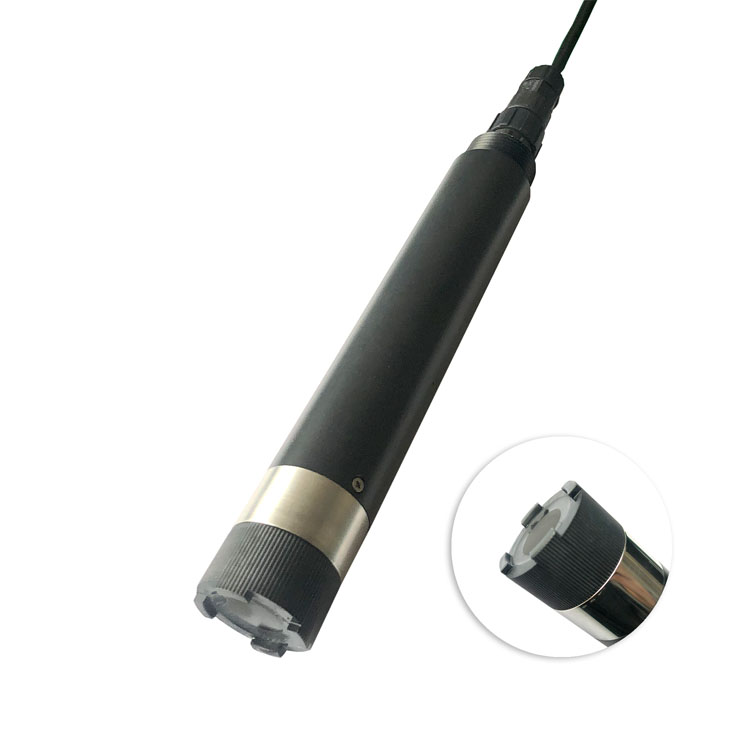
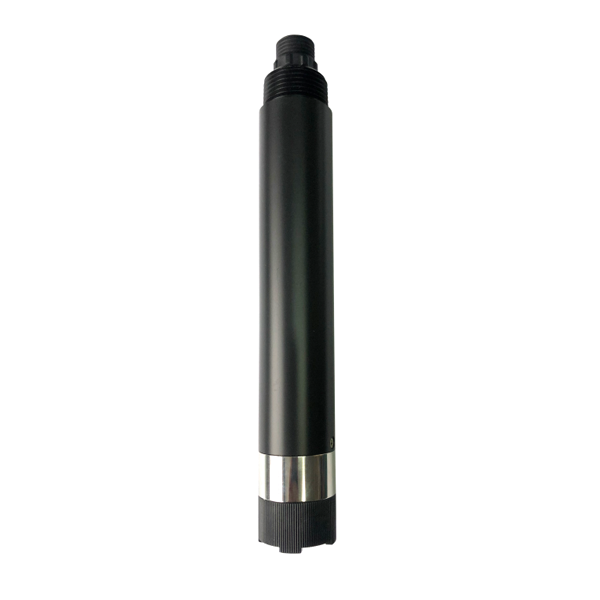
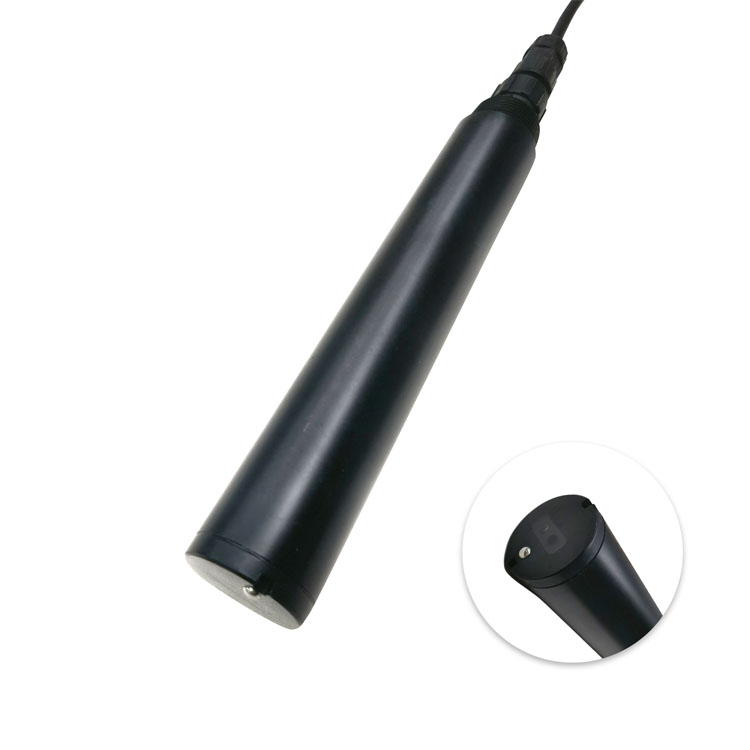
Fluorescence DO technology reduces some electrolyte and membrane tasks found in older methods, but it does not remove cleaning, inspection or calibration checks. Biofilm, sediment, bubbles, damaged caps and poor placement still affect data. The NiuBoL DO manual identifies the fluorescence method, Pt1000 temperature compensation and a fluorescent cap that is guaranteed for one year under normal use.
| Parameter | Verified value or procurement note |
|---|---|
| Model | NBL-WQ-DO / NBL-WQ-DO-4A / NBL-WQ-DO-4S |
| Method | Fluorescence dissolved oxygen measurement |
| Range | 0 to 20 mg/L; 0 to 200% saturation at 25°C |
| Resolution and accuracy | 0.01 mg/L; ±2% F.S.; temperature ±0.3°C |
| Working condition | 0 to 45°C; pressure below 0.2 MPa |
| Output | RS485 Modbus RTU; optional 4-20 mA on 4A model |
| Maintenance part | Fluorescent cap has one-year guarantee under normal use |
| Protection | IP68; POM and 316L stainless steel shell |
The verified range is 0 to 20 mg/L and 0 to 200% saturation at 25°C. For procurement, that range is suitable for common aquaculture, wastewater aeration and surface water monitoring. The ±2% F.S. accuracy is meaningful only when the optical window is clean, temperature reading is valid and the probe is placed where water movement represents the process.
| Site | Likely contamination | Maintenance note |
|---|---|---|
| Fish pond | Biofilm, algae and feed residue | Inspect after feeding cycles and seasonal algae changes. |
| Wastewater aeration tank | Sludge, bubbles and grease | Clean window and check if the probe is in a representative mixed zone. |
| River station | Sediment, debris and flood deposits | Plan safe access and post-event inspection. |
| Clean water tank | Light fouling | Use less frequent checks but keep records. |
A flat reading can indicate a dirty window, communication failure or a process with little change. A sudden drop may be real oxygen depletion, but it may also follow sensor burial, bubbles, cable trouble or a cleaning event. The site team should compare DO trend with temperature, aeration state, flow and a portable check before changing operation.
During commissioning, record sensor model, serial number, Modbus address, cable length, installation depth, calibration check, reference reading and the first stable trend. These records make later troubleshooting faster. Without baseline records, a contractor may not know whether drift began after installation, after cleaning or after a process change.

For a dissolved oxygen probe, send the water type, expected range, temperature, pressure, installation photos, cable length, output requirement, controller or gateway model, quantity and destination country. Specify whether DO data will be used for alarm evidence, aeration control, aquaculture safety or river trend records.
For contractors, also state who supplies the cabinet, bracket, sampling line, power supply, surge protection, SIM card or platform account. Missing scope items usually appear during commissioning, when they are more expensive to solve.
The fluorescent cap should be treated as a planned maintenance part. Buyers should ask whether spare caps, cleaning tools and calibration guidance are included. For remote stations, the maintenance package should travel with the first shipment because a low-cost missing spare can stop the whole monitoring point.
A DO trend without maintenance notes is incomplete. If the optical window was cleaned at 10:00 and the value changed at 10:05, the platform should not treat the change the same way as a true aeration event. The owner should record cleaning, cap replacement, calibration checks, power loss and sensor relocation.
For wastewater aeration, maintenance records also help energy analysis. A dirty DO probe can make the blower run longer than necessary. A probe installed in a dead zone can make the control system chase a local condition instead of the actual tank condition.
| Symptom | Likely cause | First check |
|---|---|---|
| Reading stays flat | Dirty window, no flow, communication issue or real stable condition | Clean probe and compare with portable reading. |
| Reading drops suddenly | Low oxygen, sediment cover, bubbles or cable issue | Check aeration, installation depth and trend history. |
| Reading is always high | Air exposure, wrong placement or calibration issue | Confirm probe remains submerged. |
| Platform value is wrong | Scaling, register or decimal error | Verify Modbus map and displayed unit. |
Remote DO points should be designed around safe service access. A river station, pond edge or aeration tank may need a bracket that allows the probe to be lifted without entering unsafe water. If the project needs a boat or confined-space work for every cleaning visit, the real maintenance cost will exceed the sensor cost quickly.
Ask for the manual, wiring definition, Modbus communication settings, cap replacement guidance and cleaning recommendation. For DO-4A projects, confirm whether 4-20 mA is required or whether RS485 Modbus RTU is enough. For multi-parameter stations, confirm how the DO channel is displayed and whether temperature compensation is visible.
The strongest DO purchase package is one that includes a first-year maintenance assumption. It does not need to be complicated, but it should state inspection interval, reference check method, cleaning responsibility and spare cap plan.
Before sending a probe back for service, the site should complete a short checklist: clean the optical window, confirm the probe is submerged, check temperature reading, compare with a portable meter, inspect cable joints and confirm RS485 communication. This simple process separates sensor faults from installation or process issues.
For distributors, this checklist reduces after-sales cost. Many DO complaints come from bubbles, sludge, fouling or scaling errors rather than a failed probe. A written troubleshooting process helps the customer solve the problem faster and protects the supplier relationship.
If DO is used for aeration control, acceptance should include more than a stable reading. The owner should verify blower response, alarm delay, manual override, data trend and how the system behaves during sensor cleaning. A DO sensor that reads correctly but triggers the wrong control action is not a successful installation.
The RFQ should therefore say whether the dissolved oxygen probe is for display, alarm evidence or closed-loop control. That one sentence changes the required testing scope.
In an aeration basin, operators may complain that the dissolved oxygen probe reads lower than expected after installation. Before replacing the probe, check whether the sensor sits in a poorly mixed zone, whether bubbles collect near the optical window, and whether the PLC decimal position is correct. A wrong register scale can make a good probe look defective.
A useful service report should include photos, cleaning record, portable DO comparison, temperature value, communication settings and blower status. This evidence lets NiuBoL and the contractor separate sensor, installation and process causes.
Before releasing the purchase order, the buyer should confirm five items in writing: measured parameter, expected range, installation point, output signal and maintenance owner. These five items prevent most misunderstandings between purchasing, engineering, site operators and the supplier. If any item is unknown, the RFQ should say so clearly instead of hiding the uncertainty.
The quotation should also separate sensor body, cable, controller or data logger, mounting accessory, calibration or verification materials, communication gateway, packing and documents. This makes it possible to compare suppliers by actual scope. A lower price is not useful if the buyer later discovers that the controller, flow cell, bracket or register map was not included.
Keep the user manual, wiring definition, Modbus register map, calibration record, installation photos, alarm settings, packing list and spare-part suggestion in one folder. For distributors and contractors, this file is also after-sales protection. When the end user asks for help months later, the service team can see what was supplied, how it was installed and what assumptions were used during commissioning.
For DO projects where aeration energy cost is significant, ask the control engineer to mark which readings are used for automatic control and which are used only for display. This distinction matters because a display-only probe can tolerate a different response plan than a control probe. The purchase document should not leave that decision until site wiring.
A: Set the interval by fouling. Wastewater, algae-rich ponds and river stations need more frequent inspection than clean process water.
A: The verified DO range is 0 to 20 mg/L and 0 to 200% saturation at 25°C, with 0.01 mg/L resolution and ±2% F.S. accuracy.
A: No. It reduces some older membrane tasks, but cleaning, cap inspection and reference checks are still required.
A: Real oxygen depletion, poor water movement, dirty optical window, bubbles, sediment burial or wrong installation depth can cause low readings.
A: Yes. NiuBoL DO sensors support RS485 Modbus RTU, and the DO-4A model can provide optional 4-20 mA output.
A: Plan replacement based on the manual, operating condition and reading stability. The cap is guaranteed for one year under normal use.
A: Yes. A portable check helps verify online readings during commissioning, cleaning and abnormal events.
A: Cleaning tools, spare cap where required, calibration or check procedure, cable protection and maintenance log template should be considered.
A: Send water type, installation photos, trend screenshots, temperature, aeration status, cleaning history and communication settings.
A dissolved oxygen probe should be purchased with a maintenance plan. Verified range and protocol matter, but stable data depends on cleaning, placement, cap condition, calibration checks and acceptance records. NiuBoL fluorescence DO sensors support RS485 Modbus RTU and can be integrated into aquaculture, wastewater and river monitoring systems when maintenance responsibility is defined before shipment.
Prev:pH Meter for Aquaculture: Pond, Tank and RAS Monitoring Setup
Next:Turbidity Sensor Selection Guide for Online Water Quality Monitoring
Related recommendations
Sensors & Weather Stations Catalog
 Agriculture Sensors and Weather Stations Catalog-NiuBoL.pdf
Weather Stations Catalog-NiuBoL.pdf
Agriculture Sensors Catalog-NiuBoL.pdf
Water Quality Sensor Catalog-NiuBoL.pdf
Related products
 Combined air temperature and relative humidity sensor
 TDR Soil Moisture & Temperature Sensor for irrigation| RS485 |4-20mA| NBL-S-THR
 Soil pH sensor RS485 soil Testing instrument soil ph meter for agriculture |NBL-S-PH
 Wind Speed sensor Output Modbus/RS485/Analog/0-5V/4-20mA
 Tipping bucket rain gauge for weather monitoring auto rainfall sensor RS485/Outdoor/stainless steel
 Pyranometer Solar Radiation Sensor 4-20mA/RS485

Screenshot, WhatsApp to identify the QR code
WhatsApp number:+8615367865107
(Click on WhatsApp to copy and add friends)

