





— Blogs —
—Products—
 Consumer hotline +8618073152920
 WhatsApp:+8615367865107
Address:Room 102, District D, Houhu Industrial Park, Yuelu District, Changsha City, Hunan Province, China
Product knowledge
Time:2026-07-28 10:07:54 Popularity:236
An ORP sensor measures oxidation-reduction potential, usually reported in millivolts. Buyers use it to understand the oxidizing or reducing condition of water, especially in disinfection, aquaculture, wastewater treatment and industrial process control.
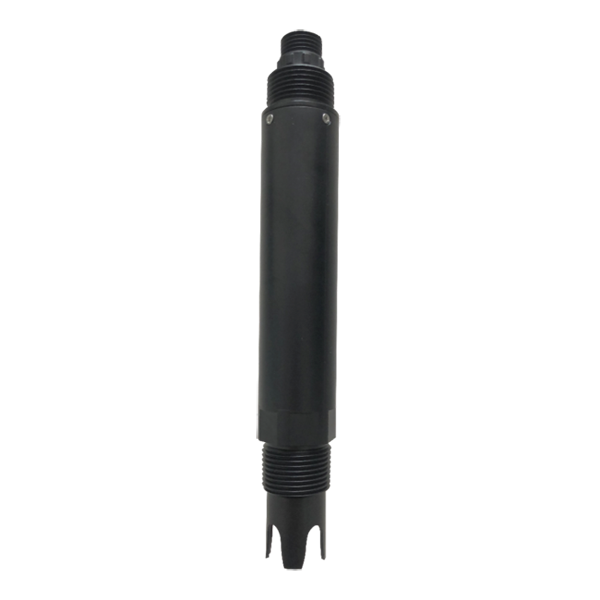
ORP is not a direct substitute for every chemical measurement. It is a control and trend parameter. A strong ORP article or RFQ should explain the oxidant, pH condition, water chemistry and control purpose before selecting the probe.
ORP indicates the tendency of the water to accept or donate electrons. In disinfection, it can help track oxidizing strength. In aquaculture, it can warn of water quality shifts. In wastewater, it can support process control in oxidation, reduction or anaerobic conditions.
The value is context dependent. The same ORP number may mean different things in water with different pH, temperature, chlorine chemistry, dissolved oxygen or organic load. Buyers should avoid treating ORP as a universal concentration reading.
| Use case | ORP value | Additional parameter to consider |
|---|---|---|
| Disinfection | Shows oxidation condition and process trend. | Residual chlorine and pH. |
| Aquaculture | Helps watch water condition changes. | DO, pH, temperature and ammonia. |
| Wastewater | Supports redox process diagnosis. | COD, pH, DO and sludge condition. |
| Industrial process water | Monitors chemical reaction direction. | Specific oxidant and process temperature. |
An ORP probe commonly uses a noble metal measuring electrode with a reference system. The electrode material, body material, junction design and cable sealing should match the water condition. Dirty water, chemical dosing and high solids are harder than clean water.
Install the ORP sensor where the sample is mixed but not directly at a chemical injection point. A sensor placed too close to dosing may show chemical spikes rather than the controlled water body.
For outdoor aquaculture or river stations, mechanical protection matters. For process skids, a flow-through holder may give better repeatability and easier maintenance.
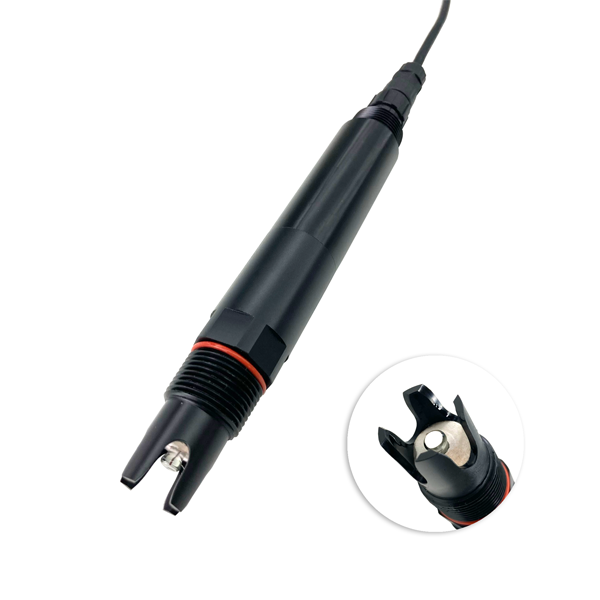
NiuBoL ORP sensors can be planned with RS485 Modbus RTU for digital monitoring systems. This is useful when ORP is interpreted together with pH, DO, residual chlorine, conductivity or ammonia nitrogen.
The integrator should request register map, address setting, wiring diagram, power supply and cable length before building the panel. ORP readings are often used in alarm logic, so scaling and sign convention must be correct.
| Integration item | Why it matters | Buyer action |
|---|---|---|
| pH context | ORP interpretation changes with pH. | Install pH where process control depends on chemistry. |
| Modbus scaling | mV values must display correctly. | Check signed values and units in the controller. |
| Grounding | ORP is sensitive to electrical noise. | Use shielded cable and correct grounding practice. |
| Maintenance record | Drift can look like process change. | Record cleaning and verification dates. |
For disinfection systems, ORP is often paired with residual chlorine and pH. It can support control decisions, but buyers should not replace chlorine measurement where the project specifically requires chlorine concentration.
For aquaculture, ORP is useful as an early warning trend rather than a single control number. The farm should define alarm limits based on its own water body, species and operating history.
For wastewater, ORP helps in biological and chemical process diagnosis. The installation must survive fouling and cleaning, so holder design and access are procurement items, not afterthoughts.
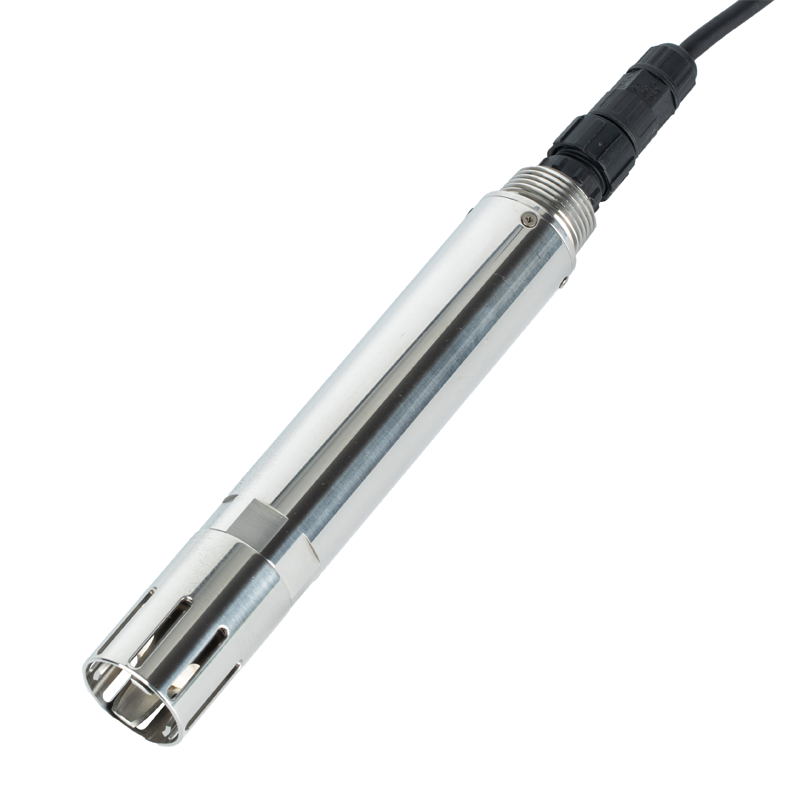
Send water type, oxidant or reducing agent, expected ORP range if known, pH range, temperature, installation method, cable length, output signal, controller requirement, quantity and maintenance access.
If the project needs a combined pH and ORP sensor package, state that in the RFQ. Combined planning helps align holders, cable routing, communication addresses and calibration records.
In disinfection, ORP helps operators see whether the water environment has enough oxidizing strength, but it should be interpreted with chlorine and pH when concentration control is required. In aquaculture, it can warn that the water body is moving toward an abnormal condition before a single chemical test explains the cause.
In wastewater treatment, ORP is often used to understand redox stages. It can support decisions around aeration, chemical dosing or biological process condition. The project should define the process meaning of the ORP trend before setting alarms.
| Project | Useful ORP role | Do not ignore |
|---|---|---|
| Disinfection | Oxidizing trend and control support | pH and residual chlorine context |
| Aquaculture | Early warning of water condition change | DO, temperature and ammonia data |
| Wastewater | Redox process diagnosis | Fouling, grounding and cleaning access |
An ORP probe cannot be selected well if the buyer only says water monitoring. The oxidant or reducing agent, pH range, temperature, solids and cleaning chemicals all affect electrode choice and maintenance expectation.
For NiuBoL projects, ORP is often paired with pH, residual chlorine, DO or multi-parameter stations. Combining the parameters in one RFQ makes address planning, holder selection and dashboard units easier to control.
If the project has strict acceptance, define a verification method. ORP standard solution checks can confirm sensor behavior, but the interpretation of process water still depends on chemistry and operating records.
ORP is suitable when the project needs a redox trend for control or warning. It is useful in disinfection, biological wastewater stages, oxidation processes, aquaculture water supervision and chemical dosing observation.
ORP is not suitable when the buyer wants a direct concentration number for a specific chemical without context. For example, an ORP sensor can support disinfection monitoring, but it does not remove the need for residual chlorine measurement when the project specification asks for chlorine concentration.
For engineers, this distinction should be written into the proposal. It prevents unrealistic expectations and helps the customer understand why pH, chlorine, DO or ammonia may be needed beside ORP.
ORP verification should include standard solution checks, cleaning records and process context. A sudden ORP shift can be a real process change, a dirty electrode or an electrical grounding issue. The maintenance record helps separate these causes.
For NiuBoL supply, ask whether the quotation includes holder, cable, controller, Modbus documents and calibration accessories. For sites with aggressive water, provide chemical information so electrode and body material can be reviewed before purchase.
For disinfection systems, ORP alarm limits should be set from site operation, not copied from another plant without review. Water source, pH, temperature, oxidant type and organic load can change the meaning of the same mV reading.
For aquaculture, ORP should be treated as a warning channel that triggers inspection, not as a single automatic decision. A farm should compare ORP changes with feeding, aeration, rainfall, DO and ammonia history before deciding control actions.
For wastewater, the RFQ should name the process stage: influent, anaerobic tank, aeration basin, chemical oxidation or final discharge. The same ORP probe may be installed differently depending on fouling, mixing and service access.
For buyers comparing pH and ORP sensor packages, keep the two roles separate in the project file. pH explains acidity or alkalinity; ORP explains redox tendency. The values often need to be read together, but one does not replace the other.
If the site uses several oxidants during different seasons, state that in the RFQ. A sensor package chosen for stable chlorination may need extra review when ozone, peroxide or mixed chemical dosing is also used.
For purchasing teams, ORP should be quoted with the accessories needed for the measuring point: holder or flow cell, cable, controller or digital communication documents, calibration or verification solution and spare electrode planning where required.
For repeat supply, keep ORP verification solution and cleaning instructions in the same shipment as the probe. This small step lets the field team check the electrode before blaming the process or the controller.
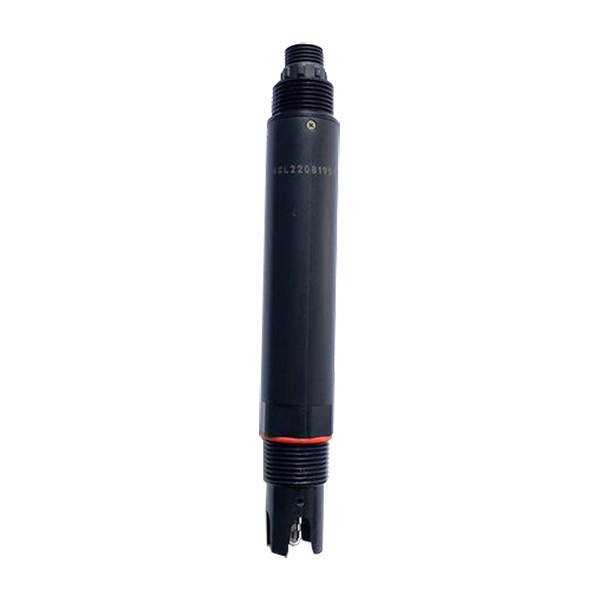
Q1: What does an ORP sensor measure?
A: It measures oxidation-reduction potential in millivolts, showing whether the water environment is more oxidizing or reducing. It is a trend and control parameter, not a direct concentration reading for every chemical.
Q2: Can ORP replace residual chlorine measurement?
A: Not when a project specifically needs chlorine concentration. ORP can support disinfection control, but residual chlorine and pH measurement may still be required. For acceptance, pair this answer with the project chemistry, pH range and the verification solution specified by the sensor manual.
Q3: Why is pH important for ORP interpretation?
A: pH changes chemical equilibria and affects how ORP should be interpreted. For disinfection or process control, ORP should often be viewed together with pH. For acceptance, pair this answer with the project chemistry, pH range and the verification solution specified by the sensor manual.
Q4: Is ORP useful in aquaculture?
A: Yes, as a trend and warning parameter. It should be interpreted with DO, pH, temperature and ammonia rather than used as a single water quality decision.
Q5: Can ORP sensors connect by RS485 Modbus RTU?
A: Yes, digital ORP sensors can use RS485 Modbus RTU when supported by the selected model. Request the register map and signed mV scaling before integration.
Q6: Where should an ORP probe be installed?
A: Install it in a representative mixed-water point, away from direct chemical dosing, heavy sediment and mechanical impact. A holder or flow cell may be needed.
Q7: What causes ORP drift?
A: Dirty electrode surface, reference junction fouling, chemical coating, poor grounding, cable damage and missed verification checks can cause drift. For acceptance, pair this answer with the project chemistry, pH range and the verification solution specified by the sensor manual.
Q8: What should be included in an ORP quotation?
A: Include sensor, cable, holder, output signal, controller if needed, calibration or verification accessories, documentation, packaging and lead time. For acceptance, pair this answer with the project chemistry, pH range and the verification solution specified by the sensor manual.
Q9: When is an ORP sensor not suitable?
A: It is not suitable when the buyer expects a direct concentration value without calibration context, or when the site cannot define the chemistry being controlled.
Q10: What project information should be sent to NiuBoL?
A: Send application, oxidant, pH range, water type, installation drawing, output requirement, cable length, quantity and whether pH or chlorine sensors are also needed. For acceptance, pair this answer with the project chemistry, pH range and the verification solution specified by the sensor manual.
An ORP sensor is valuable when the buyer treats it as a contextual process parameter. It works most practical when paired with pH and the relevant chemical measurement for the application.
NiuBoL can match ORP probes with pH, residual chlorine and multi-parameter systems. Clear chemistry and installation details will produce a more useful recommendation than asking for an ORP probe price alone.
Prev:TSS Sensor Price and Total Cost for Continuous Solids Monitoring
Next:BOD COD Sensor and TSS Package for Effluent Monitoring Systems
Related recommendations
Sensors & Weather Stations Catalog
 Agriculture Sensors and Weather Stations Catalog-NiuBoL.pdf
Weather Stations Catalog-NiuBoL.pdf
Agriculture Sensors Catalog-NiuBoL.pdf
Water Quality Sensor Catalog-NiuBoL.pdf
Related products
 Combined air temperature and relative humidity sensor
 TDR Soil Moisture & Temperature Sensor for irrigation| RS485 |4-20mA| NBL-S-THR
 Soil pH sensor RS485 soil Testing instrument soil ph meter for agriculture |NBL-S-PH
 Wind Speed sensor Output Modbus/RS485/Analog/0-5V/4-20mA
 Tipping bucket rain gauge for weather monitoring auto rainfall sensor RS485/Outdoor/stainless steel
 Pyranometer Solar Radiation Sensor 4-20mA/RS485

Screenshot, WhatsApp to identify the QR code
WhatsApp number:+8615367865107
(Click on WhatsApp to copy and add friends)

