





— Blogs —
—Products—
 Consumer hotline +8618073152920
 WhatsApp:+8615367865107
Address:Room 102, District D, Houhu Industrial Park, Yuelu District, Changsha City, Hunan Province, China
Product knowledge
Time:2026-07-28 10:07:54 Popularity:246
TSS sensor price should be evaluated as a total monitoring cost, not as a single probe number. Continuous suspended solids monitoring involves the sensor, mounting, cleaning access, calibration correlation, controller connection, spare parts and labor.
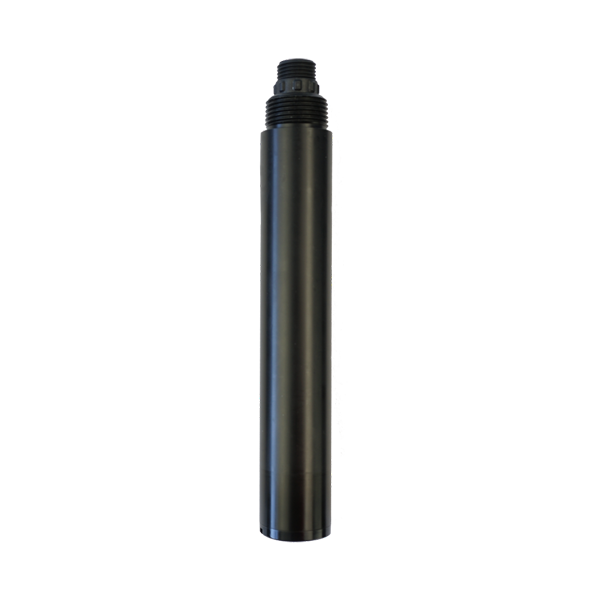
For wastewater plants, river stations, industrial discharge and sludge-related processes, the hidden cost is usually maintenance and poor installation. A cheaper TSS meter can become expensive if it needs frequent manual cleaning or repeated site correlation work.
A TSS sensor measures suspended solids by optical scattering or absorption methods depending on model design. The sensor must be installed where solids remain representative, not in a settlement pocket or foam zone.
The total cost includes probe, cable, holder, controller or gateway, cleaning hardware if required, calibration work, laboratory comparison, spare parts and maintenance visits. These items should be visible in the quotation.
| Cost item | Why it matters | Buyer check |
|---|---|---|
| Sensor range | Different solids levels need different optical ranges. | Provide expected mg/L or process stage. |
| Self-cleaning | Reduces fouling work in dirty water. | Compare manual access and cleaning interval. |
| Mounting | Controls representativeness and protection. | Send tank or channel drawing. |
| Correlation | Online solids data often needs site comparison. | Plan laboratory TSS checks during commissioning. |
Manual sampling is useful for compliance records and laboratory accuracy, but it misses short-term solids changes. Online TSS monitoring gives trend data for process control, alarm response and early warning.
The payback depends on the site. If solids variation causes filter failure, clarifier upset or discharge risk, continuous data has operational value. If the site only needs occasional records, a lower-cost manual plan may be enough.
A practical article or RFQ should say when online TSS is not needed. It is not ideal for a buyer who has no maintenance access, no comparison method and no plan to act on the data.
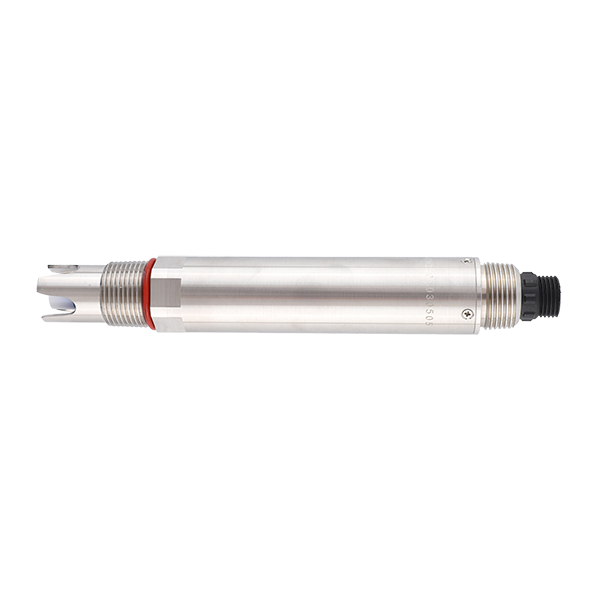
Price changes with range, optical structure, self-cleaning, cable length, output signal, body material and accessories. A probe for clear surface water is not the same purchase as a probe used in return activated sludge or industrial effluent.
RS485 Modbus RTU can reduce integration work when TSS is part of a wider water quality station. A local controller or analog output may be useful for a single point. The buyer should define this before asking for cost comparison.
| Project case | Lower-cost scope may fit | Higher-scope item to consider |
|---|---|---|
| River monitoring | Standard probe with protective holder. | Solar station and remote telemetry. |
| Final effluent | Online sensor with easy cleaning. | Data logger and compliance record export. |
| High-solids basin | Not usually enough as a bare probe. | Self-cleaning, stronger holder and site correlation. |
| OEM package | Standardized cable and output. | Private label and batch documentation. |
A TSS sensor should not be placed where settled solids collect or where the optical surface is constantly scraped by debris. The most practical point is representative, accessible and mechanically protected.
Cleaning frequency should be decided during pilot use or commissioning. The first month of data should record fouling speed, manual cleaning time and comparison with laboratory TSS. That record helps set a realistic service schedule.
For remote projects, spare probes or cleaning components should be quoted early. A station without spare parts can lose data for weeks after a cable or optical window problem.

Send water source, expected TSS range, installation location, water depth, flow condition, cable length, output signal, power supply, cleaning requirement, quantity and whether laboratory correlation support is needed.
If the project includes COD, BOD, pH or ammonia monitoring, ask for a combined package. Combining sensors can reduce cabinet, power and data integration work compared with buying each point separately.
Online TSS monitoring is worth the cost when solids changes create operational risk: clarifier carryover, filter overload, discharge alarms, sludge process instability or river pollution events. It is harder to justify when the site has stable water and only needs occasional compliance records.
The buyer should identify the decision connected to the reading. If nobody will change a valve, adjust a process, start an inspection or receive an alarm, continuous data may not deliver value. A good procurement document names the action that follows a TSS change.
| Decision trigger | Online TSS value | Project note |
|---|---|---|
| Clarifier upset | Early warning before visible failure | Place sensor after the relevant process stage |
| Discharge risk | Continuous alarm instead of delayed lab result | Define comparison and reporting boundary |
| River event | Captures rainfall or pollution spikes | Protect probe from debris and sediment |
Contractors should request two prices when the scope is unclear: sensor-only and installed measuring point. The second price includes holder, cable, controller, cleaning plan, data interface and spare parts. This prevents later arguments about who should supply the missing bracket or gateway.
For high-solids wastewater, ask whether the sensor has a self-cleaning option and what maintenance interval is realistic. The answer affects both purchase price and service cost. For clean final effluent, the extra cleaning option may not be needed.
Packaging and lead time also matter for export. TSS probes have optical surfaces and cable seals that should be protected during shipment. For multi-site projects, station labels and spare probes should be packed in a way the installer can identify quickly.
A higher TSS sensor price is justified when the site has heavy fouling, remote access, high discharge risk, expensive downtime or several measurement points connected to one monitoring platform. In these cases, cleaning method, bracket strength and digital integration can save more money than a cheaper bare probe.
A lower-cost scope may be justified for a trial, an easy-access channel or a non-critical trend point. The buyer should still document the limitation: manual cleaning, local verification and no automatic cleaning unless quoted.
This is the type of comparison procurement teams need. The question is not which TSS meter price is lowest, but which scope matches the cost of failure at the site.
For handover, the contractor should provide installation photos, sensor depth, communication screenshots, laboratory comparison records, cleaning schedule and alarm thresholds. These documents make the online TSS sensor defensible after commissioning.
For export orders, ask for packaging that protects the optical surface and cable seal. For multi-site projects, each probe should be labeled by station or parameter. This small packaging step prevents mistakes during installation.
For a first installation, a pilot point can be useful. Run the online TSS sensor beside laboratory sampling for several weeks, then set alarm bands and cleaning intervals based on the local solids behavior. This reduces unrealistic expectations at full-scale purchase.
A TSS quotation should also define the after-sales path. If readings drift, the service team needs photos, cleaning records, comparison samples and communication screenshots. These records allow NiuBoL to judge whether the issue is sensor condition, installation or process change.
Distributors should avoid selling one TSS model for every solids application. Surface water, final effluent and sludge-related points have different ranges and fouling patterns, so project classification should come before price matching.
If the project includes several measuring points, classify them by solids level before ordering. A final effluent point, mixed liquor point and river station may need different range and cleaning choices. This classification helps avoid replacing sensors after the first month of operation.
For buyers with budget pressure, the practical compromise is not always the cheapest probe. It may be a standard TSS sensor with manual cleaning, clear access and a documented comparison plan. That scope keeps cost controlled without pretending the point needs no maintenance.
Online TSS monitoring is less suitable when the site has no cleaning access, no laboratory comparison plan and no action tied to solids data. Under those conditions, the buyer may collect numbers but still have no defensible operating decision.
Q1: What affects TSS sensor price the most?
A: Range, optical design, self-cleaning requirement, mounting hardware, cable length, output signal, controller scope and maintenance accessories are the main price drivers. For procurement, state whether the value will trigger an alarm, process adjustment or only a maintenance inspection.
Q2: Is an online TSS sensor better than a TSS tester?
A: It is better for continuous trends, alarms and process control. A tester or laboratory method remains useful for periodic verification and formal records. For procurement, state whether the value will trigger an alarm, process adjustment or only a maintenance inspection.
Q3: Can turbidity be used instead of TSS?
A: Sometimes turbidity trends can indicate solids change, but turbidity is not the same as TSS. If the buyer needs suspended solids concentration, a TSS sensor with site correlation is more appropriate.
Q4: Does a TSS sensor need calibration?
A: Yes. It should be checked against known standards or site laboratory samples, especially because particle type, color and size distribution affect optical response. For procurement, state whether the value will trigger an alarm, process adjustment or only a maintenance inspection.
Q5: What installation position is recommended?
A: Choose a representative mixed-water point with enough depth, limited bubbles, no settlement pocket and safe cleaning access. Send a drawing before final model selection. For procurement, state whether the value will trigger an alarm, process adjustment or only a maintenance inspection.
Q6: When is self-cleaning worth the extra cost?
A: Self-cleaning is worth considering when fouling is fast, access is difficult or missing data is expensive. For clean final effluent with easy access, manual cleaning may be enough.
Q7: What should be included in the quotation?
A: Include sensor, cable, holder, controller or gateway, output signal, cleaning parts, calibration plan, documentation, packaging and lead time. For procurement, state whether the value will trigger an alarm, process adjustment or only a maintenance inspection.
Q8: Can NiuBoL quote a TSS package with other sensors?
A: Yes. TSS is often quoted with pH, COD, BOD, turbidity, ammonia or conductivity for effluent and river monitoring systems. For procurement, state whether the value will trigger an alarm, process adjustment or only a maintenance inspection.
Q9: What information is needed for pricing?
A: Provide expected solids range, water type, site photos, installation method, power and communication requirements, quantity and maintenance access. For procurement, state whether the value will trigger an alarm, process adjustment or only a maintenance inspection.
Q10: What is a reasonable acceptance check?
A: Compare online readings with laboratory TSS samples, verify communication data, inspect fouling after initial operation and record cleaning intervals. For procurement, state whether the value will trigger an alarm, process adjustment or only a maintenance inspection.
TSS sensor price is most practical evaluated through total cost: sensor range, installation, cleaning, correlation and maintenance. A low probe price alone does not show whether the monitoring point will work.
For a useful NiuBoL quotation, send solids range, water type and installation details. The reply can separate the sensor, accessories, integration and spare parts so purchasing decisions are easier to compare.
Prev:Conductivity Sensor Selection: Cell Constant, Range and Temperature Compensation
Next:ORP Sensor Selection for Disinfection, Aquaculture and Wastewater
Related recommendations
Sensors & Weather Stations Catalog
 Agriculture Sensors and Weather Stations Catalog-NiuBoL.pdf
Weather Stations Catalog-NiuBoL.pdf
Agriculture Sensors Catalog-NiuBoL.pdf
Water Quality Sensor Catalog-NiuBoL.pdf
Related products
 Combined air temperature and relative humidity sensor
 TDR Soil Moisture & Temperature Sensor for irrigation| RS485 |4-20mA| NBL-S-THR
 Soil pH sensor RS485 soil Testing instrument soil ph meter for agriculture |NBL-S-PH
 Wind Speed sensor Output Modbus/RS485/Analog/0-5V/4-20mA
 Tipping bucket rain gauge for weather monitoring auto rainfall sensor RS485/Outdoor/stainless steel
 Pyranometer Solar Radiation Sensor 4-20mA/RS485

Screenshot, WhatsApp to identify the QR code
WhatsApp number:+8615367865107
(Click on WhatsApp to copy and add friends)

