





— Blogs —
—Products—
 Consumer hotline +8618073152920
 WhatsApp:+8615367865107
Address:Room 102, District D, Houhu Industrial Park, Yuelu District, Changsha City, Hunan Province, China
Product knowledge
Time:2026-07-28 10:07:53 Popularity:261
A conductivity sensor is usually bought to answer a practical question: is the dissolved ionic content changing enough to affect treatment, discharge, irrigation, aquaculture or process water quality? The sensor is simple to name, but not simple to select if the range and cell constant are wrong.
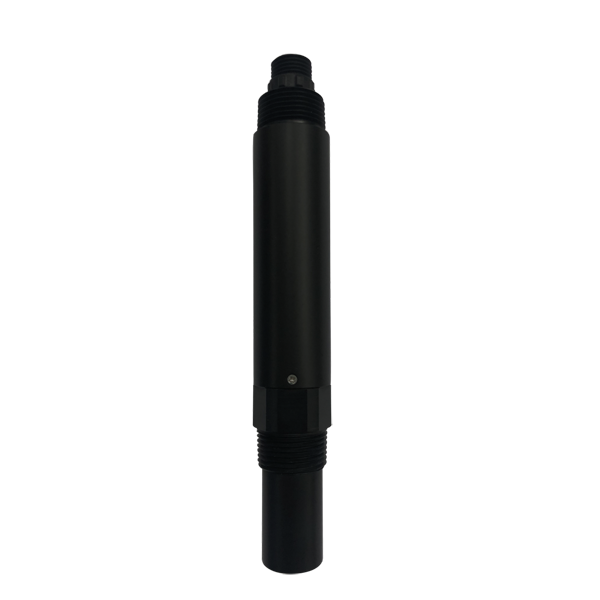
For purchasing, the first decision is the expected conductivity range. Clean water, drinking water, industrial wastewater, seawater, boiler feedwater and nutrient solution do not need the same electrode structure or measurement range.
The cell constant describes the geometry of the conductivity measurement cell. A low cell constant is used for low-conductivity water; a higher cell constant is used when the water has higher conductivity. If the constant and range do not match, the sensor may work but the useful resolution is poor.
Buyers do not need to calculate the cell constant alone. They should provide the expected conductivity range or the water type, then ask the supplier to recommend the correct sensor range and cell constant.
| Water type | Selection concern | Buyer action |
|---|---|---|
| Purified or low-mineral water | Low readings need stable resolution. | State expected low range and temperature. |
| Drinking water | Moderate EC with compliance trend needs. | Confirm unit, calibration and output. |
| Wastewater | Fouling and wide range changes. | Check cleaning access and electrode material. |
| Seawater or brine | High conductivity and corrosion. | Review salinity model and material compatibility. |
Conductivity changes with temperature. A water conductivity sensor used for trend monitoring should include temperature measurement or compensation. Without it, a day-night temperature swing may look like a process change.
For nutrient solution, cooling water and aquaculture, temperature compensation is especially important because operators may act on conductivity changes. The quotation should state whether the sensor reports temperature and how compensation is handled.
During acceptance, compare readings at stable sample temperature or document the temperature used for comparison. Many disputes come from comparing a handheld meter and online sensor at different temperatures.
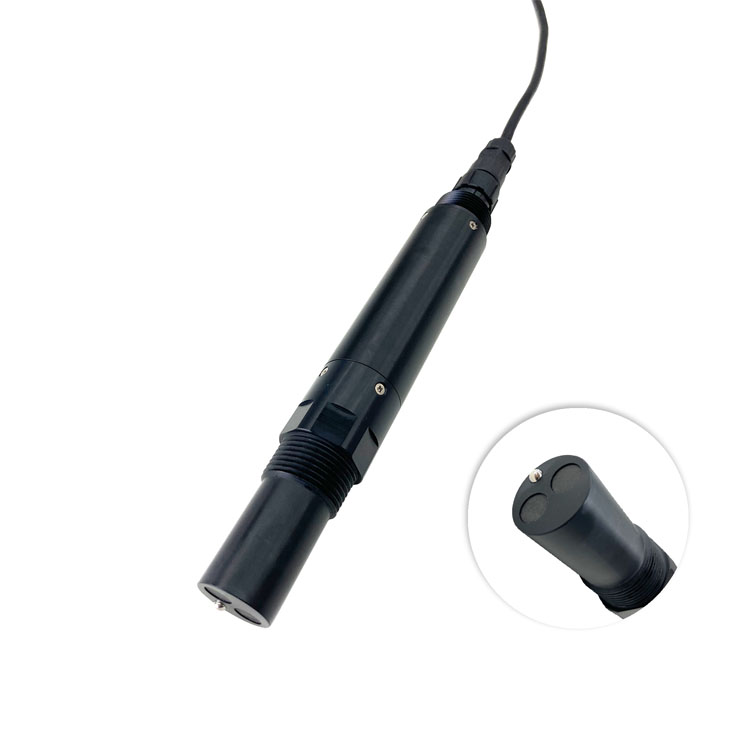
Different electrode structures suit different ranges and fouling conditions. For general online water monitoring, buyers should focus less on the name of the electrode type and more on range, stability, cleaning access and output compatibility.
RS485 Modbus RTU is useful when conductivity is part of a multi-parameter station. It reduces analog scaling errors and makes it easier to log conductivity with pH, DO, turbidity and temperature. Analog output can still be acceptable for a small retrofit point.
| Interface | Suitable use | Check before order |
|---|---|---|
| RS485 Modbus RTU | Digital stations, multiple sensors, long cable runs. | Register map, address setting and cable length. |
| 4-20 mA | Existing PLC analog input panels. | Scaling, isolation and power wiring. |
| Local display | Small plant or manual supervision. | Display range and relay options. |
| IoT gateway | Remote aquaculture or river monitoring. | Power budget and data upload interval. |
Conductivity sensors should be installed where water is representative and the electrode is fully wetted. Air bubbles, coating, sediment and poor grounding can create unstable readings. In pipes, orientation and flow condition matter; in tanks, avoid dead zones and chemical dosing points.
For high-fouling water, leave enough space for cleaning. For remote sites, specify cable protection and strain relief. For process skids, decide whether the sensor is installed inline or in a bypass cell before cabinet drawings are finalized.
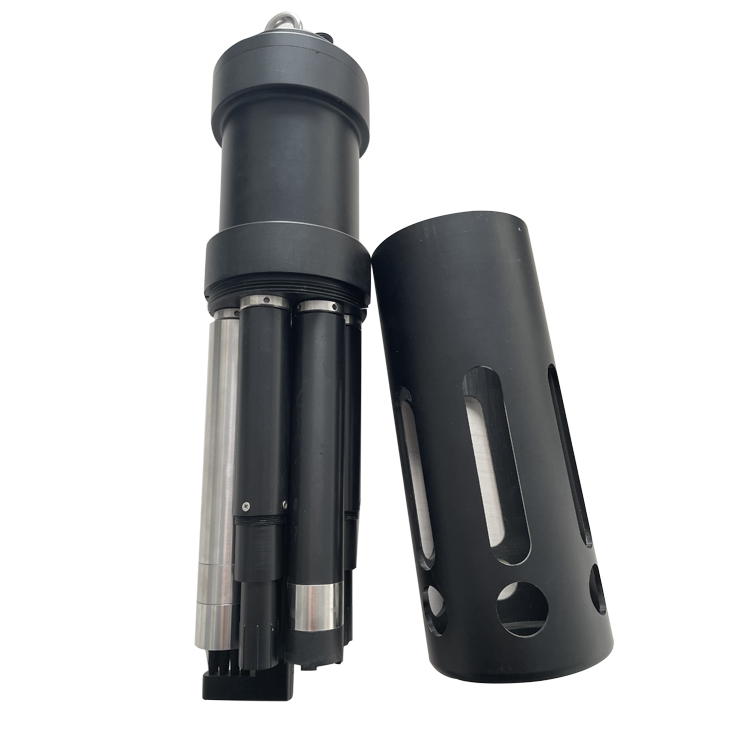
The RFQ should include water type, expected EC range, temperature range, installation method, cable length, output signal, controller requirement, quantity and whether salinity or TDS conversion is needed.
Do not compare conductivity sensor price without checking range and cell constant. A sensor quoted for low-conductivity water is not the same as a sensor intended for seawater or high-salt wastewater.
A conductivity sensor with the wrong range may still return numbers, which makes the error less obvious than a failed sensor. The problem appears as poor resolution in clean water, unstable high-end readings in saline water or values that do not match a handheld meter during acceptance.
Temperature compensation can hide or expose these issues. If the online EC sensor and handheld meter use different compensation settings, comparison will look worse than the actual sensor performance. The acceptance method should define temperature and compensation basis before the site test.
| Symptom | Likely selection issue | Correction before purchase |
|---|---|---|
| Low readings jump by large steps | Range too high for the water | Provide expected low EC range |
| High-salt water reads unstable | Cell constant or material not suitable | Review salinity model and corrosion risk |
| Online and handheld values disagree | Different temperature basis or calibration | Define comparison procedure |
Distributors should separate standard conductivity sensors from high-salinity or special cable requests. Keeping both categories under one price list can create wrong substitutions when a salesperson tries to meet a low budget.
For OEM equipment, ask for fixed cable length, connector style, communication settings and packaging labels. These details reduce installation mistakes when the same water conductivity sensor is installed repeatedly by different technicians.
For project buyers, include calibration solution, holder, controller or gateway and documentation in the first quote. Missing accessories make a conductivity sensor look cheaper but shift cost to commissioning.
Conductivity sensors are suitable when dissolved ionic changes affect operation: drinking water quality checks, reverse osmosis supervision, cooling water concentration, aquaculture salinity trend, irrigation nutrient control and industrial discharge warning.
They are less suitable when the buyer expects conductivity to identify the exact chemical contaminant. EC tells that ionic content changed; it does not name the ion. For chloride, nitrate, ammonium or other specific ions, a dedicated ion sensor or laboratory method may be needed.
This distinction matters in sales conversations. A water conductivity sensor can trigger investigation, control dilution or track salinity, but it should not be oversold as a full chemical analyzer.
Acceptance should compare the online sensor against a trusted handheld meter or standard solution under controlled temperature conditions. Record the temperature, compensation setting, unit and calibration liquid. If these are different, the comparison may create a false complaint.
For RS485 systems, verify the displayed unit on the controller and platform. Conductivity may be shown as uS/cm, mS/cm, TDS or salinity depending on configuration. A unit mismatch can look like a sensor error even when the probe is working.
For repeat orders, ask NiuBoL to quote common calibration solution and spare cables together with the sensor. This reduces field downtime when a site needs quick verification.
For irrigation and hydroponic projects, conductivity is often tied to dosing decisions. The buyer should define whether the controller only records EC or whether it will trigger nutrient adjustment. Control use requires tighter review of calibration, temperature compensation and alarm delay.
For industrial wastewater, conductivity can identify abnormal discharge or mixing changes, but it cannot prove which chemical entered the stream. The correct project use is early warning and investigation, supported by laboratory or ion-specific testing when needed.
Export buyers should request unit labels and manuals that match the selected display units. A shipment configured in mS/cm can confuse a site expecting uS/cm or salinity output, even though the sensor hardware is correct.
For buyers comparing suppliers, request the same quotation scope from each one: sensor body, cable length, output, controller, calibration solution, mounting accessory and manual. Without the same scope, conductivity sensor price comparisons are unreliable.
When the project involves unknown water, a short site trial is often more useful than forcing a final model choice from a catalog. Trial readings show the real range, fouling speed and temperature behavior, then the final sensor and cell constant can be selected with less risk.
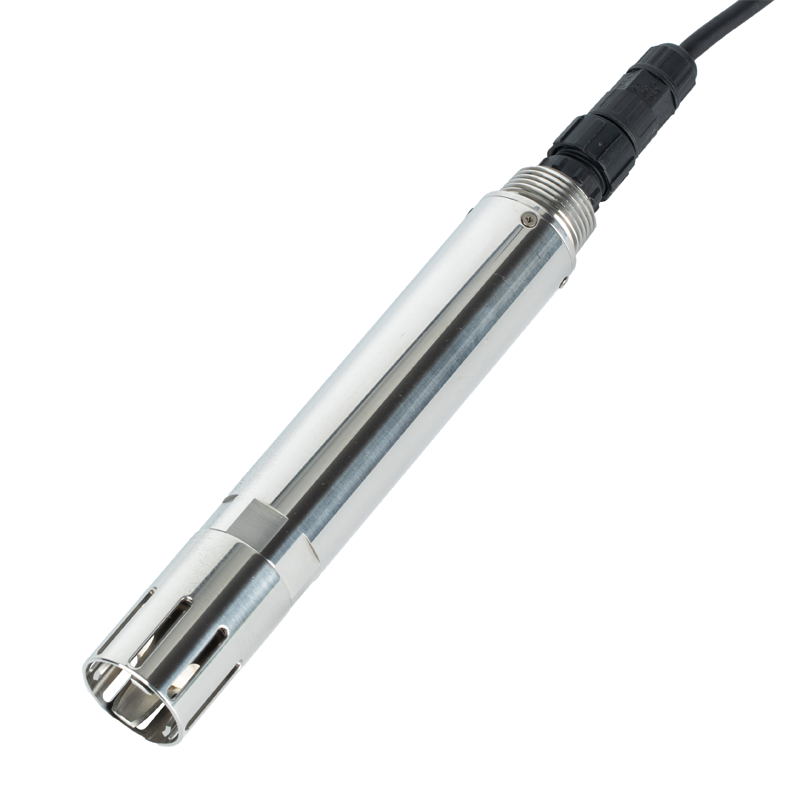
Q1: What does a conductivity sensor measure?
A: It measures the ability of water to conduct electricity, which reflects dissolved ionic content. It is used for process water, aquaculture, drinking water, wastewater and salinity-related monitoring.
Q2: How do I choose the right conductivity sensor range?
A: Start with expected water type and conductivity range. If the range is unknown, send sample data or describe the application so the supplier can select the proper cell constant and measurement range.
Q3: Why is temperature compensation needed?
A: Conductivity changes with temperature. Compensation helps separate real water-quality change from temperature-driven variation, especially in outdoor, aquaculture and process applications. For project comparison, also record the unit, temperature compensation setting and calibration liquid so the online value can be checked fairly.
Q4: Is an EC sensor the same as a salinity sensor?
A: Not exactly. Salinity can be calculated from conductivity in many applications, but high-salt or seawater projects may need a salinity-focused sensor and corrosion review. For project comparison, also record the unit, temperature compensation setting and calibration liquid so the online value can be checked fairly.
Q5: Can conductivity sensors use RS485 Modbus RTU?
A: Yes. RS485 Modbus RTU is common in digital water quality systems. Request the register map, wiring diagram, address setting and default communication parameters before integration.
Q6: What causes unstable conductivity readings?
A: Bubbles, fouling, incomplete immersion, poor grounding, wrong range, temperature swings and chemical stratification are common causes. For project comparison, also record the unit, temperature compensation setting and calibration liquid so the online value can be checked fairly.
Q7: What should be included in an EC sensor quotation?
A: The quote should include sensor model, range, cable length, output, installation accessories, controller if needed, calibration solution and documentation. For project comparison, also record the unit, temperature compensation setting and calibration liquid so the online value can be checked fairly.
Q8: When is a low-cost conductivity sensor not enough?
A: It is not enough when the project has high salinity, corrosive water, strong fouling, long cable runs, remote maintenance or strict acceptance documentation. For project comparison, also record the unit, temperature compensation setting and calibration liquid so the online value can be checked fairly.
Q9: How should the sensor be maintained?
A: Clean the electrode, check calibration solution, inspect cable sealing and compare readings with a reference method on a defined schedule based on water condition. For project comparison, also record the unit, temperature compensation setting and calibration liquid so the online value can be checked fairly.
Q10: What information should be sent to NiuBoL?
A: Send water type, expected EC range, temperature, installation drawing, output requirement, cable length, quantity and whether the system needs TDS or salinity reporting. For project comparison, also record the unit, temperature compensation setting and calibration liquid so the online value can be checked fairly.
A conductivity sensor should be selected by range, cell constant, temperature compensation and installation condition. These details decide whether the data will be useful after commissioning.
For quotation, provide NiuBoL with water type, expected conductivity range and system interface. That information allows a practical recommendation instead of a generic EC sensor price.
Prev:Inline Turbidity Meter Installation: Pipe, Tank and Open-Channel Options
Next:TSS Sensor Price and Total Cost for Continuous Solids Monitoring
Related recommendations
Sensors & Weather Stations Catalog
 Agriculture Sensors and Weather Stations Catalog-NiuBoL.pdf
Weather Stations Catalog-NiuBoL.pdf
Agriculture Sensors Catalog-NiuBoL.pdf
Water Quality Sensor Catalog-NiuBoL.pdf
Related products
 Combined air temperature and relative humidity sensor
 TDR Soil Moisture & Temperature Sensor for irrigation| RS485 |4-20mA| NBL-S-THR
 Soil pH sensor RS485 soil Testing instrument soil ph meter for agriculture |NBL-S-PH
 Wind Speed sensor Output Modbus/RS485/Analog/0-5V/4-20mA
 Tipping bucket rain gauge for weather monitoring auto rainfall sensor RS485/Outdoor/stainless steel
 Pyranometer Solar Radiation Sensor 4-20mA/RS485

Screenshot, WhatsApp to identify the QR code
WhatsApp number:+8615367865107
(Click on WhatsApp to copy and add friends)

