





— Blogs —
—Products—
 Consumer hotline +8618073152920
 WhatsApp:+8615367865107
Address:Room 102, District D, Houhu Industrial Park, Yuelu District, Changsha City, Hunan Province, China
Product knowledge
Time:2026-09-22 12:00:00 Popularity:17
For water quality sensor acceptance test, the emphasis belongs on sample path, mechanical support, service clearance, and commissioning evidence from the actual pipe, tank, or channel.
For Water Quality Sensor Acceptance Test: What Engineers Should Verify Before Handover - Pipe, Tank, Or Open-Channel Layout, a convenient bracket is not enough; the point has to carry fresh, mixed, representative water during normal operation.
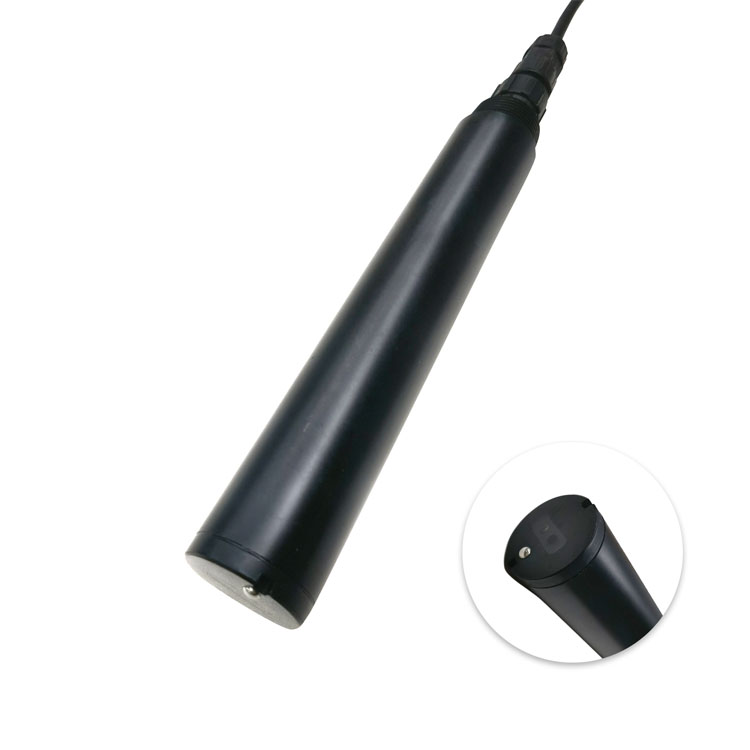
| Point to define | Project detail | Why it changes the result |
|---|---|---|
| Water contact point | process water, cooling water, boiler support, RO pretreatment, or plant discharge | Photo or drawing showing where water quality sensor acceptance test touches the sample. |
| Hydraulic condition — Water Quality Sensor Acceptance Test: What Engineers Should Verify Before Handover | temperature swings | Check flow, bubbles, solids, chemical shock, and stale water. |
| Mechanical support — Water Quality Sensor Acceptance Test: What Engineers Should Verify Before Handover | temperature, chemical dosing points, grounding, and service isolation should be settled early | Holder, bracket, flow cell, and cable strain relief should be defined. |
| Service clearance — Water Quality Sensor Acceptance Test: What Engineers Should Verify Before Handover | chemical spikes near dosing points | The point must be reachable after normal plant operation starts. |
A useful supplier request for water quality sensor acceptance test names normal and alarm values, shows the sample point, and states the controller or logger model before asking for price.
The working environment for water quality sensor acceptance test is usually process water, cooling water, boiler support, RO pretreatment, or plant discharge.
If the site may see chemical spikes near dosing points, the water quality sensor acceptance test quote should show how the probe is mounted, how the point is reached, and how cleaning is checked after startup.
| Host or data path | Set before commissioning | Proof to keep |
|---|---|---|
| cloud platform | gateway mapping, alarm recipient, site name, and channel order; tag tied to water quality sensor acceptance test | remote alarm and history screen |
| PLC input | fixed slave address, baud rate, register, data type, and scale; tag tied to water quality sensor acceptance test | wet test beside the local display |
| RTU cabinet | power recovery, grounding, surge path, and missing-data alarm; tag tied to water quality sensor acceptance test | restart record and uploaded trend |
| data logger | sample interval, memory depth, clock source, and export format; tag tied to water quality sensor acceptance test | downloaded CSV or platform trend |
The data path for water quality sensor acceptance test should be proven from controller to PLC, RTU, logger, or platform. Record slave address, register, scaling, unit, and alarm text.
Bring up the water quality sensor acceptance test signal one channel at a time.
| NiuBoL item | Documented or selectable basis | Project role |
|---|---|---|
| NiuBoL item">NiuBoL water quality monitoring system | multi-sensor station layout for water quality sensor acceptance test; controller, logger, gateway, and cabinet options in the installation scope; RS485 Modbus RTU sensor bus in the installation scope; solar or mains power depending on site in the installation scope | Fits points where water quality supports membrane protection, scaling control, corrosion warning, utility-water release, and process diagnostics for this installation scope. |
| Mounting, controller, logger, gateway, cabinet, or power option | Selected from site layout, cable distance, enclosure, host, and access requirement | Keeps water quality sensor acceptance test from being quoted as a loose probe when the job needs an installed package. |
For water quality sensor acceptance test, keep the confirmed data apart from field choices.
The first wet run for water quality sensor acceptance test should include a site note, not only a number. Flow condition, level, bubbles, and access explain why the point was accepted.
| Offer item | What to compare | Decision use |
|---|---|---|
| Fixed product data | multi-sensor station layout for water quality sensor acceptance test; controller, logger, gateway, and cabinet options checked before quotation; RS485 Modbus RTU sensor bus checked before quotation | Write directly into the comparison sheet. |
| Installed scope — application: Water Quality Sensor Acceptance Test | NiuBoL water quality monitoring system with holder, controller, gateway, power, or startup support when temperature, chemical dosing points, grounding, and service isolation should be settled early requires it | Compare complete measuring points, not bare names. |
Keep the water quality sensor acceptance test record practical.
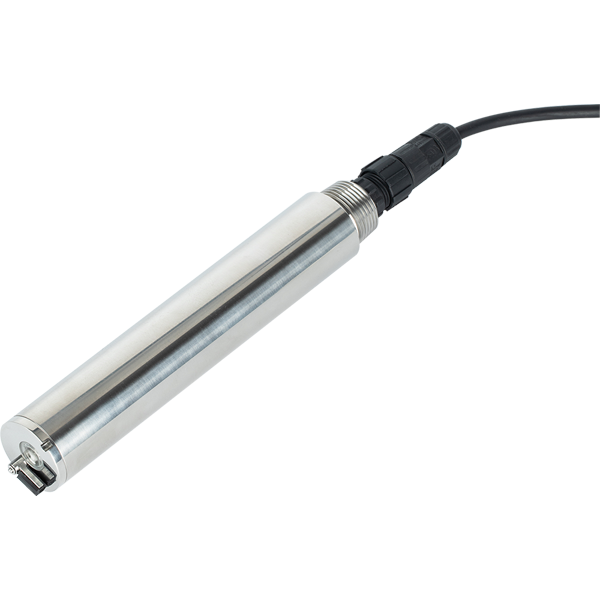
Finish water quality sensor acceptance test by proving the layout, not by adding a broad service list: location, mounting, signal path, host value, and field note.
For water quality sensor acceptance test, open RFQ items are measuring range for water quality sensor acceptance test; cable distance; mounting hardware; host signal; check solution; field comparison record.
The water quality sensor acceptance test mounting decision should be checked against normal water level, shutdown access, splash or foam, and cable protection. Those field details decide whether the same NiuBoL sensor reads representative water or a local disturbance.
Keep water quality sensor acceptance test on location, sample movement, mechanical support, and commissioning proof instead of a broad maintenance routine.
For water quality sensor acceptance test, the final layout note should describe what the installer can see and touch: pipe or tank position, holder orientation, flow condition, cable strain relief, isolation space, and the route back to the controller. If the point cannot be cleaned or compared safely, the installed water quality value will be difficult to defend.
Keep water quality sensor acceptance test centered on layout, representative water, mechanical support, safe access, and the first wet reading from the mounted point.
Selection of Water Quality Sensor Acceptance Test should begin with the measurement duty, site condition and receiving-system interface. When the sample line or flow cell is used, note flushing, trapped air, drain position, and whether stagnant water can remain after shutdown. Those points decide whether the value follows the process.
For water-quality monitoring system - Pipe, Tank, Or Open-Channel Layout, the installation is acceptable only when another technician can find the point, identify the cable, read the same host tag, and repeat the startup check without guessing the original intent.
For water-quality monitoring system - Pipe, Tank, Or Open-Channel Layout, where the pipe or tank cannot be stopped, plan the holder and isolation method before ordering. The best product choice still fails when installation depends on a shutdown nobody approved.
For water quality sensor acceptance test, define the first comparison method before startup. The installer needs to know whether the check is local display, handheld meter, lab sample, or host trend.
Keep the installation note clear about what NiuBoL supplies and what the contractor builds. Holder, cable route, cabinet entry, and platform naming often sit on different work scopes.
The last installation check is plain: the value should move like the actual water point. If it lags, jumps, or stays flat during a real process change, revisit the location before blaming the model.
A1: On site, install where the sample represents the decision, not where the bracket is easiest. For water quality sensor acceptance test, compare the chosen point with flow, mixing, sediment, bubbles, and operator access.
A2: Use direct immersion when the water body is accessible, well mixed, and representative. Use a flow cell or bypass when the project needs stable flow, safer service access, controlled drainage, or protection from turbulence. The acceptance record should explain why the selected arrangement represents the process.
A3: Provide the pipe or tank dimensions, flow direction, normal and extreme levels, mounting photographs, cable route, cabinet distance, and shutdown restrictions. These details determine the holder, flow-cell, cable, isolation, and service-access scope and should remain in the final handover package.
A4: For water quality sensor acceptance test, plan separation from power noise, strain relief, water ingress protection, grounding or surge path, and the route back to the controller or logger. Cable work is part of measurement quality.
A5: Compare the local reading with the PLC, RTU, data logger, or platform value at the same timestamp. Verify the engineering unit, decimal position, register address, data type, scaling, tag name, and alarm message before signoff so the field channel and host record cannot be confused.
A6: Retain installed photographs, the live local reading, the corresponding host value, Modbus settings, alarm-test evidence, and the first stable trend. The file should prove operation through the complete installed data path under actual water conditions, not only during a bench test.
A7: Confirm that personnel can remove, clean, inspect, compare, and reinstall the sensor without unsafe access or unplanned process shutdown. Also check cable strain relief, isolation space, drain handling, and the ability to restore the same sensing position after maintenance.
A8: For water quality sensor acceptance test, include holder or flow cell, cable length, controller, cabinet, logger or gateway, power protection, communication settings, and commissioning support, not only NiuBoL water quality monitoring system.

For water quality sensor acceptance test, the installer should see where NiuBoL water quality monitoring system belongs and what must be checked before the value is accepted by the host.
Prev:How to Build a Water Quality Monitoring System with Data Logger, RTU and Cloud Upload
Next:Online vs Portable vs Laboratory Water Quality Analyzer: Procurement Comparison
Related recommendations
Sensors & Weather Stations Catalog
 Agriculture Sensors and Weather Stations Catalog-NiuBoL.pdf
Weather Stations Catalog-NiuBoL.pdf
Agriculture Sensors Catalog-NiuBoL.pdf
Water Quality Sensor Catalog-NiuBoL.pdf
Related products
 Combined air temperature and relative humidity sensor
 Soil Moisture Temperature sensor for irrigation|NBL-S-THR
 Soil pH sensor RS485 soil Testing instrument soil ph meter for agriculture |NBL-S-PH
 Wind Speed sensor Output Modbus/RS485/Analog/0-5V/4-20mA
 Tipping bucket rain gauge for weather monitoring auto rainfall sensor RS485/Outdoor/stainless steel
 Pyranometer Solar Radiation Sensor 4-20mA/RS485

Screenshot, WhatsApp to identify the QR code
WhatsApp number:+8615367865107
(Click on WhatsApp to copy and add friends)

