





— Blogs —
—Products—
 Consumer hotline +8618073152920
 WhatsApp:+8615367865107
Address:Room 102, District D, Houhu Industrial Park, Yuelu District, Changsha City, Hunan Province, China
Product knowledge
Time:2026-09-23 08:00:00 Popularity:14
For sensor drift in high turbidity and high suspended solids water, the owner needs a clear rule for when to clean, compare, recalibrate, or ask NiuBoL about replacement parts.
The owner needs a way to tell fouling, aging, bad standards, and real process change apart before the trend loses trust. Selection of Sensor Drift in High Turbidity and High Suspended Solids Water should begin with the measurement duty, site condition and receiving-system interface.
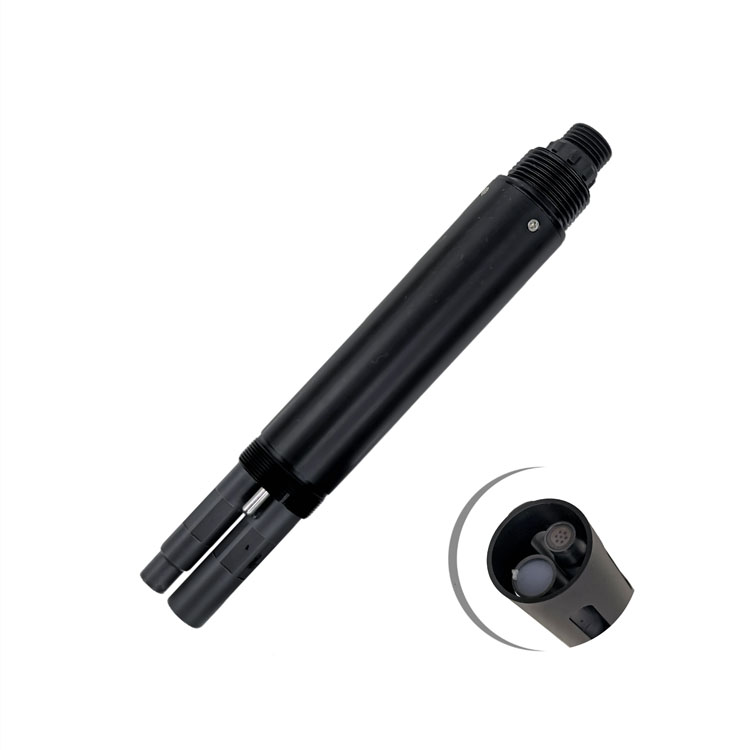
| Check | Requirement | Evidence |
|---|---|---|
| Live value | turbidity, TSS shown at the installed point | Local display and host screen captured together. |
| Owner handover for sensor drift high turbidity suspended | field check plan and data review owner named | Responsible team written into the startup record. |
Start the sensor drift in high turbidity and high suspended solids water specification with the water condition, not the instrument name. For sensor drift in high-solids water, identify the actual water circuit and the decision supported by the result before defining the measuring point or alarm logic.
Do not treat turbidity, TSS as a loose number; tie it to the sample position, trend speed, alarm wording, and site decision.
| NiuBoL item | Documented or selectable basis | Project role |
|---|---|---|
| NBL-WQ-TS online turbidity sensor | 0-20.00NTU low-range option for sensor drift in high turbidity and high suspended solids water; 0.01NTU resolution on low range in the maintenance scope; online optical turbidity measurement in the maintenance scope; RS485 Modbus RTU output in the maintenance scope | Fits points where turbidity, TSS supports membrane protection, scaling control, corrosion warning, utility-water release, and process diagnostics for this maintenance scope. |
| NBL-WQ-TSS suspended solids sensor | online suspended solids or sludge concentration monitoring for sensor drift in high turbidity and high suspended solids water; optical measuring principle in the maintenance scope; RS485 Modbus RTU output in the maintenance scope; probe cleaning access required in the maintenance scope | Fits points where turbidity, TSS supports membrane protection, scaling control, corrosion warning, utility-water release, and process diagnostics for this maintenance scope. |
| Mounting, controller, logger, gateway, cabinet, or power option | Selected from site layout, cable distance, enclosure, host, and access requirement | Keeps sensor drift in high turbidity and high suspended solids water from being quoted as a loose probe when the job needs an installed package. |
Treat NBL-WQ-TS online turbidity sensor as the first technical reference. If the job also needs NBL-WQ-TSS suspended solids sensor, state whether it adds a parameter, cabinet, data route, controller, or full station build.
List sensor drift high turbidity suspended accessories separately instead of folding them into one product name. For sensor drift in high turbidity and high suspended solids water, show which parts are sensor data, which parts are mounting scope, and which parts need NiuBoL confirmation.
| Host or data path | Set before commissioning | Proof to keep |
|---|---|---|
| RTU cabinet | power recovery, grounding, surge path, and missing-data alarm; tag tied to sensor drift in high turbidity and high suspended solids water | restart record and uploaded trend |
| data logger | sample interval, memory depth, clock source, and export format; tag tied to sensor drift in high turbidity and high suspended solids water | downloaded CSV or platform trend |
| SCADA screen | tag name, unit, decimal place, alarm class, and operator note; tag tied to sensor drift in high turbidity and high suspended solids water | screen capture with live value |
| cloud platform | gateway mapping, alarm recipient, site name, and channel order; tag tied to sensor drift in high turbidity and high suspended solids water | remote alarm and history screen |
Integration work for sensor drift in high turbidity and high suspended solids water is mainly mapping discipline: address plan, register table, engineering unit, decimal point, tag name, trend interval, and alarm recipient.
If the controller has spare inputs, label the sensor drift in high turbidity and high channel clearly and test it with the host before the next sensor is connected.
| Point to define | Project detail | Why it changes the result |
|---|---|---|
| Cleaning trigger for sensor drift high turbidity suspended | temperature swings | Record before-and-after values, not only a service date. |
| Calibration or standard check | turbidity, TSS comparison method | Keep standard value, observed value, temperature if relevant, and operator name. |
| Drift review for sensor drift high turbidity suspended | chemical spikes near dosing points | Compare trend, process notes, and cleaning history before replacing parts. |
| Service access for sensor drift high turbidity suspended | temperature, chemical dosing points, grounding, and service isolation should be settled early | The owner should be able to remove and return the sensor without damaging cable or holder. |
The RFQ should show the installed job for sensor drift in high turbidity and high: pipe or tank detail, cabinet distance, communication path, service access, owner comparison method, and the open configuration item.
The owner should be able to reopen the sensor drift in high turbidity and high file months later and understand the product choice, sample point, Modbus mapping, and service decision.
The post-cleaning check for sensor drift in high turbidity and high suspended solids water should show what changed: wetted part condition, comparison value, host value, and the first trend after return to service.
A maintenance-focused sensor drift in high turbidity and high suspended solids water scope needs access, record, and spare-part detail for the point to stay trusted after startup.
For sensor drift in high turbidity and high suspended solids water, add the service evidence to the same file as the product choice. That keeps turbidity, TSS review tied to the installed point instead of a loose maintenance promise.
The sensor drift in high turbidity and high suspended solids water service note should separate routine fouling from a real process event. Write down the water condition, cleaning action, comparison value, and host reading before the limit or interval is changed.
If chemical spikes near dosing points appears repeatedly, treat the symptom as a service-design issue. The owner needs to know when to clean again, when to compare with a standard, and when to ask NiuBoL about parts.
When NiuBoL is asked for support, the service file should already show model, range, water condition, cleaning action, comparison value, and host screenshot. That makes the question technical instead of vague.
The owner should not wait for failure before defining the sensor drift in high turbidity and high suspended solids water check. A simple routine with observed value, service action, and next review date is enough for most sites.
A1: At the installed point, start with the expected fouling and the accepted comparison method for sensor drift in high turbidity and high suspended solids water. The record should say who cleans, who checks standards, and when NiuBoL should be asked about replacement parts.
A2: For sensor drift in high turbidity and high suspended solids water, set the first interval after the startup trend. In process water, cooling water, boiler support, RO pretreatment, or plant discharge, temperature swings may force shorter cleaning than the same model would need in cleaner water.
A3: In the service record, write standard name, value, lot or preparation date when available, observed value, stabilization time, and operator. The required class of Sensor Drift in High Turbidity and High Suspended Solids Water depends on whether the project needs continuous data, remote alarms or documented handover records.
A4: Before changing the maintenance interval, check cleaning history, cable condition, host scaling, recent process changes, and comparison method first. Replace the probe only after the installed point and service record have been reviewed. Installation quality is part of measurement quality for Sensor Drift in High Turbidity and High Suspended Solids Water, so exposure and service access must be checked together.
A5: For Sensor Drift in High Turbidity and High Suspended Solids Water, at the installed point, quote standards, cleaning tools, seals, caps, holders, cable accessories, and any spare probe required by the site risk. Remote or critical points should not depend on emergency purchasing.
A6: For sensor drift in high turbidity and high suspended solids water, the host record should mark service time so operators do not treat a paused or disturbed value as a process event. Alarm handling during cleaning should be agreed before handover.
A7: In the service record, no. A clean local value is only one check. A useful post-service record also shows the installed point, host value, alarm state if relevant, and whether the trend returned to its normal pattern. The quotation for Sensor Drift in High Turbidity and High Suspended Solids Water should distinguish the field device, accessories, controller interface and site-service scope.
A8: Before changing the maintenance interval, the site owner should be named before startup. That person or team reviews abnormal trends, approves service intervals, and decides whether a process event or an instrument issue caused the change. Acceptance documents for Sensor Drift in High Turbidity and High Suspended Solids Water should follow the delivered hardware and configured data path.
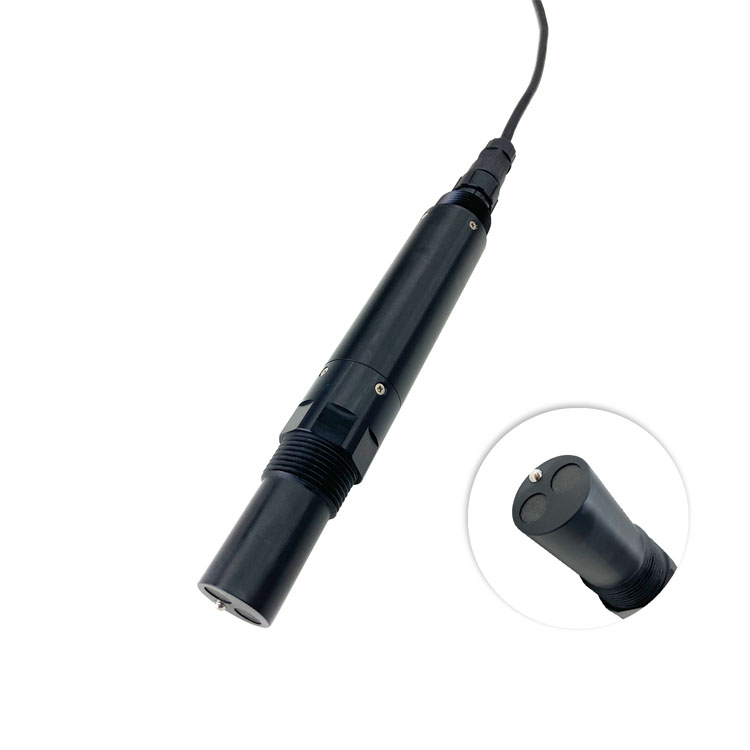
Sensor drift in high turbidity and high suspended solids water is useful when the owner can see what to clean, what to compare, what to record, and when a replacement question should go back to NiuBoL.
For sensor drift in high turbidity and high suspended solids water, the useful RFQ evidence is site solids behavior, cleaning access, sensor orientation and comparison data, not a broad promise that one probe will stay stable in every slurry condition.
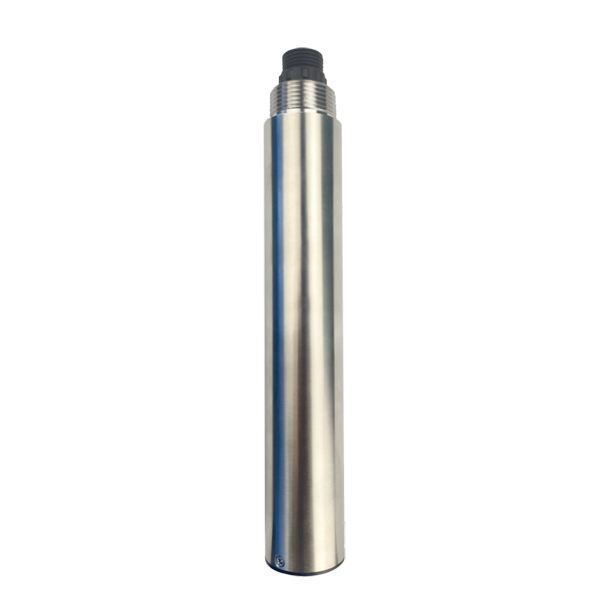
For sensor drift in high turbidity and high suspended solids water, the practical result is a maintenance routine that can be followed on site, not a general promise that online data will remain accurate.
Prev:Online vs Portable vs Laboratory Water Quality Analyzer: Procurement Comparison
Next:Water Quality Sensor Replacement Cycle: Aging Signs and Spare-Probe Planning
Related recommendations
Sensors & Weather Stations Catalog
 Agriculture Sensors and Weather Stations Catalog-NiuBoL.pdf
Weather Stations Catalog-NiuBoL.pdf
Agriculture Sensors Catalog-NiuBoL.pdf
Water Quality Sensor Catalog-NiuBoL.pdf
Related products
 Combined air temperature and relative humidity sensor
 Soil Moisture Temperature sensor for irrigation|NBL-S-THR
 Soil pH sensor RS485 soil Testing instrument soil ph meter for agriculture |NBL-S-PH
 Wind Speed sensor Output Modbus/RS485/Analog/0-5V/4-20mA
 Tipping bucket rain gauge for weather monitoring auto rainfall sensor RS485/Outdoor/stainless steel
 Pyranometer Solar Radiation Sensor 4-20mA/RS485

Screenshot, WhatsApp to identify the QR code
WhatsApp number:+8615367865107
(Click on WhatsApp to copy and add friends)

