





— Blogs —
—Products—
 Consumer hotline +8618073152920
 WhatsApp:+8615367865107
Address:Room 102, District D, Houhu Industrial Park, Yuelu District, Changsha City, Hunan Province, China
Product knowledge
Time:2026-09-23 13:00:00 Popularity:15
ORP work depends on reaction stage, chemical injection distance, pH condition, and the delay between dosing and a stable oxidation-reduction value. For cooling water monitoring, the value matters only when position, response time, output, and alarm wording match the action taken on site.
The control note should name the first action, usually protect membranes or heat exchangers, before it names the output hardware.
| Check | Requirement | Evidence |
|---|---|---|
| Live value | pH, ORP, conductivity shown at the installed point | Local display and host screen captured together. |
| Owner handover | cleaning routine and data review owner named | Responsible team written into the startup record. |
For cooling water monitoring, the field setting is process water, cooling water, boiler support, RO pretreatment, or plant discharge.
The pH, ORP, conductivity value has to be read with sample origin, response time, and operator action in view. For Cooling Water Monitoring Conductivity, pH, ORP and Scaling, define the responsible party and supporting evidence before equipment approval.
Measurement-point record for electrochemical water-quality measurement: The design review for this industrial point should include temperature swings.
| Point to define | Project detail | Why it changes the result |
|---|---|---|
| Control action — focus: Cooling Water Monitoring Conductivity, pH, ORP and Scaling | protect membranes or heat exchangers | State whether the value starts equipment, stops dosing, raises alarm, or only records a trend. |
| Sensor position — focus: Cooling Water Monitoring Conductivity, pH, ORP and Scaling | temperature swings | Avoid measuring a local slug before the water is mixed. |
| Response and delay | pH, ORP, conductivity trend speed | Agree alarm delay or control deadband before commissioning. |
| Fallback action — focus: Cooling Water Monitoring Conductivity, pH, ORP and Scaling | detect chemical carryover | Operators need a manual response when signal quality is doubtful. |
For wastewater treatment station water quality instruments, the integrator should also confirm decimal scaling and engineering units before PLC tags are approved.
Send NiuBoL a site packet for cooling water monitoring: water source and expected pH, ORP, conductivity span; one point photo; cable distance; host model; power and protocol; comparison method.
| NiuBoL item | Documented or selectable basis | Project role |
|---|---|---|
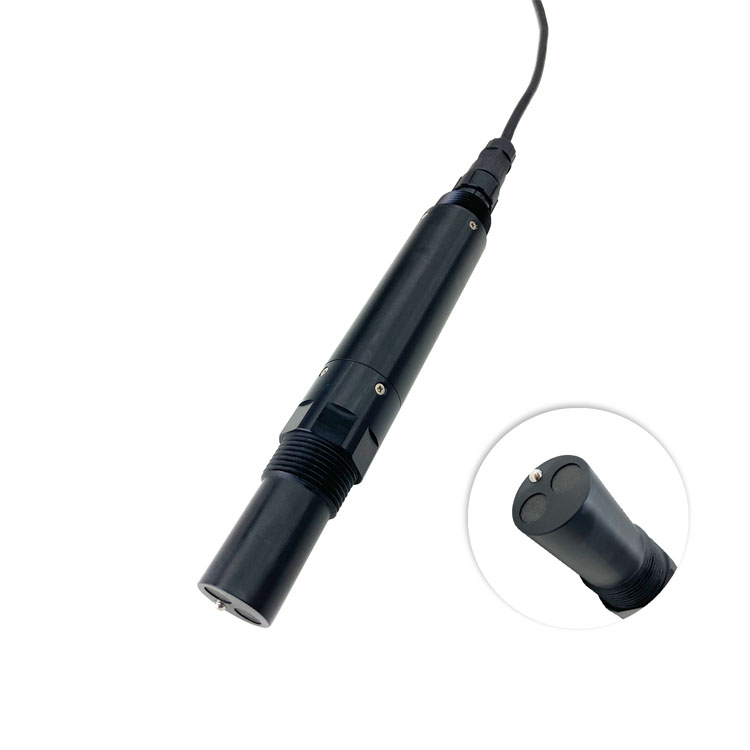
| NBL-WQ-EC online conductivity sensor | 0-20.00uS/cm low-range option for cooling water monitoring; 0-200.0uS/cm low-range option in the control scope; RS485 Modbus RTU output in the control scope; IP68 probe in the control scope | Fits points where pH, ORP, conductivity supports membrane protection, scaling control, corrosion warning, utility-water release, and process diagnostics for this control scope. |
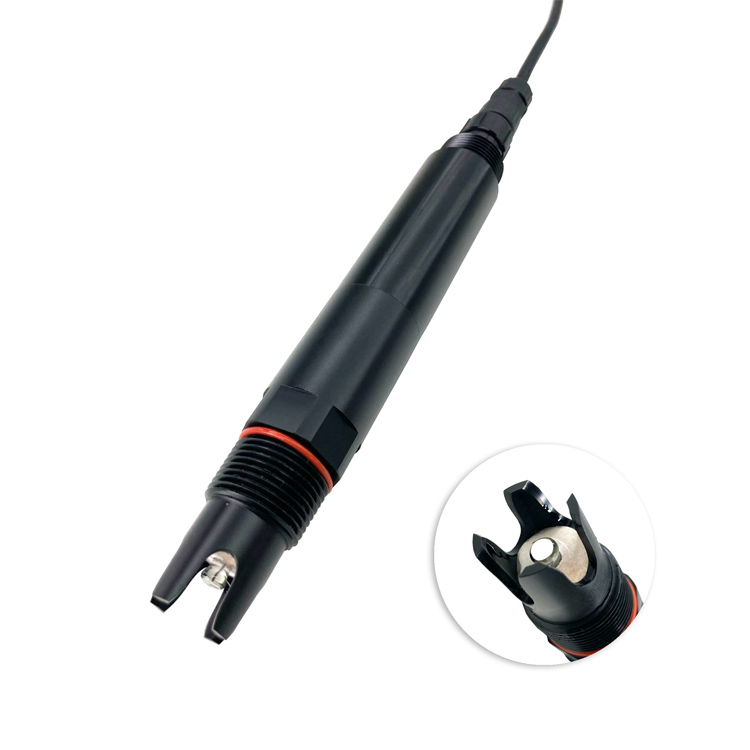
| NBL-WQ-PH online pH sensor | 0-14 pH range for cooling water monitoring; 12-24VDC supply in the control scope; IP68 probe body in the control scope; RS485 Modbus RTU output in the control scope | Fits points where pH, ORP, conductivity supports membrane protection, scaling control, corrosion warning, utility-water release, and process diagnostics for this control scope. |
| NBL-WQ-ORP online ORP sensor | online oxidation-reduction potential measurement for cooling water monitoring; RS485 Modbus RTU output in the control scope; IP68 field probe in the control scope; controller or logger integration in the control scope | Fits points where pH, ORP, conductivity supports membrane protection, scaling control, corrosion warning, utility-water release, and process diagnostics for this control scope. |
| Mounting, controller, logger, gateway, cabinet, or power option | Selected from site layout, cable distance, enclosure, host, and access requirement | Keeps cooling water monitoring from being quoted as a loose probe when the job needs an installed package. |
Review NBL-WQ-EC online conductivity sensor first and keep the verified points visible: 0-20.00uS/cm low-range option for cooling water monitoring; 0-200.0uS/cm low-range option checked for the installed scope; RS485 Modbus RTU output checked for the installed scope. Add NBL-WQ-PH online pH sensor only when the site needs another channel, controller work, or station scope.
Separate fixed product facts from field choices in the cooling water monitoring quote.
| Host or data path | Set before commissioning | Proof to keep |
|---|---|---|
| RTU cabinet | power recovery, grounding, surge path, and missing-data alarm; tag tied to cooling water monitoring | restart record and uploaded trend |
| data logger | sample interval, memory depth, clock source, and export format; tag tied to cooling water monitoring | downloaded CSV or platform trend |
| SCADA screen | tag name, unit, decimal place, alarm class, and operator note; tag tied to cooling water monitoring | screen capture with live value |
| cloud platform | gateway mapping, alarm recipient, site name, and channel order; tag tied to cooling water monitoring | remote alarm and history screen |
For cooling water monitoring, check RS485 Modbus RTU as a wet commissioned signal.
When several sensors share one controller, commission the cooling water monitoring channel separately so unit, decimal place, and alarm text are not copied from another parameter.
The cooling water monitoring startup test should show the process state, reading before action, alarm or output state, and the trend after the action has time to affect the water.
For cooling water monitoring, the control value should be tested with the process state written beside it. This is more useful than a single stable number because it shows whether pH, ORP, conductivity can support the real operating decision.
The cooling water monitoring control note should name the action that follows the value.
Keep related process context near cooling water monitoring.
A control-focused cooling water monitoring scope needs a testable limit, a response path, and a record showing the process moved after the output changed.
Keep cooling water monitoring out of catalogue language. Show where NBL-WQ-EC online conductivity sensor reads the process, what value starts action, and what the operator does if the signal is doubtful.
If temperature swings occurs near the control point, write a delay, deadband, or manual confirmation step before automatic action is trusted. Fast correction from a poor signal can make the process less stable.
Use the host section to prove action, not only communication. A useful startup record shows the sensor value, output state, alarm recipient, and process response after enough time has passed.
For cooling water monitoring, related values should be named only when they explain the decision. pH, flow, dosing state, turbidity, conductivity, weather, or blower state are context, not filler.
A1: For cooling water monitoring, name the action first. For cooling water monitoring, the reading may start aeration, adjust dosing, hold discharge, warn an operator, or only create a trend for later review.
A2: For the control loop, place the probe where water is mixed enough for the control action but early enough to respond. A point too close to chemical injection can drive false correction. Apply this decision specifically to Cooling Water Monitoring.
A3: Before an alarm limit is accepted, specify RS485 Modbus RTU, controller relay, analog input if required, gateway, or PLC mapping. The host must show the same unit and scale as the local controller. Apply this decision specifically to Cooling Water Monitoring.
A4: During the first operating run, write the normal band, alarm limit, delay, reset behavior, and who responds. A limit without action is only a number on a screen. Apply this decision specifically to Cooling Water Monitoring.
A5: For cooling water monitoring, automatic control is suitable only when the point is stable, representative, and maintained.
A6: For the control loop, run a controlled startup check with the process state recorded. Integration note for electrochemical water-quality measurement: Record the agreed range, alarm response, interface check and maintenance evidence in the commissioning or acceptance file. The Cooling Water Monitoring Conductivity, pH, ORP and Scaling specification should connect this decision to the actual installation and controller scope.
A7: Before an alarm limit is accepted, review related values such as pH, flow, dosing state, blower output, turbidity, conductivity, or weather depending on the site. A control value without context is easy to tune incorrectly. Apply this decision specifically to Cooling Water Monitoring.
A8: During the first operating run, send the control action, expected range, process delay, host device, output need, alarm recipient, mounting point, and service access. NiuBoL can then confirm the proper configuration. Apply this decision specifically to Cooling Water Monitoring.
The cooling water monitoring file should let the next engineer see what was bought, where it was installed, how the signal reaches the host, and which items remain open.
Close cooling water monitoring only after the control action is testable through reading, alarm or output state, process response, and fallback action.
For cooling water monitoring, unverified accuracy, certification, chemical resistance, reagent life, or detection-limit claims should stay out of the quotation text until NiuBoL confirms them for the ordered configuration.
For cooling water monitoring, close the specification around the action: protect membranes or heat exchangers, response delay, alarm or output state, operator fallback, and the trend after the process reacts.
Prev:Industrial Wastewater Monitoring Points from Influent to Final Discharge
Next:RS485, Modbus RTU, Device Address, Registers and CRC: A Complete Sensor Communication Guide
Related recommendations
Sensors & Weather Stations Catalog
 Agriculture Sensors and Weather Stations Catalog-NiuBoL.pdf
Weather Stations Catalog-NiuBoL.pdf
Agriculture Sensors Catalog-NiuBoL.pdf
Water Quality Sensor Catalog-NiuBoL.pdf
Related products
 Combined air temperature and relative humidity sensor
 TDR Soil Moisture & Temperature Sensor for irrigation| RS485 |4-20mA| NBL-S-THR
 Soil pH sensor RS485 soil Testing instrument soil ph meter for agriculture |NBL-S-PH
 Wind Speed sensor Output Modbus/RS485/Analog/0-5V/4-20mA
 Tipping bucket rain gauge for weather monitoring auto rainfall sensor RS485/Outdoor/stainless steel
 Pyranometer Solar Radiation Sensor 4-20mA/RS485

Screenshot, WhatsApp to identify the QR code
WhatsApp number:+8615367865107
(Click on WhatsApp to copy and add friends)

